The entire University Community is invited to the launch of the Structural & Chemical Biology Laboratory (SCBL) on Thursday, 5th February, 2025, at the Department of Chemistry. The Structural & Chemical Biology Laboratory is an affiliate lab of @WACCBIP_UG.
https://t.co/xJrt5hphlv
Proud to share our work showing XPR1 is a phosphate-permeable channel with strong phosphate- and voltage-dependence. The backstory is wild too—Direct message me if you're curious! #science#ionchannels#XPR1#BCM
📢 Make your work FASTER and EASIER!
Use AlphaBridge to analyze your AlphaFold results and receive a clear, easy-to-understand output—even for non-experts.
➡️ Let AlphaBridge help you accelerate your work!
🌐Try it: https://t.co/w4fqySX3Zx
👀Read more: https://t.co/wfEK74sSpo
The #CZImagingInstitute Kaggle Challenge is now open worldwide! Help accelerate biomedical discovery by developing #ML algorithms to automate the detection of biological objects in 3D images of cells captured by #CryoET https://t.co/rkzYb82bRt
Excited to share that the AlphaFold 3 model code and weights are now available for academic use.
Looking forward to seeing what new research this unlocks and how the research community builds on AlphaFold 3 for scientific discoveries https://t.co/GKIOGHm317 1/2
TED: The Encyclopedia of Domains now published in @ScienceMagazine discovering and annotating 314 MILLION protein domains in the AlphaFold database. joint work of @CATH_Gene3D and @psipred here at UCL.
Muscle-3D: scalable multiple protein structure alignment
1. Muscle-3D introduces a new approach to scalable multiple structure alignment (MStA), combining sequence representation and alignment techniques from Muscle5, capable of scaling to thousands of protein structures.
2. Unlike traditional sequence-based alignment, Muscle-3D uses structural context to enhance alignment quality, making it effective even for distantly related proteins with weak or undetectable sequence similarity.
3. A novel feature of Muscle-3D is the Reseek “mega-alphabet,” a rich structural representation that captures context beyond simple amino acid sequences.
4. Muscle-3D uses advanced techniques such as posterior decoding pair-HMM, consistency transformations, iterative refinement, and ensemble construction to improve alignment accuracy.
5. Comparative validation on multiple benchmark datasets shows that Muscle-3D scores highly, but metric disagreements highlight the inherently fuzzy nature of structural alignment.
6. A novel measure of local conformation similarity, LDDT-muw, is introduced to better quantify local structural conservation, providing a more balanced assessment of alignments.
7. Muscle-3D is highly scalable, with results demonstrating that it can align thousands of structures, which is challenging for most existing methods.
8. Muscle-3D provides contact map profiles, enabling visualization of inter-residue distance variation, which can be used to identify regions of evolutionary constraint.
9. The authors argue that due to the fuzzy nature of MStA, a universal standard for MStA accuracy is not possible, as different metrics lead to conflicting rankings.
10. Muscle-3D integrates seamlessly with visualization tools like Jalview and Pymol, enhancing user experience for analyzing alignments and structural similarity.
💻Code: https://t.co/tU5yonATAX
📜Paper: https://t.co/g4lAwFp5fT
#ProteinAlignment #Bioinformatics #StructuralBiology #Muscle3D #AI #ProteinDesign #OpenScience
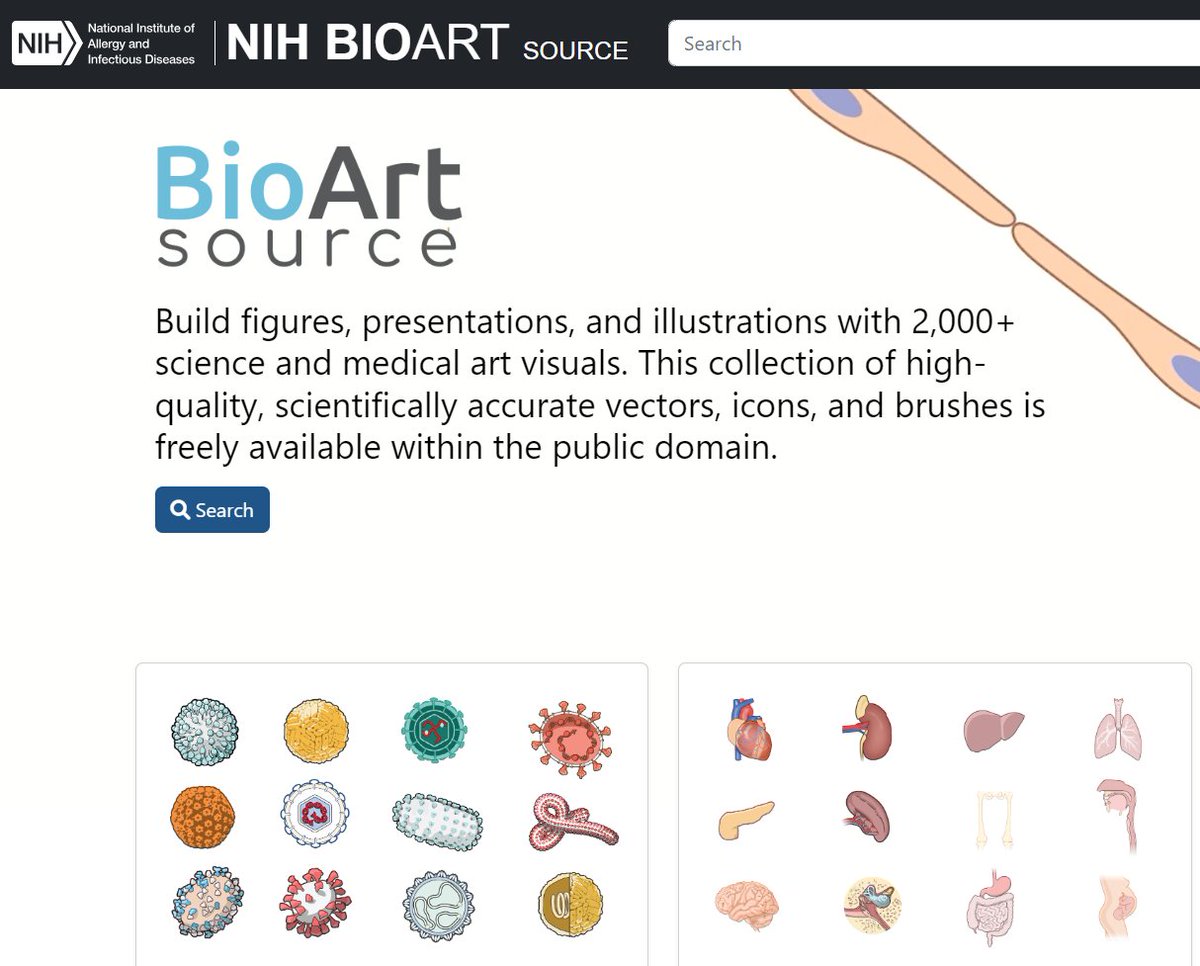
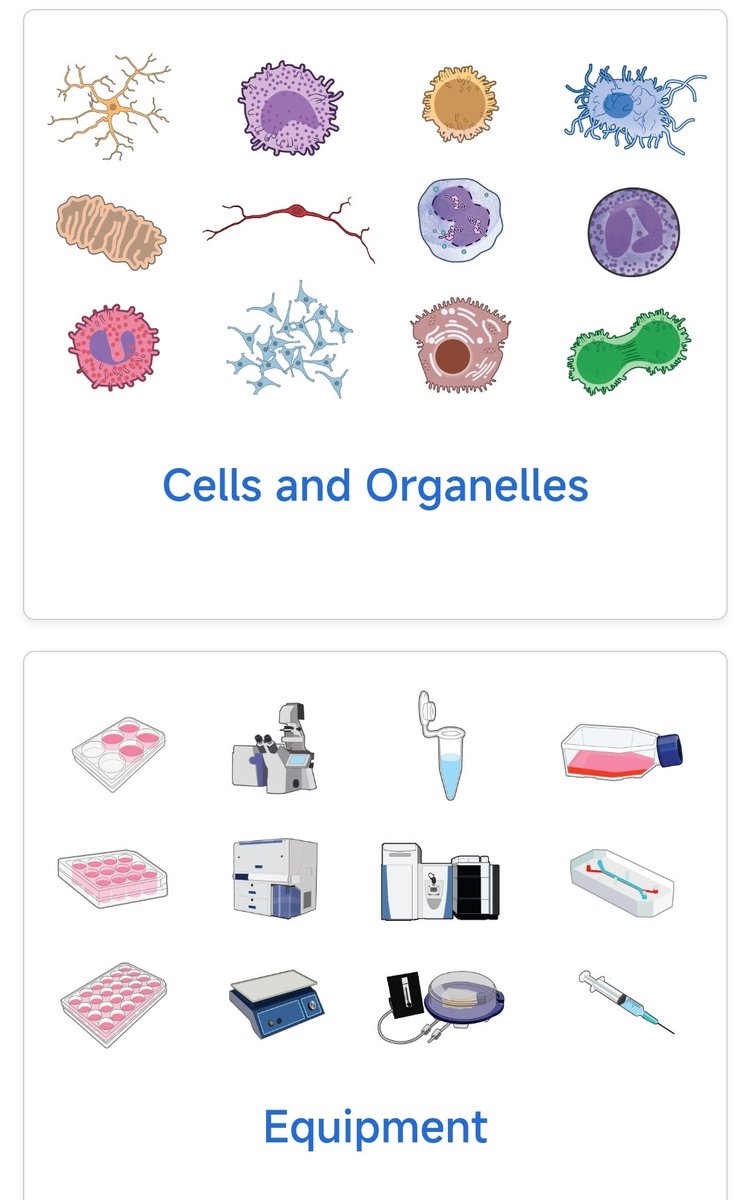
🚨 Great alternatives to BioRender are now available!!
📢 @NIAIDNews offers a collection of public figures and icons for everyone to use. Check it out at https://t.co/cZFQAf5nTz
We’re presenting AlphaProteo: an AI system for designing novel proteins that bind more successfully to target molecules. 🧬
It could help scientists better understand how biological systems function, save time in research, advance drug design and more. 🧵 https://t.co/lx35RvplFr
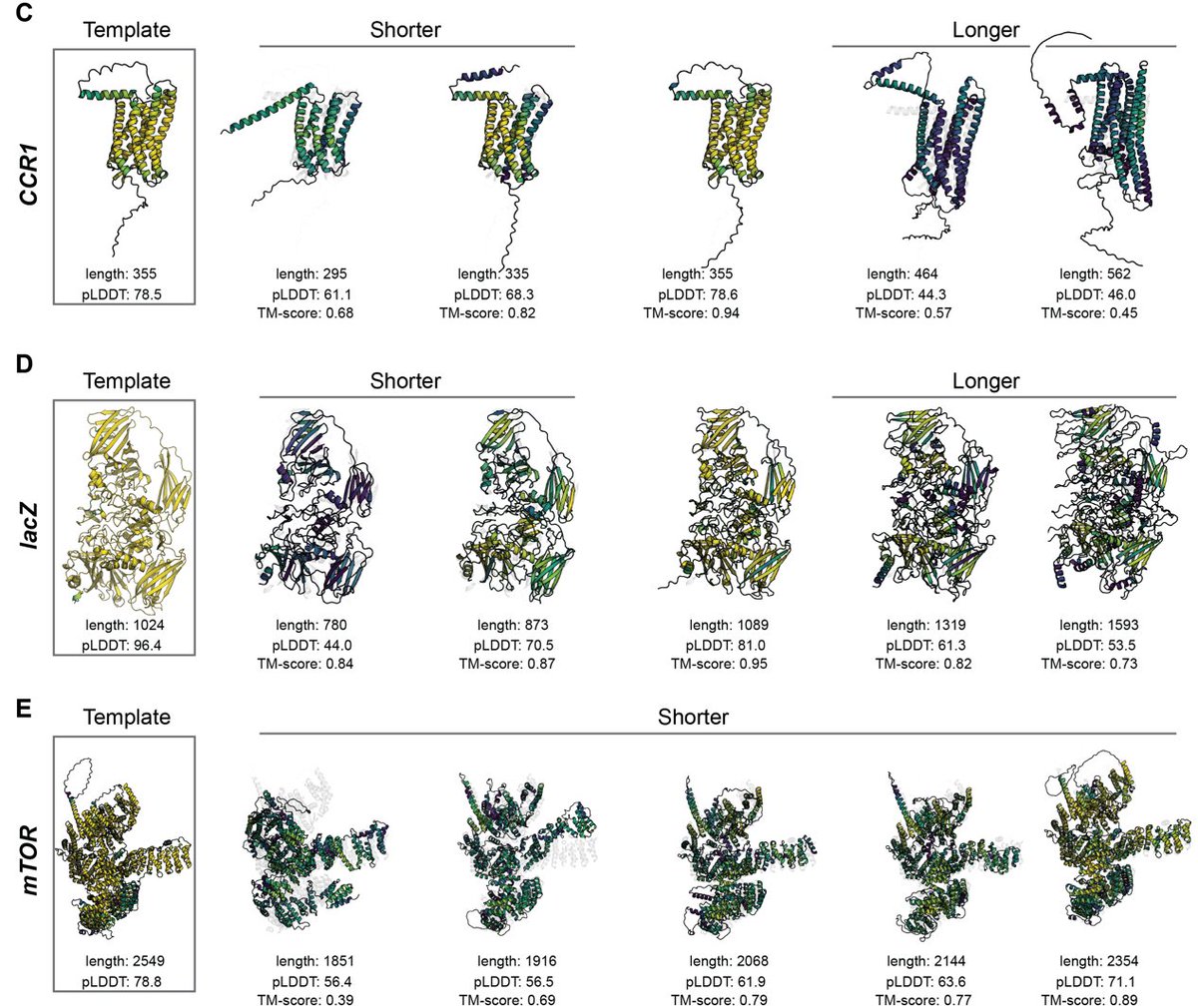
De novo protein design is great, but nature has millions of proteins- why not repurpose them?
Introducing Raygun, a new approach to protein design. It allows you to miniaturize, magnify or modify any protein. We synthesized miniaturized variants of eGFP and mCherry! 1/