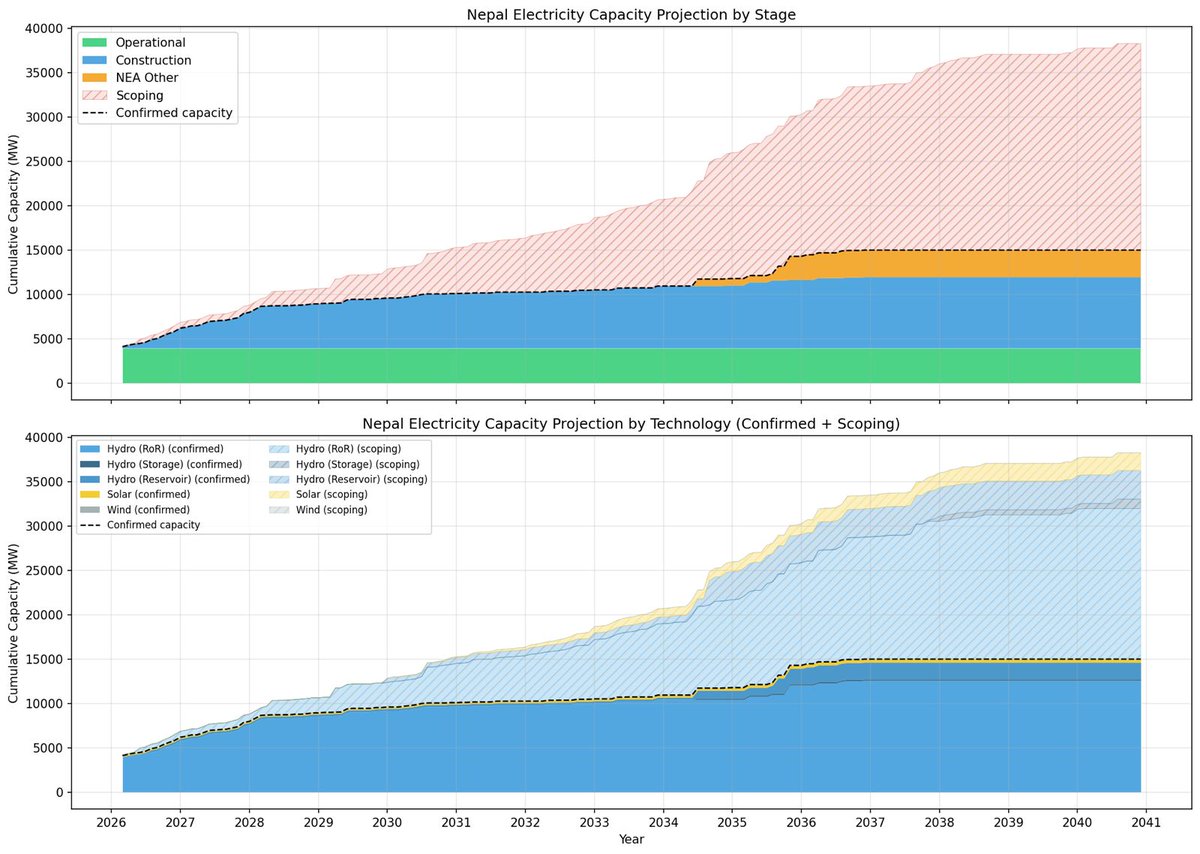
Nepal is heading toward a significant supply-demand mismatch in the energy sector. We are celebrating our generation pipelines, but a #CapacityStorm that is brewing needs a serious technical and financial comprehension at the top. @SwarnimWagle@watersagar
He's not just defending AI energy use. He is smuggling in a whole anthropology where humans are basically inefficient meat computers that you have to pour food and years into before they become useful. And once you accept that, the next move is obvious. If people are just costly biological training runs, then burning mountains of electricity to build synthetic intelligence starts to feel not only equal, but superior, even if it negatively impacts actual humans.
That is the dystopian. It makes human development sound like a bug in the system, and it makes sacrificing human and creational flourishing for more computational power sound logical. To him, the grid gets strained, prices go up, ecosystems get hit, but hey, humans eat too, so what's the difference?
The difference is that humans aren't an inefficient line item. They're the point. If your worldview can look at a child growing into an adult and describe it as energy spent to train intelligence, you haven't said something profound. You've revealed a horrifically rotten worldview.
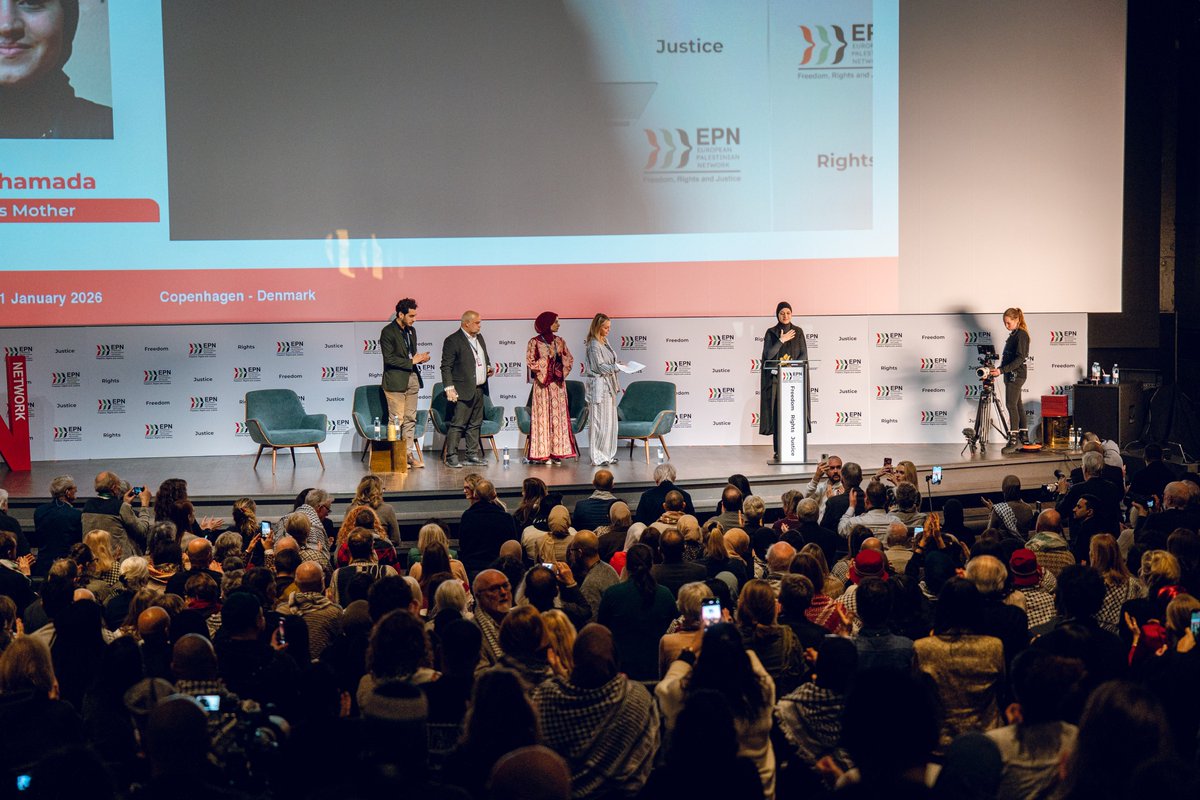
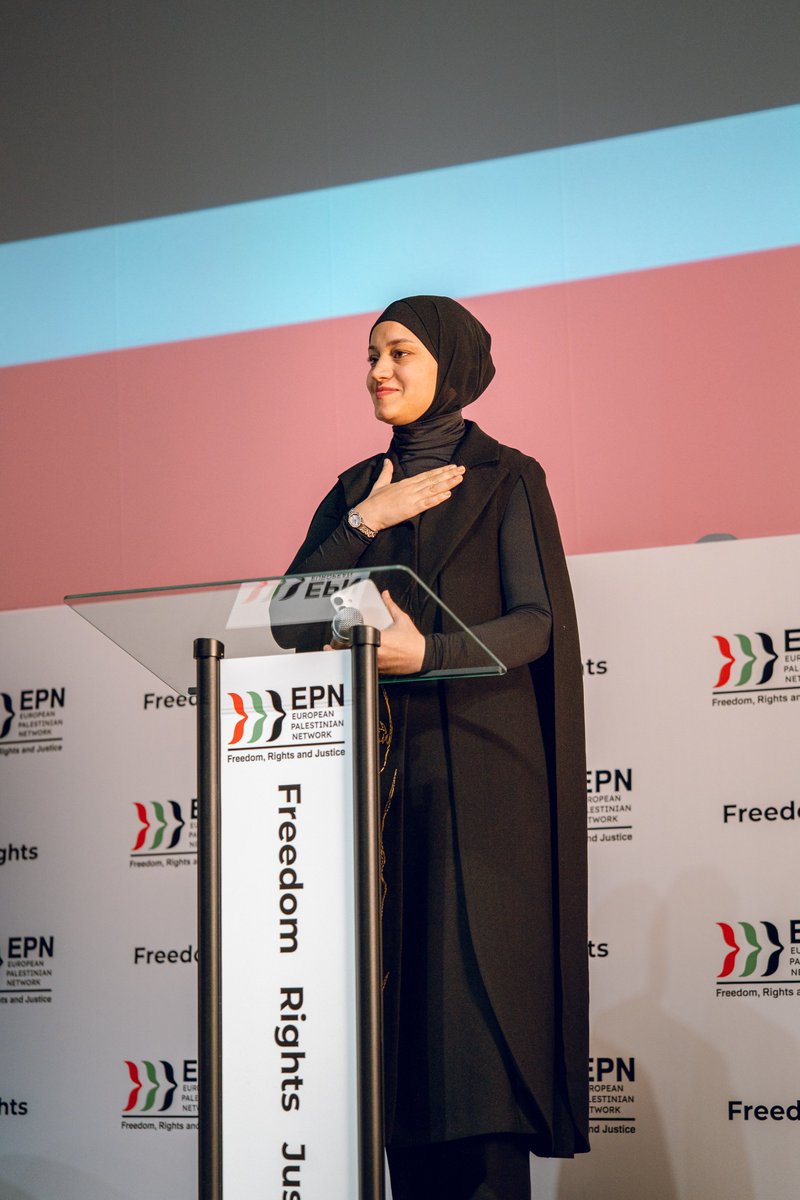
Hind Rajab's mom, Wesam, made this brilliant speech on Saturday:
Ladies & gentlemen,
I'll begin with no introductions.
On January 29, 2024, my daughter Hind Rajab was trapped inside a car, under direct fire.
Hind was a five-year-old child.
At that age, children don't think about politics, & don't know the meaning of war.
All they know is fear… & the hope that someone will come to save them.
Hind didn't die suddenly.
Hind waited.
She waited for help,
For her cries to have meaning.
She said:
"I'm scared…come get me."
This isn't a literary phrase.
This is the last thing a child said,
who knew she might not survive.
She said a sentence that tore my heart apart:
"Mom, they're lying. Stay with me!"
At that moment, I realized the betrayal.
An ambulance was sent to her. It didn't arrive. It was bombed.
This means one thing:
Saving a life wasn't allowed.
Today, 2 years later,
I'm not standing here to tell you a sad story.
I am here to speak about responsibility.
I will pose a weighty question:
What is the value of a human life when it is Palestinian?
Because what happened to my daughter Hind,
Had it happened anywhere else, would have shaken the world.
But it was in Gaza.
And that is why time was allowed to pass,
& the crime to be forgotten.
I ask you to imagine, even for a few seconds,
The magnitude of pain that mothers in Gaza carry when they lose their children.
Imagine the bitterness of the pain,
When you cannot save your child,
Or even reach them,
Or know what their final moments were like.
This pain lives with mothers
every day,
& with every breath.
What happened to Hind is not just a personal story.
It reveals how a child can be left to die, before the eyes of the world, without accountability.
You live in countries that believe in the rule of law,
that teach human rights,
& sign agreements to protect children.
But Hind was not protected.
Nor were the paramedics.
Nor was the truth protected.
I don't blame the people of the world,
but I do hold silence responsible.
The silence that makes the crime possible,
& makes its repetition easy.
Your presence here today
means that you have chosen not to be silent.
And that is important.
But what is more important, is what happens after this event.
Will Hind remain just a name at an event?
Or will she become a turning point?
I am not asking for the impossible.
I am asking for something very simple:
That the life of a Palestinian child be protected… as if it were your own child's life.
If the law cannot save a child, then it is a law that needs to be held accountable.
And if the world only acts when the victim resembles its own children, then the world needs a new conscience.
Hind is no longer here.
But her story is a trust.
And a trust is not preserved with words,
But with actions!
1/3
UNICEF is deeply alarmed by reports of violence against children during today’s protests in Nepal. The use of force against children is unacceptable and must stop immediately.
Protesters have a right to peacefully protest and express their frustration and outrage against corruption and the government’s restriction on the right to freedom of expression including the social media ban in Nepal.
Amnesty calls for the immediate de-escalation of the situation and urges the government to adopt a rights-respecting approach in the policing of protests.
#Nepal: We are shocked by the killings and injury of protesters today and urge a prompt and transparent investigation.
We have received several deeply worrying allegations of unnecessary or disproportionate use of force by security forces during protests organized by youth groups demonstrating against corruption and the recent Government ban on social media platforms.
We call on the authorities to respect and ensure the rights of peaceful assembly and freedom of expression.
All security forces must comply with the basic principles on the use of force and firearms by law enforcement officials.
Nepal enjoys a lively democracy and active civic space, and dialogue is the best means to address young people’s concerns. We urge reconsideration of measures to regulate social media to ensure they comply with Nepal’s human rights obligations.
➡️ https://t.co/PZgUYFSlKe
Only a few days left to apply! Are you passionate about development in #Africa? Become a @WorldBankAfrica Fellow and make a lasting impact while gaining invaluable experience. Apply now! 👉 https://t.co/YNSVeQp4Jx #WBGfellows
I know everyone is talking about Matt Gaetz but please don't miss this:
Georgia fired every single person on its maternal mortality review committee. Why? They didn't like that reporters found out that the state's ban killed two women
https://t.co/flwecfYeVJ
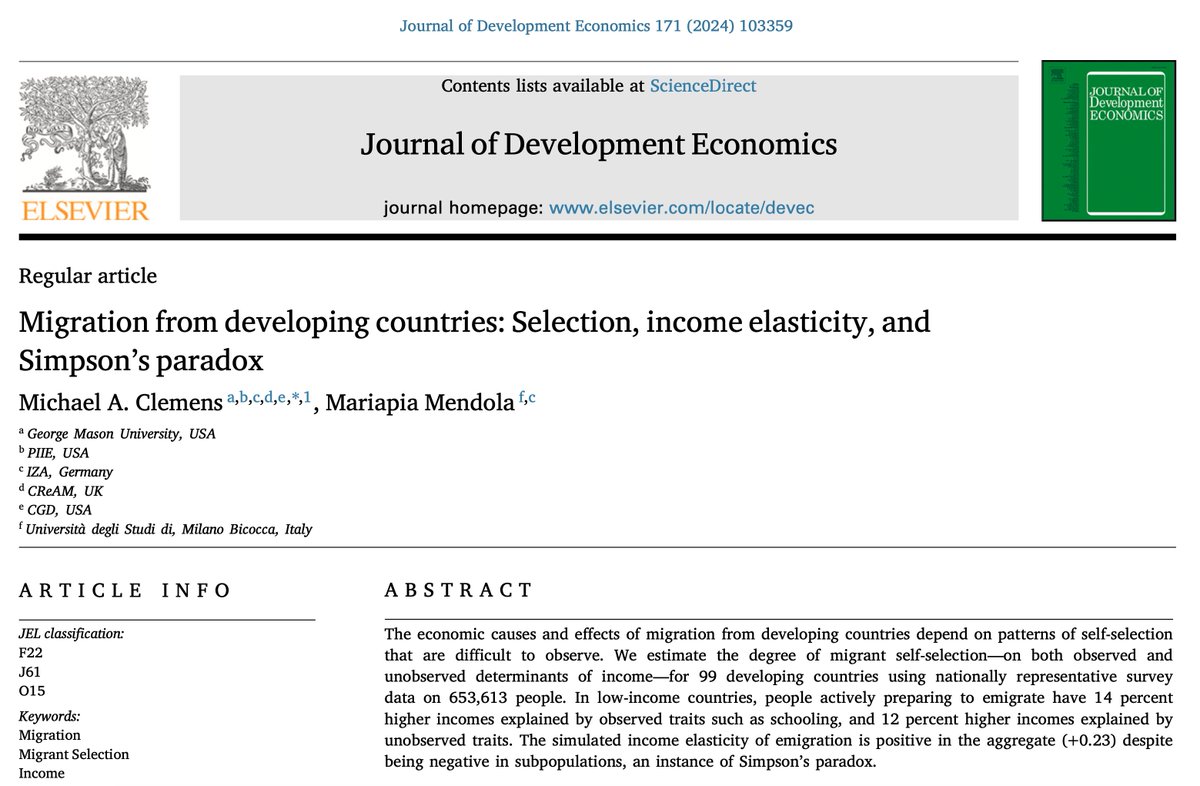
🚨 New paper in the Journal of Development Econ.
Are migrants from poor countries relatively high or low productivity workers? What happens to migration as incomes rise?
@MariapiaMendola and I note: These are closely related questions with a counterintutive answer
(thread)
Who here loves @hernekatha, @cbidhya, and @qamalqumar? We do—very much so. That's why this week's newsletter is dedicated to our favorite documentary series.
Subscribe to Herne Katha and Kalam Weekly!
https://t.co/Wr8SWxsZzS
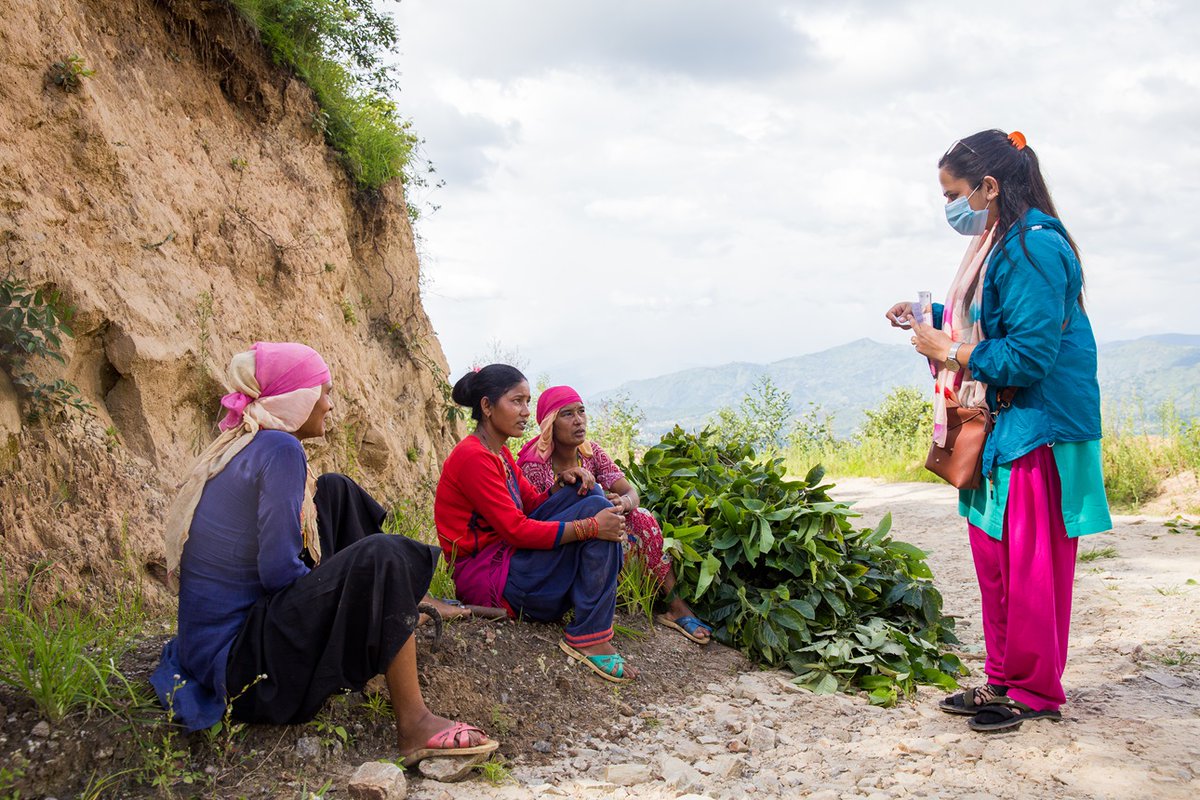
There is a lot more that we need to do in Nepal when it comes to improving health, but let's also look at what we have already achieved. Nepal is an #Exemplar country in reducing neonatal and maternal mortality among our global peers.
📣 New research from #Exemplars in Global Health shows Nepal's progress in reducing #MaternalMortality through improved access to care. Learn how the country’s MMR dropped from 504 maternal deaths per 100,000 births to 174 between 2000 and 2020. ➡️ https://t.co/h0HJfMEePv
Our new paper in Nature Comms found that net-appropriated labour from the South accounts for nearly half of total consumption in the North. Without unequal exchange, Northern consumption would drop by 50%, or Northern workers would need to work 2x more
https://t.co/u3U5UwXsvN
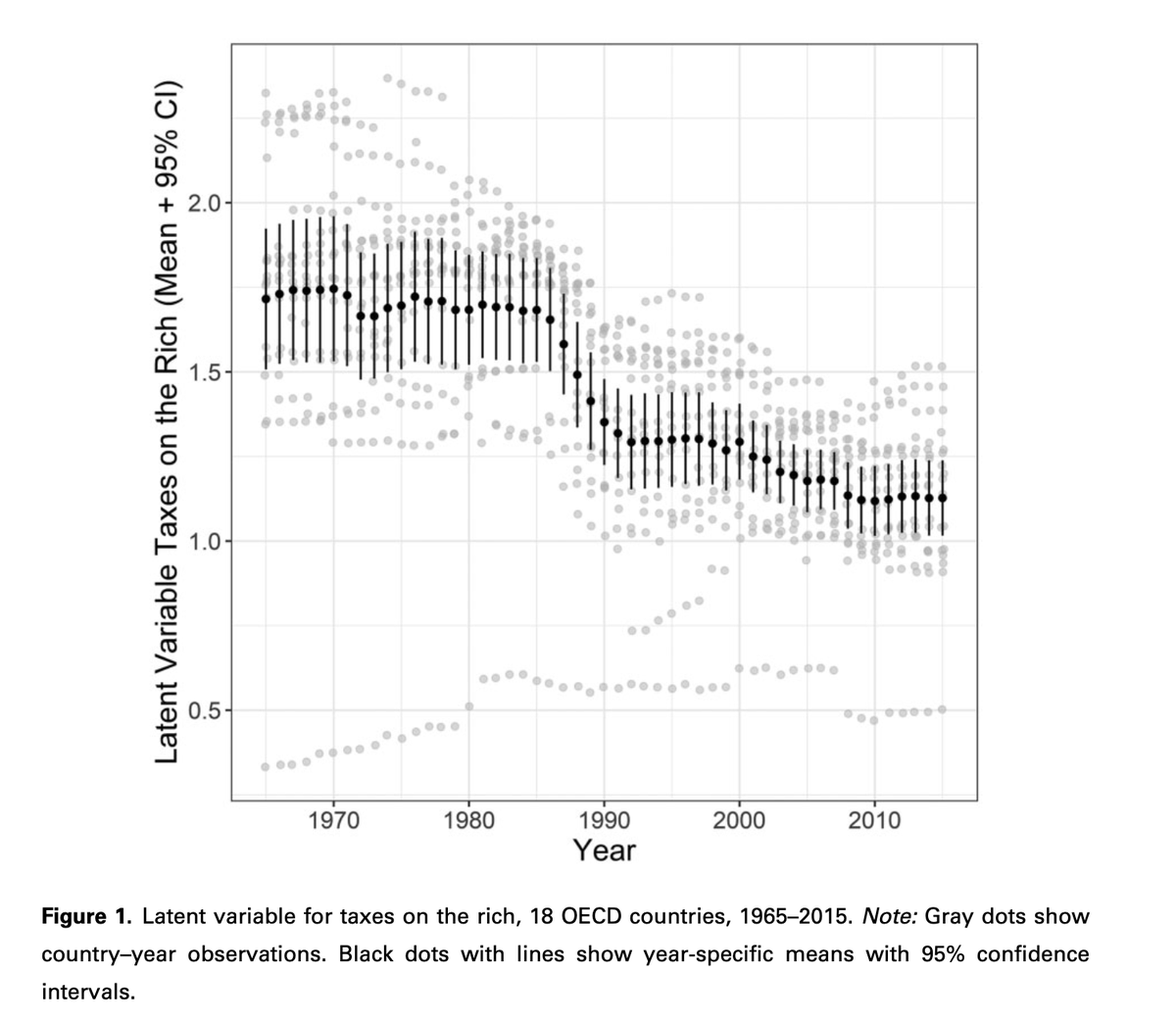
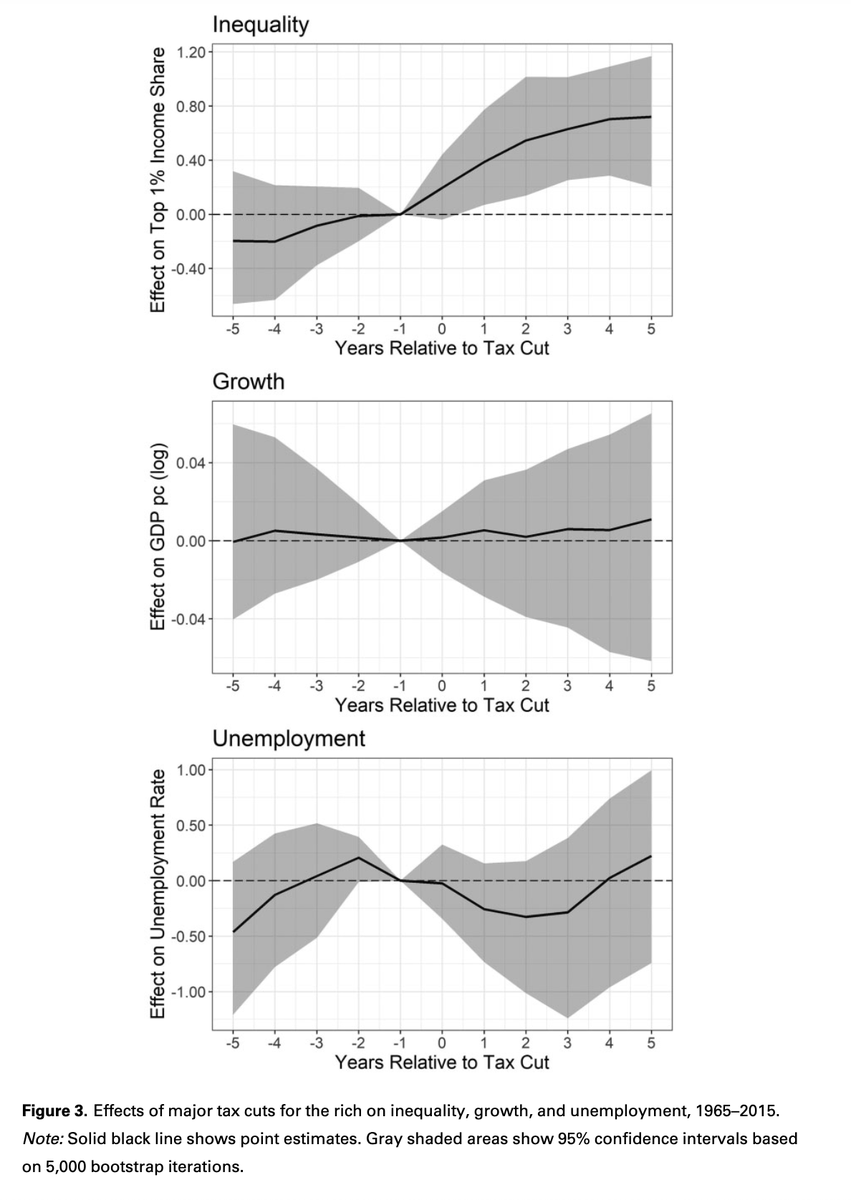
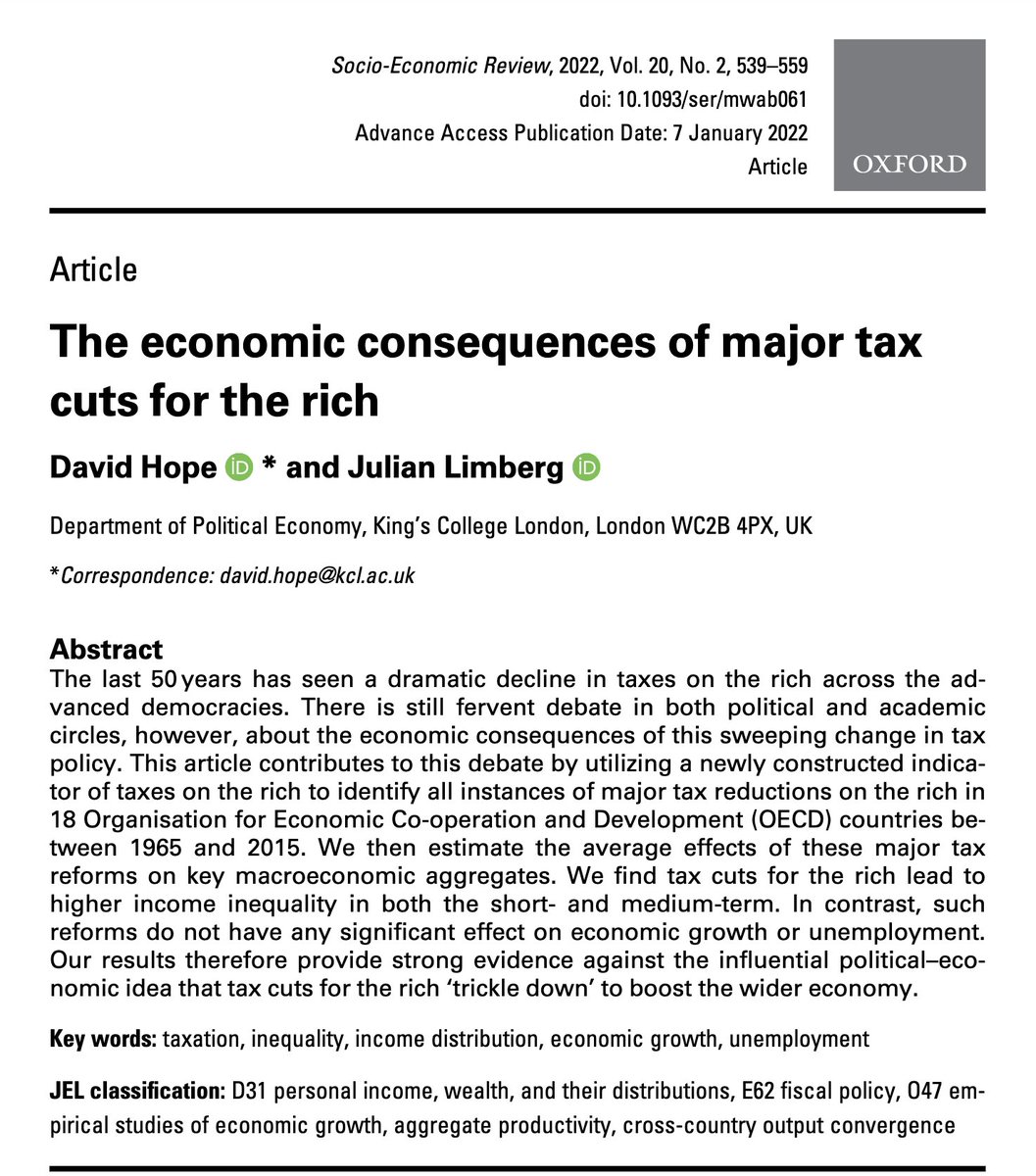
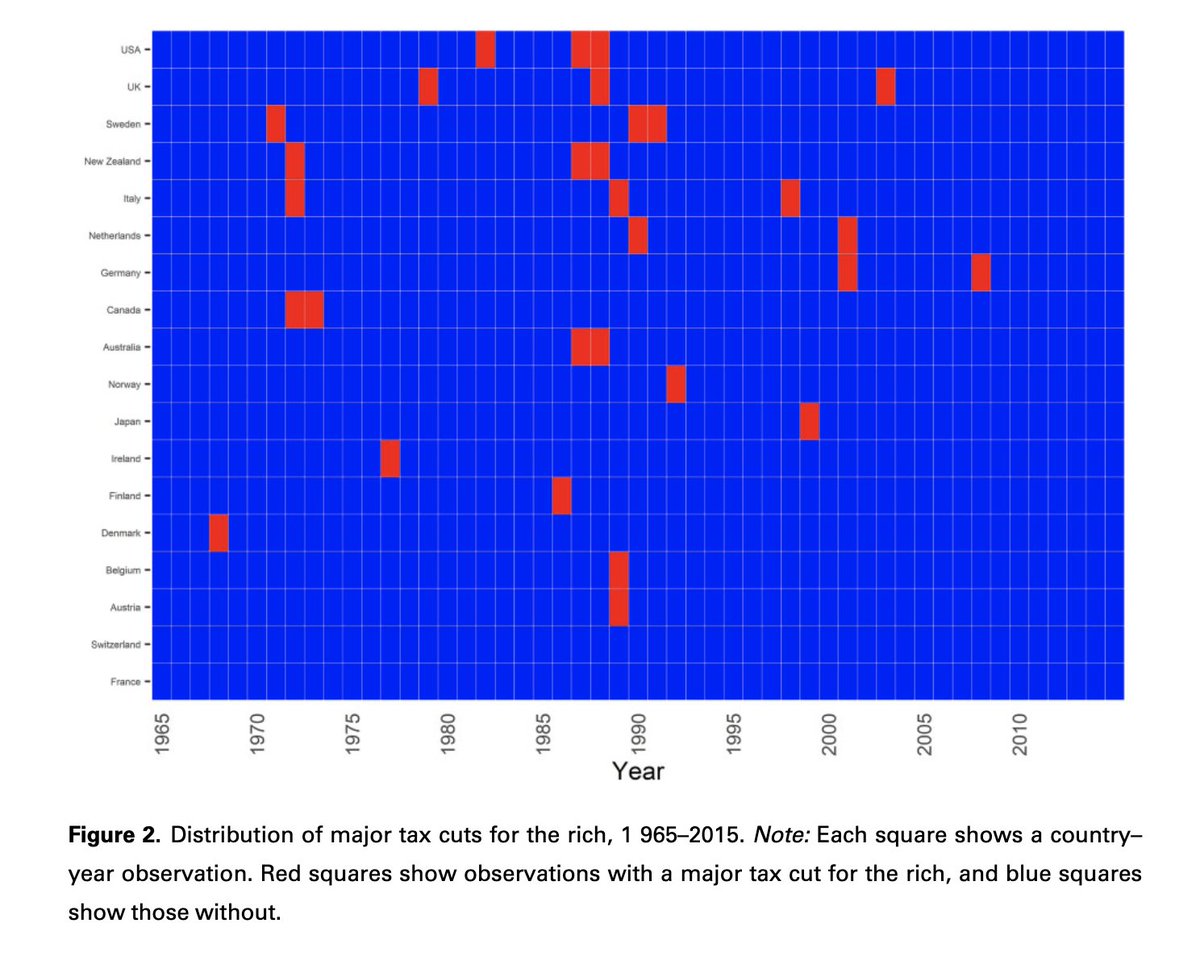
What do tax cuts for the rich do?
They increase inequality.
They have no effect on economic growth or unemployment.
"Our results provide strong evidence against the influential political–economic idea that tax cuts for the rich ‘trickle down’ to boost the wider economy."
📢Applications open today!
The @WorldBank has relaunched its Junior Professional Associates (JPA) program. This is an excellent opportunity for recent graduates looking to start a career in international development.
Apply before August 9:
https://t.co/Ad58JwY2Ml
There are two sets of implicit assumptions dominant in western academia & the development community that irk me: (a) Democracy is a western idea that was brought to the global south by colonial rule. (b) Feminism is a western idea that was brought to the global south by western feminists and development organizations. The first leads to assessments of democratic quality that are perhaps better suited to assess “backsliding”in the US and Europe rather than elsewhere. And the second results in misguided obsessions with reforming “bad” social norms to make “them” more like “us”. Billions and billions of $ have been mis-spent because of this. Both are stuck in out-of-date versions of modernization theory.
Or, the system is working as designed.
It is a sad reality, but we have to face it: the purpose of a system is what it does.
As systems theorist Stafford Beer argued, there is "no point in claiming that the purpose of a system is to do what it constantly fails to do."
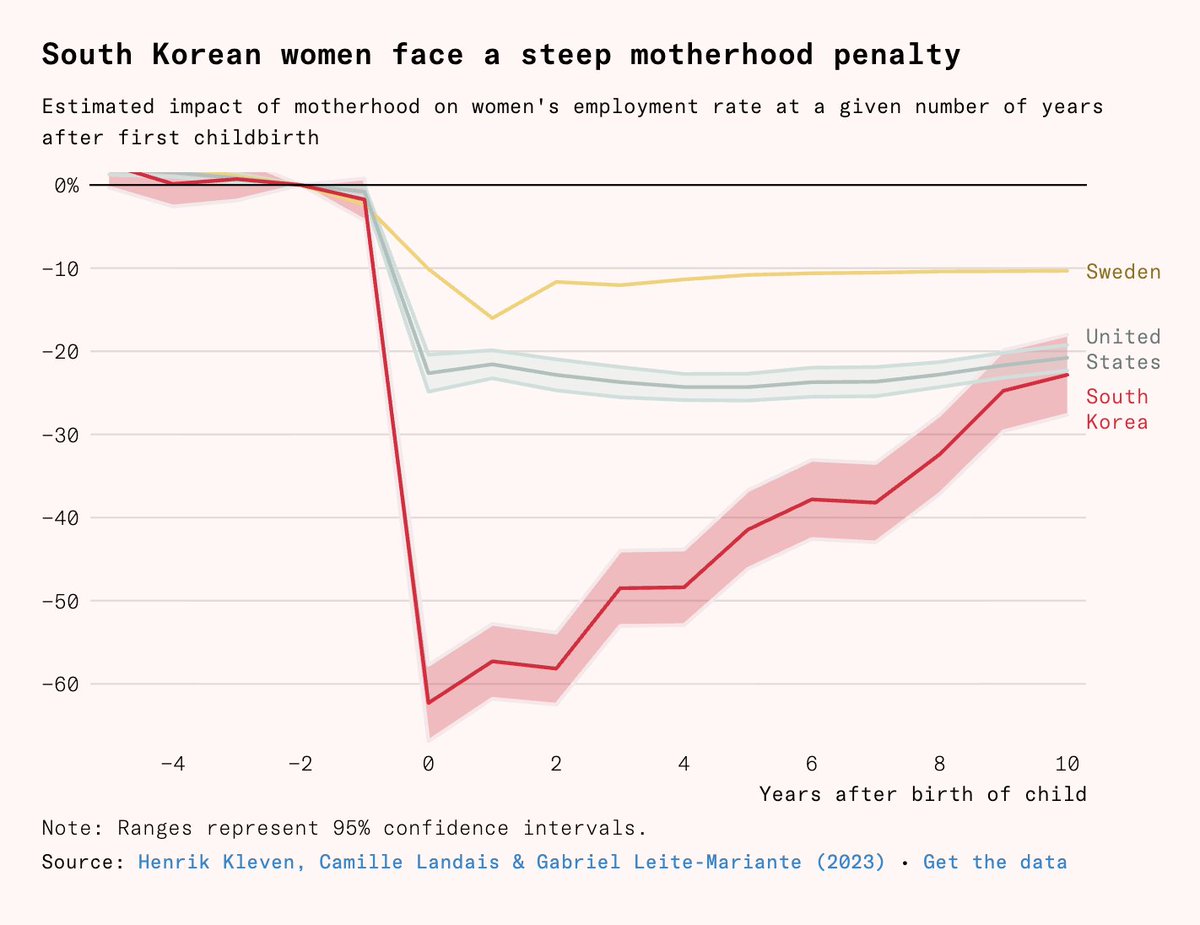
I came across something I wrote some years back, and I think it is relevant to the "Man or Bear?" conversation. So, a thread, but first some observations:
When a woman is in an abusive relationship, what's the first thing people say?
"Why doesn't she just leave?"