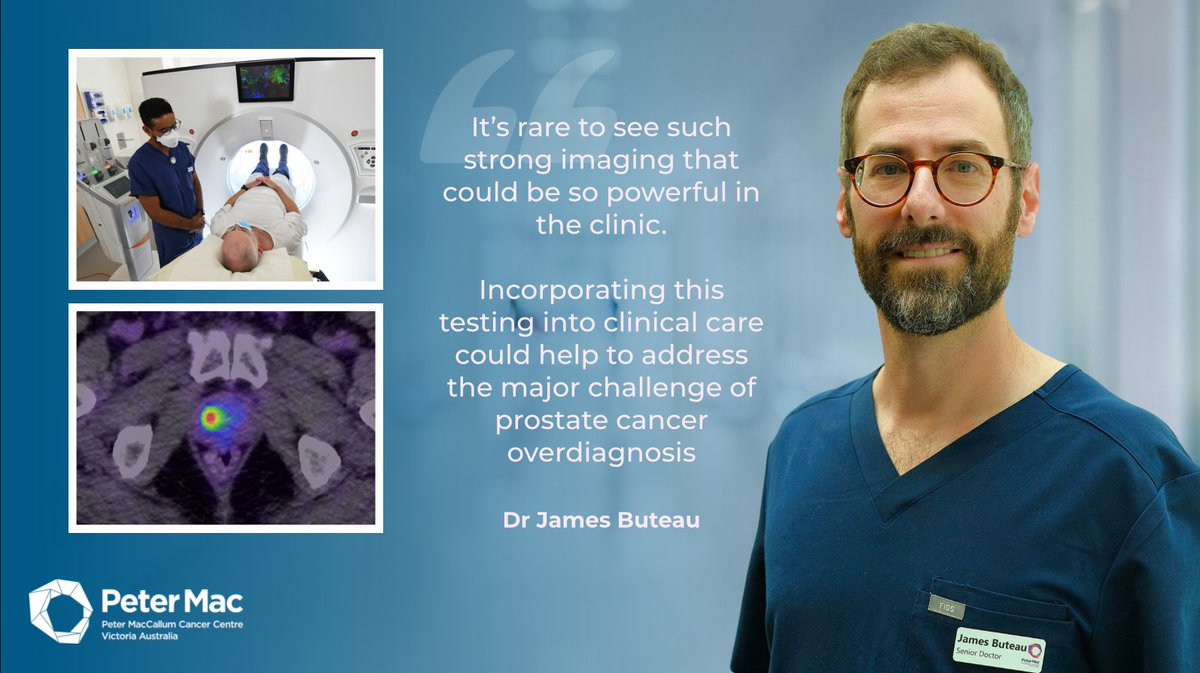
Thrilled to share #PRIMARY2 Trial Results. This is the first randomised trial to show that adding [⁶⁸Ga]Ga-PSMA-11 PET-CT to MRI can safely halve the number of men needing a prostate biopsy.
Hot off the press in @TheLancetOncol 🎉
In 660 men across Australian sites with PI-RADS 2-3 but high clinical risk, PSMA-PET:
- Avoided biopsy in nearly half (49%)
- Was non-inferior for detecting clinically significant cancer (12% vs 16%)
- Halved the overdiagnosis of insignificant cancer (32% to 14%)
Fewer biopsies, less overdiagnosis, whilst not missing clinically significant prostate cancer: a real step forward for the diagnostic pathway.
Enormous congratulations to @ButeauJames@PeterMacCC , who led this as the centrepiece of his PhD and presented it as a plenary at #EAU26 in London. And to my brilliant co-lead @drlouiseemmett - this was a true partnership across our two centres.
Thank you to the UROLOGISTS @DrDanielMoon@declangmurphy (& many others), nuclear medicine physicians, technologists, radiopharmaceutical scientists across every site, and to @AnnetteVDHeyden and the @pros_tic who held it all together.
We are grateful to our funders: @PCF_Science, @nhmrc, St Vincent's Curran Foundation, Peter MacCallum Cancer Foundation, and @ANZUPtrials
Most of all, thank you to the 660 men who took part.
Open Access article: https://t.co/S0c60VLPBM
A clinical trial co-led by Peter Mac has shown a way to reduce the need for invasive biopsies to check for prostate cancer.
It found PSMA PET/CT scanning could halve the number of people requiring a biopsy, without missing any harmful cancers.
More: https://t.co/MXB3n39KC5
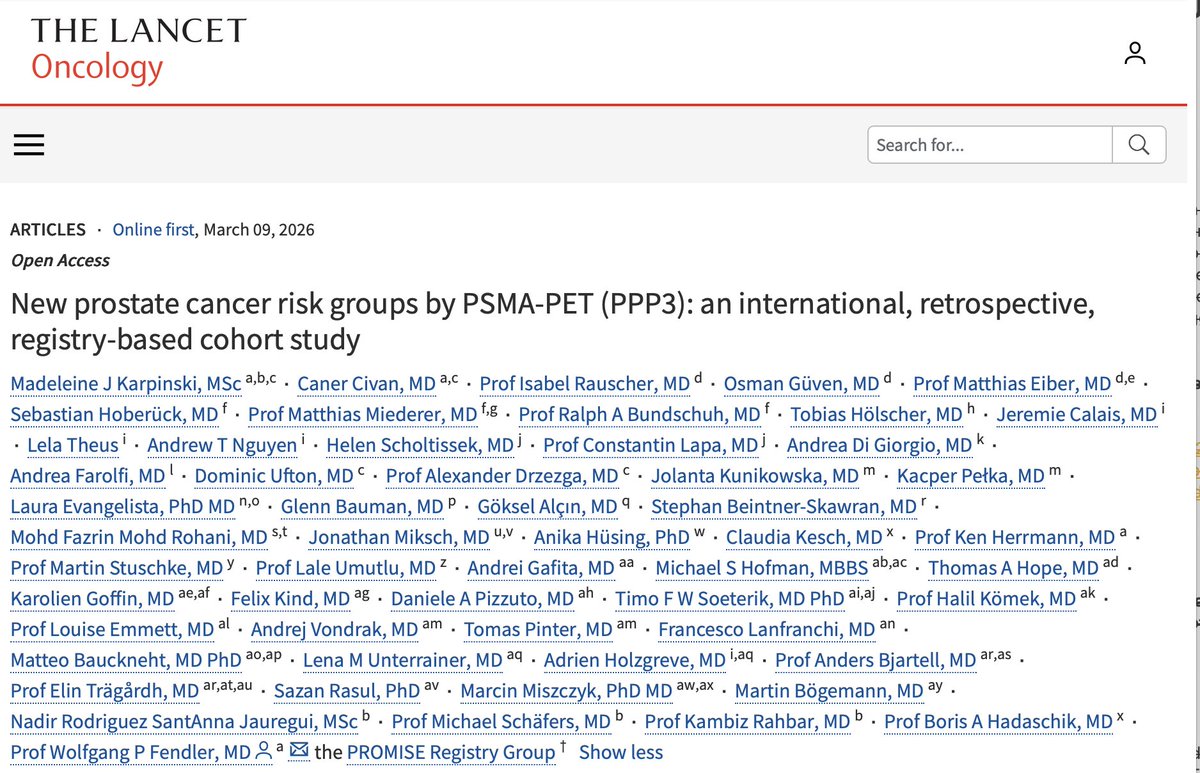
New prostate cancer risk groups by PSMA-PET (PPP3): an international, retrospective, registry-based cohort study
https://t.co/oA3mci76XD
In an international registry study of 11,154 patients, investigators developed PPP3 nomograms integrating clinical features and PSMA-PET PROMISE metrics to predict 3-, 5-, and 7-year overall survival in #ProstateCancer
Developed and validated across 35 global sites,
✅ Models demonstrated strong discrimination (C-index ~0.83–0.84).
✅PPP3 performed as well as or better than existing clinical risk scores, supporting PSMA-PET–based risk stratification for guidelines, clinical decision-making, and trial design.
@CalaisJeremie@DrMHofman@thomashopemd@drlouiseemmett@DrAGafita@ProfKHerrmann@ProfHadaschik@Dr_K_Rahbar@bjartell@OncoAlert 🚨
@silkegillessen@AOmlin@weoncologists
#EAU26
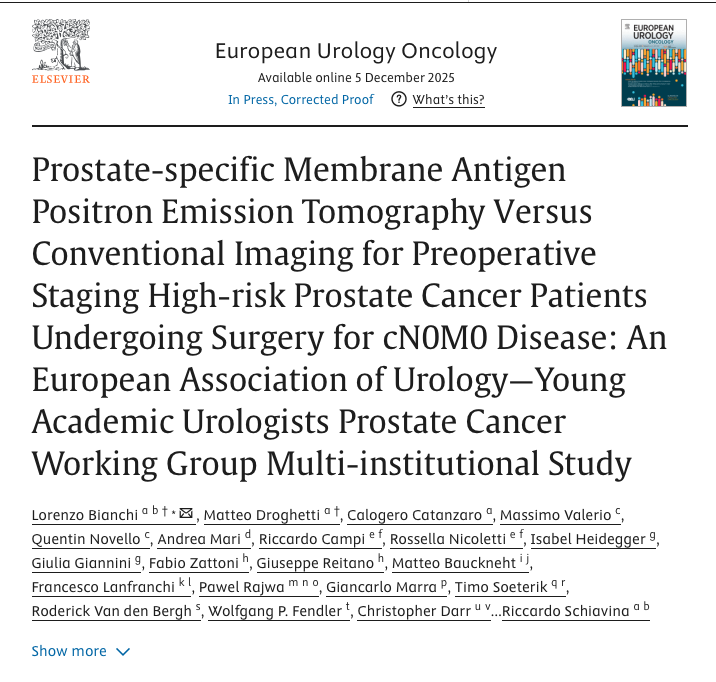
Prostate-specific Membrane Antigen Positron Emission Tomography Versus Conventional Imaging for Preoperative Staging High-risk Prostate Cancer Patients Undergoing Surgery for cN0M0 Disease: An European Association of Urology—Young Academic Urologists Prostate Cancer Working Group Multi-institutional Study
https://t.co/Oszxt1rdOJ
This multicenter retrospective study assessed whether modern PSMA-PET staging improves short-term outcomes compared with conventional imaging in 1475 high-risk prostate cancer patients treated with radical prostatectomy and extended lymph node dissection. After careful matching of baseline characteristics, patients staged with PSMA-PET had markedly lower rates of PSA persistence and significantly better 3-year biochemical recurrence–free survival than those staged conventionally. PSMA-PET was an independent predictor of reduced recurrence risk, and its use appeared to diminish outcome differences between patients with varying numbers of high-risk features.
Despite limitations inherent to retrospective design, the findings suggest that the superior accuracy of PSMA-PET staging may translate into improved early oncologic outcomes after surgery. #ProstateCancer
@Lorenzo26232839@drMDrog@andreamari08@Ric_Campi@NICOLETTIRosse1@Fabio_Zattoni@MBauckneht@flanfranchiMD@dr_rajwa@GMarra_MD@roodvdb@JGomezRivas@ClaudiaKesch@GGandaglia@FrancescoCeci13@andrea_farolfi@paolo_gontero@stefanofanti4@LoreMasieri@minerviniandre@Albert0Briganti@F_Montorsi@riccardoschiav6@OncoAlert 🚨
@silkegillessen@AOmlin@weoncologists
Just published—Cardiovascular diseases caused 1 in 3 deaths globally in 2023, with population growth, population aging, and increased exposure to modifiable risk factors driving burden around the world. Research published in @JACCJournals using GBD data→https://t.co/DjrpD1bHJ6
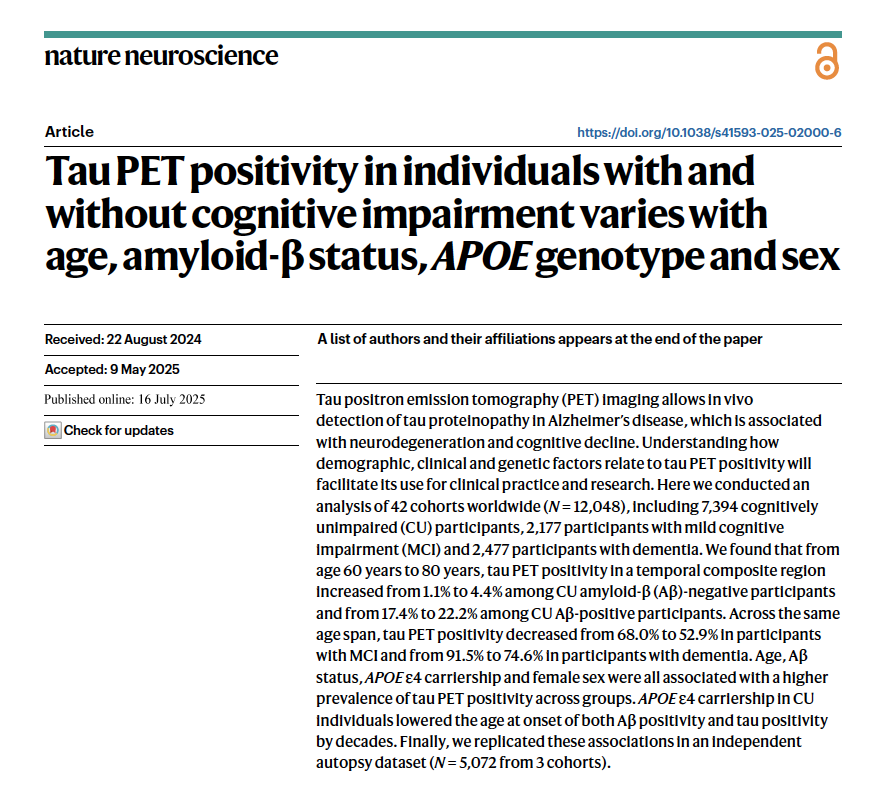
Pleased to be able to contribute to this huge international effort led by @RikOssenkoppele and colleagues @biofinder_study exploring tau PET in n=12,048 individuals *open access* paper here: https://t.co/IhgQ0meDN8
Incredible prognostic power of PSMA PET from the updated PROMISE large international registry (PPP2): 3 and 5-yr survival data. Superior to NCCN risk score.
Data across initial stage, biochemical recurrence, "non-metastatic" castration-resistant, mSPC, MCRPC !!
Just out in @Uroweb European Urology:
https://t.co/O8jCV5yHxg
Free software https://t.co/V99R6pHqgc
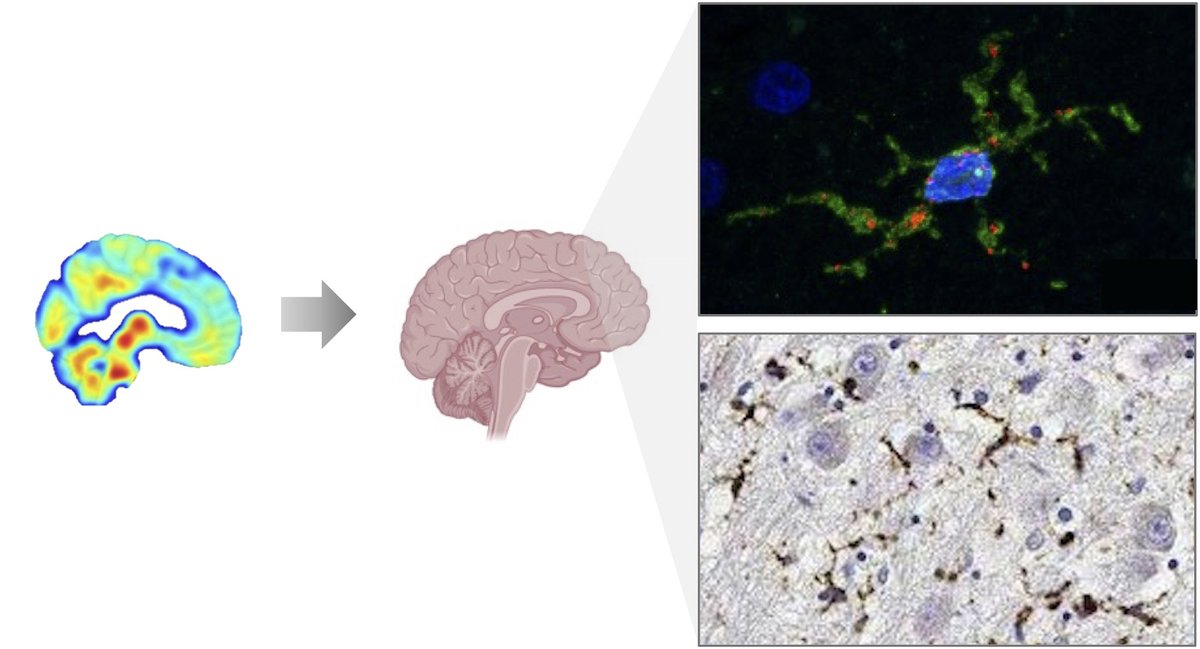
TSPO PET is used to measure inflammation in dementia, but its cellular basis is unclear. Using PET imaging and post-mortem brain tissue, Wijesinghe et al. show that microglia are the key immune cells driving TSPO PET signal changes. https://t.co/hDtbE5NjZr
LuCap parallel phase II RCT of Lu-177 DOTATATE + capecitabine vs. LuTate in G1/2 NETs just out in @JournalofNucMed
➔Adding low‑dose capecitabine didn’t improve outcomes
➔Most patients in the study were indolent (G1) tumors where this approach is least likely to be beneficial
https://t.co/aVCC4dvfy3
🤷♂️As a NET theranostician, 10-15 years ago I was a huge advocate for radiosensitising chemotherapy approaches (Lu-177 or Y-90 + CAP or CAPTEM). I then entered the realm of prostate cancer theranostics, collaborated more closely with medical oncology, co-operative trial groups, industry and became somewhat of a clinical trialist.
🎯Over time, I saw that extrapolating pre-clinical data and single-arm studies without a control arm produce can produce convincing stories but risk suboptimal, sometimes "delusional" evidence. These type of RCTs (and larger ones) are critical to inform patient care.
🔬@OncoThor I'm now also quite unconvinced and concerned about increased myelodysplasia with these approaches in NET. More work still needed for high-grade NETs.
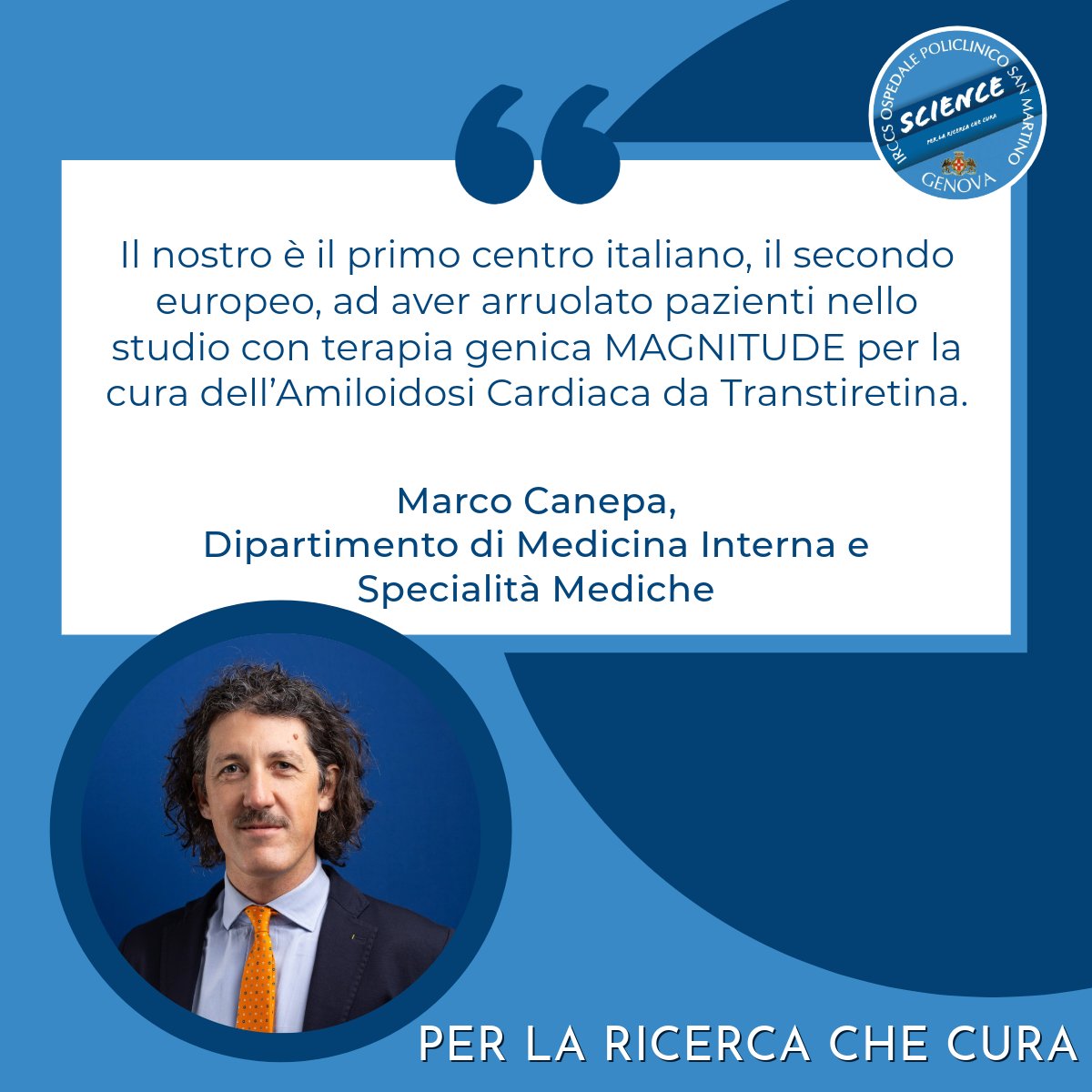
Al @SanMartino_Ge arruolato il primo paziente italiano, il secondo europeo, nello studio di fase 3 MAGNITUDE: progetto internazionale che studia l'efficacia di una terapia genica che potrebbe curare definitivamente l'Amiloidosi Cardiaca da Transtiretina.
https://t.co/iDWidJN9DC
The first drug for #Alzheimer’s disease has been approved in #Europe by the @EMA_News, such an important milestone in the treatment of #dementia! Now, it's necessary to continue working even harder to build on this progress, paving the way for a brighter future for our patients.
📢The CHMP recommends authorising a new treatment for early #AlzheimersDisease in the EU.
Leqembi is intended for treatment of mild dementia and cognitive impairment in a restricted patient population with a specific genetic make-up.
👉 https://t.co/0rUpn7K7ri
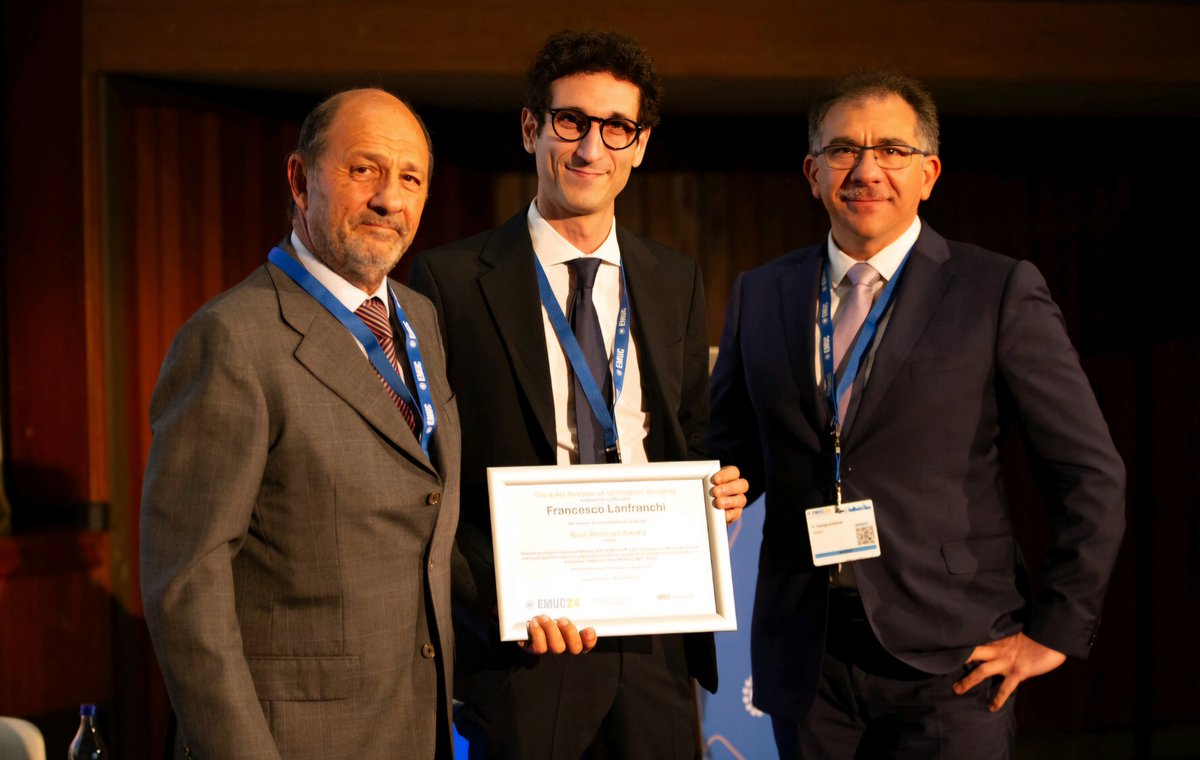
Many thanks to the @Uroweb for awarding our study as the Best Imaging Abstract at #EMUC24! Special thanks to the PRECISE-MDT Study (https://t.co/lVG5TfQmyt), to the @UniGenova, and to the Nuclear Medicine of @SanMartino_Ge! The presentation is available at https://t.co/mYBmHclcHB
A great Pleasure to Present our paper on Management of patients with Advanced #ProstateCancer : A Report from #APCCC24
LINK TO ARTICLE👇👇👇👇👇👇👇👇
https://t.co/QL8Kuyhxuj
The 2024 Advanced Prostate Cancer Consensus Conference (APCCC) highlights significant advances in prostate cancer management while underscoring areas where high-quality evidence is still lacking.
The conference gathered expert opinions on controversial clinical issues, particularly in advanced prostate cancer, offering guidance in cases where guidelines are unclear or conflicting.
The report emphasizes personalized treatment approaches, considering patient-specific factors and evolving clinical data, and stresses the importance of ongoing clinical trials to fill knowledge gaps. It provides a practical framework for physicians and patients to engage in shared decision-making, especially in complex cases of high-risk localized and locally advanced prostate cancer.
Our Thanks to all authors:
@Silke_Gillessen@fabioturco92@Prof_IanD@drjefstathiou
Karim Fizazi
@Prof_Nick_James
Neal Shore
Eric Small
Matthew Smith
@ChrisSweens1@BertrandTOMBAL@ZilliThomas@neerajaiims
Emmanuel S. Antonarakis
Ana Aparicio
Andrew J. Armstrong
Diogo Assed Bastos
Gerhardt Attard
Karol Axcrona
Mouna Ayadi
Himisha Beltran
@bjartell@PBlanchardMD@BourlonMaite@Albert0Briganti
Muhammad Bulbul
Consuelo Buttigliero
Orazio Caffo
@cdanicas@Ecastromarcos
Heather H. Cheng
Kim N. Chi
Caroline S. Clarke
Noel Clarke
Johann S. de Bono
@mdesantis234@nachoduranm@EfstathiouEleni
Onyeanunam N. Ekeke
Tamer I.H. El Nahas
@drlouiseemmett@stefanofanti4
Omolara A. Fatiregun
Felix Y. Feng
Peter C.C. Fong
@fontev1@Nicola_Fossati
Daniel J. George
@marty_gleave
Gwenaelle Gravis
Susan Halabi
Daniel Heinrich
@ProfKHerrmann@DrMHofman
Thomas A. Hope
Lisa G. Horvath
Maha H.A. Hussain
@BarbaraJereczek
Robert J. Jones
Anthony M. Joshua
@ravikanesvaran
Daniel Keizman
@FacsRaja
Gero Kramer
@LoebStacy
Brandon A. Mahal
Fernando C. Maluf 75 76,
@quimmateo
David Matheson 78,
Mika P. Matikainen 79,
Ray McDermott 80,
@DrRanaMcKay
Niven Mehra 82,
@amerseburger@CaPsurvivorship ,
Michael J. Morris 85,
Hind Mrabti 86,
Deborah Mukherji
@declangmurphy
Vedang Murthy
Shingai B.A. Mutambirwa
@DrPaulNguyen
William K. Oh
@piet_ost
Joe M. O’Sullivan
Anwar R. Padhani
Chris Parker
Darren M.C. Poon
Colin C. Pritchard
Danny M Rabah
Dana Rathkopf
Robert E. Reiter
Raphaele Renard-Penna
Charles J. Ryan
Fred Saad
Juan Pablo Sade
Shahneen Sandhu
Oliver A. Sartor
Edward Schaeffer
Howard I. Scher
Nima Sharifi
Iwona A. Skoneczna
Howard R. Soule
@DrSpratticus
Sandy Srinivas
@cnsternberg
Hiroyoshi Suzuki
Mary-Ellen Taplin
Camilla Thellenberg-Karlsson
Derya Tilki
Levent N. Türkeri
Hiroji Uemura
@DrYukselUrun
Claire L. Vale
Neha Vapiwala
Jochen Walz
Kosj Yamoah
Dingwei Ye
Evan Y. Yu
Almudena Zapatero
@AOmlin






![DrMHofman's tweet photo. Thrilled to share #PRIMARY2 Trial Results. This is the first randomised trial to show that adding [⁶⁸Ga]Ga-PSMA-11 PET-CT to MRI can safely halve the number of men needing a prostate biopsy.
Hot off the press in @TheLancetOncol 🎉
In 660 men across Australian sites with PI-RADS 2-3 but high clinical risk, PSMA-PET:
- Avoided biopsy in nearly half (49%)
- Was non-inferior for detecting clinically significant cancer (12% vs 16%)
- Halved the overdiagnosis of insignificant cancer (32% to 14%)
Fewer biopsies, less overdiagnosis, whilst not missing clinically significant prostate cancer: a real step forward for the diagnostic pathway.
Enormous congratulations to @ButeauJames @PeterMacCC , who led this as the centrepiece of his PhD and presented it as a plenary at #EAU26 in London. And to my brilliant co-lead @drlouiseemmett - this was a true partnership across our two centres.
Thank you to the UROLOGISTS @DrDanielMoon @declangmurphy (& many others), nuclear medicine physicians, technologists, radiopharmaceutical scientists across every site, and to @AnnetteVDHeyden and the @pros_tic who held it all together.
We are grateful to our funders: @PCF_Science, @nhmrc, St Vincent's Curran Foundation, Peter MacCallum Cancer Foundation, and @ANZUPtrials
Most of all, thank you to the 660 men who took part.
Open Access article: https://t.co/S0c60VLPBM](https://pbs.twimg.com/media/HKfTz0oWkAAqe31.jpg)