This new tirzepatide study is eye-opening.
120 adults took the drug for 40 weeks, and half of them also lifted weights 3x a week. Both groups lost about 50 lbs.
But when they tested strength, the two groups looked nothing alike.
Here's the breakdown: (1/11)
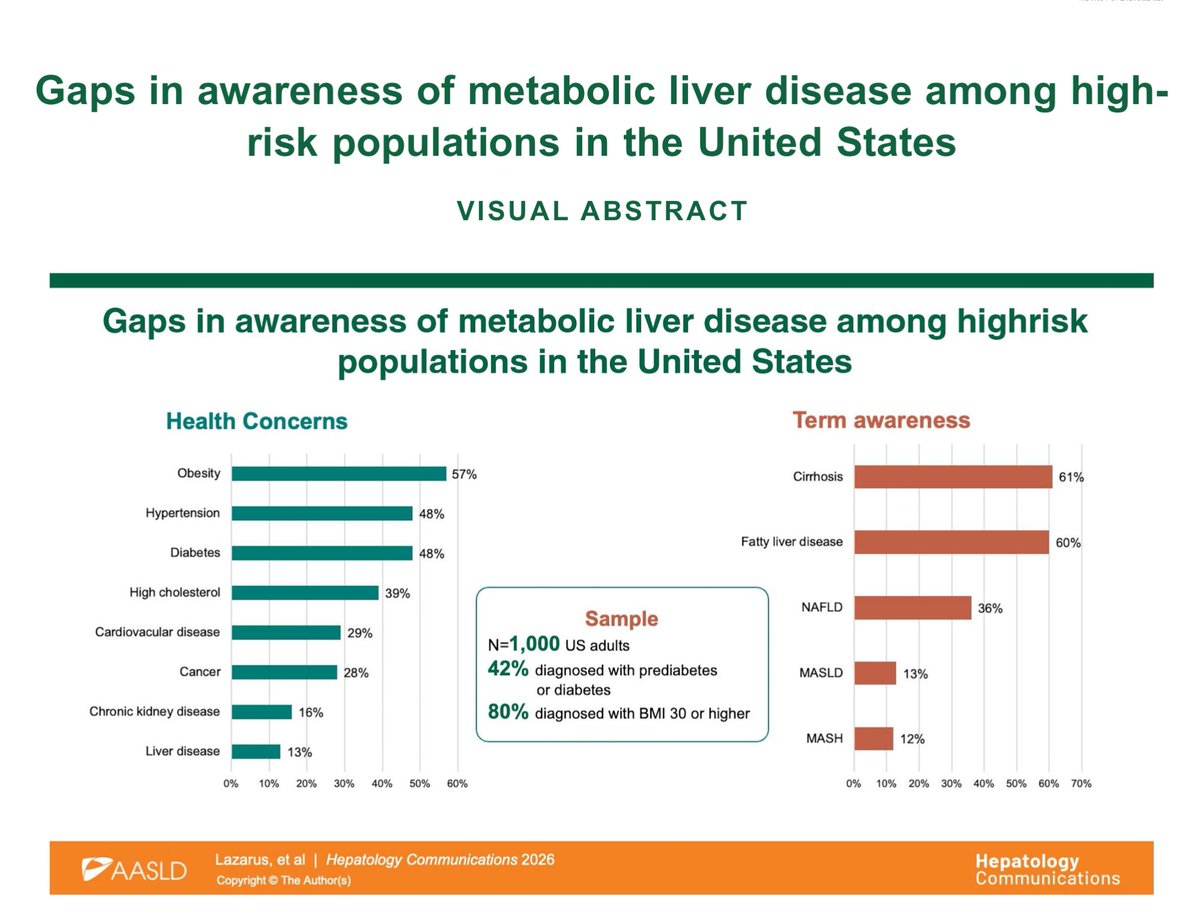
Obesity and diabetes were major health concerns among participants, yet only 13% expressed concern about liver disease. Pleased to share our findings highlighting this gap between metabolic risk and liver health awareness. Helping patients understand how obesity, diabetes, and MASLD are connected is an important part of bringing liver health into routine care. #MASLD #MASH #LiverHealth
https://t.co/DovNHu89ly
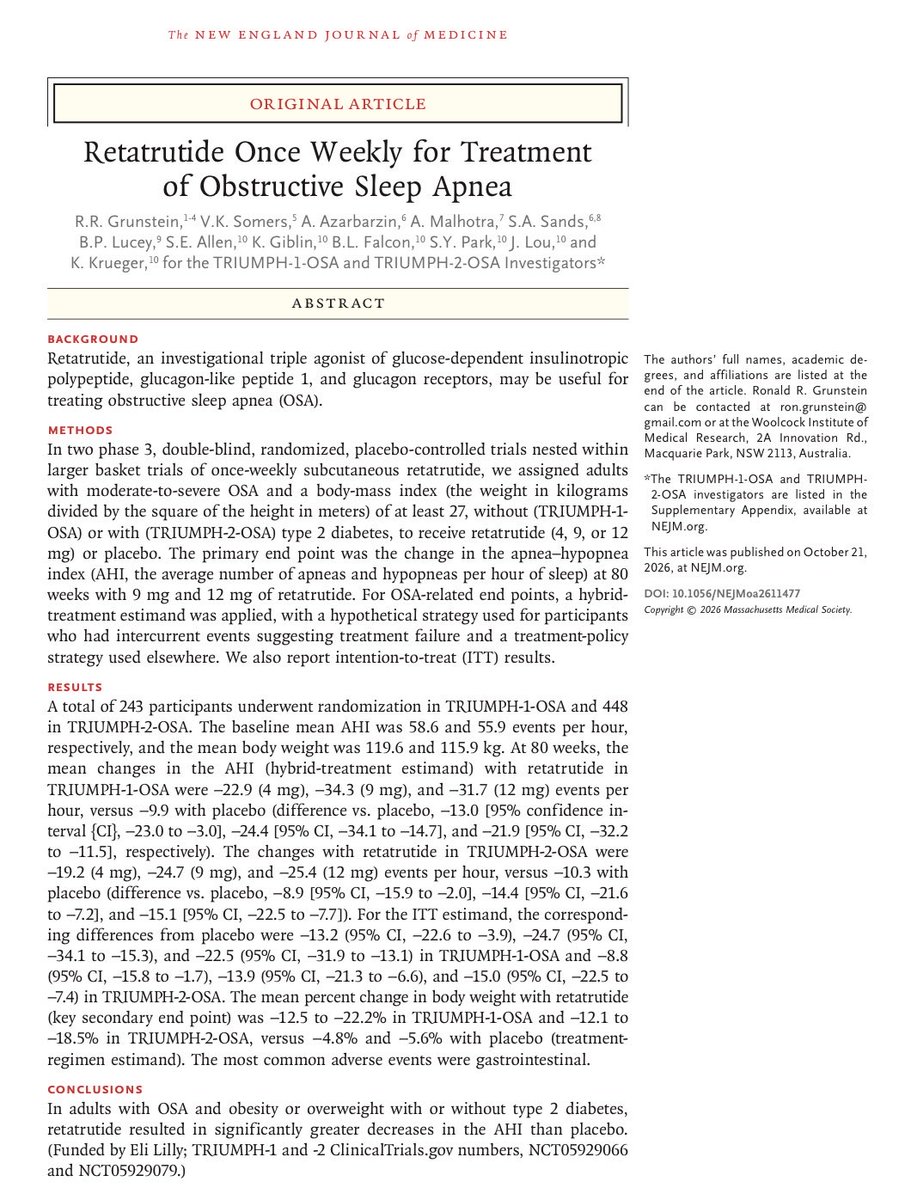
Phase 3 results from #retatrutide in TRIUMPH-1-OSA and TRIUMPH-2-OSA demonstrate significant reductions in #OSA, with AHI reductions of up to 34.3 events/hour and weight loss of up to 22.2% in patients without diabetes and 18.5% in those with type 2 diabetes.
https://t.co/nxKYlTXhWQ
Can exercise lower your risk of AF?
Exercise-based cardiac rehabilitation for atrial fibrillation: Cochrane systematic review, meta-analysis, meta-regression and trial sequential analysis - New paper and podcast.
Professor James Rudd (@jhfrudd) chats with Dr Ben Buckley (@BuckleyBenjamin) from John Moores University. They discuss his Cochrane systematic review on the use of cardiac rehabilitation in patients with atrial fibrillation, and whether it might lead to a change in the guidelines.
Paper: https://t.co/QhVVvh4Pwu
Spotify: https://t.co/HDJoFPZMoo
Apple Podcasts: https://t.co/0QFIRPheQh
Amazon Podcasts: https://t.co/bj9e65kJa8
@BJSM_BMJ
https://t.co/4t9A3HiUDl
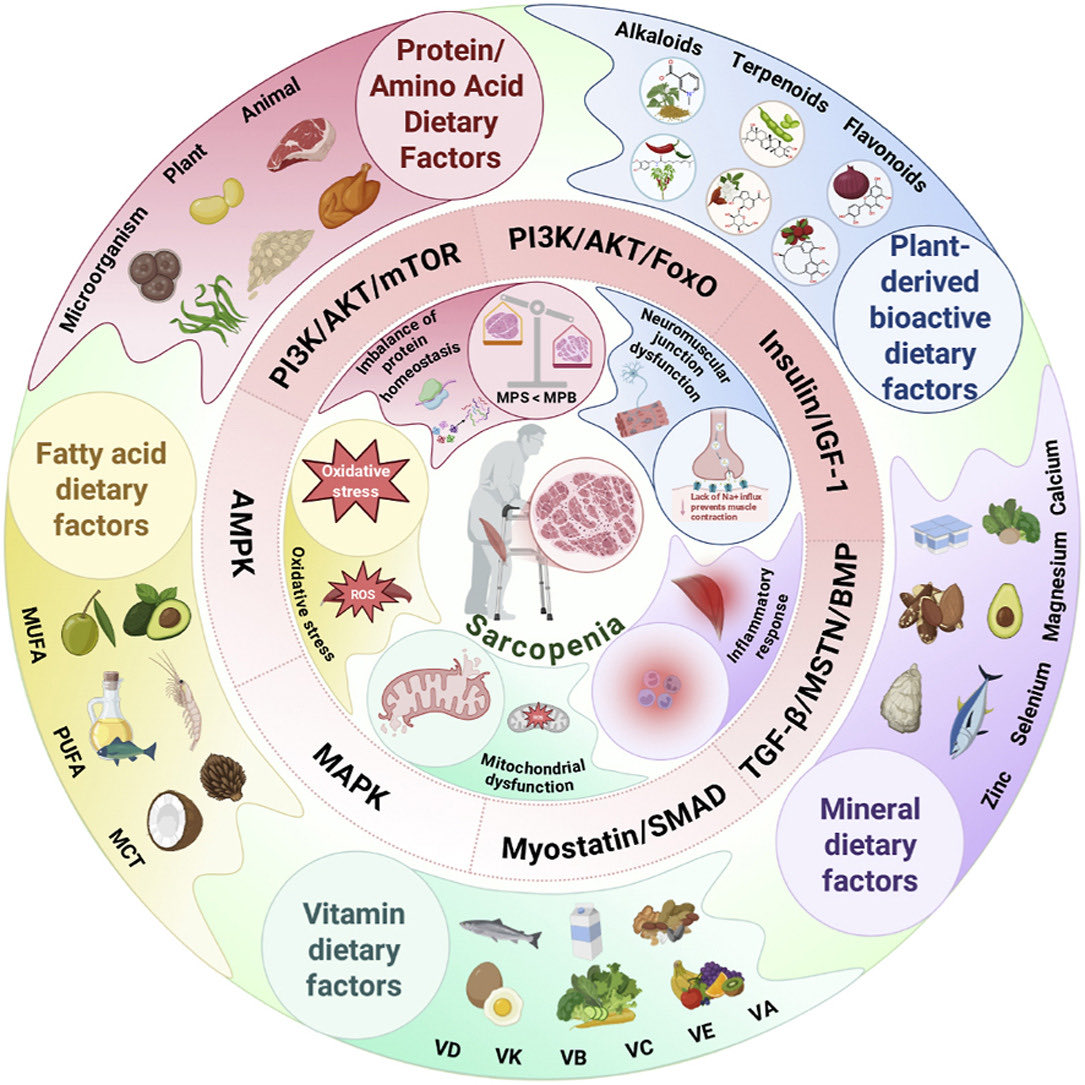
Nutritional strategies for combating sarcopenia: The metabolic regulatory activities and molecular mechanisms of multi-component dietary factors
https://t.co/Xnbh8WdUQ2
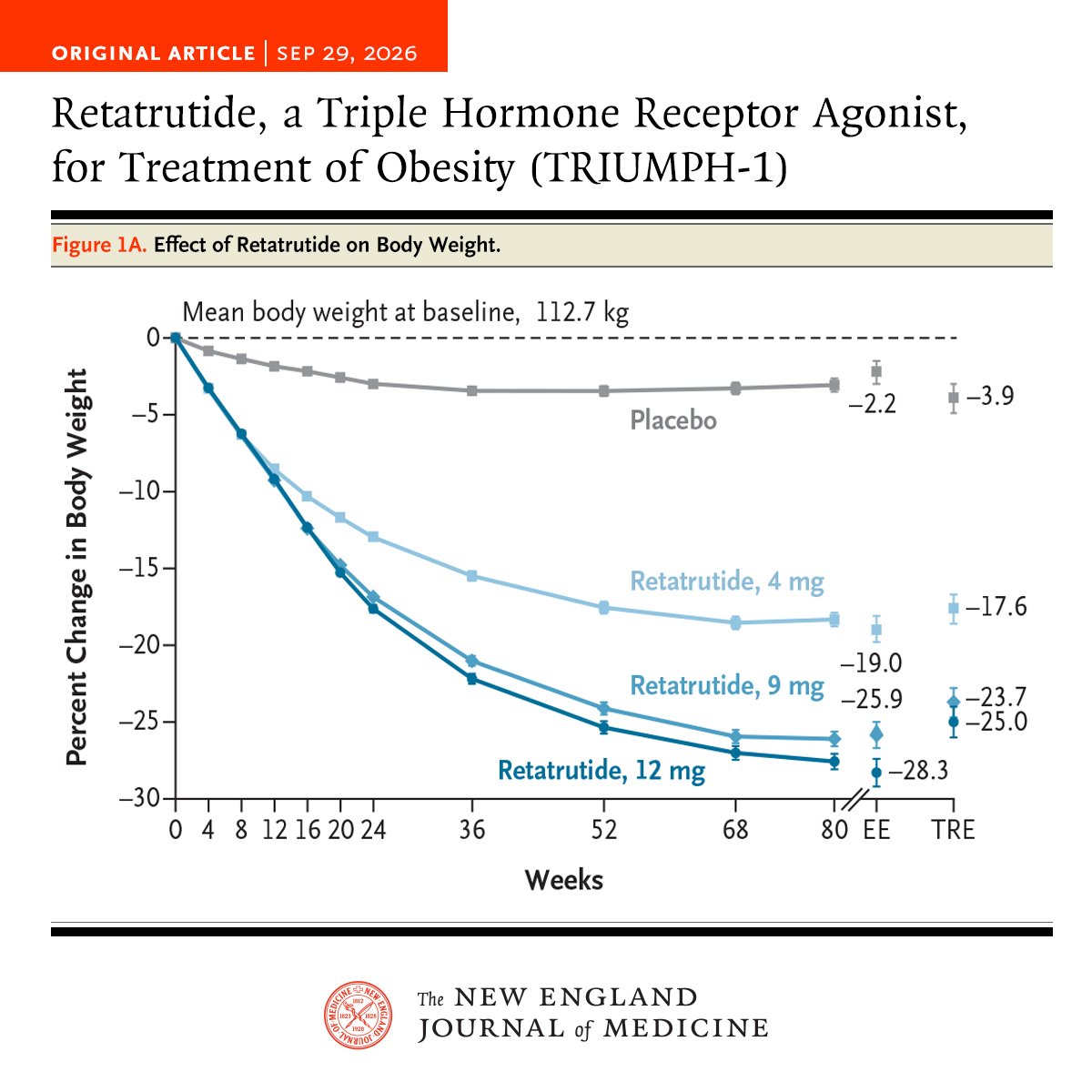
In the phase 3 TRIUMPH-1 trial involving patients with obesity, retatrutide, a triple hormone receptor agonist, resulted in substantial weight reduction and a decrease in knee osteoarthritis pain and obstructive sleep apnea events. Full trial results: https://t.co/kzuY57bUTX
ADA releases 2026 standards to guide obesity screening, diagnosis, evaluation, and staging
Open Access
https://t.co/4hQHjo88dw
#Nutrition#guideline#Obesity#meded
Type 2 diabetes subtypes for precision medicine? New narrative review on methodological challenges and alternative prediction-based approaches #T2D#Subtypes#PrecisionMedicine https://t.co/L6hKUODFF3 🔓
Morning coffee drinkers had lower death rates than people who drank the same amount all day long. The variable that separated them was not how much coffee, but when.
Compared with non-coffee drinkers, the morning-type pattern was associated with a 16 percent lower risk of death from any cause and a 31 percent lower risk of cardiovascular death. The all-day-type pattern showed no significant association with lower mortality on either measure. Crucially, this held after adjusting for how much coffee people drank, caffeinated and decaffeinated, along with sleep duration and other confounders.
The more-is-better relationship the coffee literature has reported for years may be, in part, a morning-drinker phenomenon that gets averaged across everyone and credited to coffee in general.
More interestingly, a double-blind, placebo-controlled study found that evening caffeine actively delayed the human circadian melatonin rhythm, shifting the body clock itself rather than just disrupting a night of sleep.
The central finding is observational. It is a strong reason to be curious about when you drink your coffee. It is not yet proof that the clock is doing the work.
Wang et al., Eur Heart J 2025 · Burke et al., Sci Transl Med 2016
Trending at https://t.co/BcpXh7jUvP: A recent study of more than 3,500 pregnancies found that continuing GLP-1 receptor agonists during the first trimester was not associated with a substantially increased risk for pregnancy loss, abnormal fetal growth, or major birth defects. The findings offer some reassurance following unintentional early pregnancy exposure to #GLP1 receptor agonists, though further research is needed. https://t.co/v6Cl3YlZNC
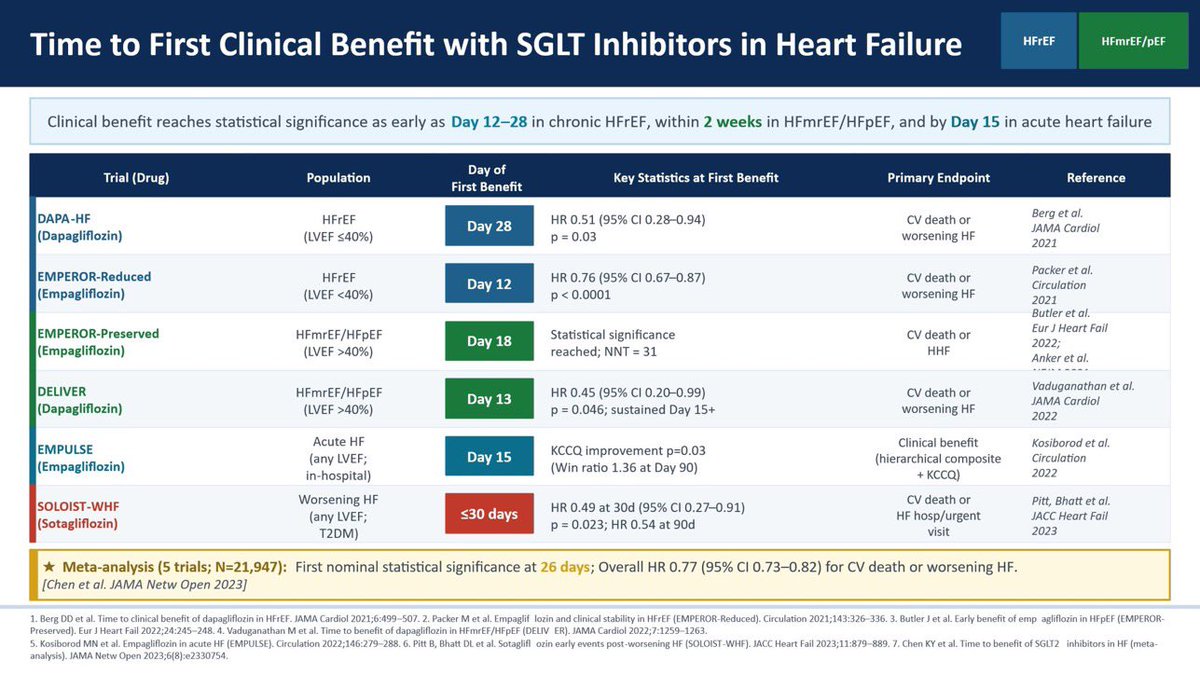
SGLT2 inhibitors work fast in heart failure
🔵 DAPA-HF (HFrEF): Day 28
🔵 EMPEROR-Reduced (HFrEF): Day 12
🟢 EMPEROR-Preserved (HFmrEF/HFpEF): Day 18
🟢 DELIVER (HFmrEF/HFpEF): Day 13
🟢 EMPULSE (Acute HF): Day 15
🔴 SOLOIST-WHF (Worsening HF): ≤30 days
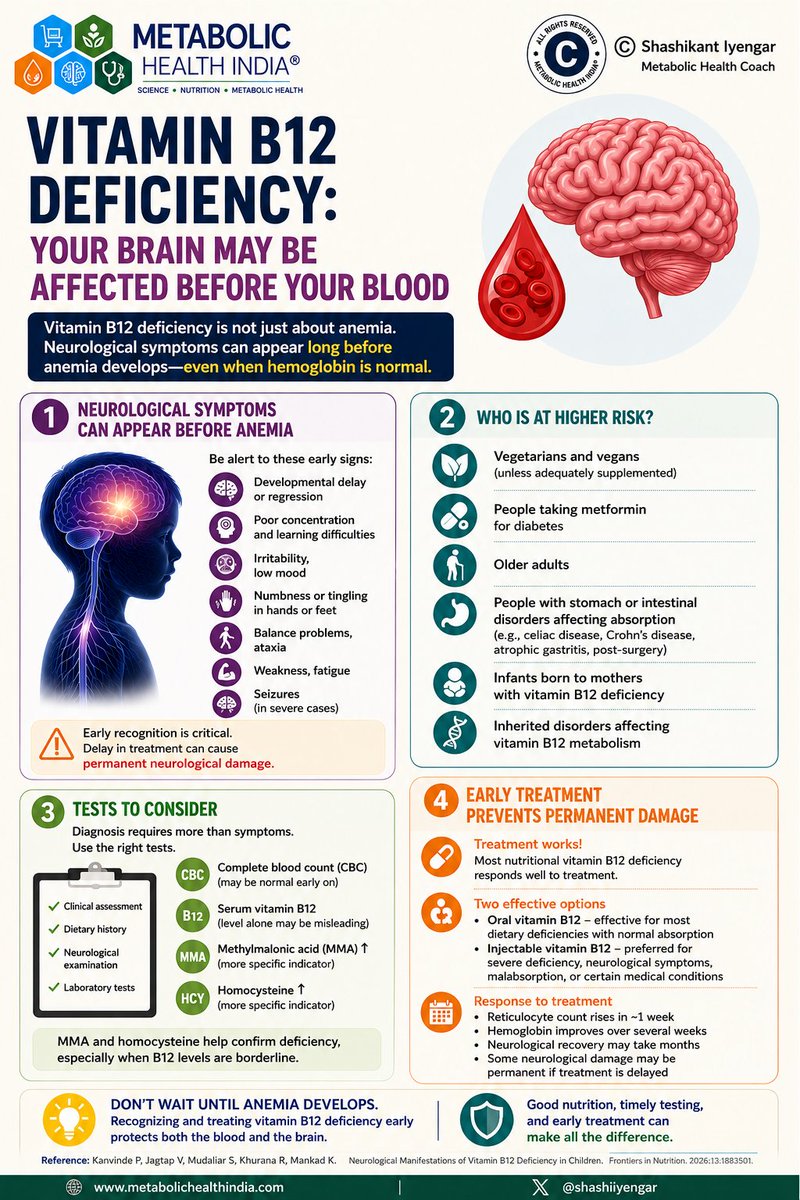
VITAMIN B12 DEFICIENCY
Bookmark & Share Widely.
Your Brain May Be Affected Before Your Blood
Neurological symptoms can appear before anemia:
1) Numbness & tingling
2) Poor memory & concentration
3) Balance problems
4)Weakness
5) Irritability
Who is at higher risk?
1) Vegetarians & vegans
2) People taking metformin
3) Older adults
4) Gut disorders affecting absorption
5) Infants of B12-deficient mothers
(Those who consume mostly junk foods are also likely to have low B12)
Don't rely on hemoglobin alone:
1) Serum Vitamin B12
2) CBC
3) MMA*
4) Homocysteine*
*Useful when B12 levels are borderline.
Treatment:
1) Oral B12 works for most dietary deficiency.
2) Injectable B12 for severe deficiency, neurological symptoms or malabsorption.
3) Early diagnosis can prevent permanent neurological damage.
Reference: Frontiers in Nutrition (2026)
https://t.co/feffVx2e02
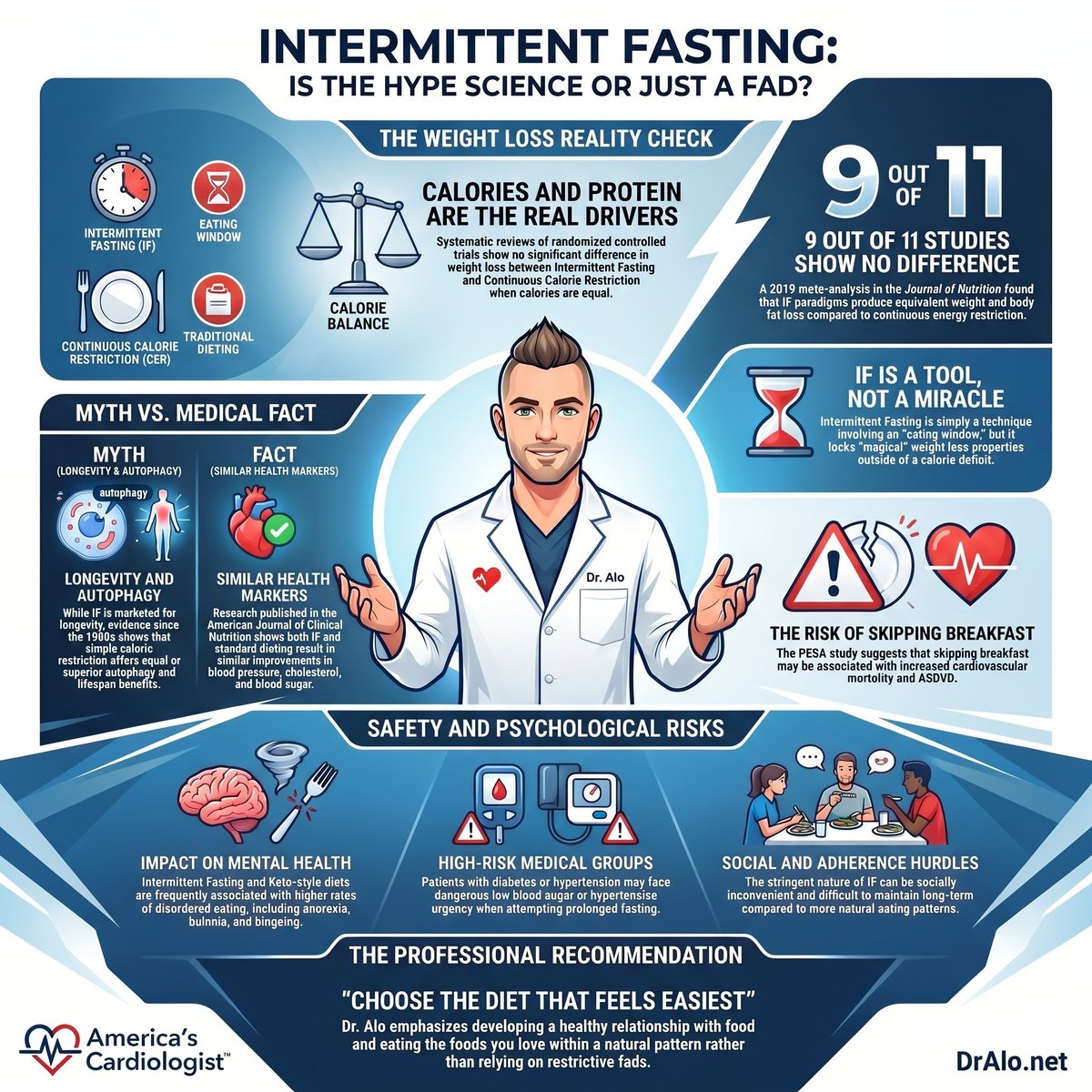
🚨 Intermittent fasting is not a universal health hack.
The wellness world built an empire selling you the 16:8 eating window. Skip breakfast, shrink your feeding window, watch the weight melt off, live forever.
But the data says otherwise.
A 2024 American Heart Association study found that people following a 16:8 intermittent fasting schedule had a 91% higher risk of cardiovascular death compared to people eating across a normal time window.
91%. That is not a rounding error. That is a signal you cannot ignore.
💓 Here is what the science actually says.
The cardiovascular risk finding came from observational data tracking over 20,000 adults. People who compressed their eating into 8 hours or fewer showed dramatically worse cardiovascular outcomes. And no, they were not just older or sicker at baseline. The researchers controlled for existing conditions.
🔬 The mechanisms matter here.
Prolonged fasting windows activate cortisol. Cortisol is inflammatory. Chronic low-grade inflammation accelerates atherosclerosis. Restricting your eating window without controlling what goes inside it also does nothing for LDL, ApoB, or lipoprotein(a). The three markers that actually kill you at the arterial level.
🫀 There are 7 categories of people who should think carefully before fasting.
People with existing cardiovascular disease. People with a history of eating disorders. People on insulin or sulfonylureas who face real hypoglycemia risk. People who are pregnant or breastfeeding. People who are underweight or sarcopenic. People over 65 with muscle mass concerns. People with adrenal dysfunction or chronic stress physiology.
If you fall into any of those categories and your wellness influencer told you to fast, that influencer is not your cardiologist.
⚠️ The deeper problem.
Intermittent fasting became a religion before the long-term cardiovascular data existed. People adopted it based on short-term weight loss and insulin sensitivity studies measured in weeks, not years. The 2024 AHA data tracks outcomes across years. That is the study that actually tells you what happens to your heart.
🩺 I am a cardiologist.
I have patients who came to me after doing everything right by wellness standards. Fasting 16 hours daily. Eating clean. No smoking. Still progressing atherosclerosis. Still elevated ApoB. Still at risk.
A patient who fasts aggressively, loses muscle mass, raises cortisol chronically, and never addresses their lipid numbers can accelerate cardiovascular disease while believing they are preventing it. That is the difference between feeling healthy and being healthy.
❌ Fasting is not a substitute for lipid management.
❌ Fasting is not a substitute for blood pressure control.
❌ Fasting is not a substitute for knowing your ApoB, your Lp(a), and your inflammatory markers.
The tools with the strongest cardiovascular data are not trending on social media. They require lab work, honest conversations with your physician, and sometimes medication.
❤️ Bottom line:
Intermittent fasting is not inherently dangerous for everyone. But a 91% increase in cardiovascular death risk in a study of over 20,000 people is not something you dismiss because it conflicts with your morning routine.
The question is no longer whether fasting helps you lose weight short-term. The question is what it does to your heart over a decade.
Know your numbers. Know your risk. Do not let a wellness trend substitute for actual cardiology.
Are you still fasting without knowing your ApoB?
#Cardiology #HeartDisease #HeartHealth #CardiovascularHealth #IntermittentFasting #FastingRisks #ApoB #MetabolicHealth #PreventiveCardiology #LifestyleMedicine
🚨 Obicetrapib gets a positive CHMP opinion 🎉
@EMA_News
👉 A new lipid⤵️ 🔧
Oral once-daily CETP inhibitor:
🟢 LDL-C ↓33% (↓49% + ezetimibe)
🟢 Lp(a), ApoB & non-HDL all ↓
⚠️ No CVOT yet, so lipid-lowering only 'til PREVAIL. A 4th-line option to hit targets?
#CKM #CVRM
🔗https://t.co/3HBZKpyjhB
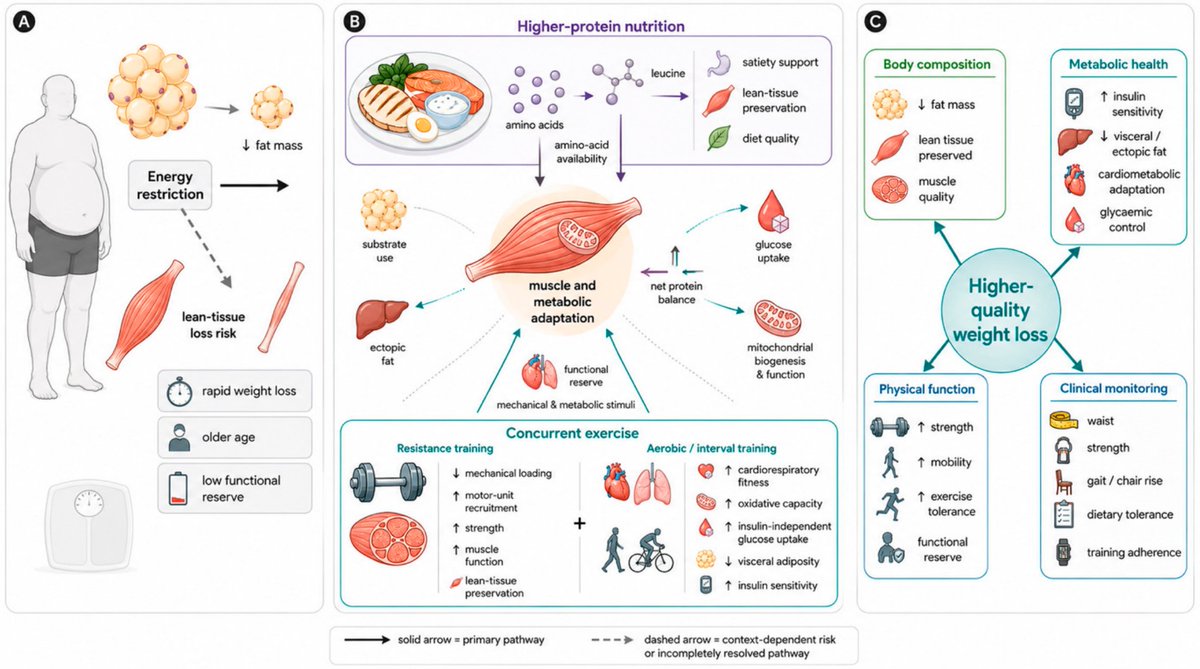
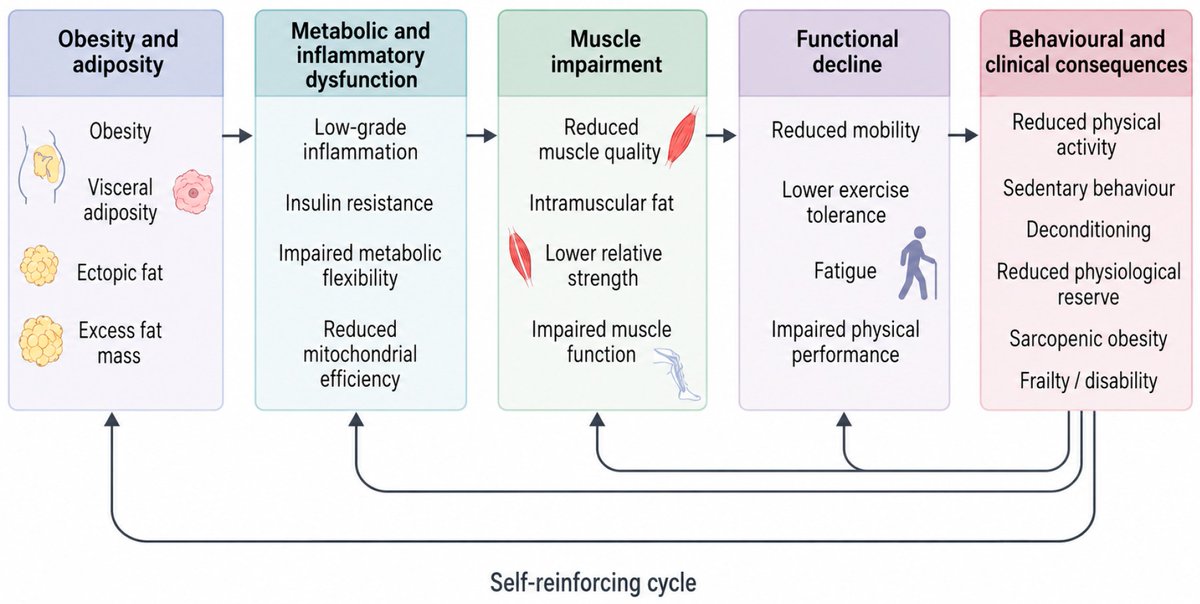
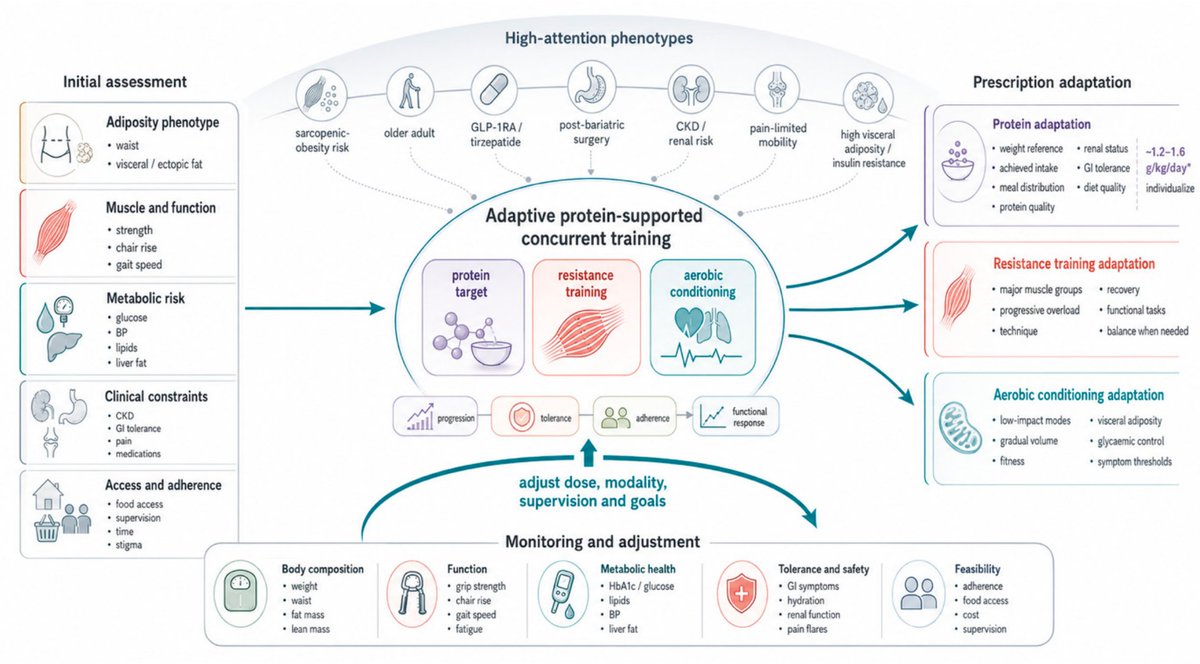
OBESITY TREATMENT: PROTEIN INTAKE AN EXERCISE TRAINING
Therapeutic approach to Body Composition, Metabolic Health, and Physical Function
https://t.co/uiP64tK3be