Inspired to get creative with my poster for @ictmc2024 this week! I shared my work on bayesian generalised linear mixed models to optimise treatment dosage in early phase trials using Patient-reported Outcomes. #ICTMC2024#clinicaltrials
Come see my poster #2518 on Wed & Thurs about modeling brain responses of sustained pleasure and pain dynamically changing over time! Working with @choongwanwoo@torwager#OHBM2024
#OHBM2024 🧠🇰🇷
Come to my poster #2519 on Wed/Thurs (June 26-27) about a personalized pain biomarker using densely-sampled fMRI data from one individual🙋🏻♂️ (@choongwanwoo) and its comparison to a population-level model (N=124).
@sungwoo320
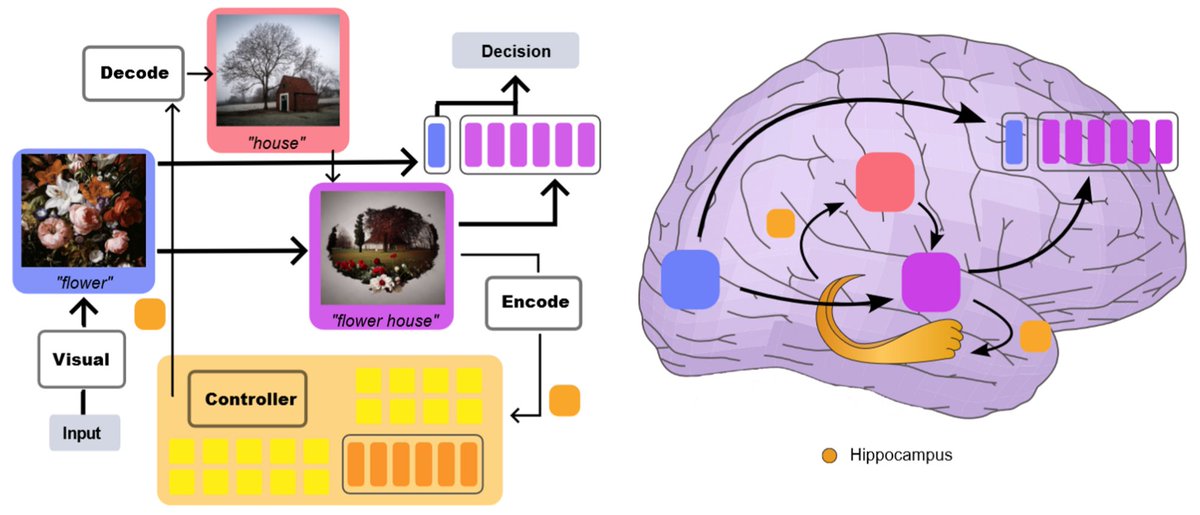
0/. Brain is not ViT. we scored 70.8 in the Algonauts 2023 visual brain competition, w/o ensemble we can do 66.8 score. other teams (including me in the past) are struggling with 60.
“memory” is the secret.
paper: https://t.co/v8BXs25oz1
code&webpage: https://t.co/Pd31thAzDA
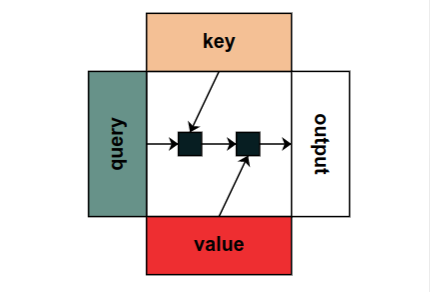
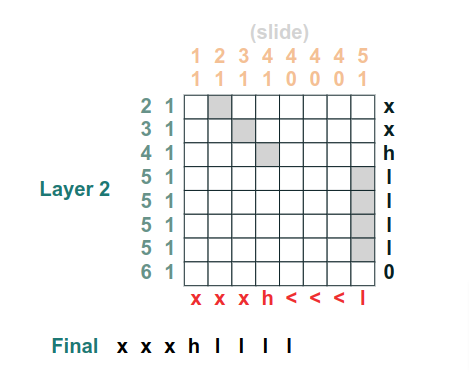
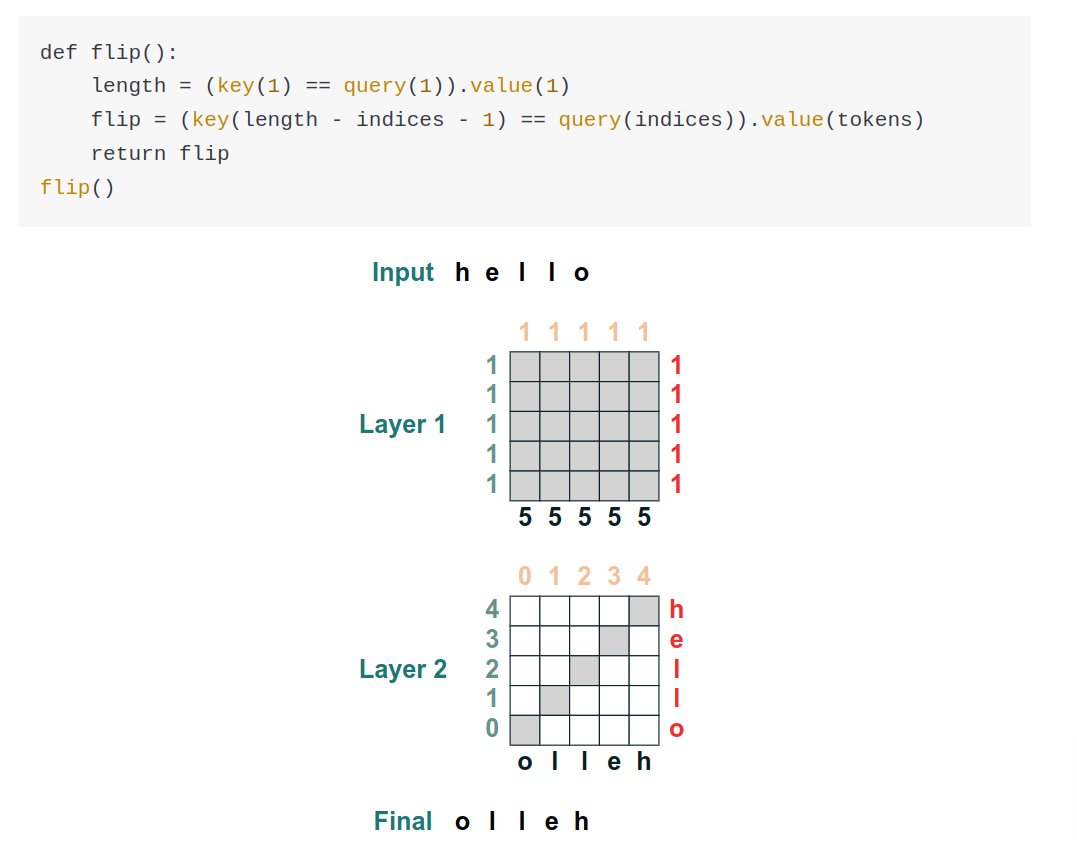
Blog Post (w/ @gail_w): On "Thinking Like Transformers"
In which, I get a bit obsessed with learning how to code in Transformer lang🤖.
https://t.co/Nb6G52vuiK
(You can follow along or do the exercises yourself in a colab notebook.)
A new preprint from our lab on the brain representations and dynamics of spontaneous thought using a free association-based thought sampling task https://t.co/F4hXQ5lQJi
Excited to share this work from @AmandaLeBel3 on a detailed breakdown of language representations in the cerebellum! Take-away 1: it represents language! But data are consistent with cerebellum ONLY representing the HIGHEST-LEVEL, MOST CONCEPTUAL aspects of language.
Excited to announce that our recent work is finally out in @NatureMedicine, with @choongwanwoo, @torwager, @HongjiKim, @martaceko, @BoyongPark1, @SooahnLee, Hyunjin Park, Mathieu Roy, and Seong-Gi Kim!
https://t.co/rRY8OGGWXq
Thanks to all co-authors for their contributions.
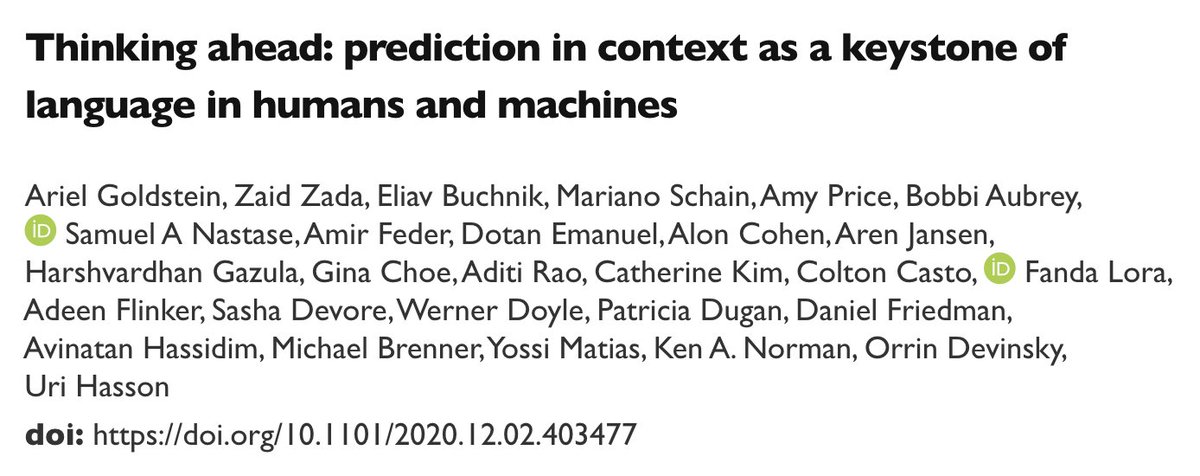
New preprint from the Hasson Lab with @ArielYGoldstein and many collaborators at NYU and Google Research showing deep connections between the way the human brain and deep language models like GPT2 process language in natural settings: https://t.co/GtmgzGsi7n
Language processing in brains and deep networks: computational convergence and its limits.
Check out our latest preprint: https://t.co/HBVkNVtxUl, by @c_caucheteux and I
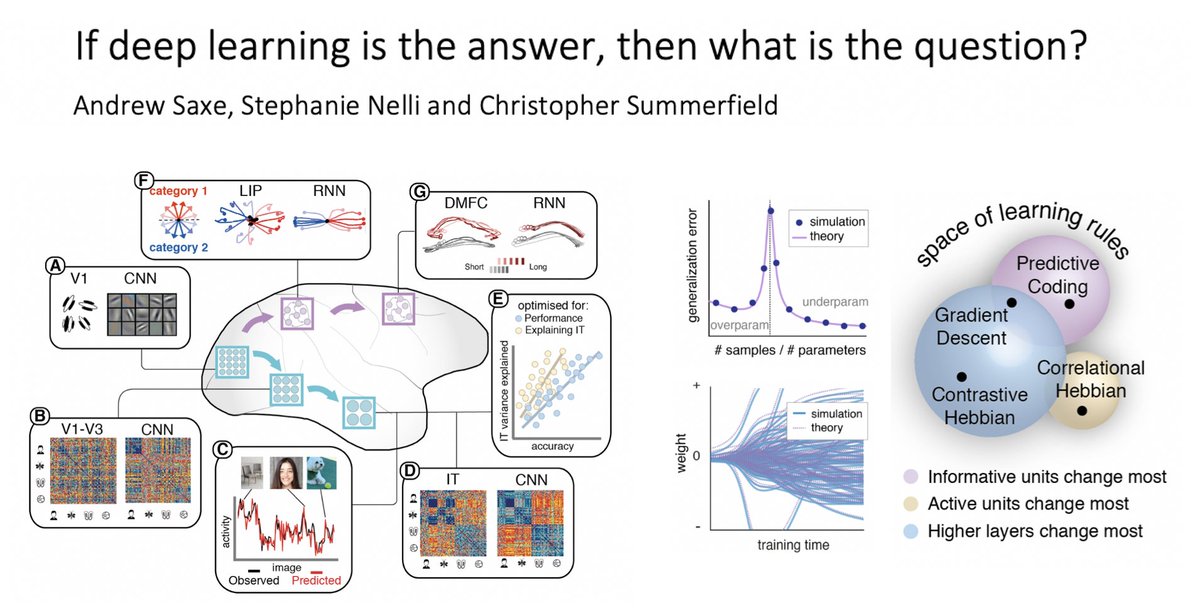
Neuroscientists are turning to deep networks as computational theories for biology. But can they be used to make falsfiable predictions about neural representation, dynamics, behavior, and cognition? Answers in a new review with @SaxeLab@steph_nelli
https://t.co/DBvcCIcQn1
Announcing XTREME, a new #NaturalLanguageProcessing benchmark for cross-lingual generalization, which covers 40 typologically diverse languages using nine tasks that collectively require reasoning about different levels of syntax or semantics. Learn more ↓https://t.co/F7pgTQdbuo
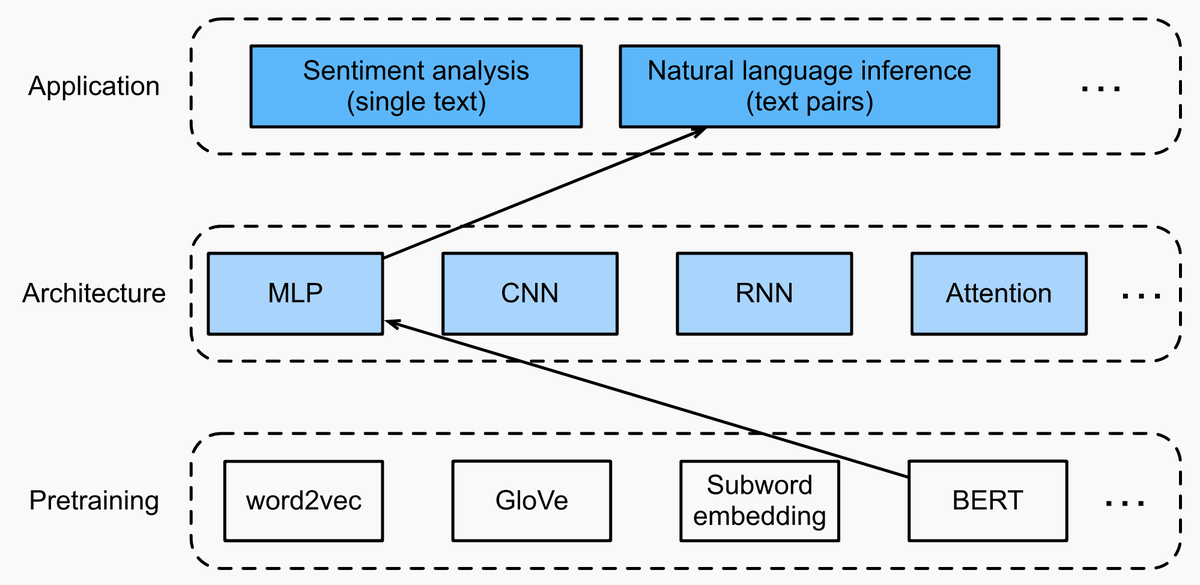
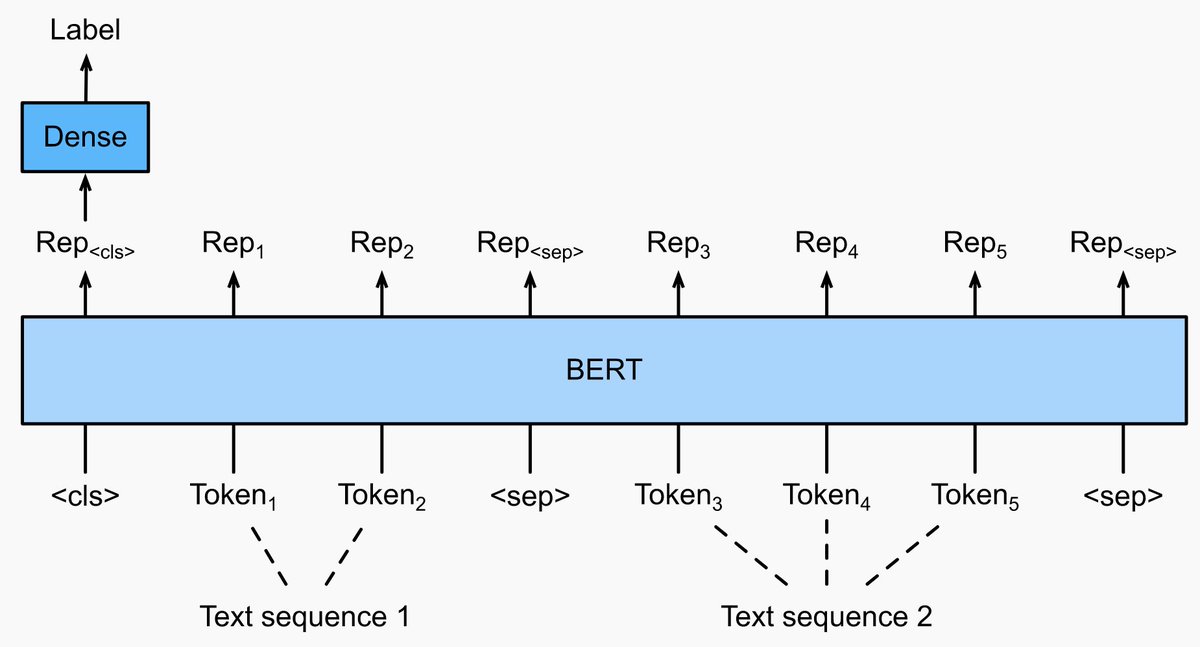
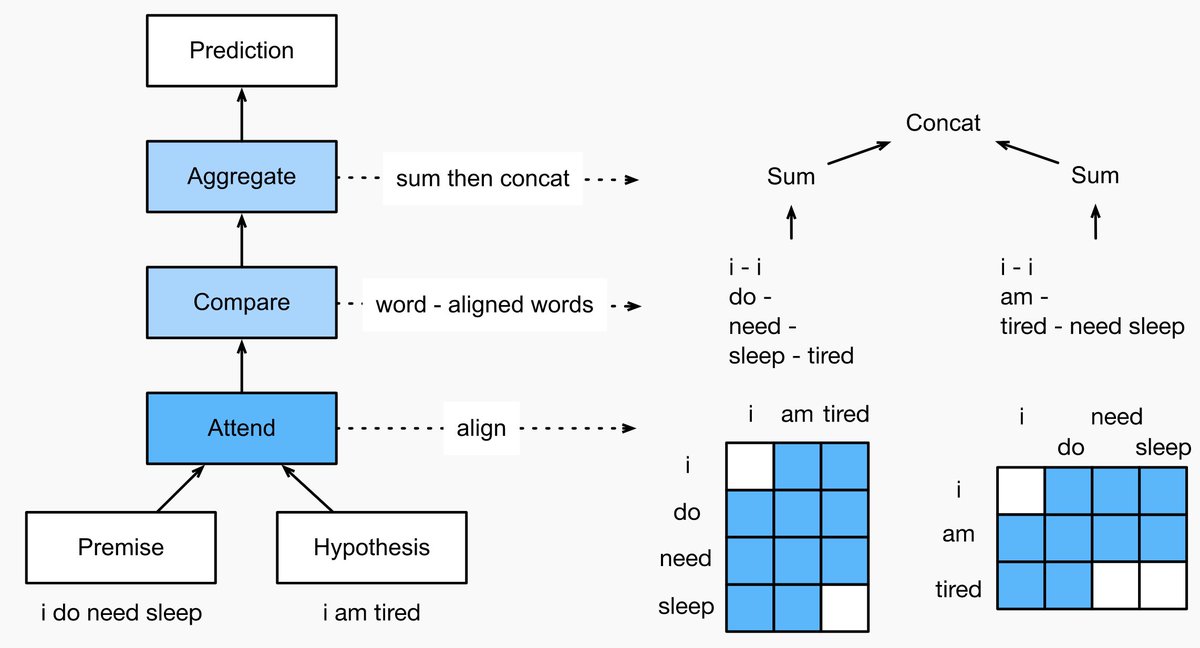
We have re-organized Chapter: NLP pretraining (https://t.co/gUKNmrySw7) and Chapter: NLP applications (https://t.co/I5QvkSPEVa), and added sections of BERT (model, data, pretraining, fine-tuning, application) and natural language inference (data, model).
Cool results from our collaboration with colleagues at @DeepMind on searching for new layers as alternatives for BatchNorm-ReLU. Excited with the potential use of AutoML for discovering novel ML concepts from low level primitives.
Our new paper is finally out "Toward a unified framework for interpreting machine-learning models in neuroimaging" on Nature Protocols with @la_da_k@sungwoo320@taesupmoon, Juyeon Heo, Sungmin Cha, and @torwager https://t.co/ycJppox8qu
With 4.5B parallel sentences in 576 language pairs, CCMatrix is the largest data set of high-quality, web-based bitexts for training translation models. Now Facebook AI is sharing tools for other researchers to use this corpus for their work. https://t.co/uvBbfjPTk5