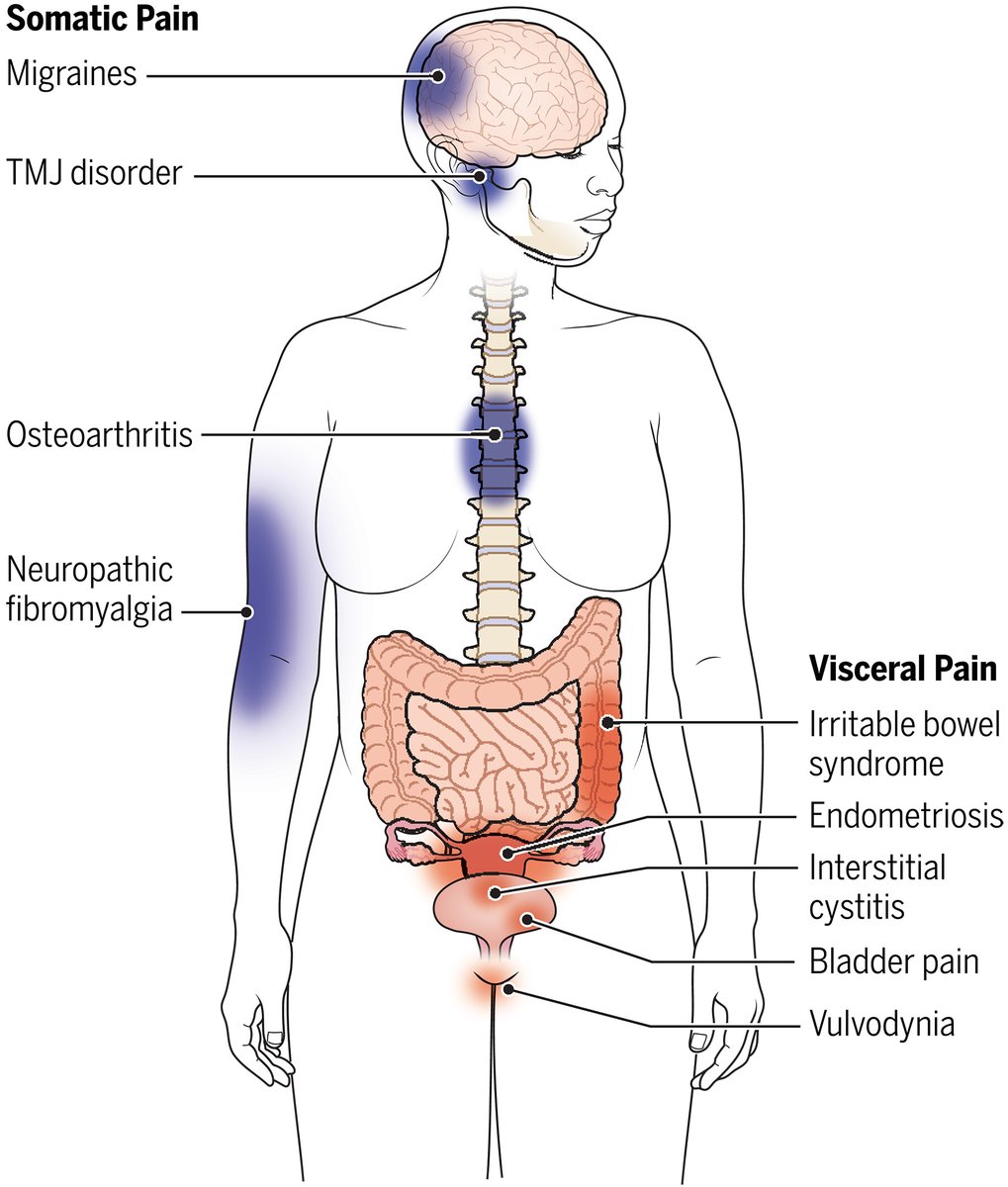
It has long been recognized that millions of women, especially younger women, are disproportionately affected by pain disorders.
In a new #ScienceReview, researchers synthesize recent advances in understanding these conditions. https://t.co/XKFCWzLxFo
❤️ New research highlights how the 2026 ACC/AHA cholesterol guidelines could significantly expand the number of U.S. adults who may benefit from statin therapy for preventing heart disease.
The study estimates that more than 3 in 5 adults without cardiovascular disease may now qualify for statins, with many newly eligible individuals being younger adults identified through updated long-term risk assessments. Researchers also found that many people who already meet treatment recommendations are not currently taking lipid-lowering therapy.
The findings underscore the importance of discussing your individual cardiovascular risk and treatment options with your healthcare provider.
Read the full study: https://t.co/vgsg70mB0C
”Ultimately though the kids come first. If I got a Nobel Prize but my kids didn't get to see their father, that would not be worth it. The only way it works is if my kids are being raised the way they deserve. I brought them into this world, I didn't ask them. I think it's just so incredibly important, the duty and the joy of our families.”
In our podcast conversation with John Jumper, he highlights the importance of family and how important his wife Carolyn has been during his scientific career.
Listen to our conversation here: https://t.co/OQVKTYf6u9
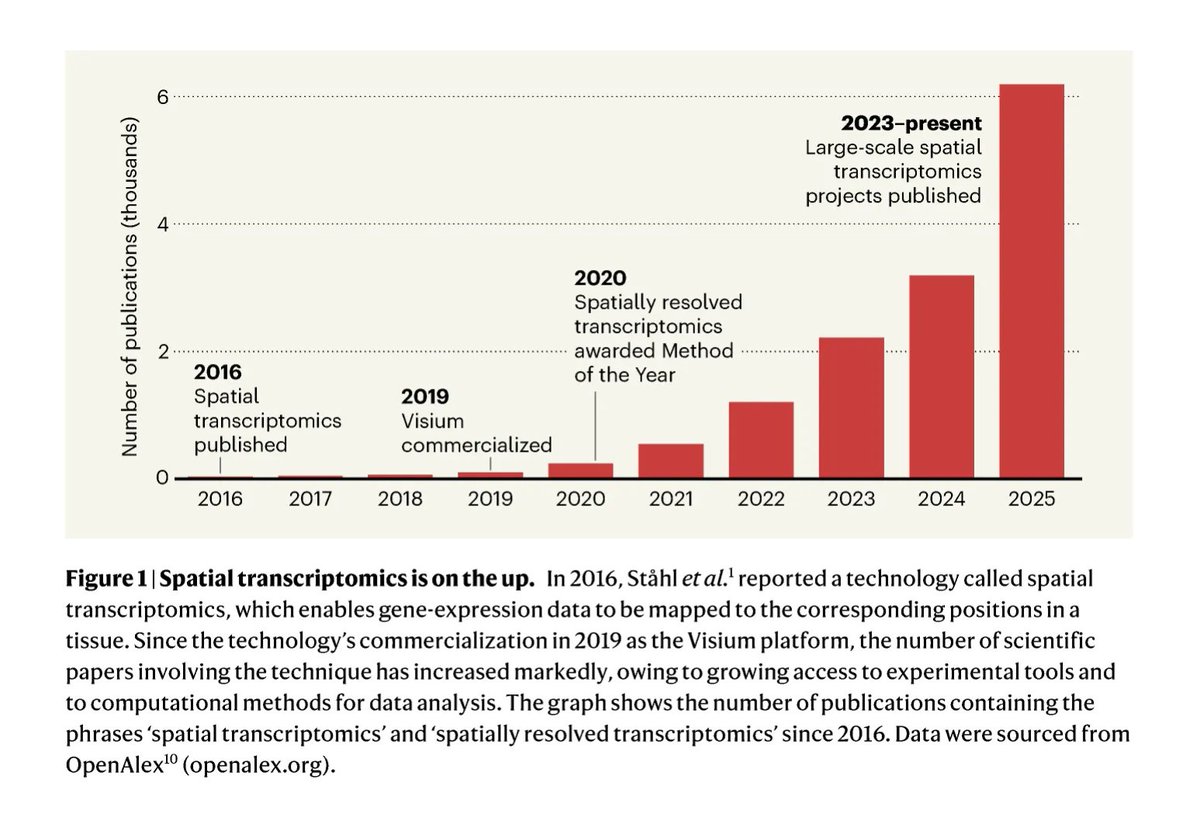
In this @Nature News and Views commentary, I reflect on the last 10 years of spatial transcriptomics to highlight the feedback loop between industry and academia in our unified efforts to push the boundaries of science towards improving human health: https://t.co/8NJwY1BNO8
Great work from the @NIH#NHLBI TOPMed Consortium demonstrating the value of deep-coverage WGS in uncovering numerous rare QTLs linked to altered expression and alternative splicing across 6 tissues https://t.co/h1wxlctfqk @ScienceMagazine
New preprint! We find that fatty acid double-bond geometry alters their metabolic fate and ferroptosis sensitivity. Trans fatty acids are metabolized differently from their cis counterparts, reshaping membrane phospholipids and ferroptosis sensitivity.
https://t.co/XaaAGyDh6J
We're thrilled to announce the Center for Therapeutic Genetics (CTG) — a new collaboration between Broad, Boston Children’s Hospital, and The Jackson Laboratory to develop genetic medicines for rare and ultra-rare diseases. https://t.co/fnkbAQwJE4 (1/3)
Hepatocyte-specific PPARγ Deletion Uncovers Role of an Antagonistic PPARγ–HNF4α Transcriptional Axis in MASLD Progression - The American Journal of Pathology
https://t.co/cSEhCZyXNF
Every oncologist and cancer researcher should watch this interview with @BenSasse:
https://t.co/PeTl9Eg1g8
Daraxonrasib, a “super poison for cancer,” shrank his metastatic pancreatic tumors by 76%, even though he says his skin feels and looks “nuclear.” When I learned of his diagnosis, I wanted him to get this drug (oral RAS ON inhibitor), which is poised to become first-line therapy in pancreatic cancer. I hope his experience on a clinical trial encourages more patients to enroll in studies, and pushes clinicians and researchers to keep advancing new therapies.
We mourn the passing of Gordon Weir, a towering figure in the field of diabetes, and valued colleague and friend of countless members of the @JoslinDiabetes and @Harvard diabetes communities. https://t.co/nRwqiUk8g9
You have your mother's cells in your brain right now. If she ever carried you, yours are in hers.
Scientists looked at the brains of 59 women after they died, ages 32 to 101. In 63% of them, they found their sons' DNA scattered across different brain regions. The cells had traveled from the womb, through the blood, past the wall that normally keeps foreign material out of the brain, and settled in. The oldest woman still carrying her son's cells in her brain was 94. In mice, those cells became functional brain cells.
The transfer starts as early as 7 weeks into pregnancy. Your cells slip through the placenta into your mother's body. Hers slips into yours. One study found a mother still had her son's cells in her blood 27 years after giving birth. After delivery, between 50 and 75% of women carry their child's cells. During pregnancy, up to 6% of a woman's blood DNA comes from the baby.
When a mother's heart gets damaged during or after pregnancy, the baby's cells travel to the injury, latch on, and turn into beating heart cells, blood vessel lining, and muscle. Heart failure tied to pregnancy has a 50% spontaneous recovery rate, better than every other kind. The Mount Sinai team behind the research thinks the baby's cells are fixing the mother's heart from the inside.
The cancer data caught me off guard. A study compared healthy women to women with breast cancer. 85% of the healthy group still carried their children's cells. Only 64% of the breast cancer group did. That works out to about 4x lower odds of getting breast cancer if you kept those cells. The working theory is that they patrol the body and catch cancer cells before they grow.
A 2022 study found that in developing mouse brains, a mother's cells controlled the brain's immune cells, preventing them from cutting too many connections between brain cells. Your mom's cells helped wire your brain before you were born.
And it stacks across generations. A woman can carry cells from her kids, from her own mother, and even from pregnancies her mother had before her. Three generations of cells from different people, living inside one body.
🆕 @ScienceMagazine
How do our cells have long term memory of inflammation that can later lead to persistent, chronic inflammation and disease?
Through specific epigenetic chromatin changes, aka "memory domains" @ScienceVisuals
https://t.co/mt70OwH144
https://t.co/DMk7SaIuBc
There are ~40k postdocs in the US, according to the NIH. While PhD students generally have good support (their committees, external advisors, and classmates), the postdocs do not. To help with this, we're starting the 'Postdoc Night Science' club with a first branch in NYC. ⬇️
I feel like crap. I didn’t get any grants this year, so I had to let go of my super talented postdoc—someone with a doctorate who’s now unemployed, without benefits or retirement, and still grinding away on a paper... Postdocs are the most unappreciated and undervalued positions at the PhD level-highly qualified, yet paid less than industry techs in Boston (with a BS degree) , forced to work weekends without benefits or job security, and at risk of losing everything if a grant isn't funded. Name another PhD role that's treated with less respect and value by the system.
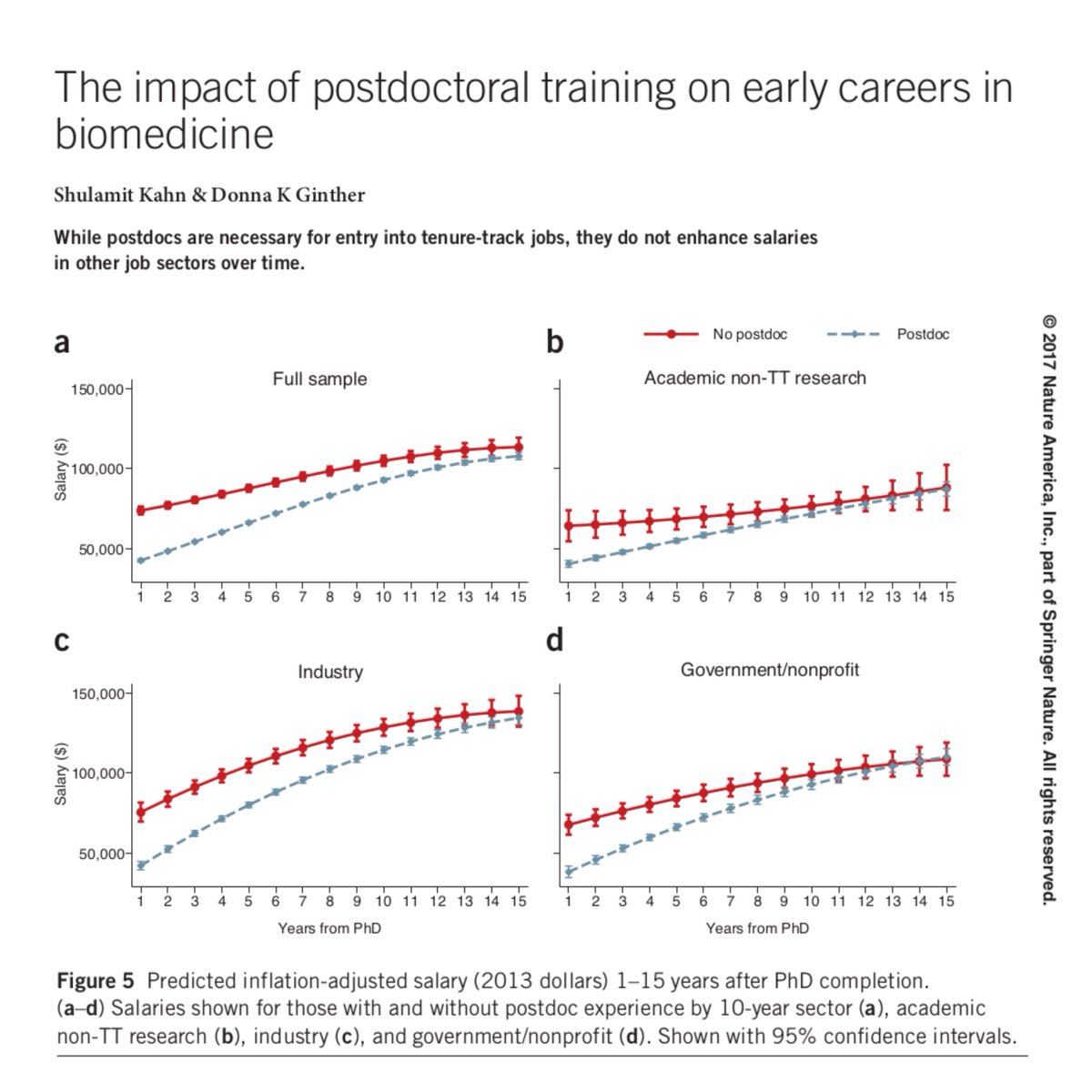
Is a postdoc the best path for you?
There are dozens of careers for PhDs, and it is imperative that you know and consider them before making a decision.
Read the full article: https://t.co/krs8u3bpkA
#phdlife#altac#academia#industry#research
ATTN: #Postdocs - Your opportunity to lead the future of science starts now! Applications for the 2025 #HannaGrayFellows Program are OPEN. Take your first step toward joining a community of changemakers in science. Applications are due February 26, 2025, at 3:00 p.m. ET. Apply today! https://t.co/lriAQoQFYP 👈