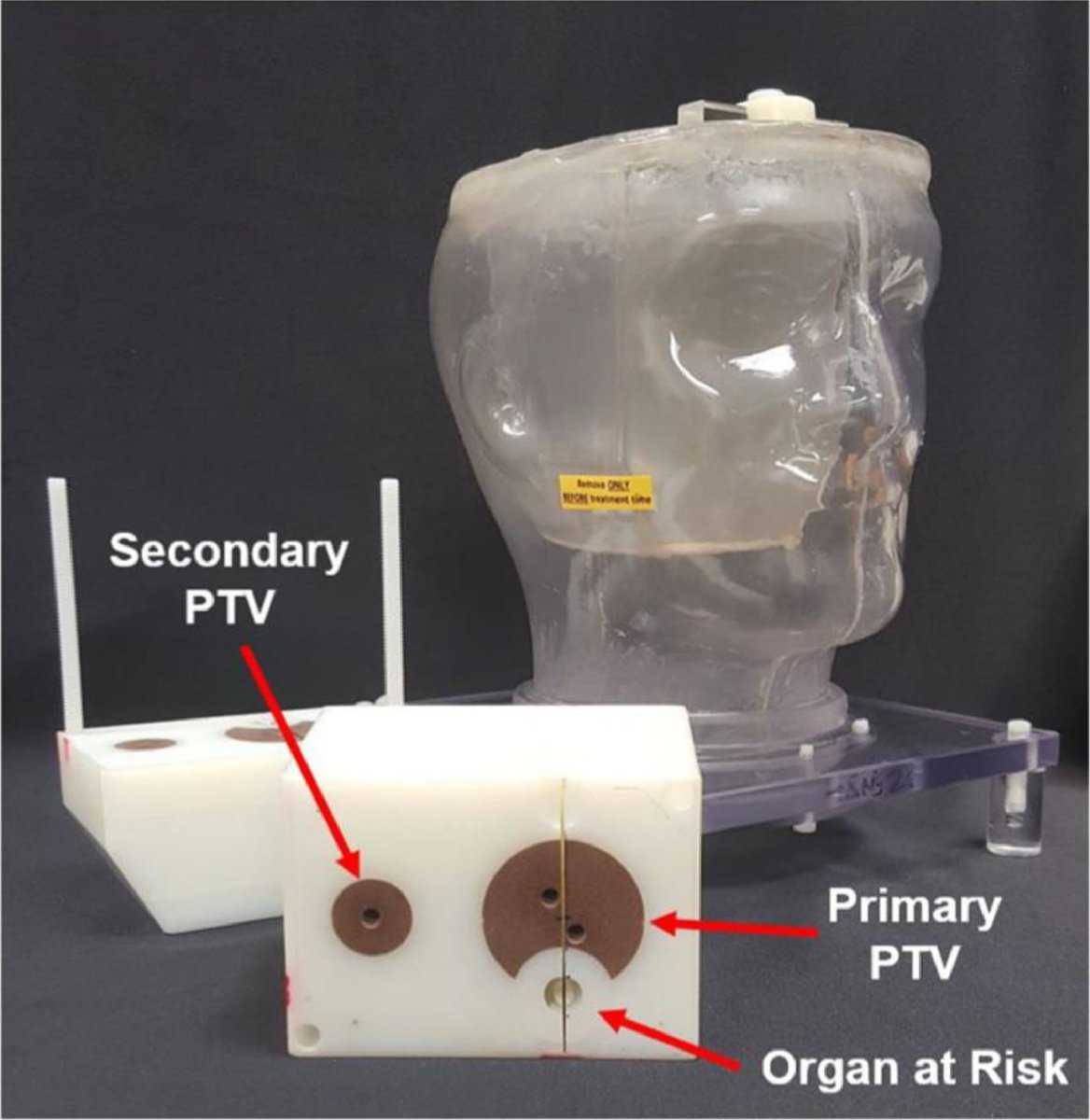
1/ We previously (https://t.co/b8TdkRvkR1) decribed the *trailing effect* caused by the stacking of two rounded-leaf end MLCs (aka, the Halcyon from @VarianMedSys). We have now identified clinical plans which exhibit the effect: https://t.co/jAXcchh61h. Some details below:
En Brasil hicieron un experimento bastante ingenioso con 120 personas para entender si REALMENTE la IA sirve para aprender
A la primera mitad le dieron acceso a inteligencia artificial para estudiar y a la otra la mandaron a estudiar a la antigua, con el apunte y el café.
Lo primero que descubrieron es que los que usaban la IA iban más rápido, terminaban antes y, encima, salían más confiados, convencidos de que la tenían clarísima. Hasta ahí parecía todo color de rosas, el sueño del estudiante.
Pero, sin avisarle a nadie, 45 días más tarde les tomaron un examen sorpresa y se cayó la careta: los de la IA sacaron 5,75 sobre 10 y los que habían estudiado a pulmón, sufriendo, 6,85. Perdieron justo los que la habían pasado mejor.
Esto pasa por algo que los científicos llaman "dificultad deseable" y tiene que ver con ese momento en el que estudiar se siente molesto, esa tortura en la que releés varias veces lo mismo hasta poder entenderlo. Ese es el momento exacto en el que tu cerebro solidifica el conocimiento de verdad y es justo lo que la inteligencia artificial elimina volviendo todo más fácil de leer.
Es como ir al gimnasio y que el entrenador levante las pesas por vos. Así que, si usás la IA para estudiar, recordá que es un complemento súper útil para debatir temas, ayudarte a ordenarlos y tomarte examen a vos mismo. Pero cuidado con usarla para que simplifique lo complejo.
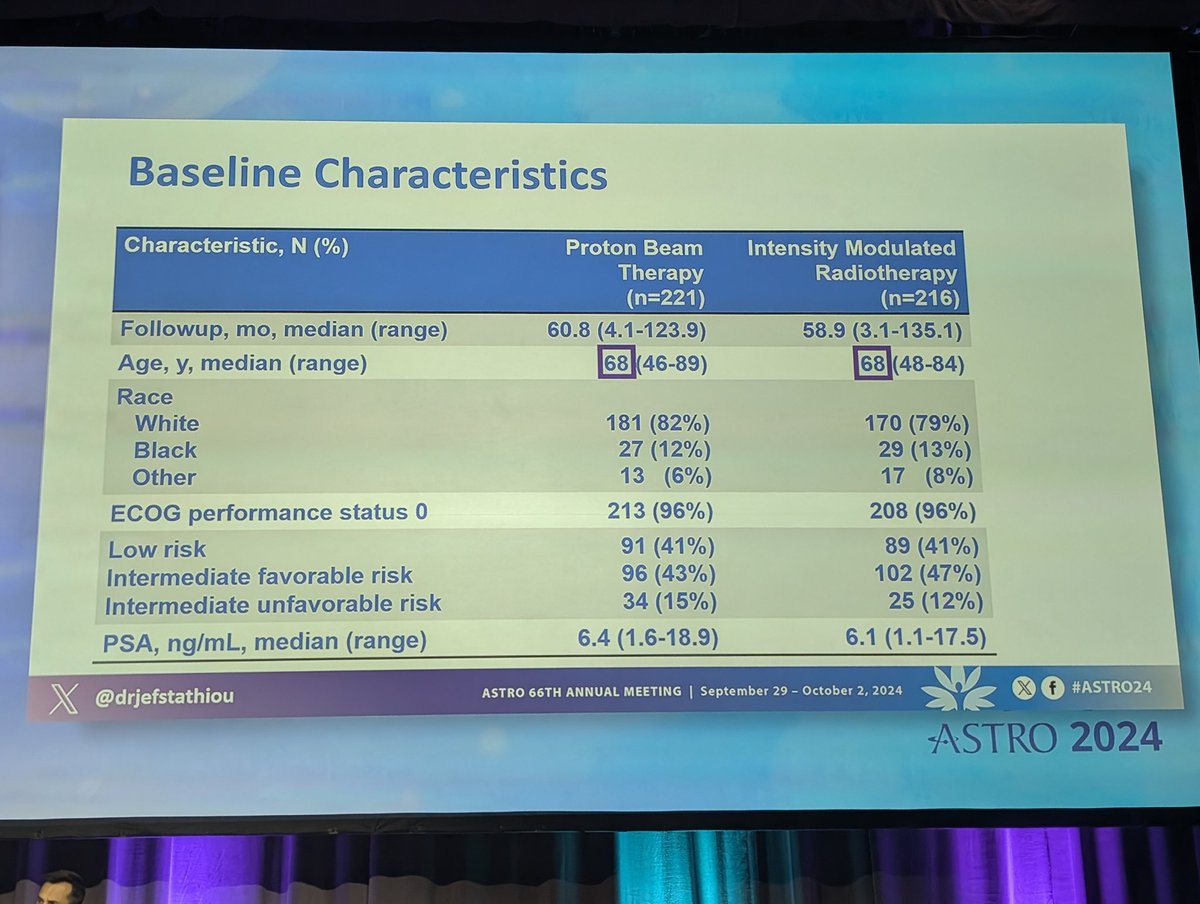
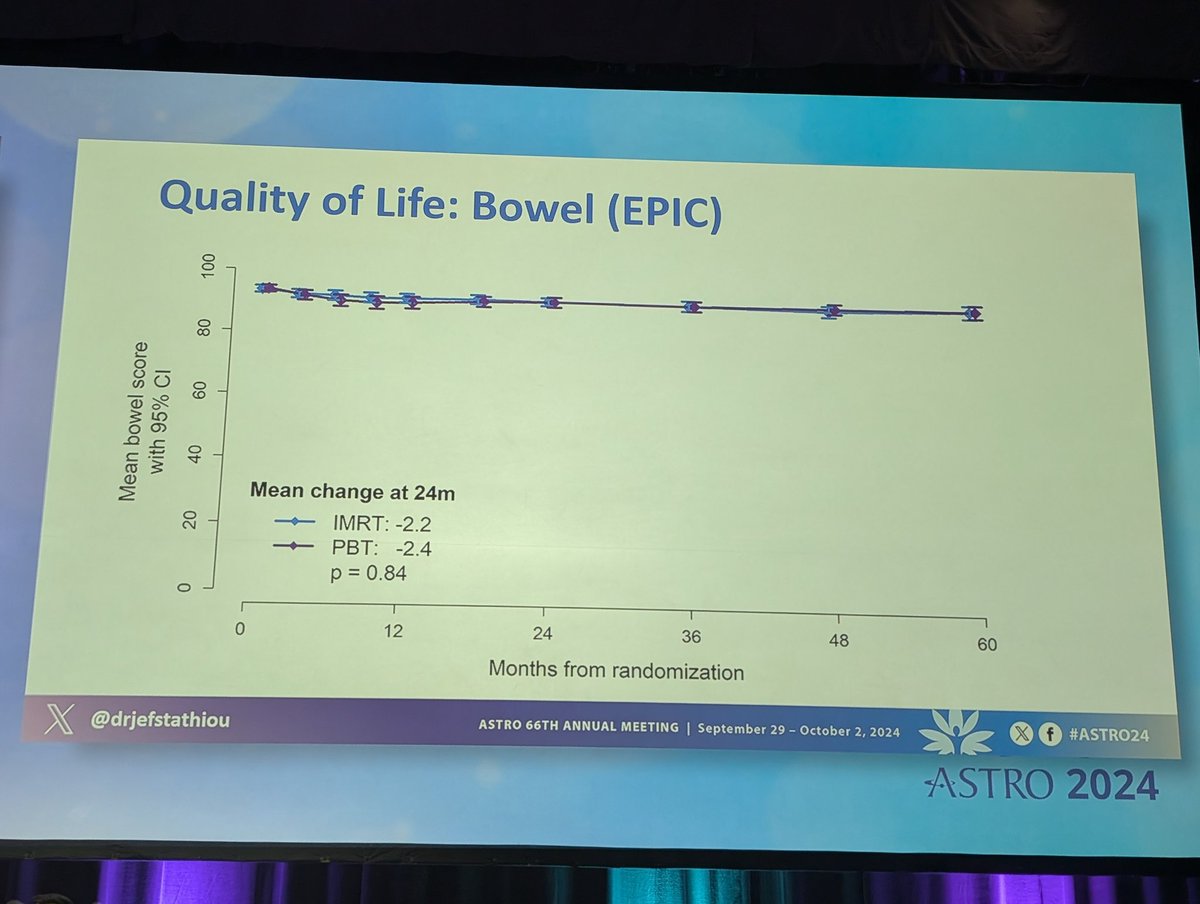
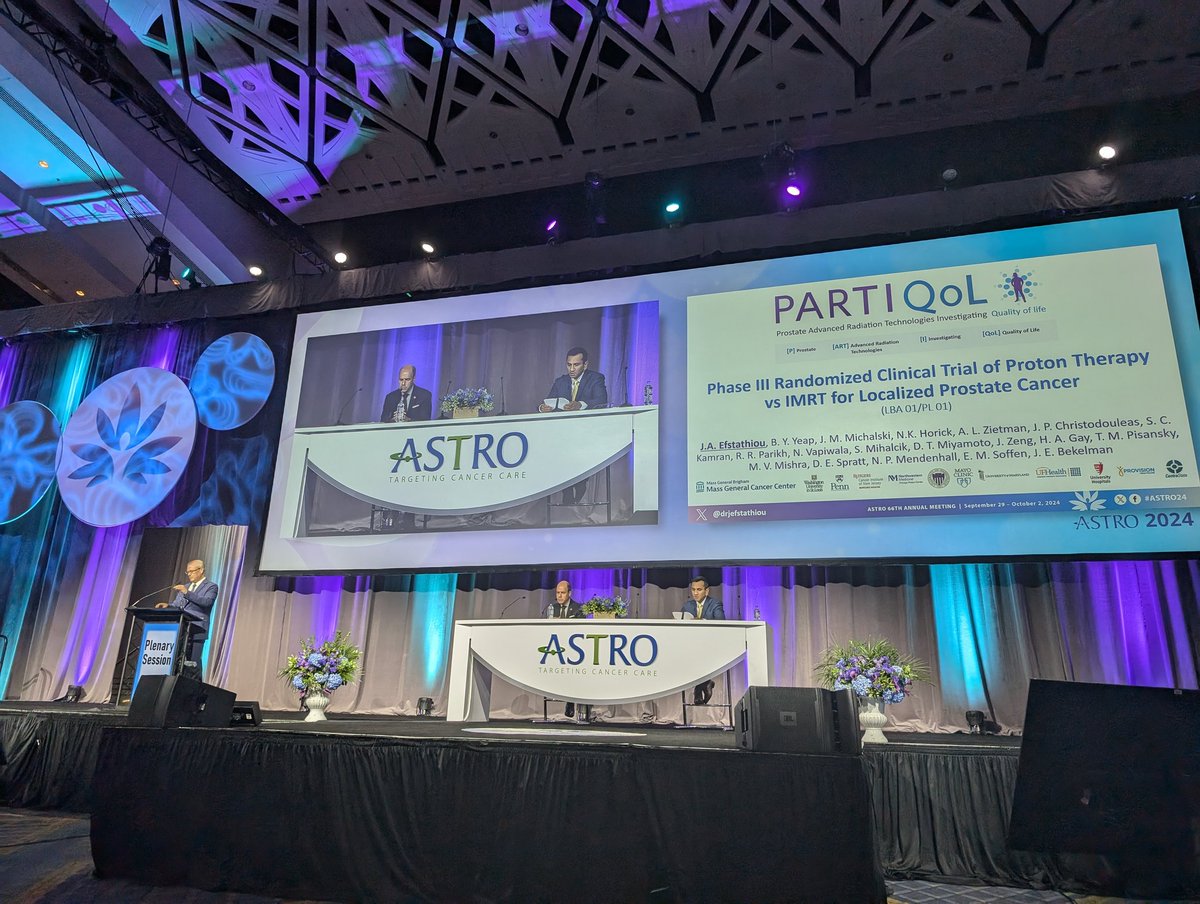
Here is my take as a proton practitioner:
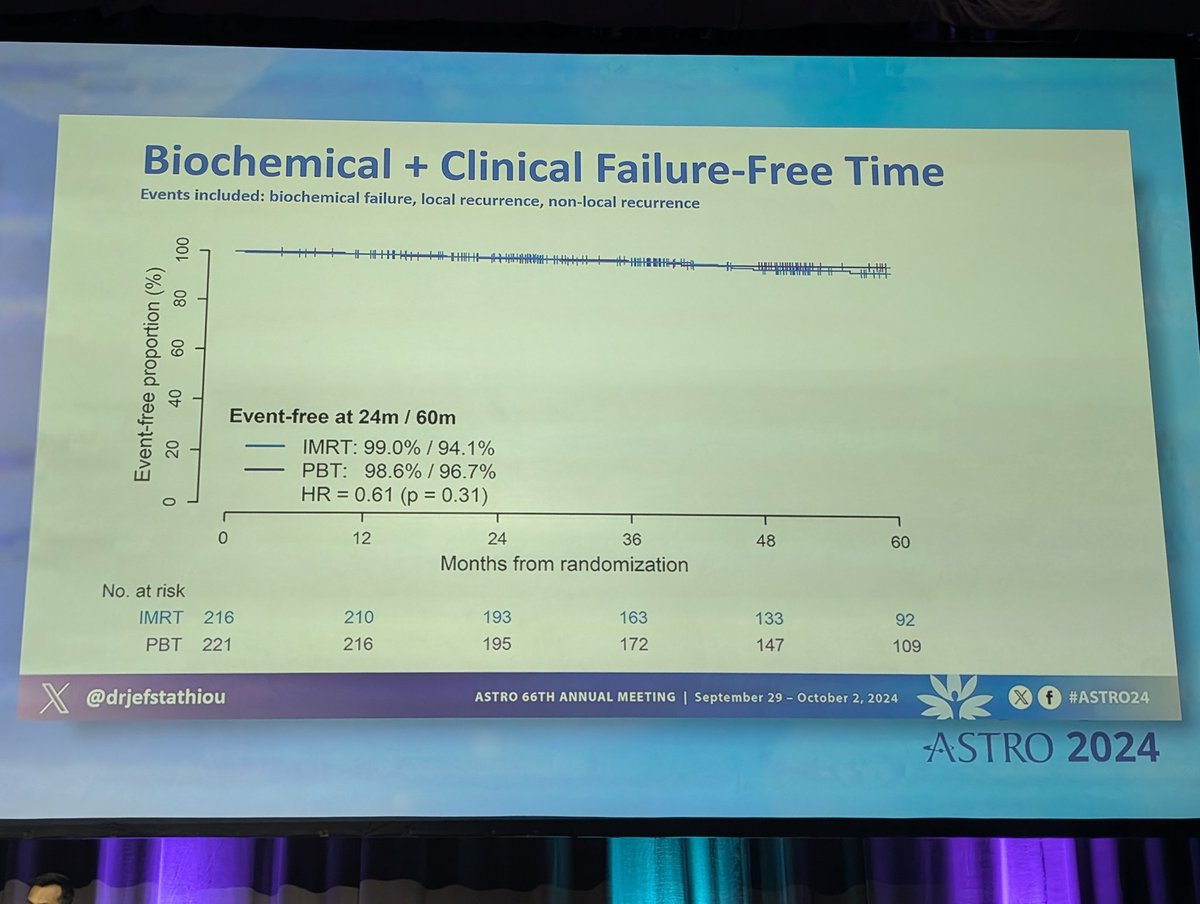
The headline conclusion: IMPT & IMRT had similar late physical QoL, gastrostomy dependence, LC, and survival. "IMRT remains the SOC." But let's look under the hood because the details tell a more nuanced story than the headline.1/n
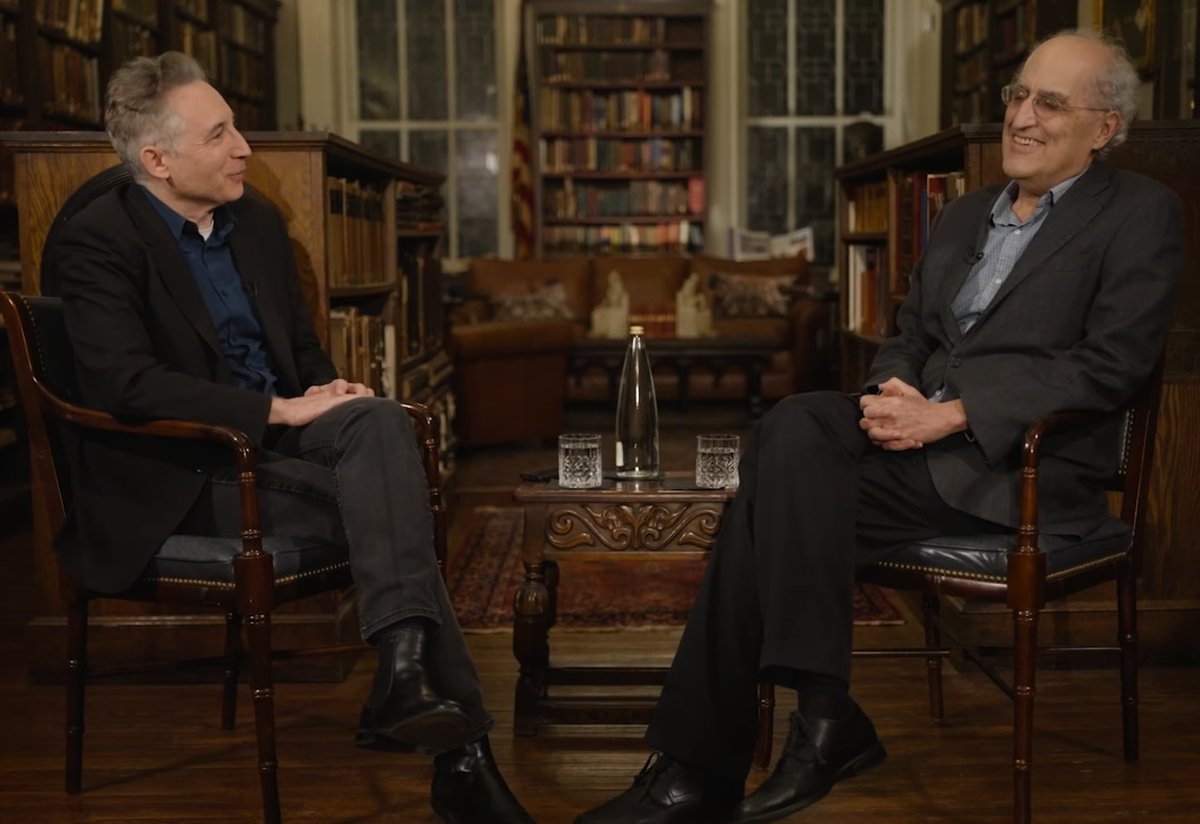
Here is a new and very interesting interview of Edward Witten, one of the greatest living theoretical physicists, by Brian Greene, discussing String theory, cosmology, nature of consciousness, etc. Highly recommended. Link: https://t.co/uszg5Y3IAY
Bombshell: Oliver Sacks (a humane man & a fine essayist) made up many of the details in his famous case studies, deluding neuroscientists, psychologists, & general readers for decades. The man who mistook his wife for a hat? The autistic twins who generated multi-digit prime numbers? The institutionalized, paralyzed man who tapped out allusions to Rilke? Made up to embellish the stories. Probably also: the aphasic patients who detected lies better than neurologically intact people, including Ronald Reagan's insincerity. https://t.co/77nQRF8kp6
When the Japanese decide to master something, whether it’s cars, cameras, animation, knives, or yes, whiskey and craft cheese - they will perfect it into its final Platonic form.
How do they do it?
Obsession with kaizen (continuous improvement). And they will apply themselves relentlessly - without ego - to incremental refinement.
This is in contrast to the attitude of “Cha bu duo" (差不多), a Chinese phrase that means "close enough” or "more or less," which leads to cutting corners, a mindset and attitude that is common in China. In contrast, the cultural default in Japan is that “good enough” is never good enough.
The Chinese concept of 差不多 is a result of the Year Zero Mao introduced and decades of brutal communism, but it does lead to faster innovation compared to the slower kaizen method.
These days, the Japanese beat Scotland at the whiskey game, make the best pizza, and their cheesemakers in Hokkaido win the top global awards.
The Shokunin spirit (craftsman mindset) infuses Japanese culture with a respect for becoming a true master of one thing. You see this whenever you visit Japan.
A 21 yr old baker in Osaka might spend 10 years just learning how to shape croissants before he’s allowed to touch the dough at a top shop. That level of apprenticeship and pride in technique is rare elsewhere.
It’s not just Japanese autism but Japanese neuroticism that makes them obsessed about supply-chain control and ingredient quality. They’ll fly in Piemonte flour for pizza, Isigny butter for viennoiserie, or specific Scottish peat for whisky, then control every variable (water source, barrel toasting, humidity in aging warehouses) to a degree that’s just detrimental to profit margins.
We should thank the Japanese for their cultural operating system. It enriches everything it borrows from elsewhere, and then masters it.
This is why the world loves traveling to 🇯🇵
‼️ I love 🇮🇹 and recognize the effort here, but ORR 17.5% v 10% and mPFS 3.5 months v 2.8 months are a very nice example of statistical significance & clinical insignificance
+21 days mPFS here = Precision Oncology is marketing more than anything else. Can we finally admit it?
@drdavidpalma Protons are worse for prostates, worse for H&N recurrence, side effects, higher cost, much less accessible
Payors need to stop paying for this
A new study has found that phone-free students performed better academically. But its findings will not end the argument over phones in schools https://t.co/n2J9Ib8Qz5
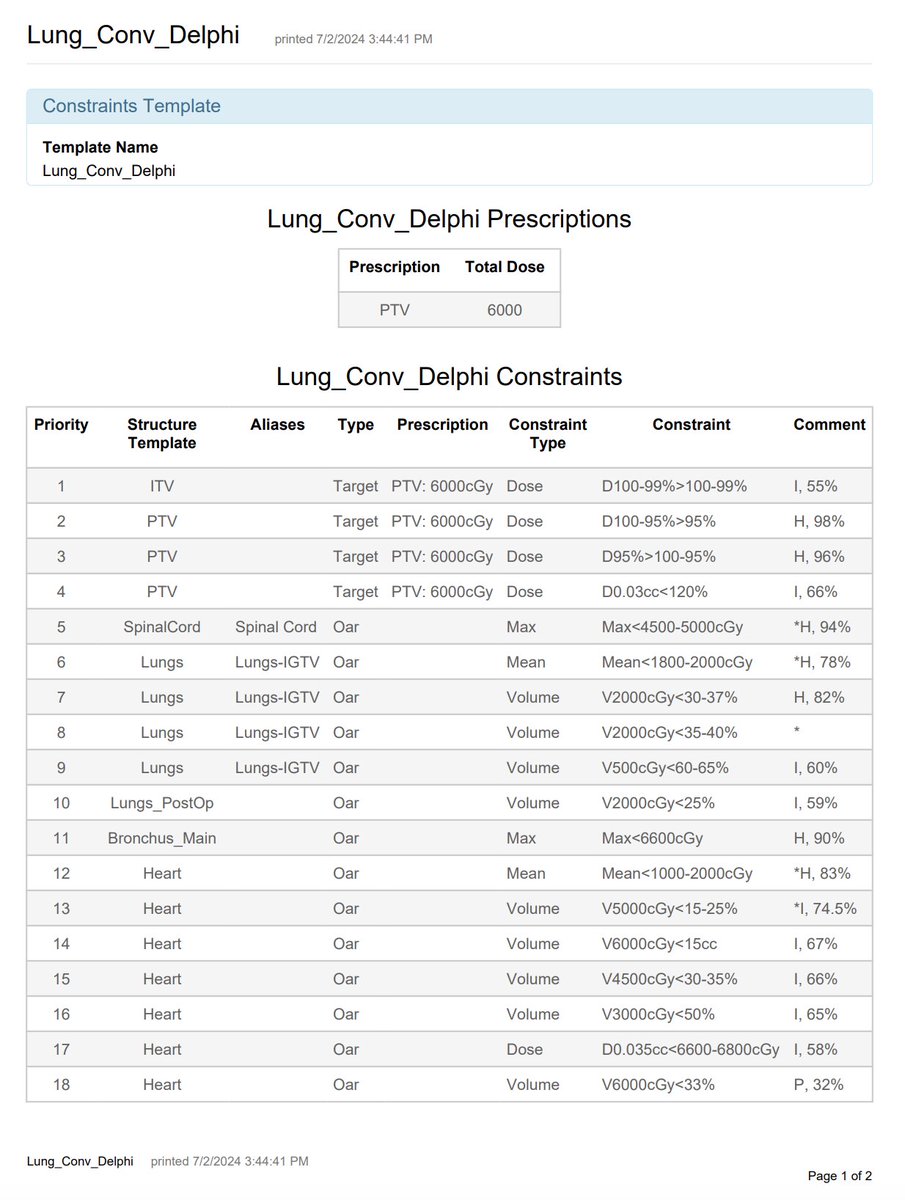
Our Delphi consensus-based approach included 83 thoracic radiation oncologists in at least one survey to create consensus-based OAR dose constraint and target goal templates for lung cancer radiation therapy.
What do you think? What comes next?
Link here:
https://t.co/QZ3l59csuq
#lcsm #radonc
Great team with @JuliusWengMD@jryckman3@HinaSaeedMD@EstesRadonc@ielnaqa@sueyom@AmyMorenoMD
@marslain@LuisAlberto3P Aún resuenan en mis oídos las palabras del Dr Seoane cuando era resi… “lee ahora porque después ya no podrás!”Cuánta razón… y a poca oportunidad que tengo las repito tal cual a nuestros residentes.
👏🏽Take a bow 🙇🏼 @drjefstathiou Very clear results - no superiority of protons over photons for prostate cancer. Interesting - no benefit of spacer. We asked the Q, you gave us the answer! No protons for #prostatecancer Not cost-effective #ASTRO24@ASTRO_org@IJROBP@ESTRO_RT
@yuanjamesrao There's one thing of which we can be confident, there is no number of negative proton trials for PCa that will dampen the enthusiasm of proton centers to aggressively market to patients.
49 - Risk of Radiation Myelitis after Hypofractionated Spine SBRT
Amazing work, @Chris_JacksonMD!
Any insight on 0.35-1.2cc? This data looks ideal to explore whether 18 Gy to 0.35 cc or 12.3-13 Gy to 1.2 cc (TG-101) are meaningful! @JAMRadOnc@NicholasZaorsky#ASTRO24#radonc
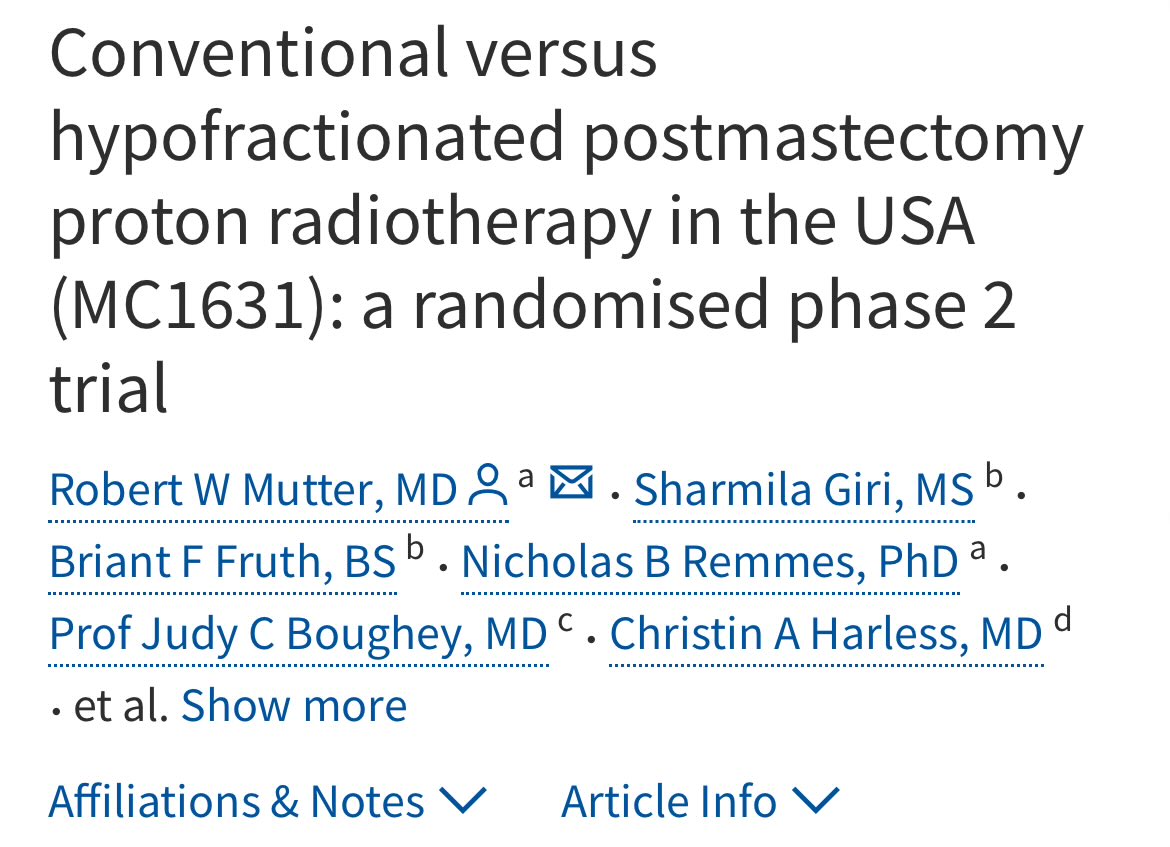
15 fx protons for PMRT is also a dud
50/25, RBE 1.1 vs 40.05/15 RBE 1.1 proton PMRT
Primary endpoint: 2-year complication rate, non-inferiority, 10% NI margin
Results: one-sided 95% CI 18.5 👎
Why use protons at all in this setting? I don’t get it 🤷♂️ #ASTRO24