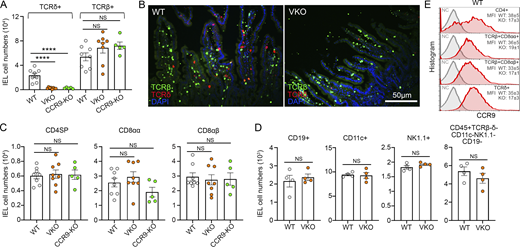
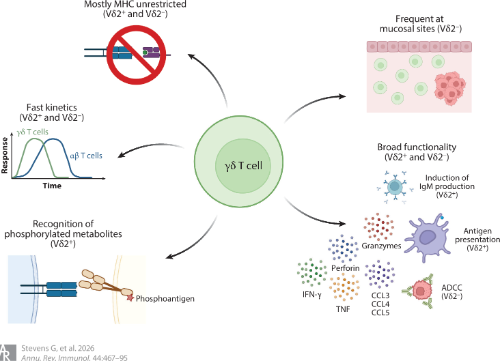
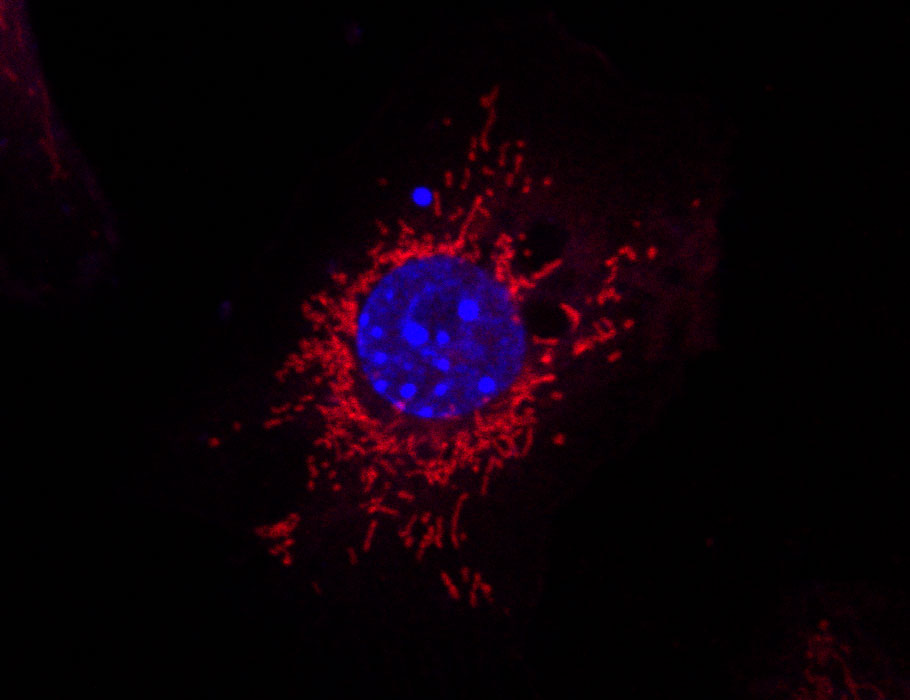
I’m proud to finish my PhD story on a high note. My paper is now published @jlb_journal , where we highlight the IL-17/IFN-γ dichotomy in γδ T cells during L. amazonensis infection. #gdTcells#LoveStory#Science
https://t.co/jSHaIXGsr4
Immune function is constrained by metabolic opportunity. This review places nutrient availability as “Signal 5” for MAIT cells, emphasizing how tissue microenvironments program barrier immunity through immunometabolic regulation. #Immunometabolism https://t.co/AJKdbSxGhZ
Intestinal stem cells act as active sensors of bacterial invasion and initiate epithelial remodeling through inflammasome signaling @NatImmunol@bitonslab@WeizmannScience 🇮🇱
https://t.co/UCUJG6CuyC
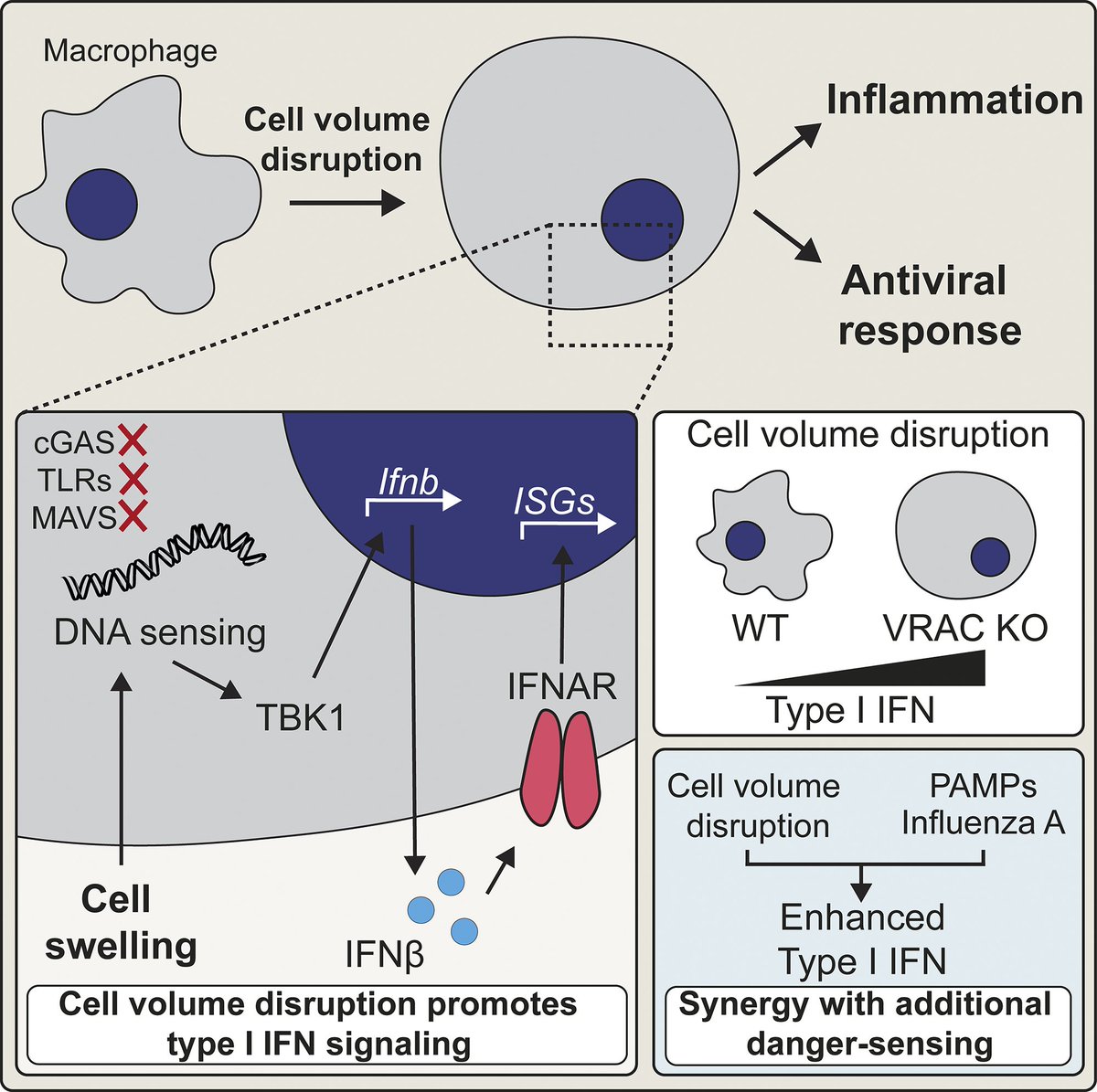
The mechanism by which macrophage cells sense danger to drive an immune response and inflammation has been elusive. A new report highlights change in cell volume as the signal @JCellBiol
https://t.co/VQJHtWvczx
1/ An elegant study from the Sakaguchi and Hori labs explores the role of Foxp3 in Tregs. Despite extensive work, many aspects of Treg biology remain unresolved. this work uncovers another piece of the puzzle.
⬇️
#science#immunology#Foxp3#Tregs
https://t.co/0xmDdtGLNe
So we blocked IFNγ in Mtb infected macaques and….the animals were fine. Turns out mice overestimate the importance of IFNγ in TB because IFNγ drives iNOS in mice but not macaques or humans. This means we don’t actually know how T cells suppress Mtb. https://t.co/vbdpLKjQCa
Mitochondrial fission promotes an ancient host defense pathway in mammalian macrophages and in worms, which could be exploited for future antibacterial treatments.
Learn more in @SciImmunology: https://t.co/wDVE6Klury