For decades, biology textbooks have enshrined a simple rule: DNA is made by copying a template. After one enzyme unzips a DNA double helix into separate strands, another called a polymerase builds a complementary sequence, base by base, for each strand. Presto: two copies of the original DNA.
But research into how bacteria defend themselves from viruses now shows this synthesis rule isn’t absolute.
A team describes a bacterial enzyme that synthesizes DNA without a nucleic acid template, using its own structure as a guide.
Learn more: https://t.co/bpVgr0KMdR
Today in @ScienceMagazine, we report a new DNA editing technology to seamlessly write massive changes into the right place in the human genome.
The reason gene editing hasn't transformed human health is that current gene editing technologies like CRISPR are very limited.
The problem with CRISPR is that it cuts up your DNA, and then hopes that unreliable cellular DNA repair will make the wanted edit. @geochurch famously called it genome vandalism. More precise versions of CRISPR only edit less than 100 bases - often only a single base. Therefore, it's not suited to make large changes safely.
However, most diseases are not the result of mutations in one location. Instead, their causes are spread all across the 3 billion base pairs in the genome.
We found bridge RNAs in bacterial “jumping genes” that allow us to make safe and arbitrary changes (insert, cut out, or flip) to every nucleotide within (up to) a 1 million bp sequence in your DNA.
In the paper, we show that we can correct the disease-causing DNA repeats that cause Friedreich's ataxia (which is a rare neurological disease). The same approach could be applied to Huntington’s and other repeat expansion disorders.
At @arcinstitute, we're working towards a full Turing machine for biology. Evo, our DNA foundation model, helps us design the optimal healthy DNA sequences. And Bridge recombination gives us the ability to seamlessly write these changes into the right place in the genome.
This work was a wonderful collaboration with my @arcinstitute cofounder @SKonermann and led by the indefatigable @ntperry13, alongside our amazing bridge editing team: @BartieLiam@dhruvakatrekar@Gabogonzalez515@mgdurrant@james_jw_pai@AlisonFanton Juliana Martins Masa Hiraizumi @chiaroscurale@hnisimasu
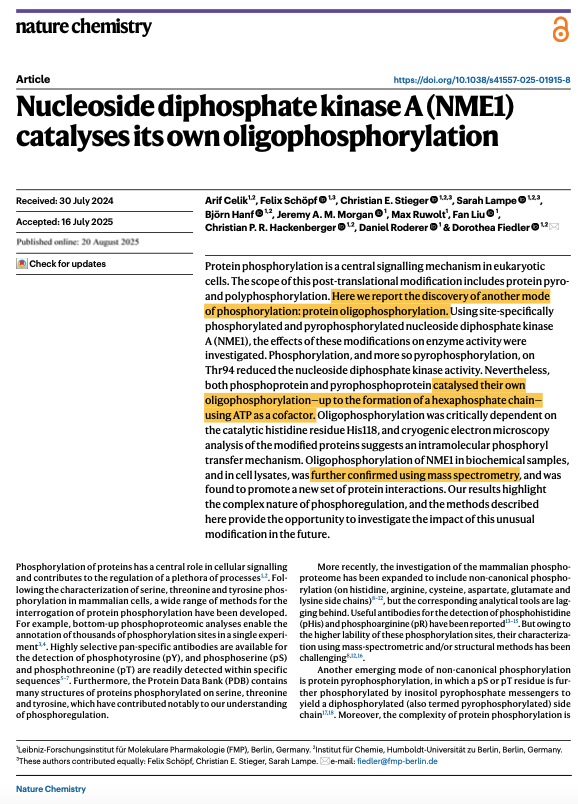
A new paper, in Nature Chemistry, proves that there are still tons of "basic" things to discover in biology. There is so much room at the bottom.
TL;DR: Researchers discovered a new type of post-translational modification, called “oligophosphorylation.” Rather than being tagged with a single phosphate, some proteins are instead decorated with a chain of phosphates...all on a single amino acid!
In human cells, phosphates are often added to serine, threonine, or tyrosine amino acids in proteins. These additions happen after a protein is already made by a ribosome, hence why they are called “post-translational modifications.” Adding a phosphate can flip enzymes on or off. Tagging proteins with a molecule called ubiquitin targets them for destruction. Lipids are fused to proteins to anchor them to membranes, and so on.
These post-translational modifications are a way for cells to “tune” the behaviors of proteins after they are made, rather than investing lots of energy to make new proteins from scratch.
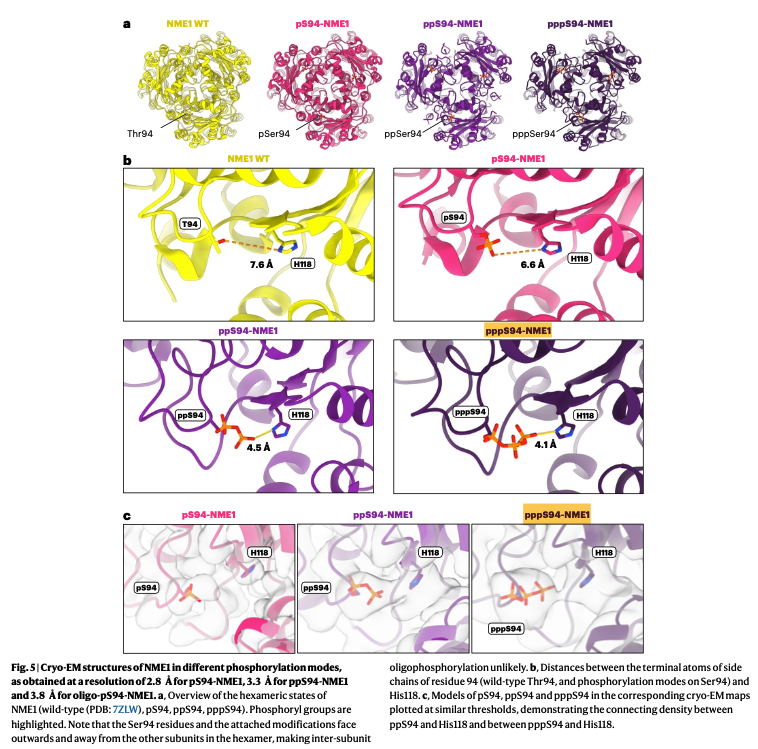
For this paper, researchers were studying a single protein, called NME1, when they found the oligophosphorylation. NME1’s job is to move a phosphate from ATP (an energy currency of cells) to other nucleotides, like GDP→GTP. The key amino acid that does this reaction is a HISTIDINE at position 118. This histidine strips a phosphate from ATP and then passes it to the next molecule.
Now, if you look at NME1 in 3D, you will see that the HISTIDINE at 118 is located right next to a THREONINE at position 94. And the chain of phosphates--the new type of post-translational modification--was discovered on that threonine!
How was this discovered? A simple experiment: The researchers put NME1 proteins in a liquid and chemically fused a phosphate at residue 94. Next, they added some ATP to this liquid and used mass spectrometry to measure how the protein’s mass changed over time. They saw clear, stepwise “jumps” in mass of about 80 Daltons (the mass of a phosphate) after adding ATP.
Turns out that, if the threonine at 94 has a phosphate before the histidine encounters ATP, the histidine will begin stripping phosphates from ATP and adding it to the threonine. If you mutate the histidine to another amino acid, this stops happening. (This same phenomenon was also found in living cells.)
What's the point of proteins making these phosphate chains, though?
The answer comes down to charge; a single phosphate carries a negative charge, but a CHAIN of phosphates carries a much bigger charge! And this big charge blocks molecules from moving into the enzyme’s active site. It’s basically a really powerful off switch. (Also, the negative charge ATTRACTS other molecules and proteins; it seems to facilitate new types of binding.)
Now that we know these chains exist, we can look for them elsewhere, too. This discovery actually reminds me of glycoRNAs, which are RNA molecules fused to sugar. For decades, nobody thought glycoRNAs could exist, but then researchers found them (in 2021). The reason we missed them for all those years was because our methods were biased. Standard RNA purifications filtered out these molecules.
Our tools are often designed to produce more of what we expect, in other words. If we don’t know to look for something, we cannot easily find it.
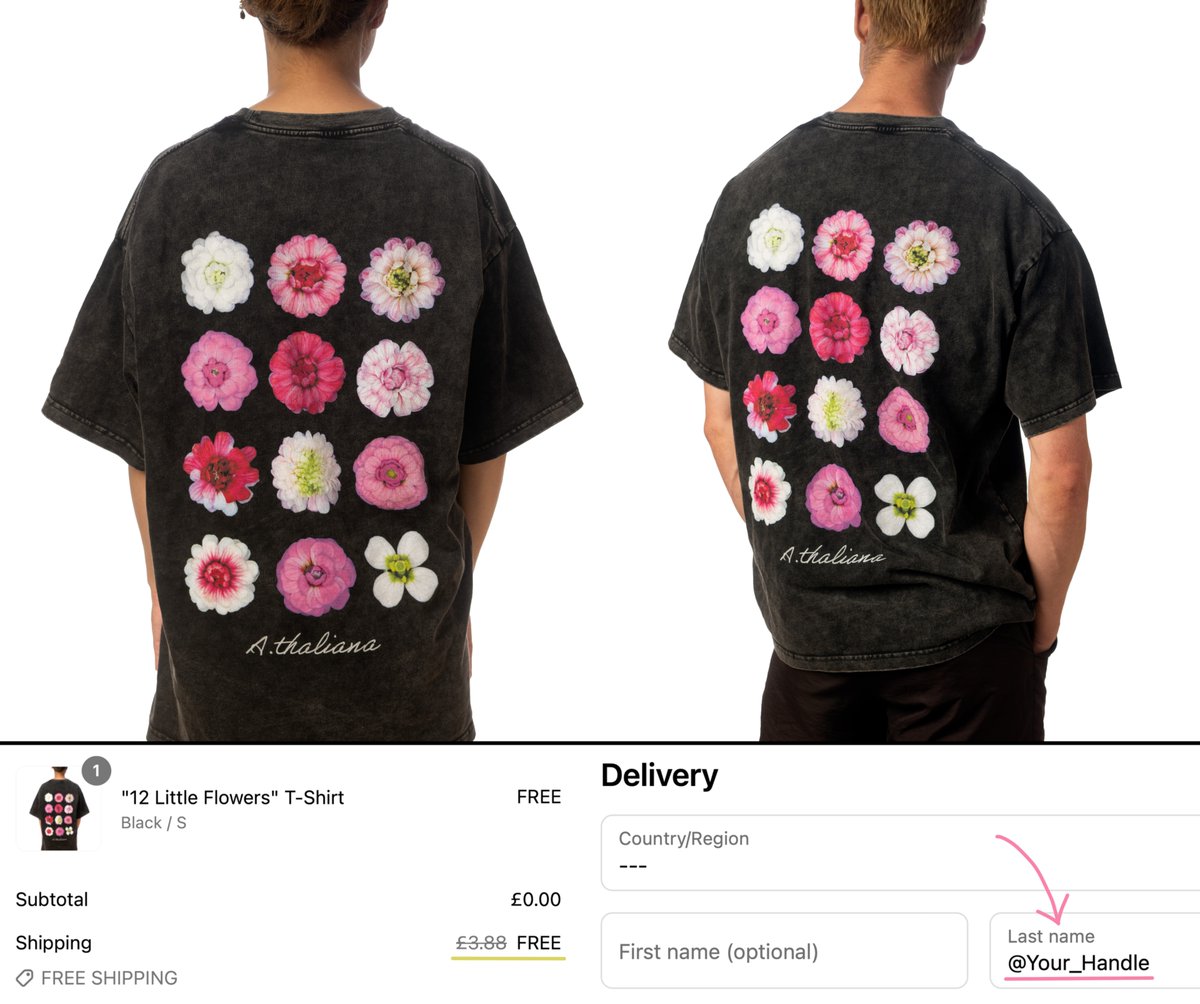
To promote the collection, I’ve launched a designer clothing line where synthetic biology meets aesthetics.
I will give out 100 free limited edition shirts to the first who retweet and order with their handle in the name! Available here → https://t.co/KctFUBPZQH 🧵(6/7)
I genetically engineered the amazing Arabidopsis to mimic the striking patterns of my Tradescantia zebrina🧬🌱
From concept to creation, here's the story behind transforming this plant into a living work of art! (1/7) 🧵"
2024's top 10 advances in biology (🧵)
1. Progress in longevity
Blocking the pro-inflammatory cytokine, IL11, extended healthspan and lifespan (in mice!)
Old mice without IL11 look healthier, they're stronger, and they live longer
https://t.co/Y0Raog12xk
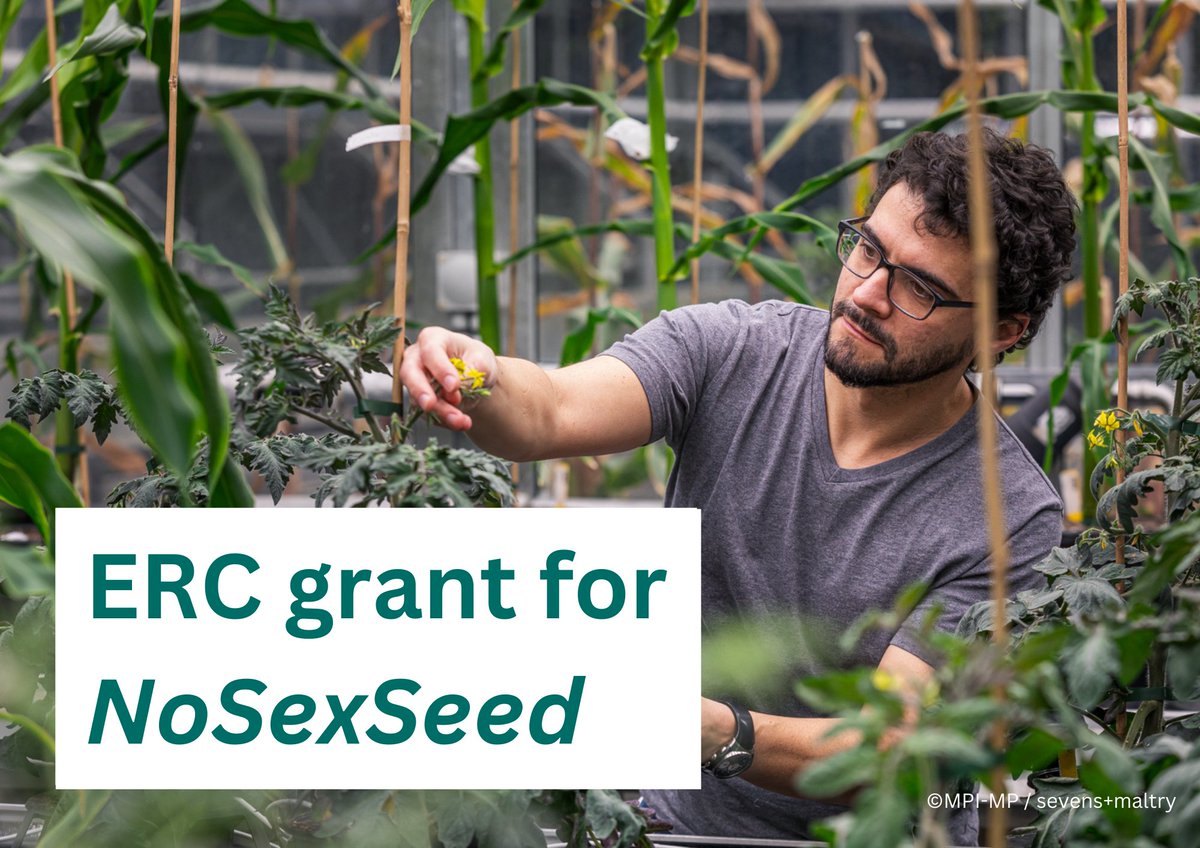
🎉 Congrats to @duarte_d_f on receiving an @ERC_Research grant for his project NoSexSeed! 🌱 His goal? Enabling crops to reproduce pollen-free 🌍 #ERCCoG
More on this: https://t.co/VOVtrxbBS1
New PhD position in my group! If interested in plant molecular biology, CRISPR, transcriptomics and proteomics studies to understand how different abiotic stresses control plant growth and development then apply for this opportunity. Deadline - 19th of August 2024, see below.👇
📣NEWS: Italy launches 1st field trial for gene-edited crops 🌾🧬 Risotto rice with resistance against blast disease
A big leap for EU biotech research resulting from a fruitful collaboration between @vittoriabr@fornaralab@ThorstenLangner@KamounLab
https://t.co/MwuhLC1Yx8
Applications are now open for 16 funded positions in the #PhD program in Molecular #Biomedicine@UniTrieste
👉 https://t.co/zkIt3nBVaM
Deadline: June 13, 2024
Interested on the evolution of plant-microbe interactions and the fine tuning of cell-type specific immunity and/or crosskingdom RNAi in symbiosis?. then, check here whether yo uare eligible for this funding scheme and get in touch! https://t.co/pianpplPzC https://t.co/3oMQV53fUw
Our latest paper exploring the role of Strigolactones in olives is now available! Huge thanks to @Tubitak and @COSTprogramme FA1206 for their invaluable financial support. 🌿
Identification and expression of strigolactone biosynthesis and signaling genes and the in vitro effects of strigolactones in olive (Olea europaea L.) (Aslıhan Özbilen, et. al.) https://t.co/84VnDfsLTl @chambooooo@kmtaskin@onsekizmartuni@ASPB @Wileyplantsci @SEBiology
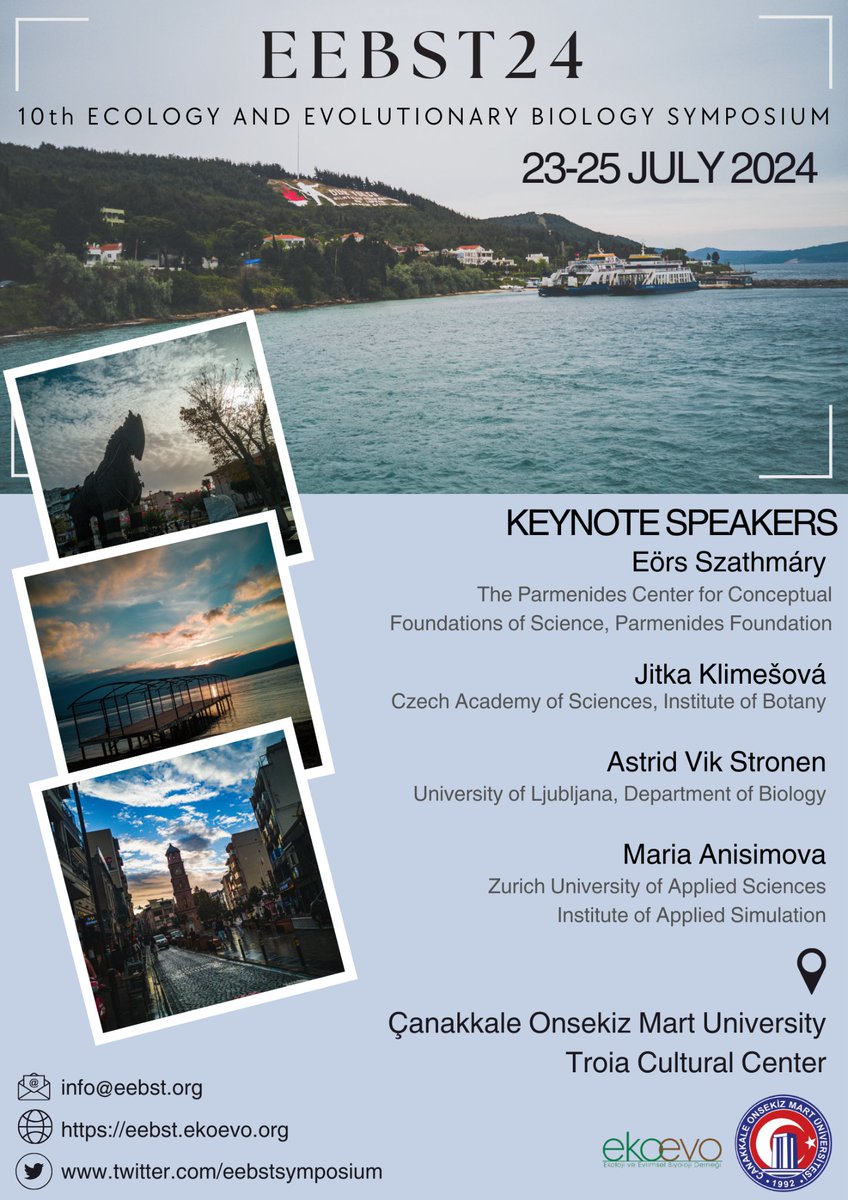
10th Ecology and Evolutionary Biology Symposium will take place this year between 23-25 July hosted by Canakkale Onsekiz Mart University!! Let's meet this summer for the 10th time for #EEBST2024#EEBST
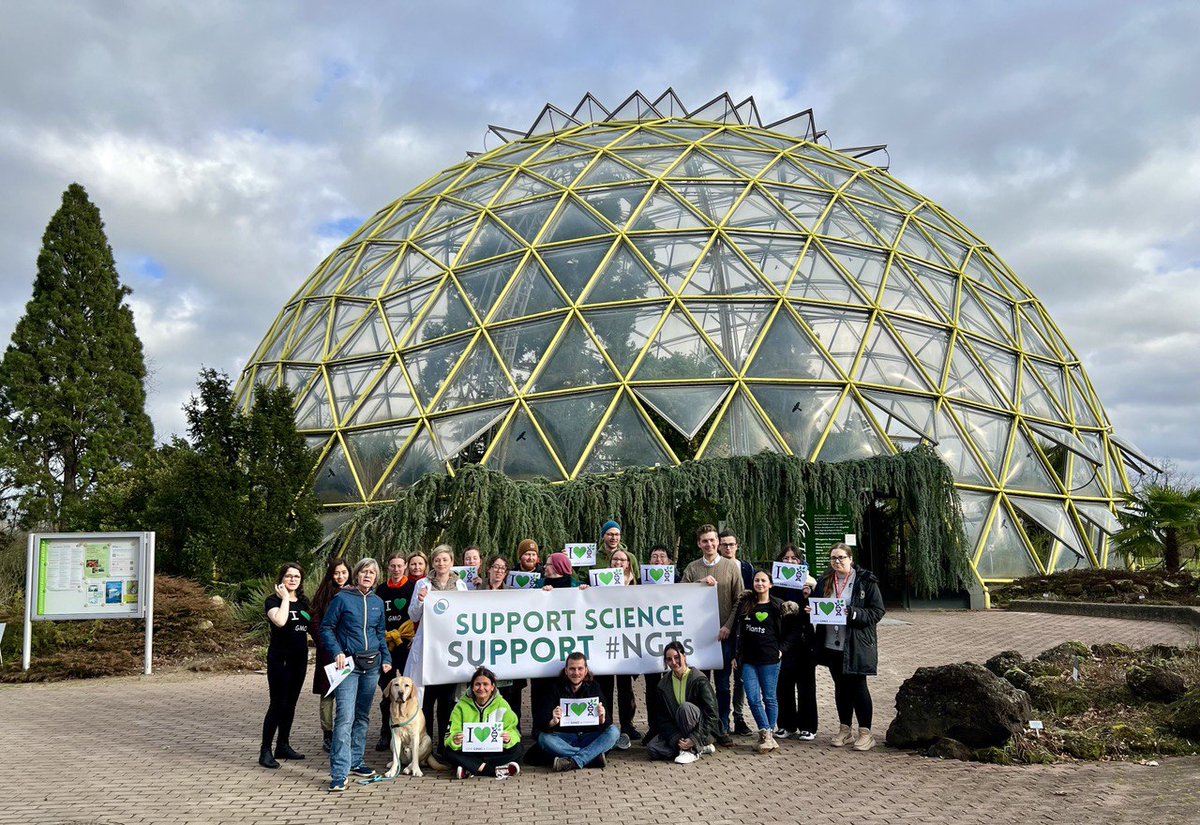
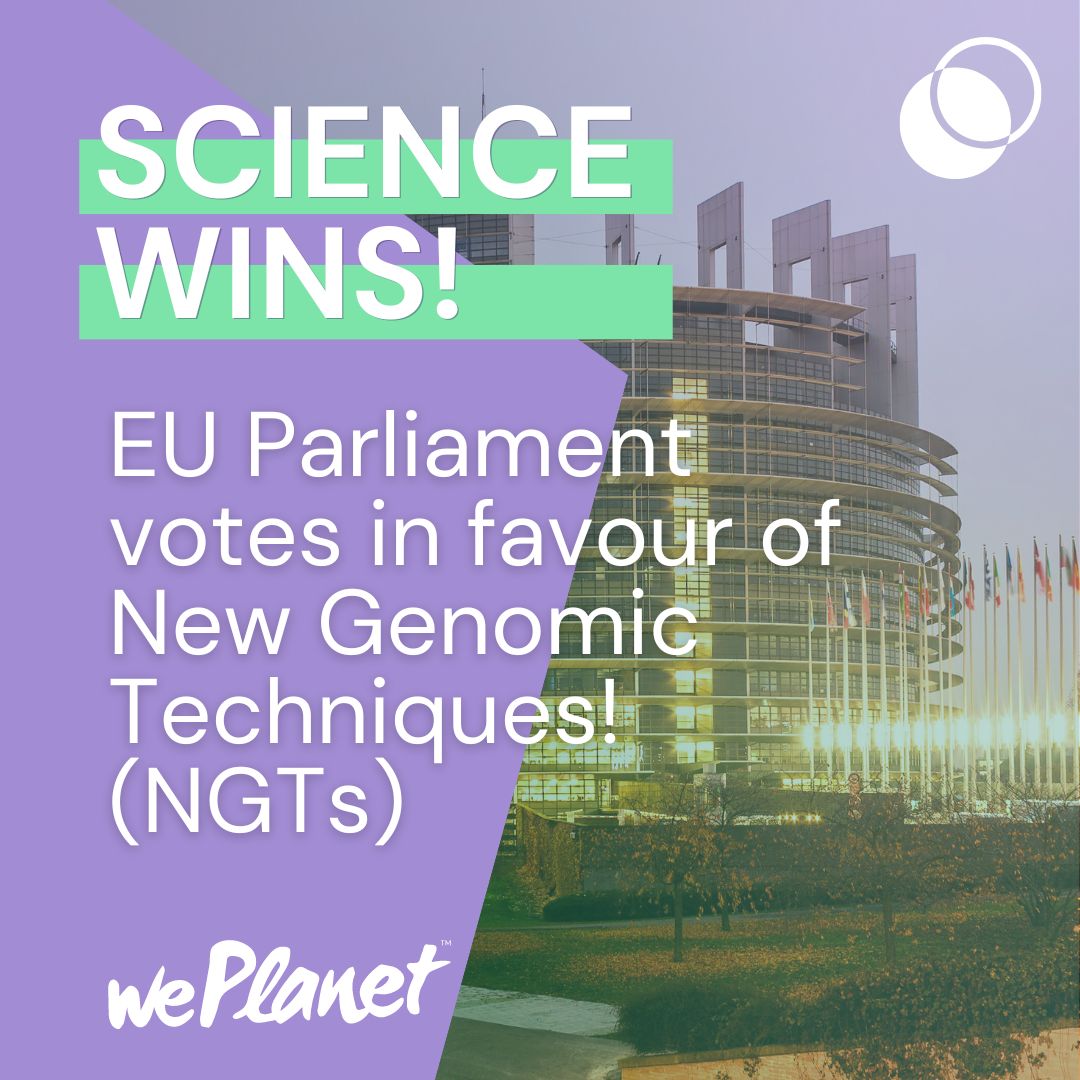
🎉A great success! Today @Europarl_EN has voted YES for the adjustment of the rules for New Genomic Techniques #NGTs! A very important step for EU agriculture!! Thanks to all scientists who contributed to this process over the last years!
Science wins!
MEPs vote in favour of supporting greater use of New Genomic Techniques (#NGTs) in the EU.
This is a huge step toward more sustainable agriculture.
Thank you to everyone who has taken action toward this outcome. 💚🎉