Two frontier labs. One accelerated computing platform. Congrats to @SpaceX and @AnthropicAI on the new compute partnership, powered by 220,000+ NVIDIA GPUs inside Colossus 1. The future of AI runs on NVIDIA.
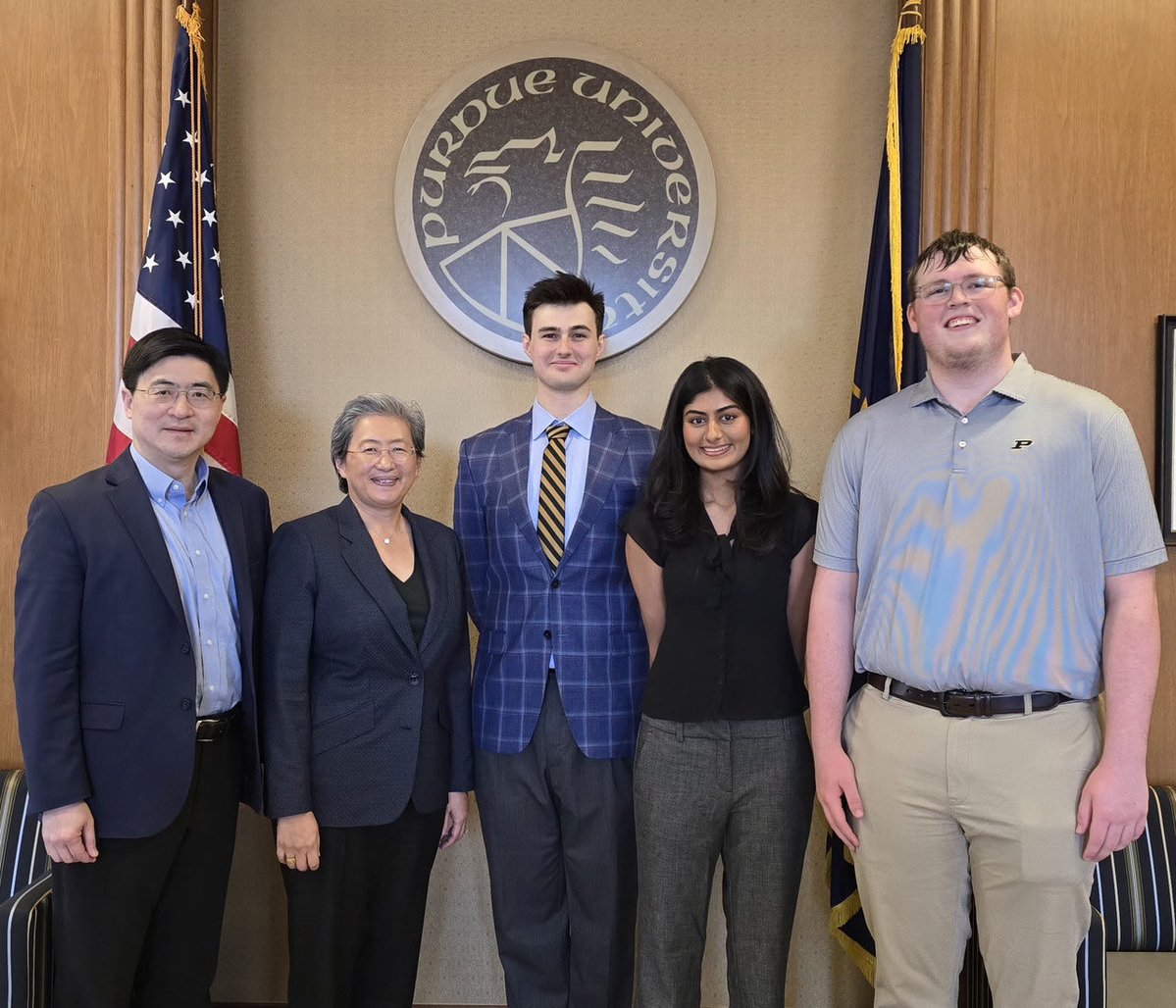
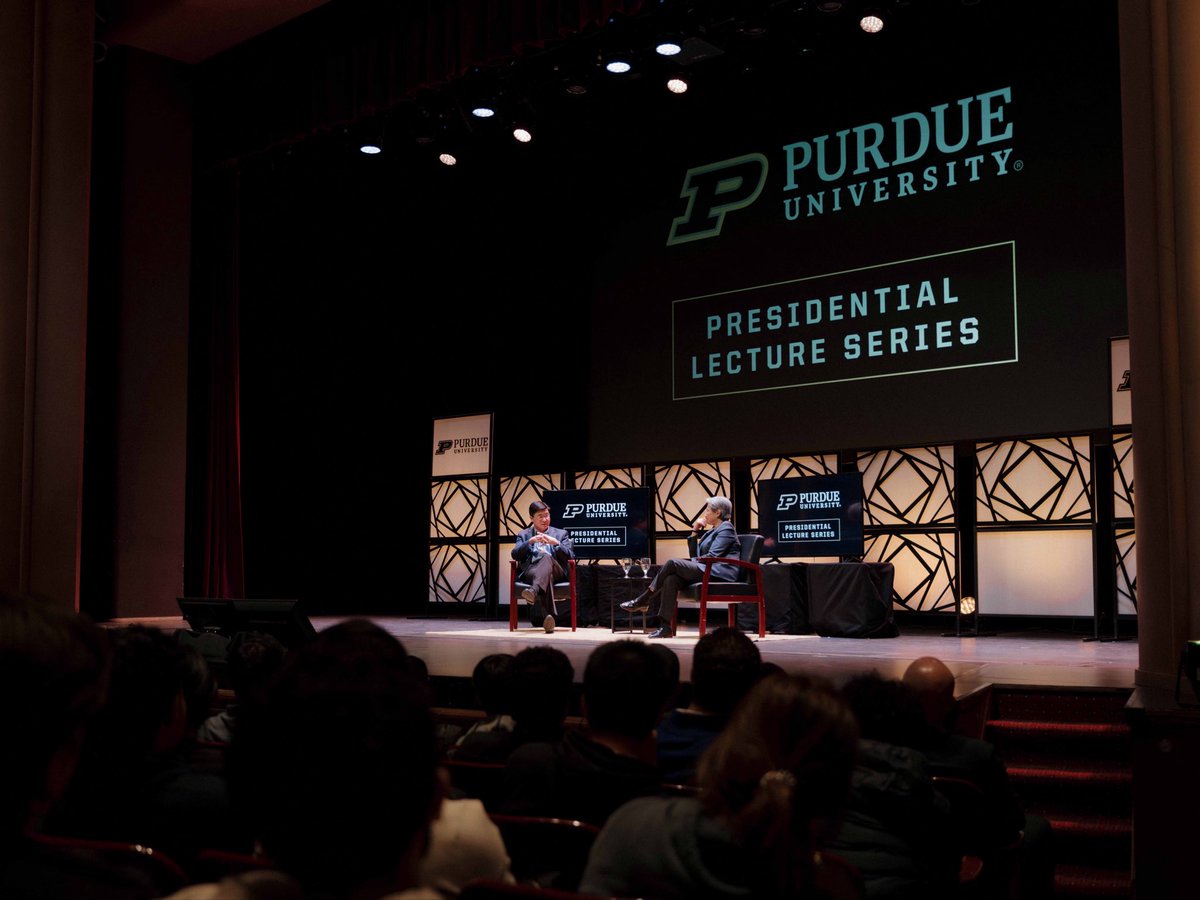
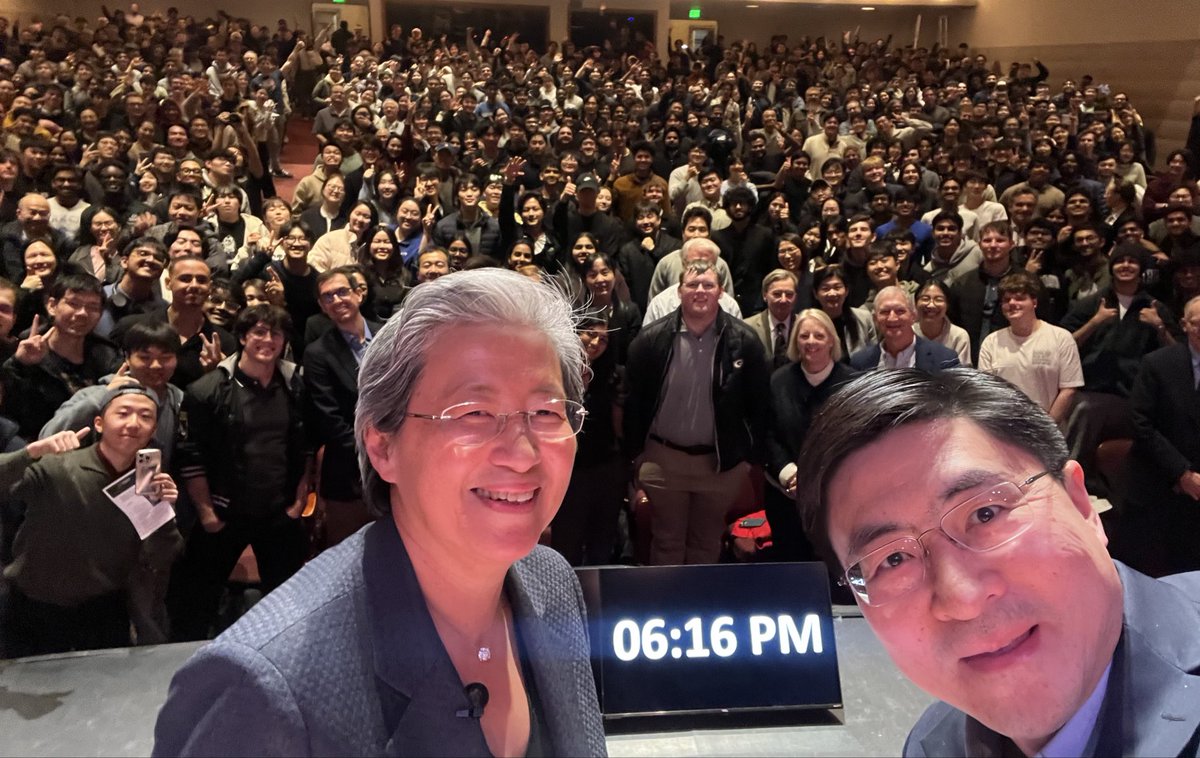
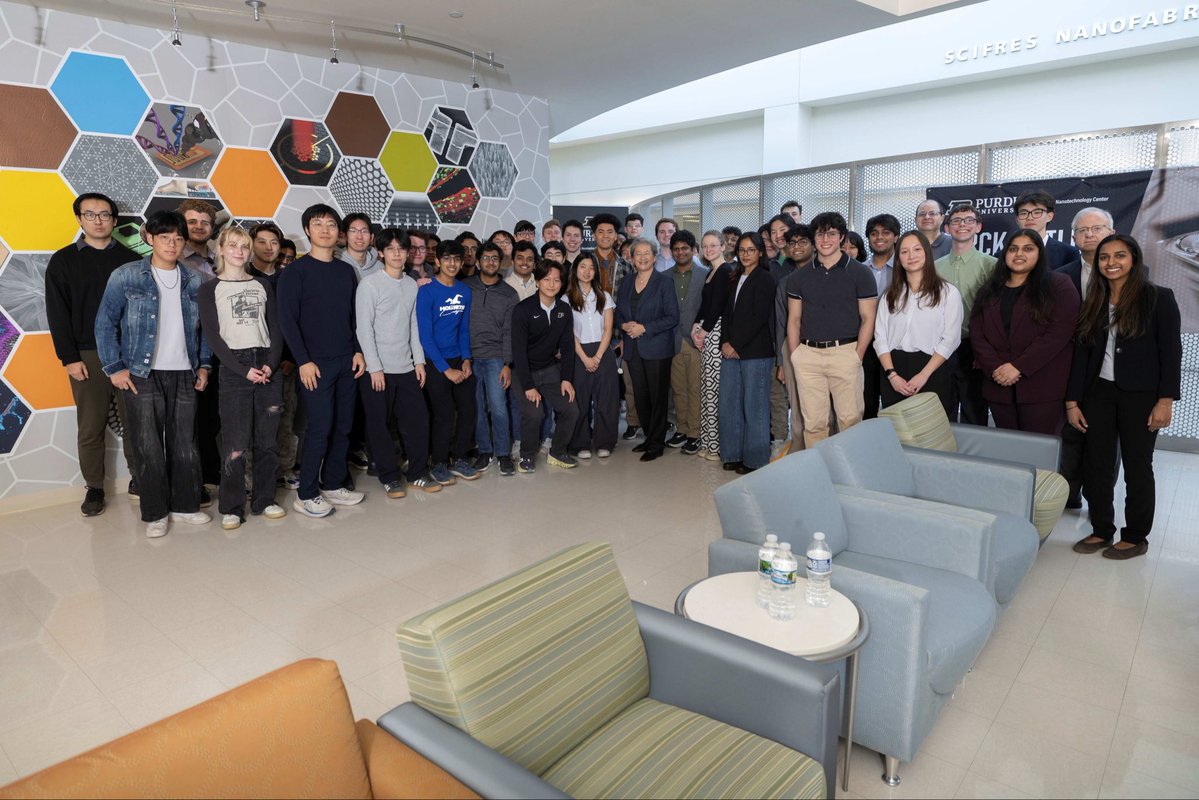
Thank you President Chiang and the entire @LifeAtPurdue community for a great visit. Loved meeting some brilliant students and spending time talking about the future of computing and AI.
Here are some highlights from this past week 🚢:
— Personal Intelligence expanded to AI Mode in Google Search, unlocking Search responses uniquely helpful and relevant to you. Personal Intelligence in Search can securely connect to @Gmail and @GooglePhotos. Connecting these apps is available via opt-in to U.S. AI Pro and Ultra subscribers
— The Gemini app also expanded to 23 new languages, making it available in more than 70 languages and over 230 countries and territories
— We introduced the @StitchbyGoogle MCP Server, which allows you to pipe Stitch creations into tools like @antigravity so you can generate new screens without leaving your IDE, fetch code from any design, give your agent full visual awareness, and more
— We’re launching free, full-length practice exams for standardized tests in @GeminiApp, starting with the SAT practice test that’s available now
Here’s what often gets missed when people think about AI coding. The code may now be free, but the learnings of what to build (and what to build *next*) and how to build it are bottlenecked by the same set of factors as before.
Martin hits on this perfectly: “Changes are the result of a business learnings.”
You only get very useful business learnings once a customer has implemented the *first* thing you shipped, then you learn from their experience, and make updates.
So your ultimate bottleneck on software development is no longer the rate at which you can type code (as it primarily was before), but now the rate at which customers can adopt features and generate a feedback loop for you.
Helpful update for students, you can now take full practice SATs for free in the @GeminiApp.
It uses vetted content from @ThePrincetonRev and gives you feedback straight away. Starting with the SAT today, but more tests are on the way!
Space and defense converge around one edge: information advantage.
Discover how the ARK Space & Defense Innovation ETF captures it.
Holdings, subject to change: https://t.co/QP7iaBveCE
Here's a quick summary of what happened last week with the CLARITY Act.
Now we're all working together to find a win-win scenario for everyone, especially the American people.
We’re excited to be working with @JNJInnovation to accelerate the path to new medicines. This collaboration brings @IsomorphicLabs' AI drug design engine together with J&J’s world-class drug development capabilities to tackle historically difficult to drug disease targets. A big step forward for digital biology! 🧬
$AMZN CEO Andy Jassy said the pace of AI compute consumption right now is unprecedented.
He warned the world simply doesn’t produce enough power or chips to keep up.
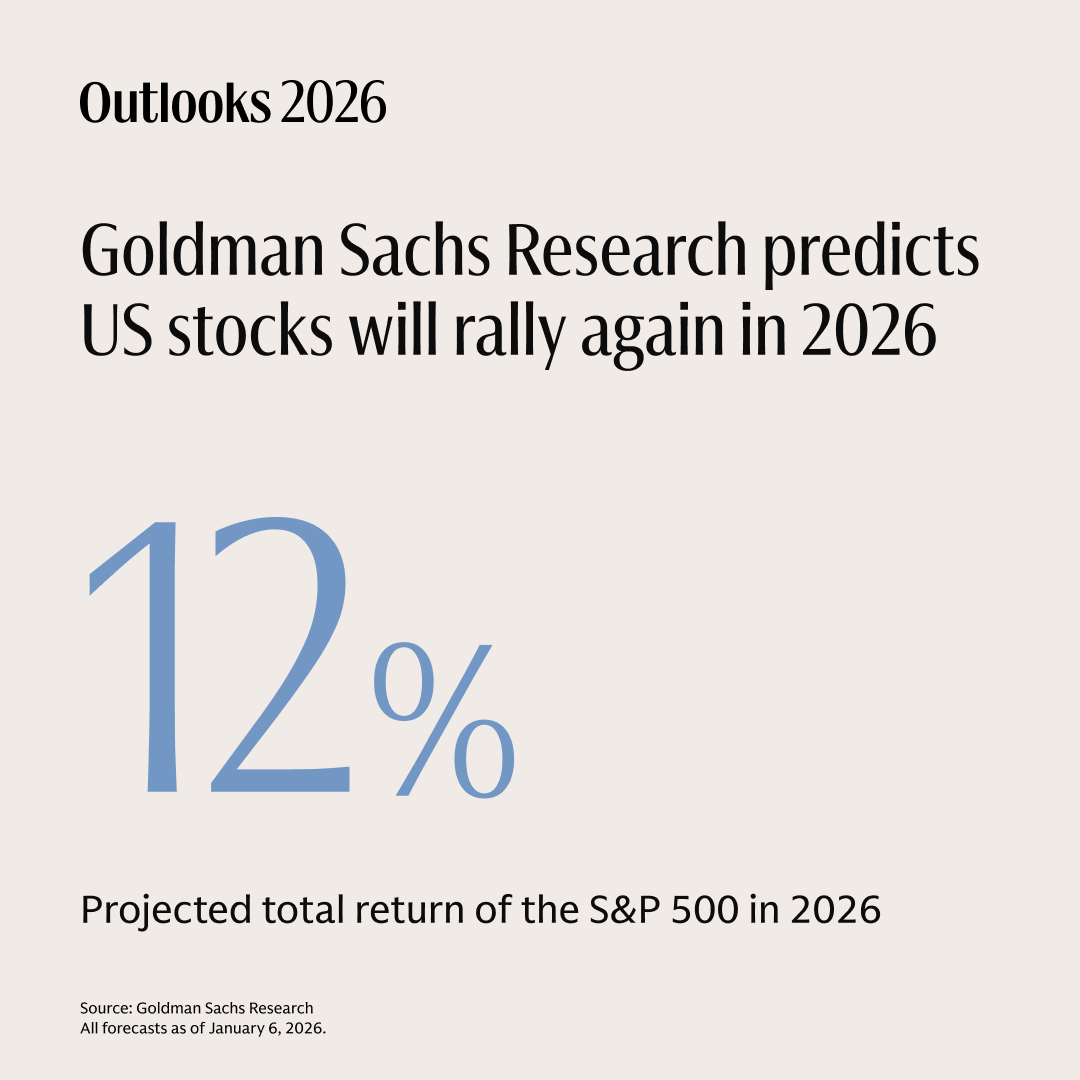
US stocks are forecast to post their fourth-straight year of gains in 2026, according to Goldman Sachs Research. Strong profits, a solid economy, and continued Fed easing are expected to drive the rally.
Read the 2026 US Equity Outlook: https://t.co/wopbMPDawg
As AI labs race to train and deploy new frontier models, existing models become more affordable with better tokenomics.
✨ "Everybody's trying to get to the next frontier. And every time they get to the next frontier, the last generation AI tokens, the cost starts to decline about a factor of 10x every year," said NVIDIA CEO Jensen Huang in a recent keynote.
Model optimization techniques such as speculative decoding and multi-token prediction, combined with inference serving platforms like NVIDIA Dynamo on NVIDIA Blackwell NVL72 systems, enable AI factories to boost throughput by 10x with one-tenth of the cost per token.
Learn more about AI factory tokenomics ➡️ https://t.co/5zo45gjGjI
Jeff Bezos $AMZN believes AI is an industrial bubble — where market frenzy pushes billions of dollars into newly founded companies with 5–6 people and no product.
Just look at:
• Thinking Machines by Mira Murati, valued at $12B
• Safe Superintelligence by Ilya Sutskever, valued at $32B
In a context like this, the real skill is knowing how to separate the winners from the rest.
The benefits to society from AI will be gigantic.
The challenge is not missing them — and not losing money by backing the wrong ones.