fun fact: um único celular desse equivale a 5 bolsas de mestrado e 3 de doutorado da CAPES, 8 bolsas de tecnico da CNPq e 13 bolsas de iniciação científica
We've seen the Shingles vaccine is linked with reduced risk of Alzheimer's and dementias in 4 large natural experiments.
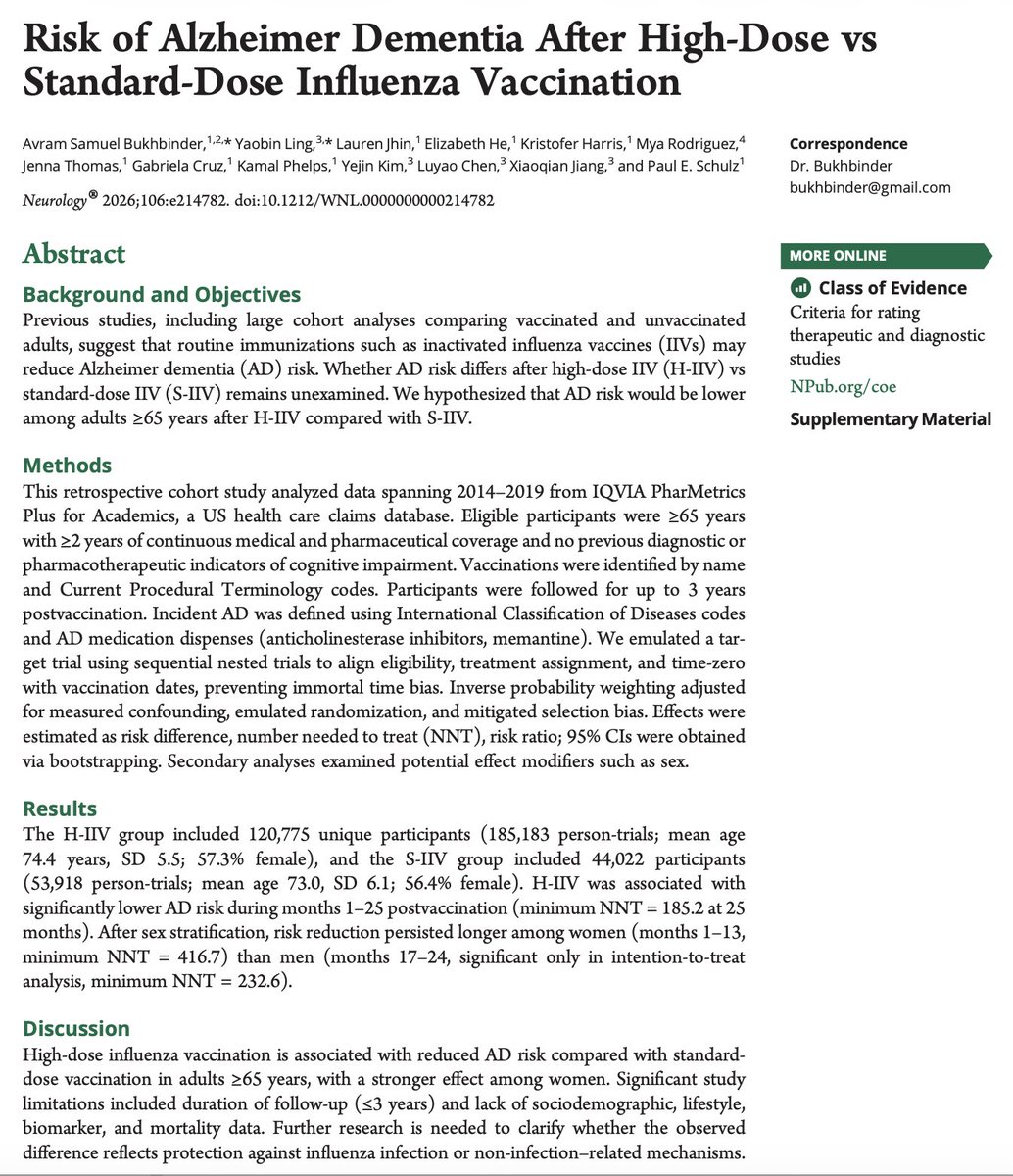
Today, the potential of high-dose flu vaccines vs standard dose for the same in a large retrospective age 65+ cohort [N>160,000). More pronounced in women (like Shingles vaccine)
https://t.co/dxYzURf7QH
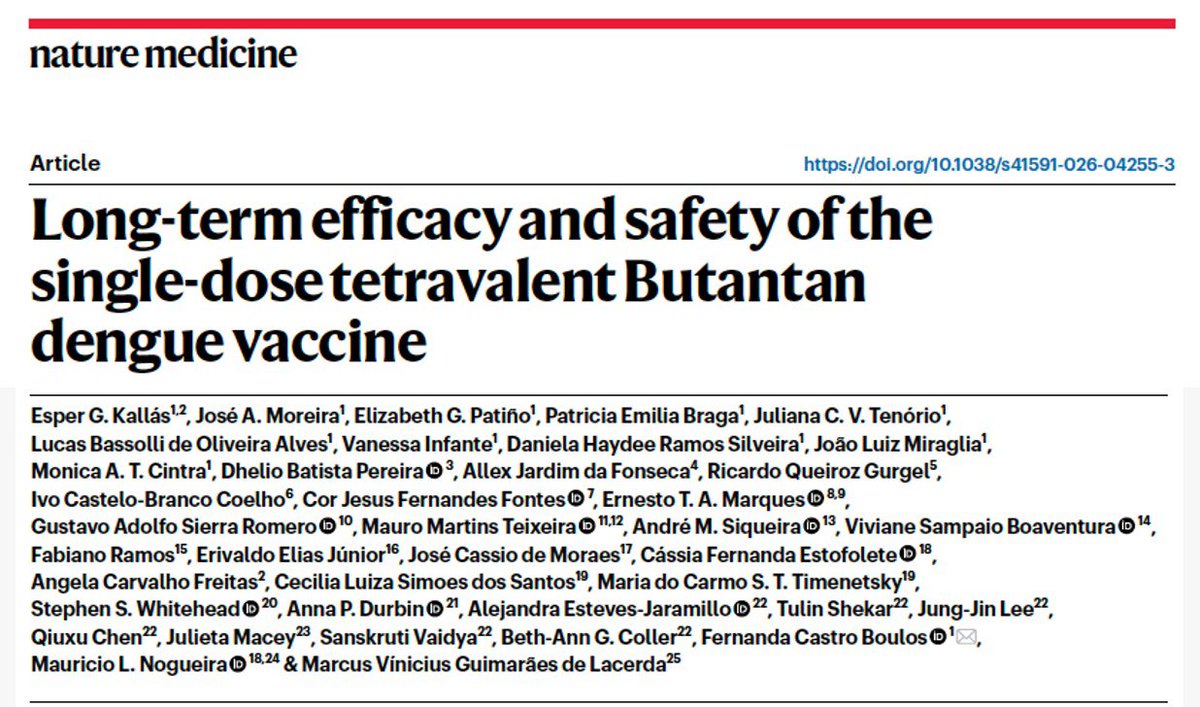
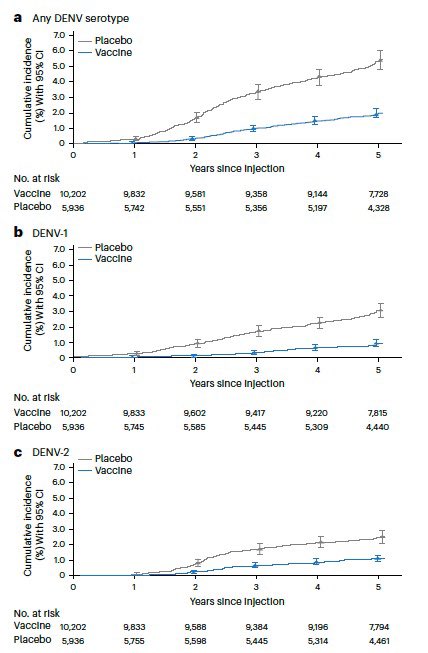
We report in Nature Medicine that the single-dose Butantan dengue vaccine showed 65% efficacy against symptomatic dengue and 80.5% protection against severe disease over 5 years, with a favorable safety profile in participants aged 2–59 in Brazil.
Vorholt Lab re-created endosymbiosis in the lab: injected bacteria into a fungus and evolved a heritable partnership.
Evolution, fast-forwarded.
https://t.co/PcLCB7x7aQ
Scripps Research scientist Prof. Jeffery Kelly received an unexpected visit from a patient whose life was dramatically improved by tafamidis—a revolutionary drug for treating neurodegenerative and heart diseases, developed by Kelly himself. #NationalPatientRecognitionWeek
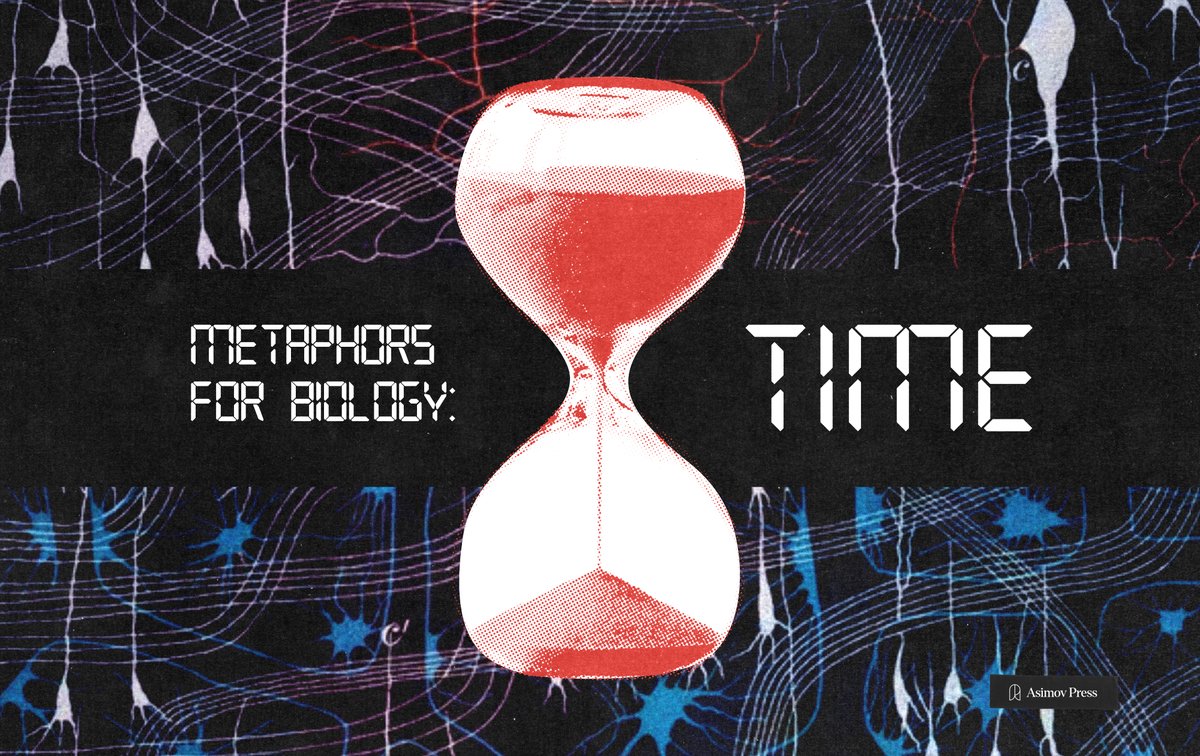
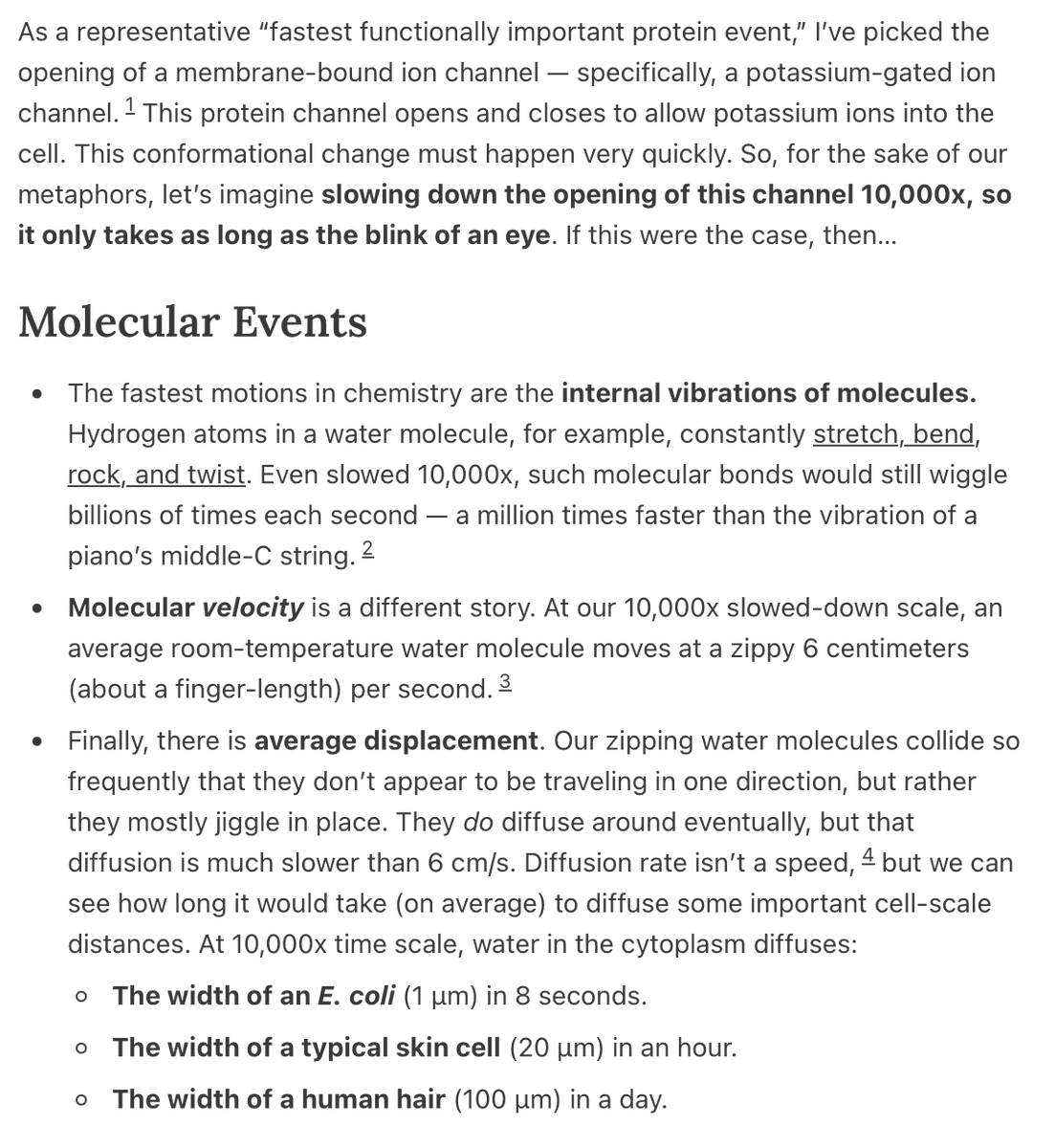
A cell is an incredibly crowded and quick place.
Sugar molecules fly through at 250 mph. Each protein collides with ten trillion water molecules per second. It is difficult to understand biology, in part, because these speeds boggle the mind.
For our column today, author Sam Clamons puts these numbers into context using a quantitative metaphor. Specifically, by setting the speed of a potassium ion channel opening to the blink of an eye, Clamons examines how quickly everything else in the cell happens in comparison.
Here are some of our favorite metaphors:
- A water molecule would diffuse across a skin cell in about one hour.
- It would take about 6 days to translate a single protein.
- A kinesin motor would take one step every 30 seconds.
- Most proteins in the cell would have a median half-life of 300 days!
Check out the full piece :)
Structural biology's century of progress has deepened our understanding of life's processes and enabled breakthroughs in medicine and biotechnology--Happy 100th!
https://t.co/0ZdGdiWuIF
Electron microscopes are one of the great feats of human engineering.
These towering metal tubes, filled with detectors and electromagnetic coils, are used to image the smallest of molecules.
Our latest essay by @_SmrithiSunil is a deep dive into the making of these machines.
This year’s Nobel Prize in Physiology or Medicine has been awarded to three scientists for discovering a class of immune cells that help to prevent the body from attacking its own tissues
https://t.co/ftoijukOAN
BREAKING NEWS
The 2025 #NobelPrize in Physiology or Medicine has been awarded to Mary E. Brunkow, Fred Ramsdell and Shimon Sakaguchi “for their discoveries concerning peripheral immune tolerance.”
Primatologist, conservationist, animal advocate, educator, and National Geographic Explorer Jane Goodall has died at age 91. Goodall’s decades of research into the lives of wild chimpanzees transformed our understanding of these intelligent apes. https://t.co/i3qzfDIAzg
This is a big advance, folks. We've never had a disease-modifying drug for this devastating inherited disease
https://t.co/mZUmxYyII0
https://t.co/j3QTXcIEZM
https://t.co/VKWBGeE2aP
Today in @ScienceMagazine, we report a new DNA editing technology to seamlessly write massive changes into the right place in the human genome.
The reason gene editing hasn't transformed human health is that current gene editing technologies like CRISPR are very limited.
The problem with CRISPR is that it cuts up your DNA, and then hopes that unreliable cellular DNA repair will make the wanted edit. @geochurch famously called it genome vandalism. More precise versions of CRISPR only edit less than 100 bases - often only a single base. Therefore, it's not suited to make large changes safely.
However, most diseases are not the result of mutations in one location. Instead, their causes are spread all across the 3 billion base pairs in the genome.
We found bridge RNAs in bacterial “jumping genes” that allow us to make safe and arbitrary changes (insert, cut out, or flip) to every nucleotide within (up to) a 1 million bp sequence in your DNA.
In the paper, we show that we can correct the disease-causing DNA repeats that cause Friedreich's ataxia (which is a rare neurological disease). The same approach could be applied to Huntington’s and other repeat expansion disorders.
At @arcinstitute, we're working towards a full Turing machine for biology. Evo, our DNA foundation model, helps us design the optimal healthy DNA sequences. And Bridge recombination gives us the ability to seamlessly write these changes into the right place in the genome.
This work was a wonderful collaboration with my @arcinstitute cofounder @SKonermann and led by the indefatigable @ntperry13, alongside our amazing bridge editing team: @BartieLiam@dhruvakatrekar@Gabogonzalez515@mgdurrant@james_jw_pai@AlisonFanton Juliana Martins Masa Hiraizumi @chiaroscurale@hnisimasu