NOW OUT @ScienceMagazine 🧬🐾🤓
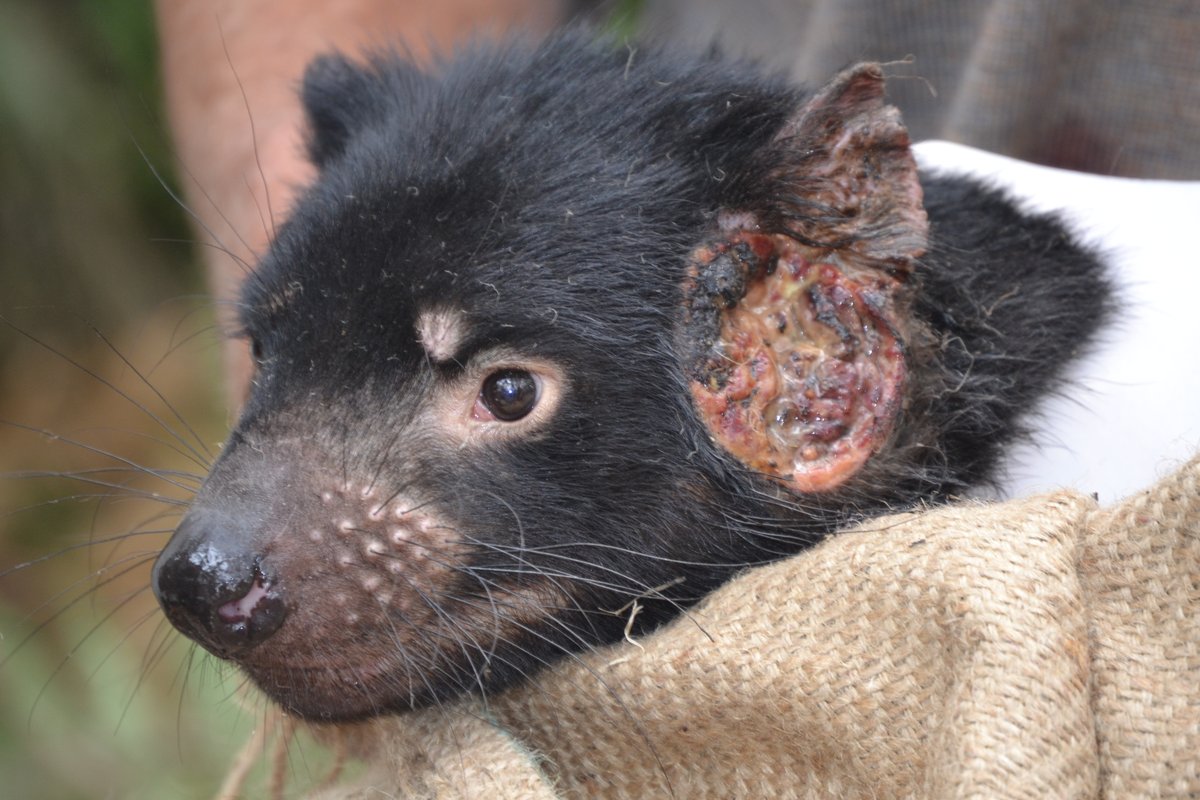
“The evolution of two transmissible cancers in Tasmanian devils”
A 🧵 on our deep DNA sequencing dive into the startling genetic history of contagious tumours (1/n)
👇
https://t.co/XuV9LctJ4f
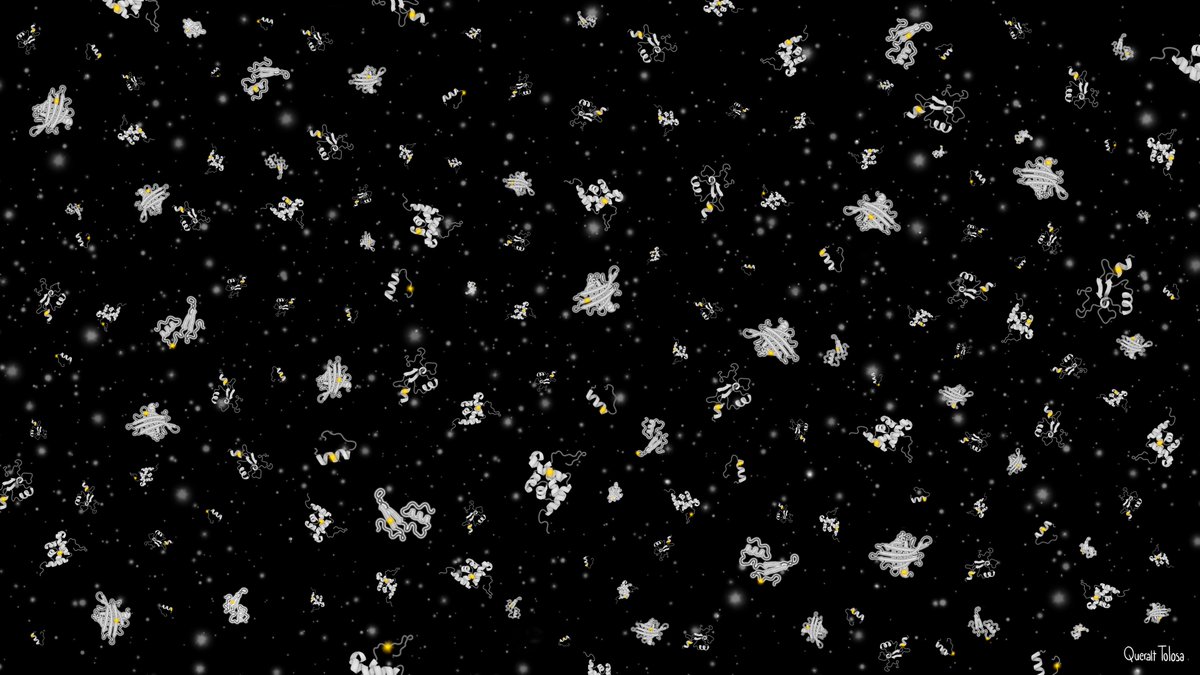
Introducing Human Domainome v1, the largest and most comprehensive library of human protein variants to date, which maps the effects of +500K mutations across 522 domains. The study by @BenLehner and Toni Beltran @mutatoni is out in @Nature.
✍️ Illustration by @QueraltTolosa
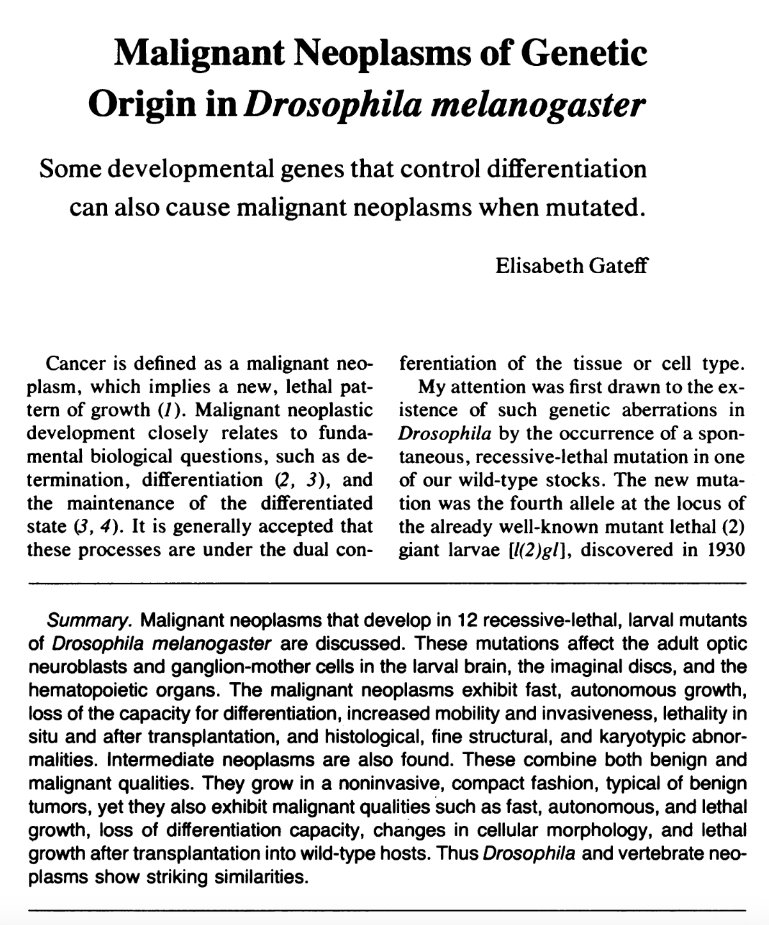
Can't help but also mention these fascinating works by award sponsor Elisabeth Gateff (photo). Already back in 1978 (!), she documented the genetics of various tumour types in Drosophila larvae – years before the first human oncogenes were cloned:
https://t.co/7JOmgYhOZb 🪰
A major challenge in treating rare genetic diseases is the huge number of causal variants in different individuals. This led to assumptions that any given treatment would be suitable only for a small fraction of patients
Opening the session on “Comparative genomic models of disease”, Elizabeth Murchison from @Cambridge_Uni talks about transmissible cancers and when cancer cells become infectious agents.
Excited to share our latest work. We introduce an improved version of NanoSeq, a duplex sequencing protocol with <5 errors per billion bp in single DNA molecules, and use it to study the somatic mutation landscape of oral epithelium in >1000 people. 1/n https://t.co/KBjrDfrxlj
Strainy is finally out! It enables assembly of individual strains from ONT and Pacbio metagenomes. The secret ingredient is multi-allelic phasing algorithm that does not make assumptions about number and abundance of haplotypes. Unpaywalled link - https://t.co/g1TShFOQ5T
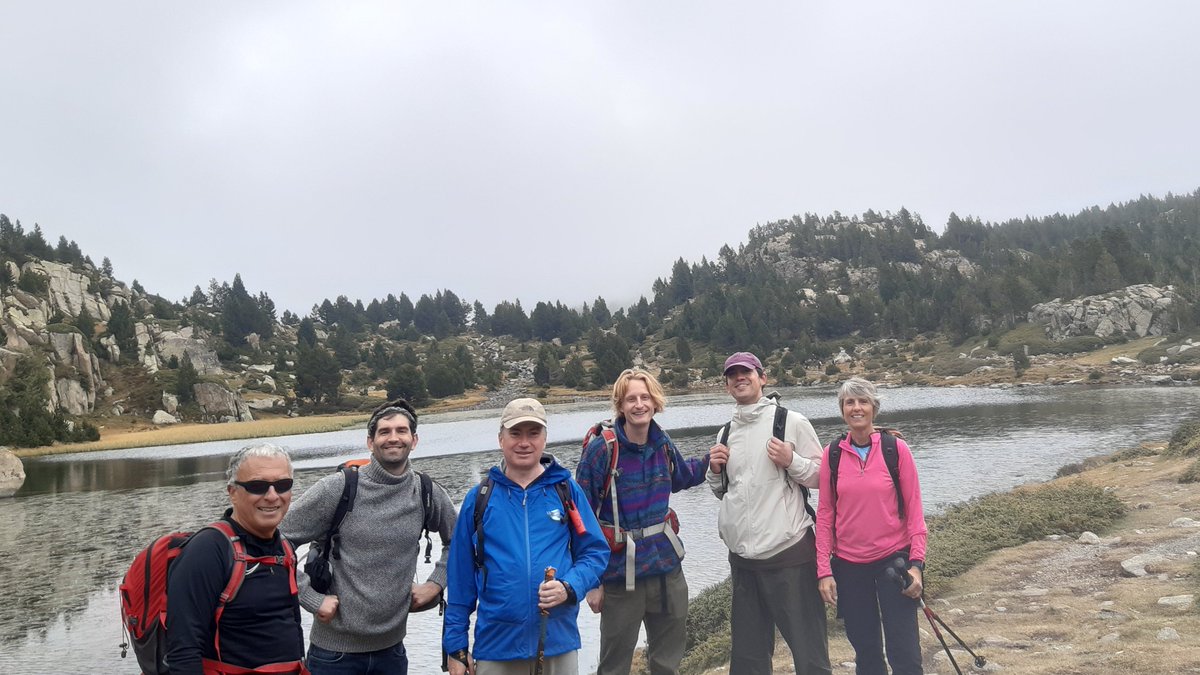
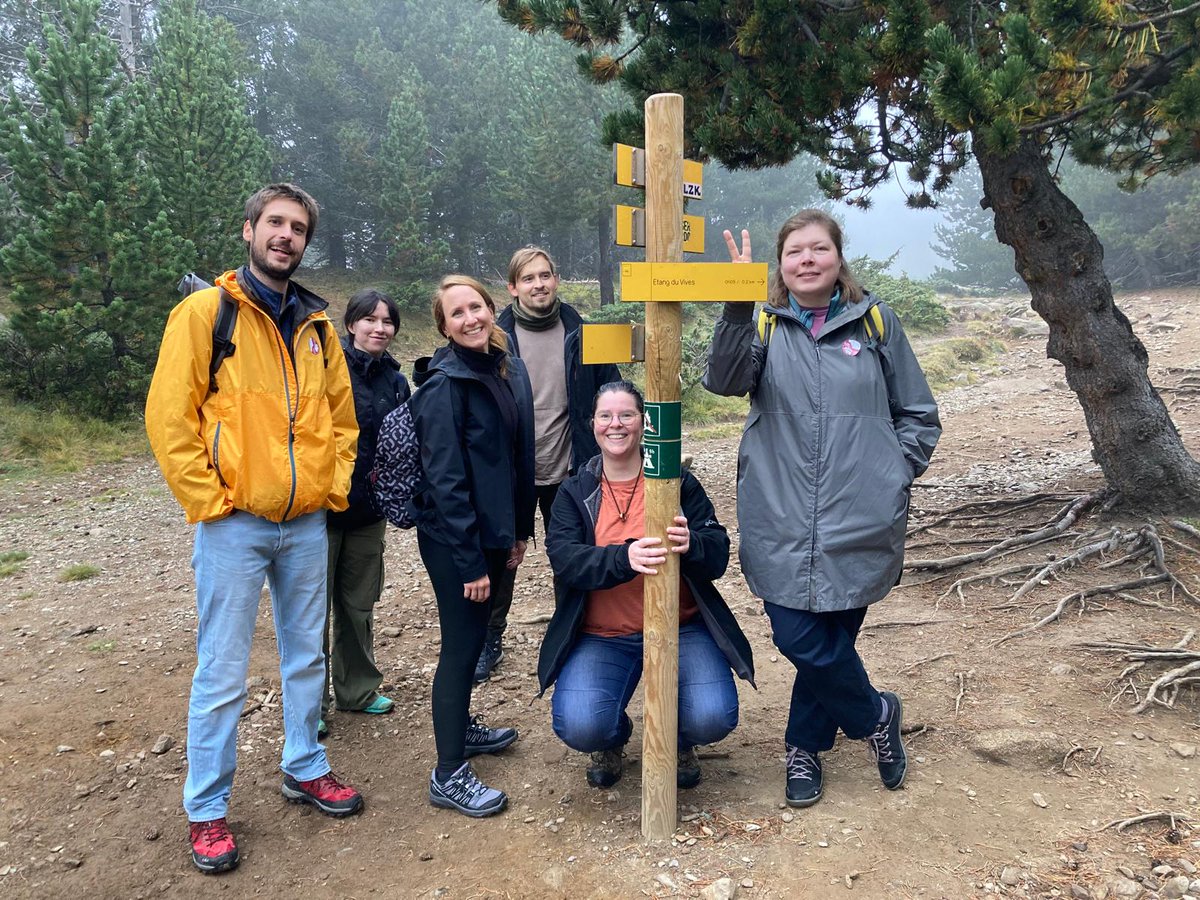
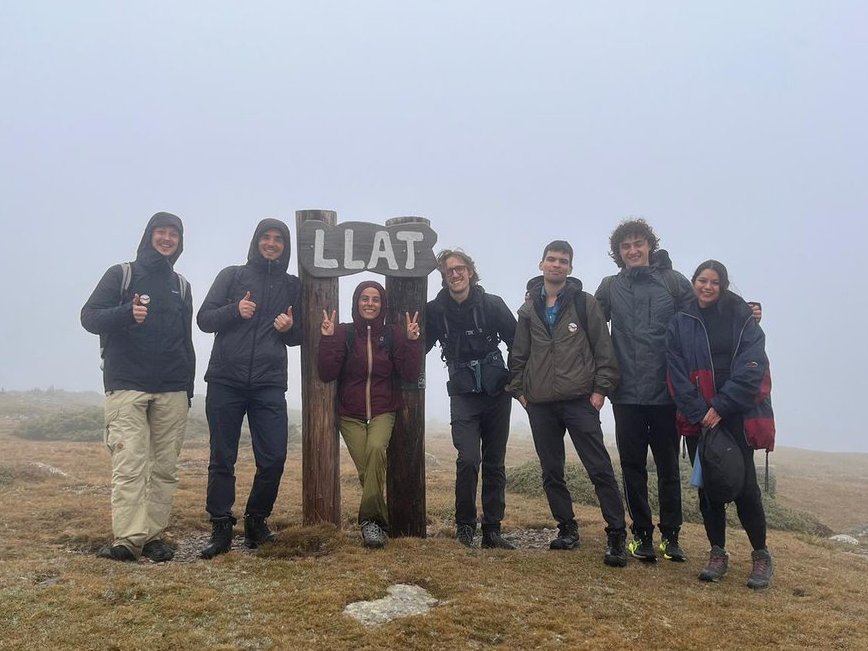
⛰️🧬🥾Last weekend 30 @CRGenomica colleagues from both scientific and administration communities teamed up for a pilot #CitizenScience activity🧑🤝🧑, collecting water samples from Pyrenean lakes! #PyriSentinel @CTPPOCTEFA 🇪🇺
The Genetic Architecture of Protein Stability @Nature
1/ 🧬 Simplified protein stability landscape: This paper reveals that the genetic architecture governing protein stability can be surprisingly simple. It demonstrates that additive energy models can predict phenotypic outcomes from complex mutations, debunking the idea that highly complex models are necessary.
2/ 🔍 Large-scale mutation experiments: The study explored vast sequence spaces with over 10 billion genotypes and found that most phenotypic changes could be predicted using additive energy models, where interactions between mutations are minimal and sparse.
3/ 💡 Energetic couplings: While most genetic interactions are additive, the paper highlights that some pairwise energetic couplings (interactions between mutations) are structurally related and important for more accurate predictions in some proteins.
4/ 🧠 Simple and interpretable: Instead of relying on deep learning models with millions of parameters, the authors used simple thermodynamic models that are interpretable and mechanistically insightful, showing that complexity isn't always necessary for understanding protein function.
5/ 🔬 Practical applications: These models could have broad applications in fields such as clinical variant effect prediction, protein engineering, and drug design, providing a robust tool for predicting the stability of protein structures with numerous mutations.
6/ 🌐 General principle: The study suggests that this simplicity in the genotype–phenotype relationship might be a general principle across macromolecules, offering insights into the evolutionary and functional constraints of proteins.
@BenLehner@JoernSchmiedel@ainamartiaranda@aj4re
💻 Code: https://t.co/zO8gDbBzF9
📜 Paper: https://t.co/LdCdB83d0v
eDNA tweeps! Watch out for one of the most exciting and ambitious environmental genomics initiatives in recent years: #PyriSentinel 🧬🌊
Ready to generate >300 high-mountain lake metagenomes from the French, Andorran and Spanish Pyrenees 🇫🇷🇦🇩🇪🇸🌄
https://t.co/YP6v95ejly
(1/9)