I am delighted to share that my postdoc work is now out in @ScienceMagazine.
We investigated the resident #macrophage#KupfferCell compartment in liver #fibrosis and made some surprising observations! (1/17)
https://t.co/0Zipdu7W4U
Honored to receive the Else-Kröner-Fresenius Excellence Scholarship! Looking forward to driving our research on liver inflammation and liver cancer forward.
📣 EKFS fördert medizinische Spitzenforschung mit neun Exzellenzstipendien. Die Fördersumme pro Stipendium beträgt bis zu 350.000 Euro. Lesen Sie hier, wer sich erfolgreich durchgesetzt hat. https://t.co/iXbiDpPRaY
@Dr_David_Simon, @FSchererMD, @LCAdamsRad, @moritzpeiseler
📣 EKFS fördert medizinische Spitzenforschung mit neun Exzellenzstipendien. Die Fördersumme pro Stipendium beträgt bis zu 350.000 Euro. Lesen Sie hier, wer sich erfolgreich durchgesetzt hat. https://t.co/iXbiDpPRaY
@Dr_David_Simon, @FSchererMD, @LCAdamsRad, @moritzpeiseler
🧬 What can imaging teach us about liver immunity?
In this exclusive Q&A, Dr Moritz Peiseler @moritzpeiseler, specialist in internal medicine and group leader at Charité University Medicine, shares how intravital microscopy, AI, and spatial omics are helping to map the immune landscape of the liver.
Discover how emerging tools are advancing our understanding of fibrosis, macrophage plasticity, and the future of liver immunology.
🔗 Read the full interview:
https://t.co/lDaI3MrFM1
#LiverImmunology #Hepatology #AIinHealthcare #ClinicianScientist
We have obtained funding for a collaborative research consortium from the @dfg_public to investigate disease mechanisms in MASLD. Charité offers a great research environment and collaborator are fantastic! @tackelab @CancerInflam@Kubes_Lab
https://t.co/opxWd8HtU6
You have a PhD in immunology? An interest in the liver? I am looking for a talented postdoc to conduct cutting-edge research on liver macrophages using intravital microscopy, scRNA/ATAC seq and spatial transcriptomics in mouse models and patient samples.
https://t.co/K43SyiPTXa
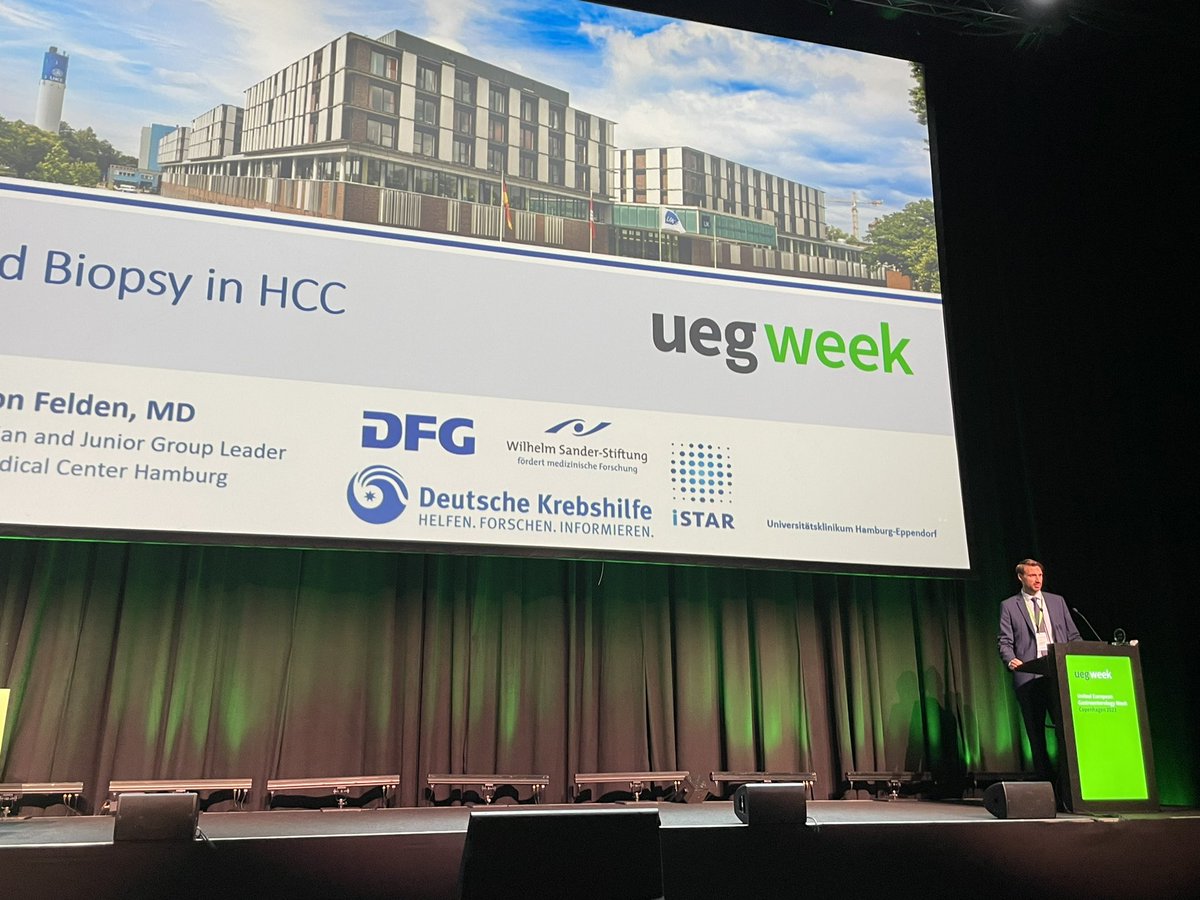
Don't miss this exciting presentation by our Rising Star @moritzpeiseler at UEG Week 2025: "The dynamic liver macrophage niche in health and disease: Lessons from using intravital microscopy".
🗓️ Date: Monday, October 6
🕒 Time: 09:10 – 09:30
🔗 https://t.co/RC62QosA8Y
I’m happy to share our latest work on tumour necrosis! During my time in the @megeblad lab, we found that tumour necrosis is not a passive phenomenon secondary to tumour growth, but an active phenomenon driven by neutrophils and NETs! Thread below: (1/13)
https://t.co/Tr0nHLXRzz
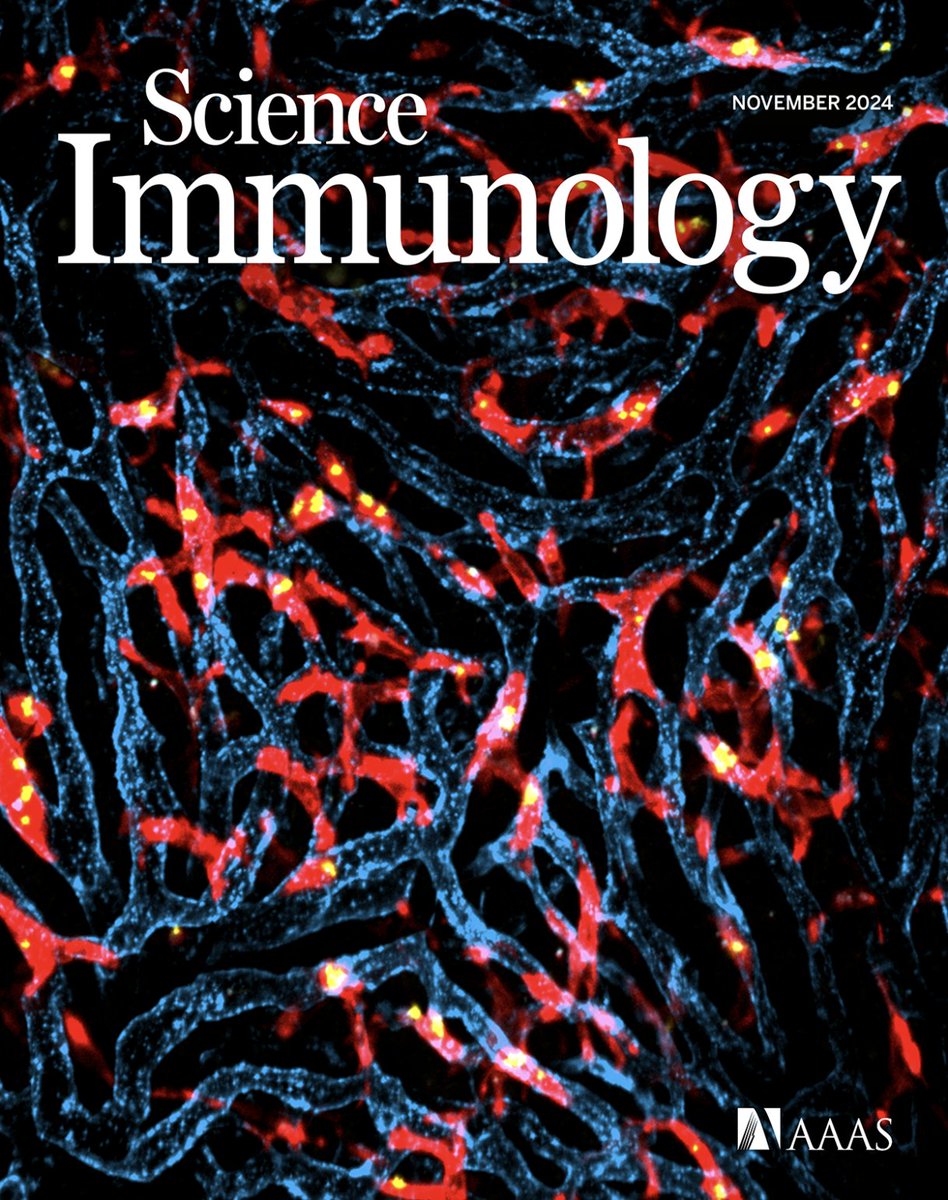
New research from @Kubes_Lab suggests that delayed migration of #Kupffer cells into the liver’s blood vessels increases susceptibility to bloodstream bacterial infections in #newborns. @brunaraujodavid
Learn more in Science #Immunology: https://t.co/wgxWLgLvGn
I’m delighted to share my postdoc work is now out in @SciImmunology!
We investigated the role of liver-resident macrophages, #Kupffercell, in newborn bacterial infections and their link to #sepsis and #meningitis, unveiling a surprising phenomenon.
https://t.co/8RBMauoEIJ
Notch signaling regulates macrophage-mediated inflammation in metaboli... https://t.co/bPHR9Yq3ap
Very happy to share our latest work on the spatio-temporal regulation of macrophage differentiation in MASH!
1/ We are excited to report the discovery and mechanistic exploration of human AR complete CCR2 deficiency in @CellCellPress. Surprisingly, CCR2 deficiency underlies two narrow phenotypes: progressive polycystic lung disease and mycobacterial disease (https://t.co/CqtZkU6Qdd).
I am excited to announce that the Zindel Lab is hiring PhD students. Please feel free to PM me if you have questions. Otherwise: Apply or RT please!
https://t.co/fh7CTSEW51
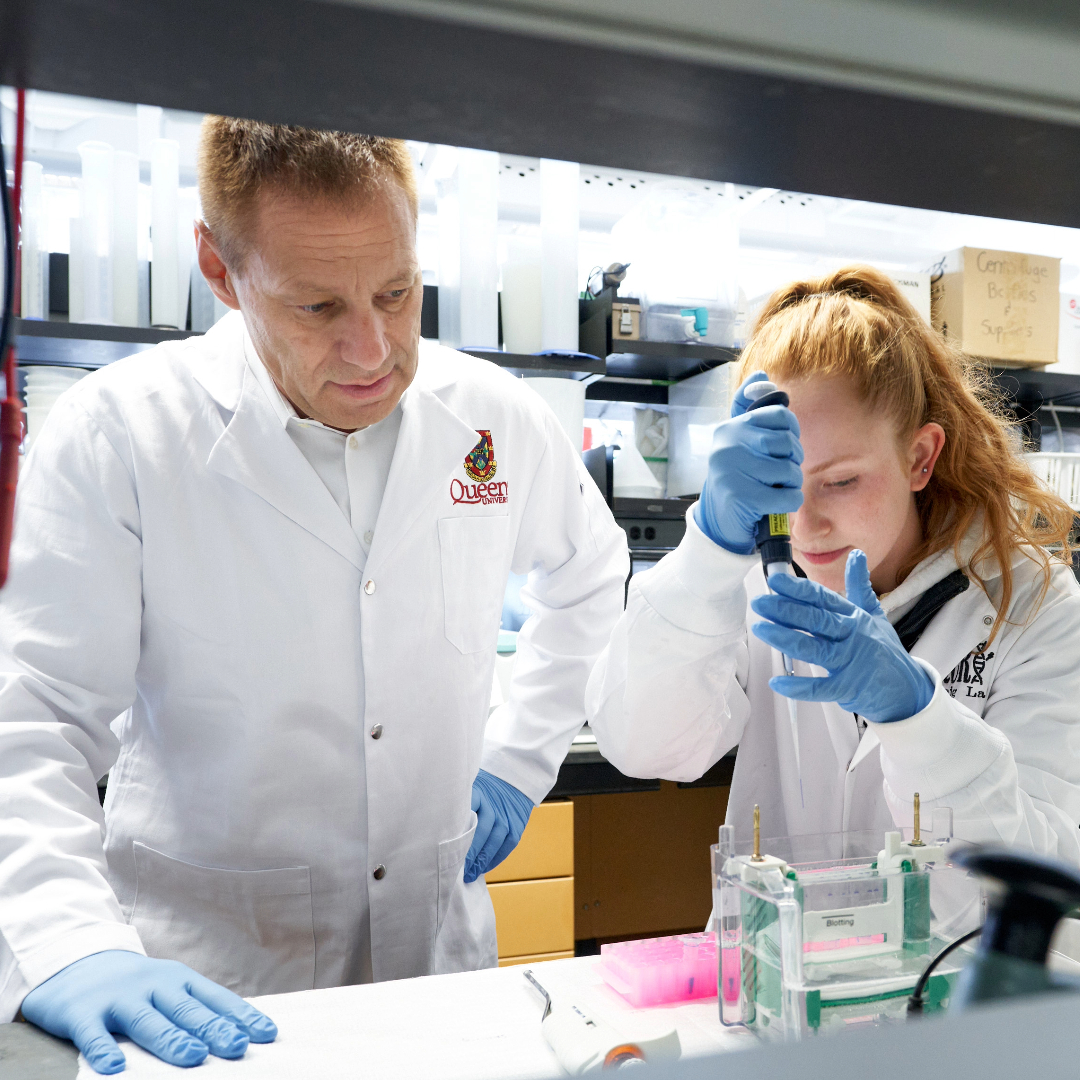
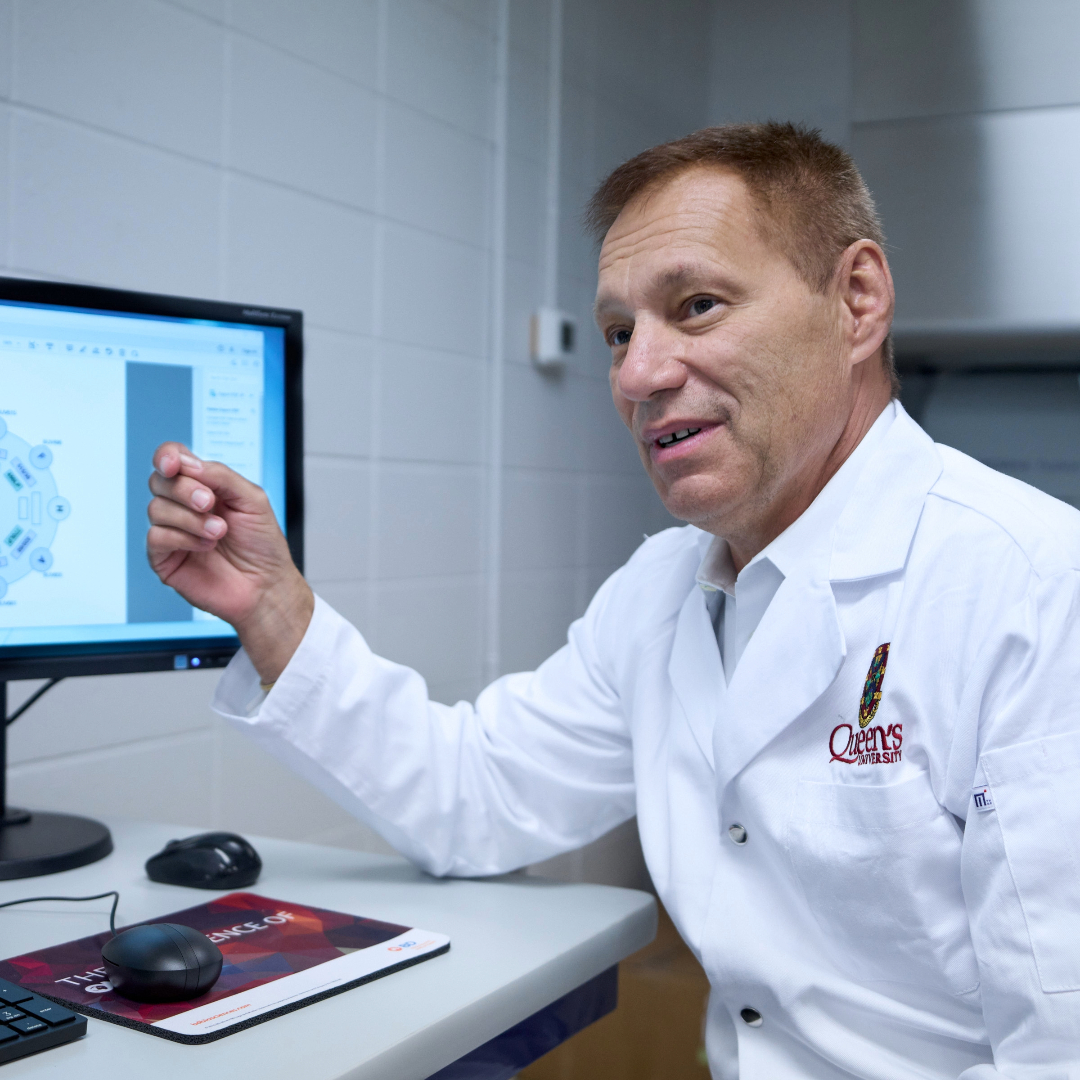
Dr. Paul Kubes, #QueensU’s new Canada Excellence Research Chair in Immunophysiology and Immunotherapy, recently spoke to the Queen's Gazette on real-time imaging, inflammation, and the body’s response to infections and injuries.
To learn more, read the full interview here: https://t.co/OKWJACODMa
#QueensUniversity #QueensuResearch #Immunology #CanadaExcellenceResearchChair #CERC
Excited and relieved to share with you our microglia-sufficient brain organoid work just online @Nature https://t.co/cCVFTUqq4h
IPSC-derived microglia reprogram them metabolically! And make them mature faster!
I am excited to share that I was accepted into the DFG Emmy Noether program. For the next six years, our laboratory will study the (patho)physiology of platelet clearance and its feedback to platelet production in the bone marrow.
To celebrate the @CytokineSociety#cytokines2023 meeting, @SciImmunology has just published a free sample collection of recent research articles highlighting the critical role that #cytokines and #chemokines play in health & disease!
https://t.co/btFEvBpXup