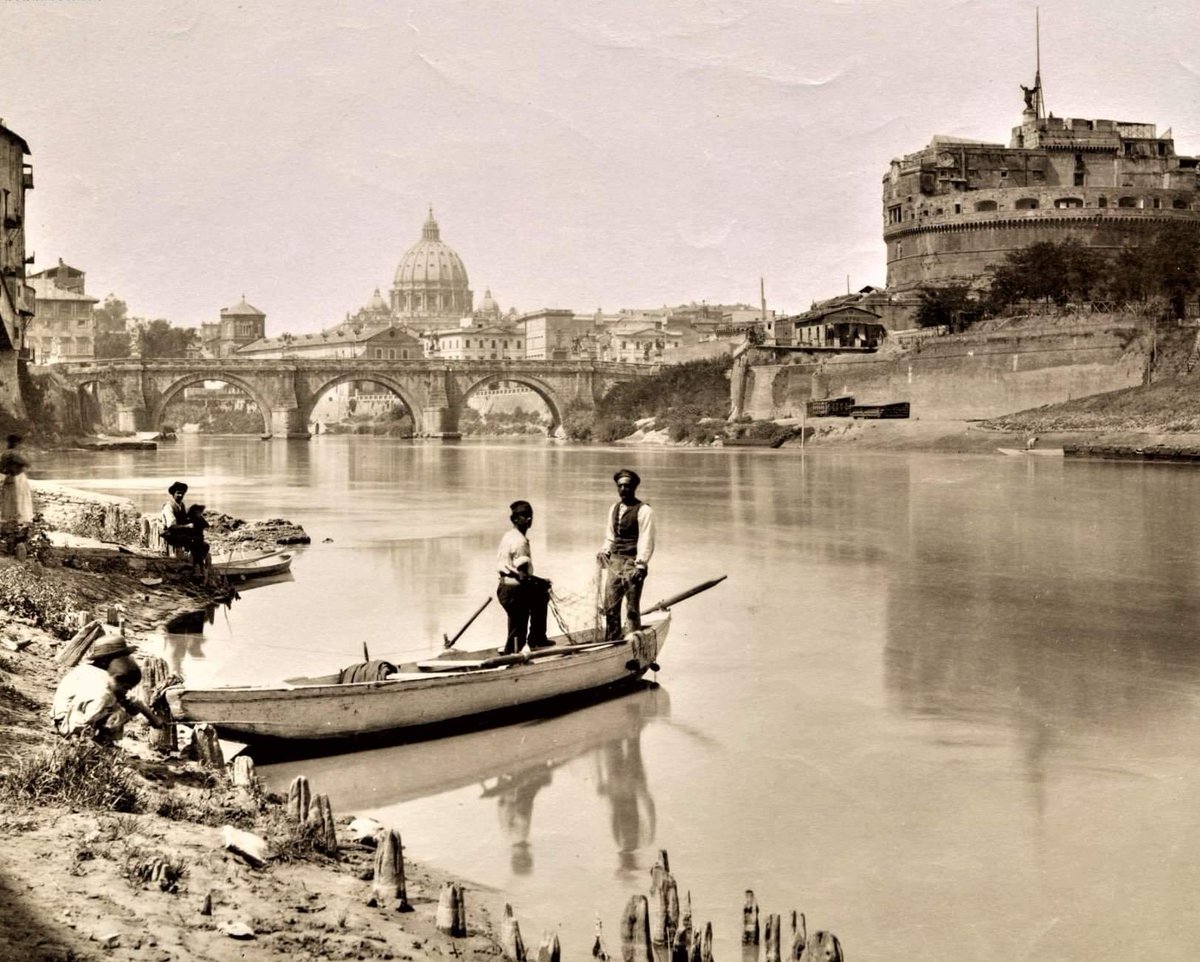
🚣♂️ El Tíber a finales del siglo XIX, antes de la construcción de las murallas. Al fondo, detrás del puente y del castillo de Sant'Angelo, puede verse la cúpula de la basílica de San Pedro en Vaticano.
The U.S.-Iran crisis is giving renewable energy a boost in emerging countries (ex-China) as oil and gas importers seek home-grown energy sources to boost their national security. It’s not just solar and wind, but also biofuels.
@IEA annual review: https://t.co/eD8J0FZBp0
Esto es exactamente lo que me fascina de la IA aplicada al aprendizaje.
Una idea que puede ocupar dos páginas se convierte en algo que entiendes visualmente en segundos.
He ido guardando varios ejemplos así:
https://t.co/1SPp4YTkG1
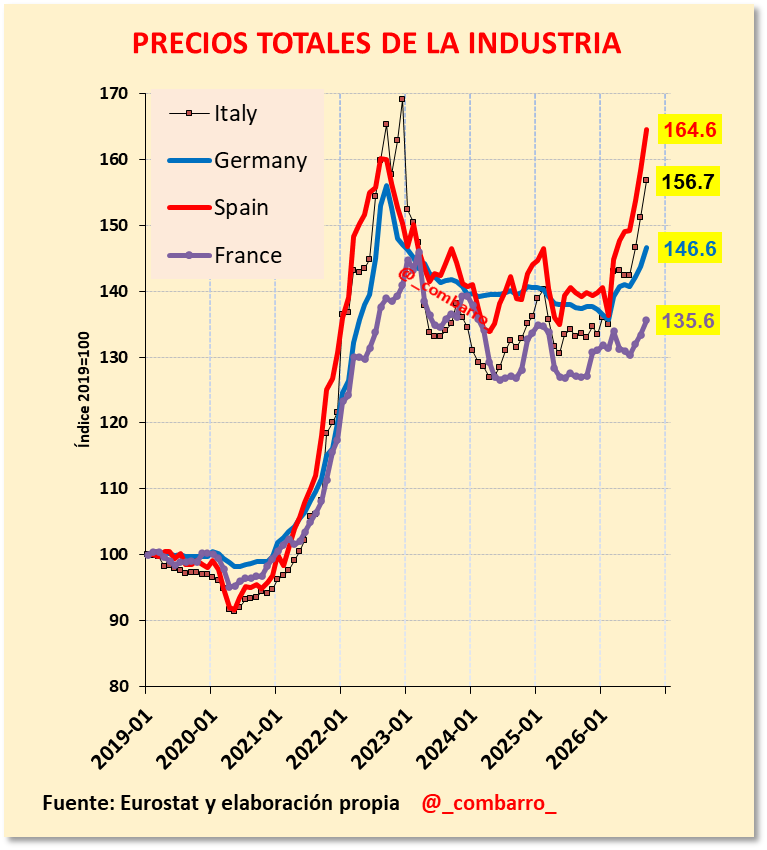
1/ La industria europea vuelve a enfrentarse a una fuerte presión sobre sus precios de producción (2026m09).
Tras la corrección posterior a la crisis energética, los precios industriales repuntan con intensidad en 2026, especialmente en España e Italia.
cc @Thinknomics
Paraguay’s decision to shut down a digital bank used by nearly a third of its population has left people struggling to figure out how to pay for everything from rent and groceries to bus rides. https://t.co/CYcIWyXVX5
AI stocks implode, first in Asian stocks, & today in a crash in the US. $2.5 TRILLION has been wiped out.
Trump is blaming the Democratic Midterm landslide! On CNBC, pundits discuss how an AI government bailout should happen for, wait for it...national security against China
Paraguay president resigns after takeover of a bank linked to him blocked almost half the population from accessing their money.
The Central Bank's seizure of Ueno Bank froze the deposits of some three million people, including pensioners, and sparked angry demonstrations across the country
https://t.co/d8rZOlHewp
“The optimism of the early post–Cold War years seems like a distant memory. . . . Instead, great power competition has returned with a vengeance,” writes expert @JamesMLindsay.
“The world today displays troubling similarities to the years before World War I,” he writes. In 1914, “a war that seemed far-fetched as the year began became a horrifying reality just eight months later. Nothing has changed in the human psyche and governmental decision-making since then to prevent leaders from making similar mistakes today.”
Read his analysis: https://t.co/NUaefLvO5d
Repassem les hores més crítiques dels aiguats del 7 i 8 de novembre de 1982, que causaren greus inundacions, morts i destrucció a Lleida i Andorra, i van arrasar el poble del Pont de Bar, que es va haver de reconstruir en un altre indret.
Per @yeste_elena
https://t.co/bQQVhF7fOf
¿Y si os dijera que esta pieza esconde una reproducción de uno de los monumentos más interesantes de la Roma antigua?
En este dessert de Luigi Valadier podemos reconocer el arco de los Argentarios, situado en el Velabro, junto a la iglesia de San Giorgio in Velabro, en Roma.
Este monumento, dedicado a Septimio Severo, conserva unos relieves excepcionales. Y lo más sorprendente es que Valadier llegó a reproducirlos con un nivel de detalle extraordinario, ¡hasta el punto de incluir la inscripción original!
Pero hay algo más... En esos relieves también podemos apreciar las huellas de la damnatio memoriae de Geta, uno de los hijos de Septimio Severo. Como sabéis, Geta y su hermano Caracalla acabaron enfrentándose de forma brutal, hasta que Caracalla asesinó a su propio hermano y ordenó borrar su recuerdo de los monumentos oficiales. ¡Y todo ese episodio de la historia imperial romana aparece reflejado en esta pieza de Luigi Valadier!
Si quieres descubrir más detalles de este dessert y las piezas que lo componen, ¡ve a ver mi último vídeo de YouTube!
Au Texas, un démocrate a choisi de répondre à Trump par un mot presque absent de la politique américaine : l’amour.
James Talarico en a fait le cœur d’une campagne qui lui a permis de conquérir un bastion républicain.
https://t.co/RAQNOyuF9g
On Monday, I moved on to covering the “thirty glorious years” of post-1945 economic growth in my Global Economic History course:
https://t.co/8bG9zdZiN3
This was a welcome relief. The middle of the semester, which covers 1914–1945 and the economic histories of socialism and fascism, always takes a toll on me. While many of the topics are fascinating, talking about war, dictatorships, and economic depressions always leaves me (and, I suspect, my students) somewhat distressed. Who can enjoy describing Generalplan Ost?
The “thirty glorious years,” instead, are a happier tale. At least in Western Europe, they were decades of fast economic growth, (mostly) democratic institutions, and shared prosperity. They also saw the start of the European integration process, a remarkable common effort to reorganize Europe from a different perspective than the Great Power competition of previous generations.
It will not surprise many of my readers if I admit that my treatment of Konrad Adenauer, Alcide De Gasperi, Robert Schuman, and Charles de Gaulle may be overly generous. While Adenauer, Schuman, and de Gaulle are well known, De Gasperi is perhaps not known enough outside Italy.
As I see what I am afraid is the deep decadence of Western Europe right now (sorry, I don’t want to mince words), I wonder where today’s Adenauers and De Gasperis are. The 1945 template of reconstruction is outdated, and the world has changed. But I am pretty sure that if Adenauer, De Gasperi, Schuman, and de Gaulle were alive today, they would share my concerns and would be thinking carefully about where we want to see Europe in 2050.
I love teaching economic history because I believe it has something to tell us about our current challenges.
P.S. If you have seen this slide deck before, this year I added quite a bit of material on France and Japan. The slide deck is long, so it takes a few seconds to upload.
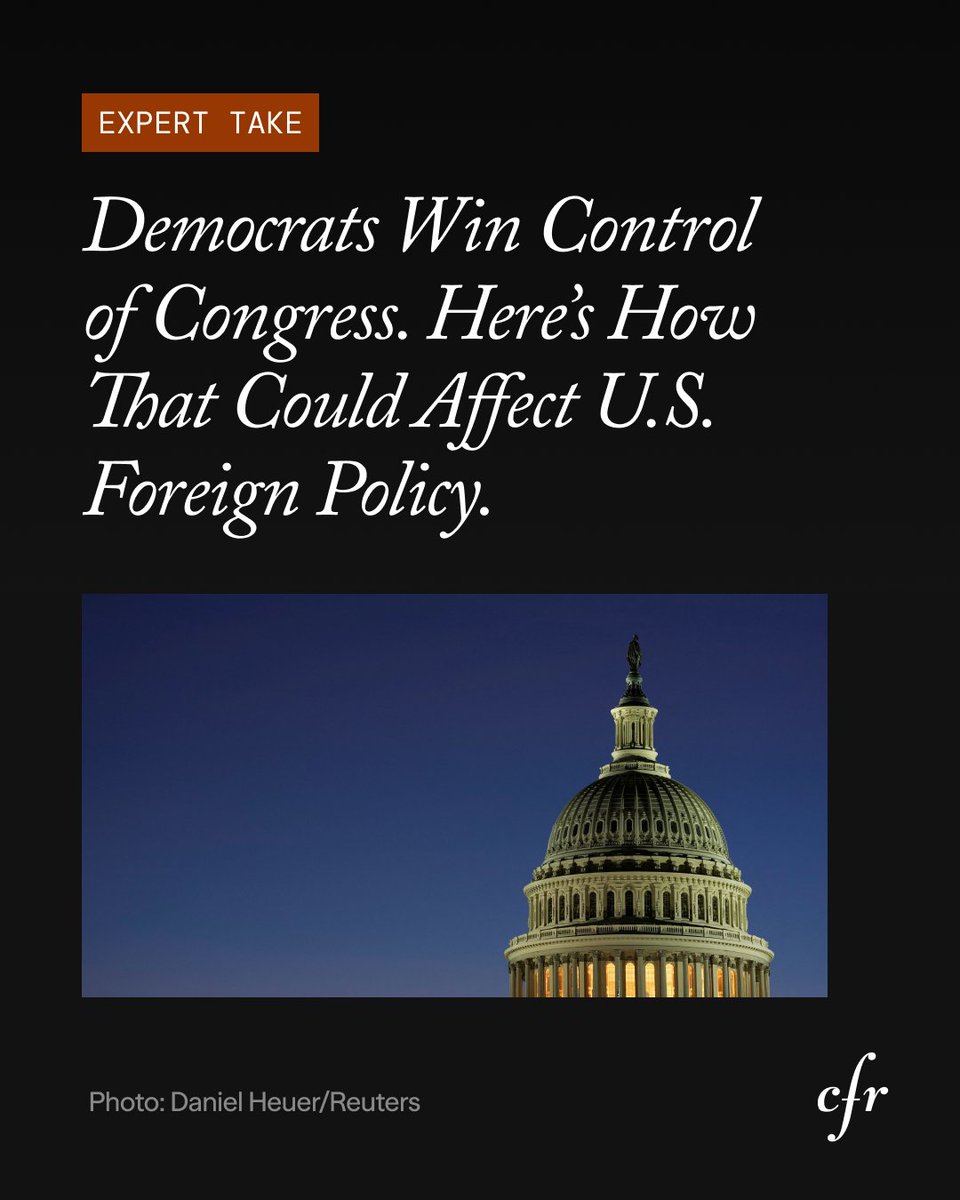
Democrats secured a resounding victory in Tuesday’s midterms, taking both the Senate and the House of Representatives against the backdrop of the Iran war and concerns over tariffs, the economy, and the cost of living.
While President Trump will maintain significant control over U.S. foreign policy and tariffs, Democrats will hold the federal purse strings, chair congressional committees, and—through control of the Senate—decide which of Trump’s nominees are confirmed to key national security and diplomatic posts.
We asked 9 of our experts what to expect from the Democratic-led Congress. They expect the body focus on affordability and challenge the administration over the Iran war. But they also note that the absence of a veto-proof majority will constrain Democrats’ ability to reverse Trump’s tariff policies—or his approach to the Ukraine war and relations with European allies.
Read the full analysis: https://t.co/JsitXreoSN
Edmund Richardson wins the 2026 Baillie Gifford prize for 'Alexander: God, King, Man'. He drew on more than a decade of research across four continents, translated sources from 12 ancient languages, and included recent archaeological finds.
https://t.co/CpUKv7dQDr
"... A Gulf-brokered deal, then, is the least bad outcome. Such is the irony of this conflict: the bystanders that have already lost the most will need to save the warring parties from themselves..."
@AllisonMinor_@njswanson
https://t.co/wDfDtbh9qc