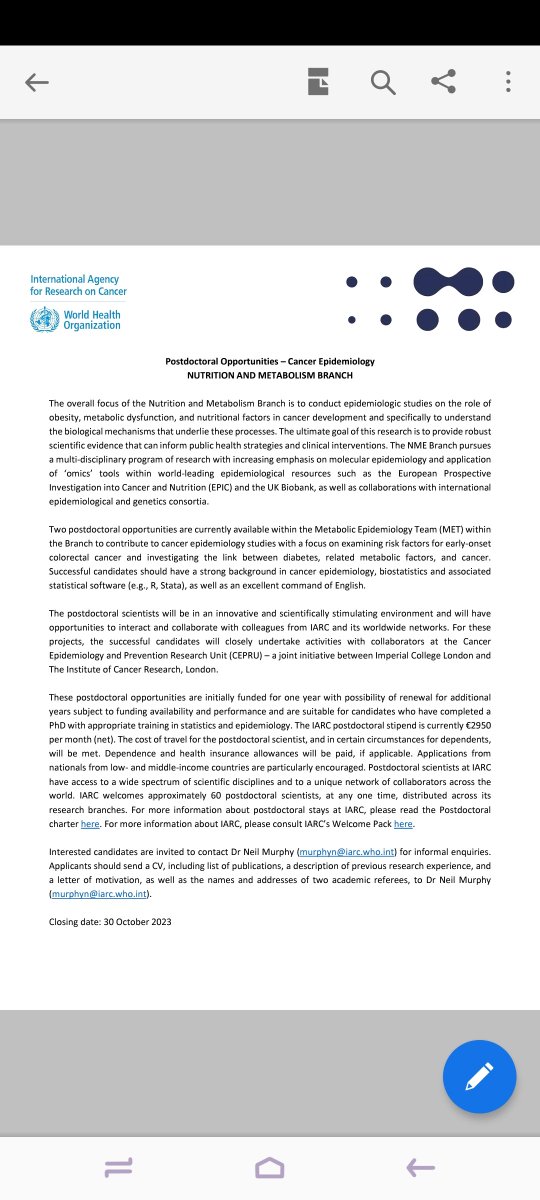
And thanks to the brilliant @CancerGrand team at CRUK for their total support since Mutographs started, as well as wonderful scientific journey with @sangerinstitute and @UCSD colleagues (esp @drsarahmoody), partners in the 11 countries, and all the great team @IARCWHO.
1/4 Excited to share our latest preprint where we used observational and Mendelian randomization methods to explore the role of metabolites as intermediates between adiposity and endometrial cancer using data from UK Biobank (@uk_biobank). https://t.co/k6WLXYga5I
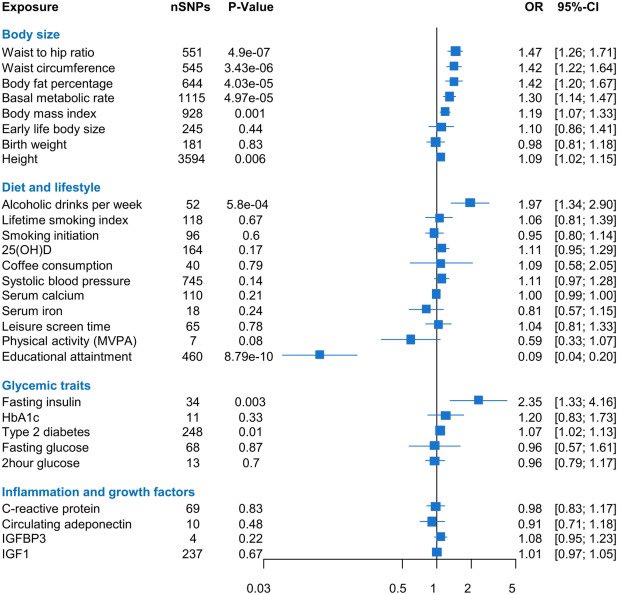
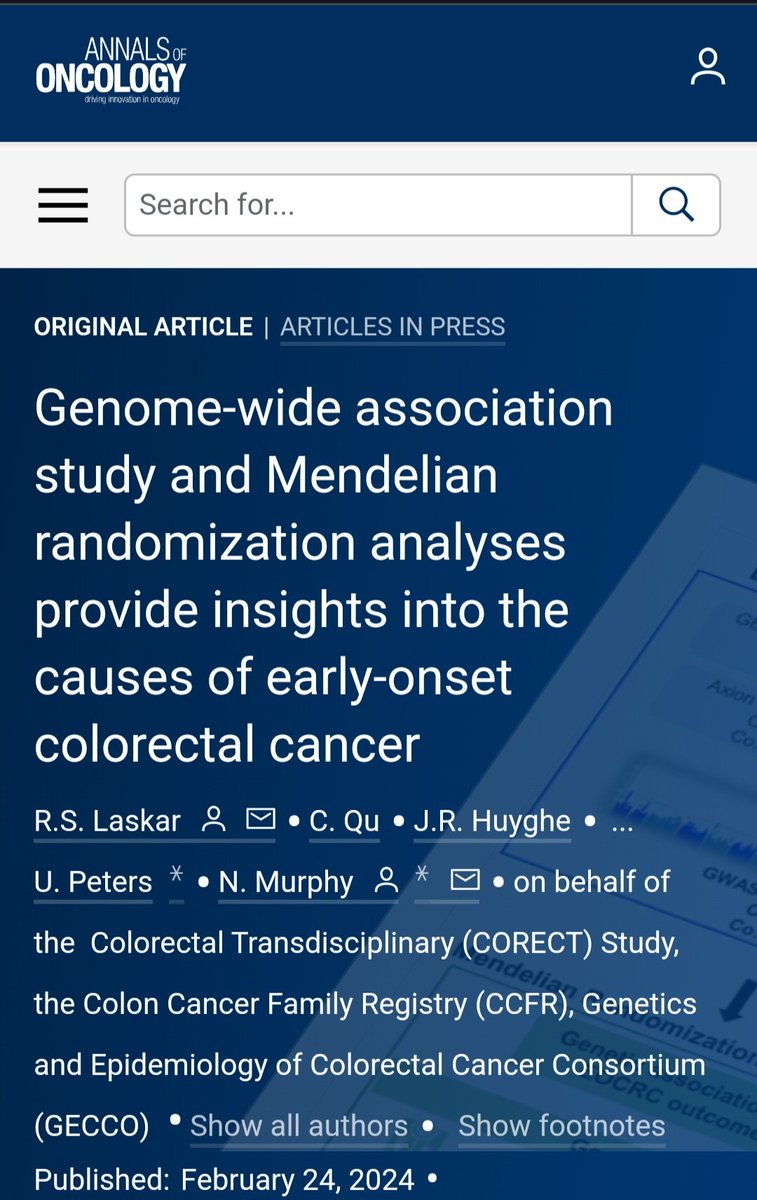
Important new study from @IARCWHO which "provides new insights into people’s genetic susceptibility to early-onset bowel cancer, as well as strengthening our knowledge of the modifiable risk factors involved, notably body weight and alcohol intake."
https://t.co/yUnzJMx11X
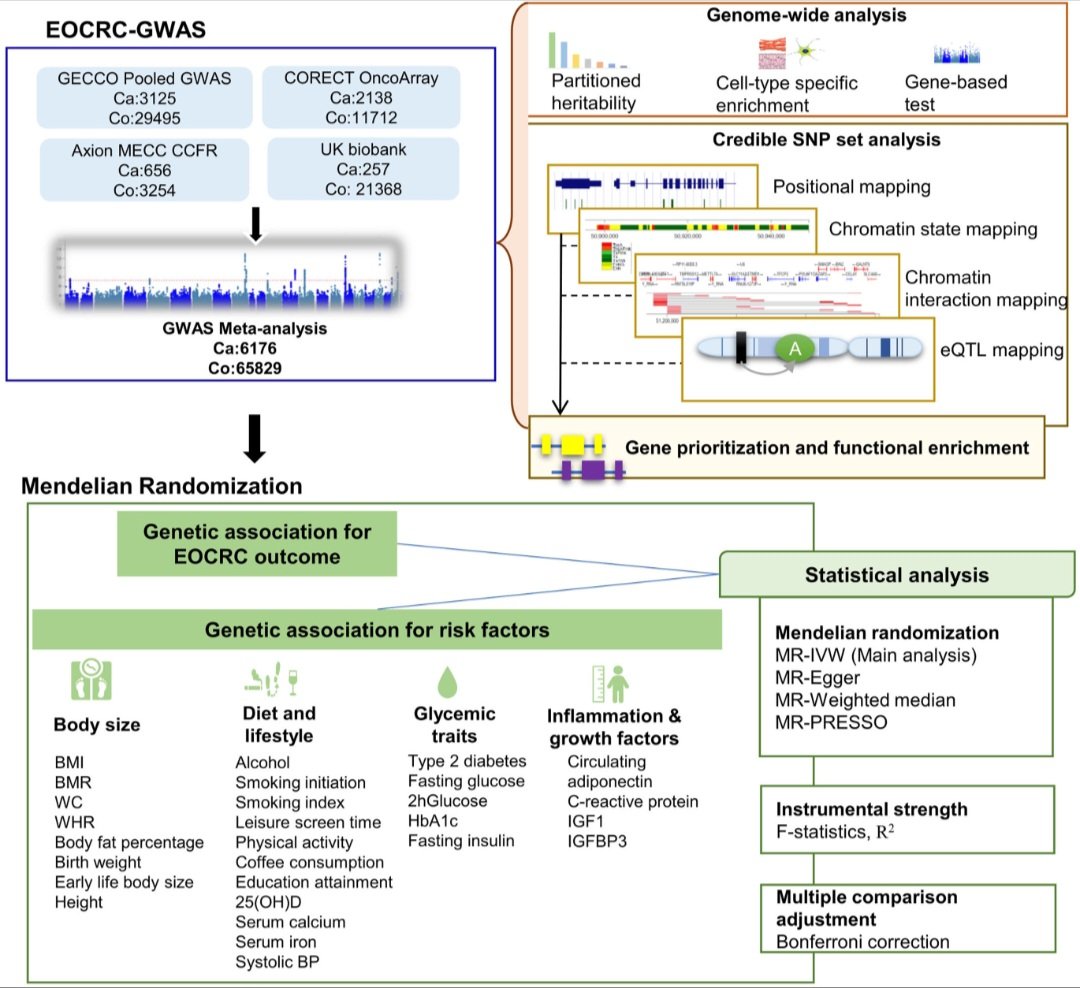
#OpenAccess in Annals of Oncology, investigators report on genome-wide association & Mendelian randomization analyses to identify causes EOCRC. 2 novel risk loci are proposed & evidence is found on the impact of modifiable lifestyle & metabolic targets
https://t.co/1fQPJiEeUF 2/2
The incidence of early-onset colorectal cancer (EOCRC; diagnosed <50 years of age) is rising globally and the European cancer mortality predictions for the year 2024 published in the March 2024 issue of Annals of Oncology showed unfavorable trends https://t.co/XqHlE7KvR2
1/2
A new study co-led by Fred Hutch's @PetersRiki provides insights into what's driving #colorectalcancer in people who are often too young to qualify for preventive screening. Alcohol consumption and obesity are two important, but modifiable, risk factors. https://t.co/PippaDwfrC
Genome-wide association study and Mendelian randomization analyses provide insights into the causes of early-onset colorectal cancer
💥The incidence of early-onset CRC is increasing worldwide.
A comprehensive investigation into the aetiology of this👇
https://t.co/xSTAdIOBVH
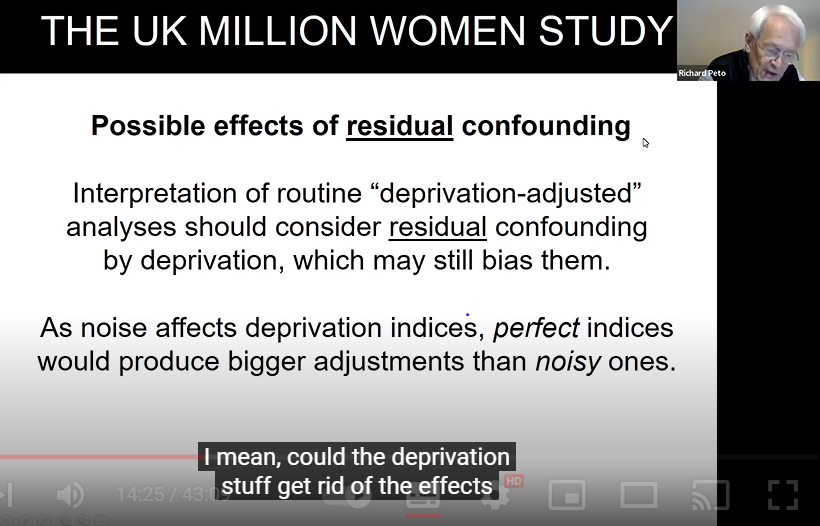
Brilliant seminar by Richard Peto @HarvardChanSPH about the influence of residual confounding in observational epidemiological studies. Compelling actual and hypothetical examples immediately suggest sensitivity analyses explicitly for this should be /cont https://t.co/mpfy0IIoj7
Ultra-processed foods (UPFs) are apparently the new poison, and a recent @bmj_latest report by @rebeccacoombes suggests conflicts of interests in the “expert” views presented @smc_london that weren’t enthusiastic enough in promoting this notion. https://t.co/nfeBOynAkv /cont
1/10: New commentary published in Obesity this week discussing the challenges and serious biases of nonlinear Mendelian randomization (MR) methodologies: https://t.co/AHSAgg1jVx
Today, the flagship paper of the @uk_biobank Pharma Proteomics Project was published in @Nature.
https://t.co/klfTJLeO51
The results are fully browsable at https://t.co/KvrFNjdfuu.
The underlying protein measures will become available to UKB researchers in the next few weeks.