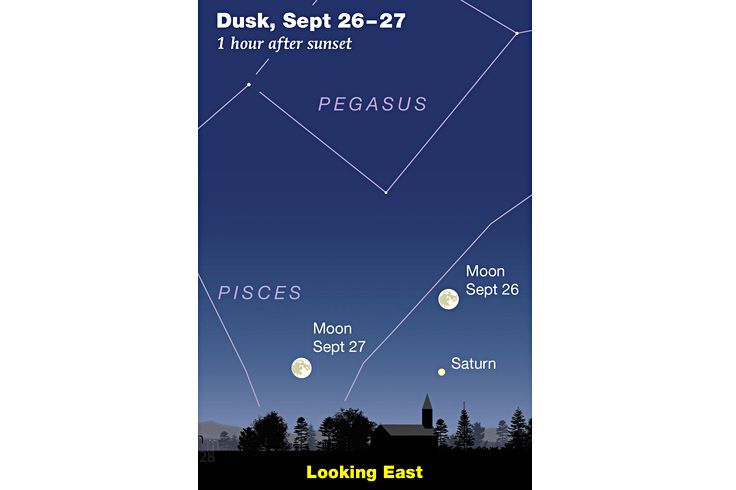
Saturn is at opposition tonight, opposite the Sun as seen from Earth. It rises at sunset, is highest in the middle of the night, and sets at sunrise. The Seeliger effect brightening Saturn's rings should be at its strongest tonight.
https://t.co/5iLK1AuzL4
#stargazing#saturn
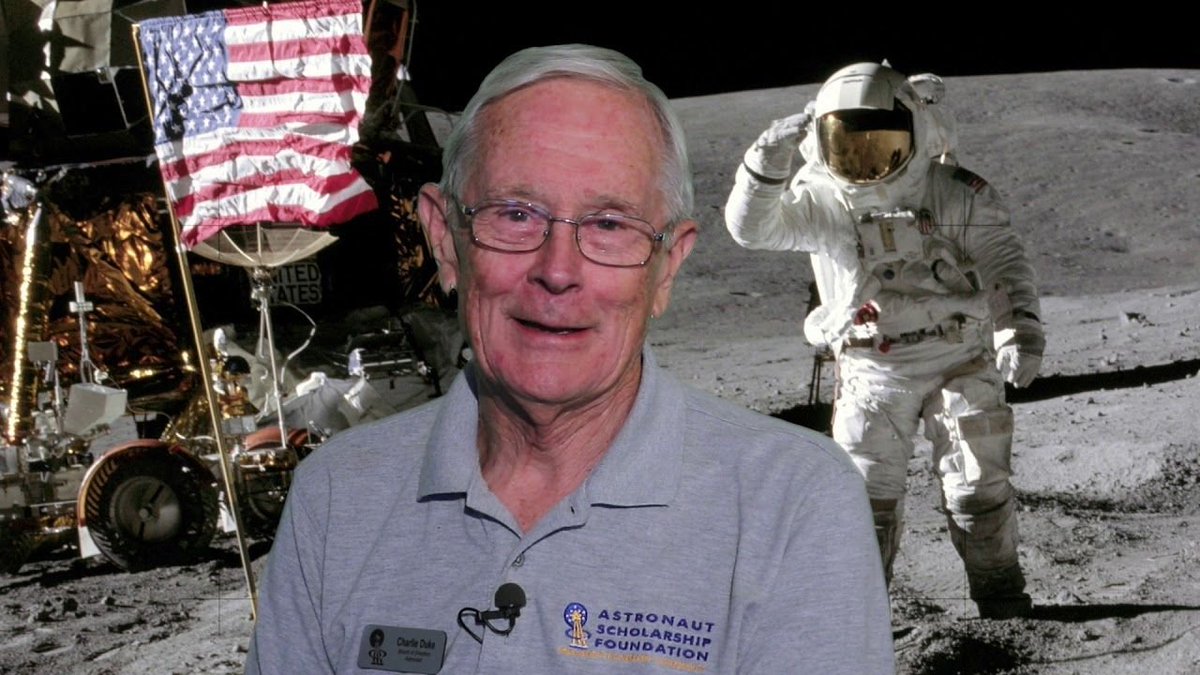
🥳 🎂Please join me in extending warm birthday wishes to #Apollo16 Moonwalker Charlie Duke - the youngest man to walk on the #Moon - 91 years young today! Here's to many more amazing orbits!💫
🥳 🎂 Please join me in extending warm birthday wishes to Kathy Sullivan, who made history as 1st #American woman to walk in #space, 1st female to reach #ChallengerDeep, the deepest known point in the ocean 🌊 & 1st person to travel to both. Here's to many more amazing orbits! 💫
Sky Today: October 1
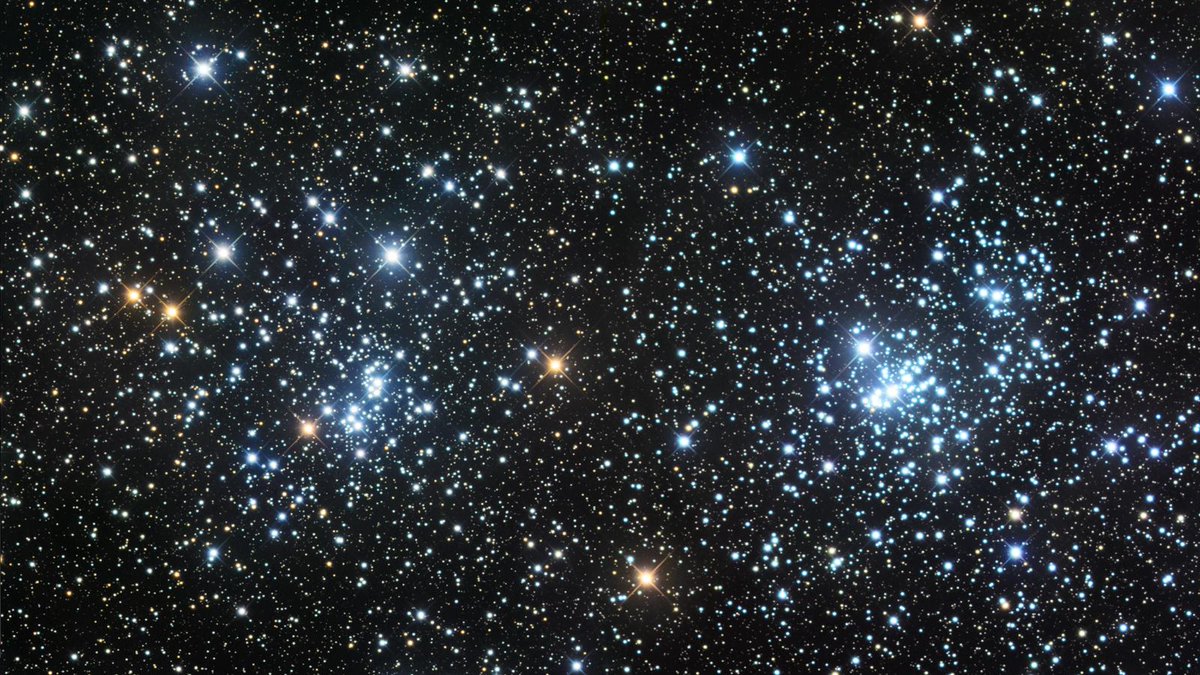
Tonight’s a two-for-one deal as the Double Cluster shines in Perseus’ northwestern corner, ready for wide-field or closeup viewing.
Image credit: Marc Van Norden (Flickr, CC BY 2.0)
Read more:
https://t.co/eCzFVXpp8k
Saturn comes to opposition. So does the Moon. Once the Moon is gone from the evening sky, try with your telescope for the autumn globular clusters Sagittifolia, Queen Anne's Lace, Watercress by the Stream, and Seaflower of the Deep.
Read more: https://t.co/lCJEiog0wV
This month’s general meeting will be held on campus at the University of North Florida
Friday, September 25th – 7:30 PM to 9 PM
University of North Florida
Building 50 (Physics Building)
Room 1102 or 1202
Algol, the eclipsing variable star, has an eclipse tonight. It's normally the second-brightest star in Perseus at magnitude 2.1, but it should dip to magnitude 3.4 for a couple hours centered on its time of mid-eclipse, 11:22 p.m. EDT.
https://t.co/2Q7TgjGIa9
#stargazing
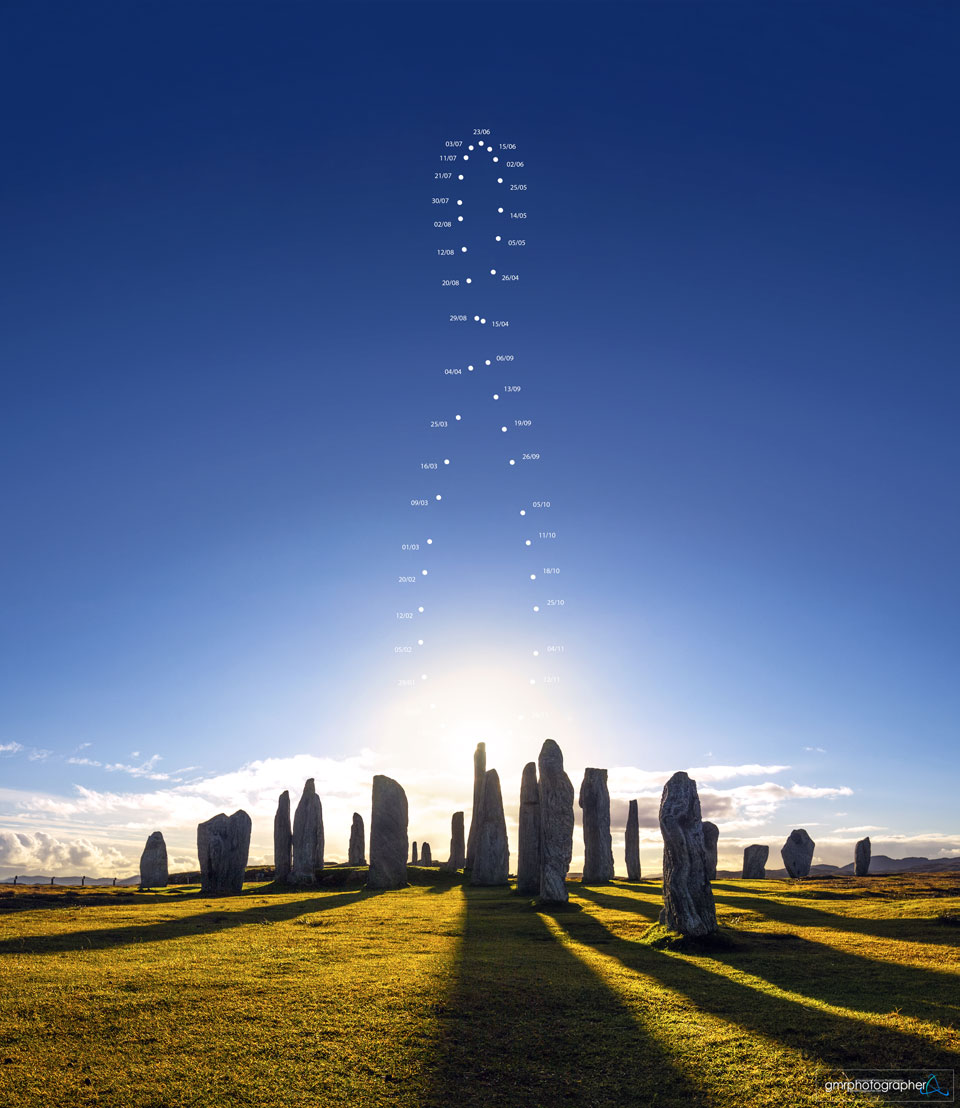
If you went outside at the same time every day and took a picture that included the Sun, how would the Sun's position change? A visual answer to that question is an analemma, a composite image taken from the same spot at the same time over the course of a year. The featured analemma was composed from images taken every few days at noon near the village of Callanish in the Outer Hebrides in Scotland, UK. In the foreground are the Callanish Stones, a stone circle built around 2700 BC during humanity's Bronze Age. It is not known if the placement of the Callanish Stones has or had astronomical significance. The ultimate causes for the figure-8 shape of this and all analemmas are the tilt of the Earth axis and the ellipticity of the Earth's orbit around the Sun. At the solstices, the Sun will appear at the top or bottom of an analemma. The featured image was taken near the December solstice and so the Sun appears near the bottom. Equinoxes, however, correspond to analemma middle points -- not the intersection point. In two days there will be an equinox ("equal night"), when day and night are equal over all of planet Earth. Many cultures celebrate a change of season at an equinox.
Image Credit & Copyright: Giuseppe Petricca
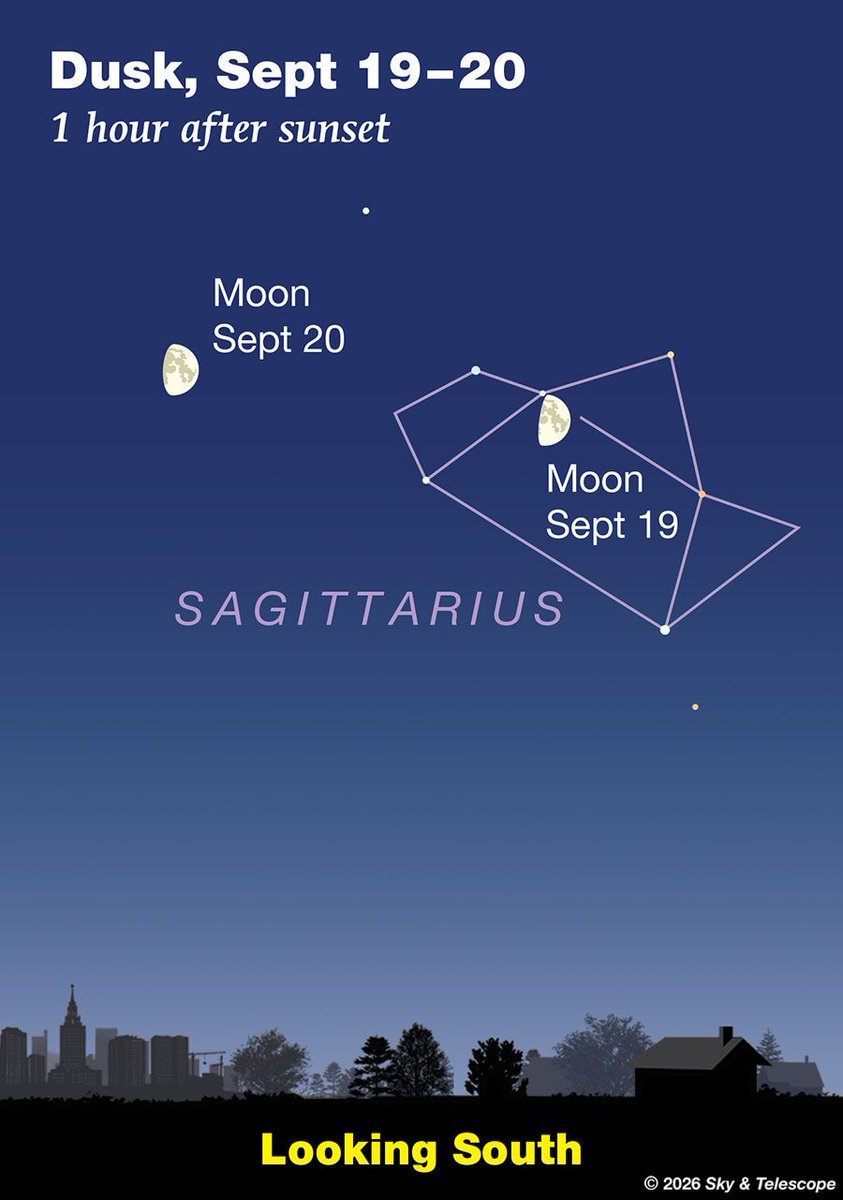
Tonight, is NASA's International Observe the Moon Night. The Moon is in the Sagittarius Teapot, so grab a small telescope or pair of binoculars and enjoy the craggy terrain of Earths' delightful companion.
https://t.co/2Q7TgjGIa9
#stargazing
This nebula of dust & baby stars looks like a treasure chest.
The Carina Nebula, in our Milky Way galaxy, just 7500 light-years from here. Image via the Webb Telescope.
details: https://t.co/1D4uP7rxpH @NASAWebb@esa
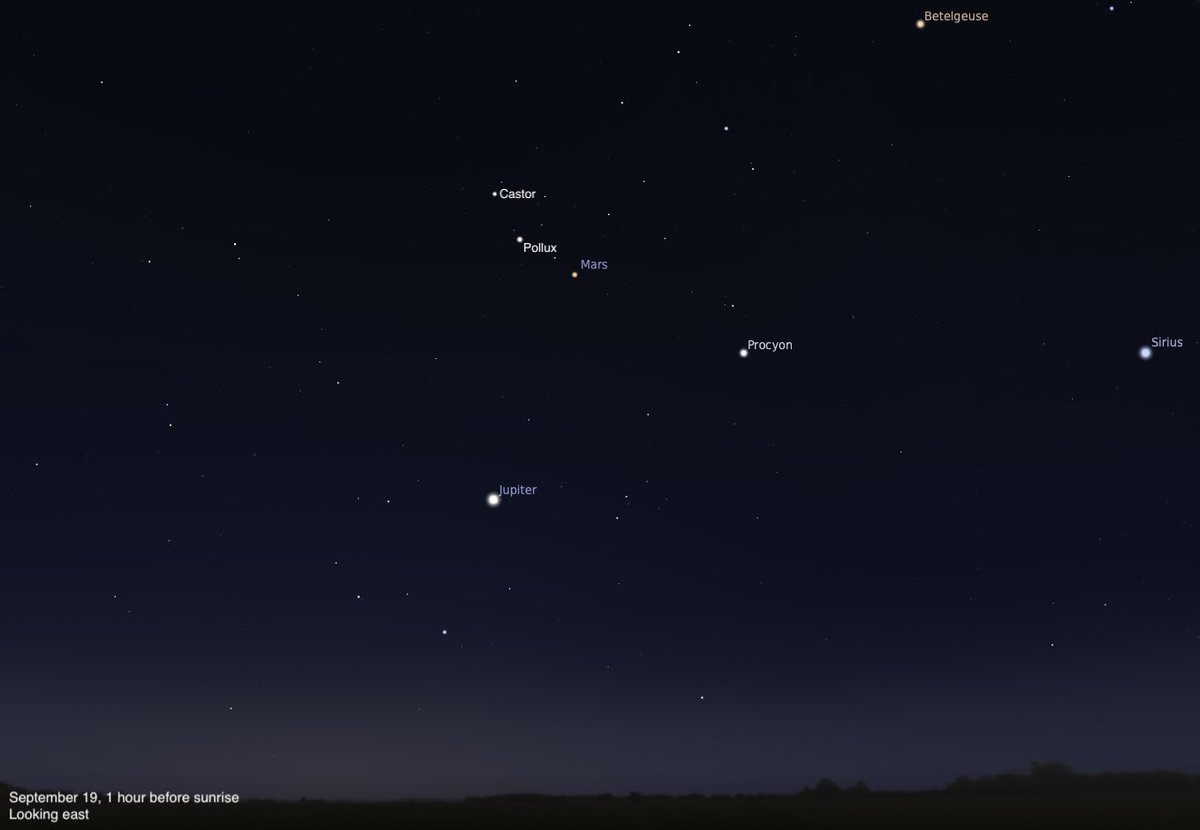
The Sky Today on Saturday, September 19: Mars meets Pollux
The Red Planet stands a few degrees south of the bright star Pollux in Gemini, easily visible in the early-morning sky.
Image credit: Stellarium
Read more: https://t.co/8bP7bh1LMJ
Weather Permitting
🔭10pm Thursday August 27th thru Friday morning August 28th at 1am.
Lunar Eclipse viewing courtesy of UNF Astronomy Club and NEFAS
Viewing will take place on on the 4th floor of the UNF Arena parking structure. Parking will be available on 3rd floor
General Meeting of the Northeast Florida Astronomical Society [NEFAS]
Friday, August 28th – 7:30 PM to 9 PM
University of North Florida
Building 50 (Physics Building)
Room 1102 or 1202
A partial lunar eclipse darkens the full Moon on Aug. 27. About 96% of the Moon slips into Earth's shadow, turning most of it red as our atmosphere filters sunlight. Begins 10:34pm ET Aug. 27, peaks 12:12am ET Aug. 28. What to look for: https://t.co/dlWHsPw8Zx 🌙
🎬: NASA's Scientific Visualization Studio/Ernie Wright