The anti-memorization movement has left millions of students unable to think because every elementary operation consumes working memory.
For instance, solving equations feels smooth when basic arithmetic is automatic. It's like moving puzzle pieces around, and you just need to identify how they fit together.
But without automaticity on basic arithmetic, each puzzle piece is a heavy weight. You struggle to move them at all, much less figure out where they're supposed to go.
It’s the same all the way up the ladder of math: from arithmetic, to algebra, to calculus, to all sorts of university-level math and beyond.
Math expertise is kind of weird in that it's overpowered when combined with other areas of expertise, but underpowered alone.
Generally speaking, most of the world does not care about math directly and is not going to care how good you are beyond some baseline level of competence.
But if you also build baseline competence in another field that more people do care about, then math can be a gigantic power-up for you.
Just to name an example: there are lots of areas in CS where you don't need to know a whole lot of math to be successful.
BUT... all this surreal AI/ML stuff that's happening nowadays?
That's all coming from a group of serious math nerds within CS.
Don't settle for mediocrity. If you're going to do something, go all in.
Focus intensely on a topic, field, or skill for a good stretch of time—whether that's six months or a year. Commit fully and don't stop until you're genuinely satisfied with what you've achieved.
Don’t stop and don’t distract yourself with anything else.
Push yourself to the point where you can confidently say, "This is the best I could have done."
Then, look at the results. You'll be amazed to discover that what you lacked wasn't intelligence or resources, but persistence.
This isn’t about DSA or CP or ML or development, arts, or sports. It applies to everything.
At least once in your life, experience this phase. Once you do, you'll realize you can accomplish anything.
FREE Math Book.
"Counting Rocks! An Intro to Combinatorics" by Adams et al. Combinatorics is the mathematics of counting, arranging, and combining. It's the invisible engine powering our digital world, driving everything from cryptographic security to DNA sequencing. Studying it is FASCINATING because it allows us to solve massive, seemingly impossible puzzle problems using elegant, logical patterns. Machine learning models and neural networks rely on advanced combinatorial graph theory to map relationships and process complex data.
“Combinatorics is the mathematical study of discrete mathematical objects and their combinations and arrangements. Other kinds of mathematics (like calculus and analysis) use continuous mathematical objects, which involve infinitesimally small increments. By contrast, discrete mathematics is the study of objects that come in larger chunks, such as whole numbers, polygons, and networks. If you have ever asked 'I wonder how many different ways I could... ?', then you have thought about combinatorics. The history of combinatorics began in ancient times, in places such as Egypt, India, China, and Iran. The computer revolution greatly amplified the importance of combinatorics and graph theory. There are also applications of this class and book to other fields, like linguistics, physics, chemistry, and biology. In general, from this class, you will gain experience solving problems about combinatorial structures and algorithms; we hope you will continue to use the experience and ideas you gain from this class for the benefit of many other people.”
Contents
What is Combinatorics?
Counting Principles
Counting Combinations
Pascal’s Triangle and the Binomial Theorem
Proof Techniques in Combinatorics
Recurrence Relations
Generating Functions
Graph Theory Basics
Trees
Graph Optimization
Planar Graphs
Graph Coloring
Link: https://t.co/MzPRZcHjnA
Sujatha sir always rock😎
அம்பலம் இணைய இதழில் சுஜாதா எழுதிய கேள்வி பதில்கள்....
கேள்வி: சுஜாதா சார்! கம்ப்யூட்டர் கம்ப்யூட்டர் என்று பேசுகிறீர்களே... கொஞ்சம் சாப்பாட்டைப் பற்றிப் பேசலாமே. உங்கள் கணிப்பொறி நிறுவனத்தில் கேன்டீன் எப்படி? -
பதில்: கணிப்பொறி, கேன்டீன் இரண்டிற்கும் அடிக்கடி ஒரே பிரச்சினைதான் : ‘‘சர்வர் ப்ராப்ளம்’’.
கேள்வி: திருமணத்திற்கும் மரபுக��� கவிதைக்கும் என்ன சார் தொடர்பு?
பதில்: இரண்டிலும் சீர் உண்டு. திருமணமும் ஒரு ‘தளை’தானே? இரண்டும் வளமடையத் தேவை ‘பொருள்’தான். இரண்டிலும் வெற்றி பெற நன்கு யோசித்து ‘அடி’யெடுத்து வைக்க வேண்டும். இரண்டிலும் இலக்கணப் பிழைகள் இருக்கக் கூடும். மணம் புரிந்து கொண்ட மனைவி ‘வஞ்சிப்பா’ளானால் வாழ்க்கை ‘வருத்தப்பா’ ஆகிவிடும்.
கேள்வி: ஒன்றுக்கு மேற்பட்ட எண்ணிக்கையாக இருந்தால் ‘கள்’ சேர���த்துக் கொள்கிறோம். (உம்) பறவை, பறவைகள்; நூல் நூல்கள் -இப்படி. ஆனால் 1330 இருந்தும் அதனை திருக்குறள் என்றுதானே சொல்கிறோம். திருக்குறள்கள் என்று சொல்வதில்லையே.
பதில்: திருக்குறள் கள்ளை அனுமதிப்பதில்லை.
கேள்வி: ‘மானும் மழுவமேந்தி மலர்ப் பாதம் தூக்கி ஆடும் இறைவன்’ என சிவனை கவிஞர்கள் பாடுகிறார்களே; ‘மலர்ப் பாதம்’ பெண்கள��க்குத் தானே பொருந்தும். சிவனுக்கு எப்படி? –
பதில்: சிவனே என்றிராமல் இப்படியொரு சக்தியுள்ள கேள்வி கேட்டிருக்கிறீர்கள். மலர்ப்பாதம் என்ற சொல்லுக்கு மலர் போன்ற பாதம் என்றுதான் பொருள் கொள்ள வேண்டும் என்பதில்லை. மலர்களால் அர்ச்சிக்கப்படுகிற பாதம் என்று பொருள் கொள்ளலாமல்லவா? உவமைத் தொகையை மூன்றாம் வேற்றுமை உருபும் பயனும் உடன் தொக்க தொகையாகப் புரிந்து கொள்ளுங்களேன்.
கேள்வி: தற்போதைய பட்டிமன்றங்கள் பற்றி என்ன நினைக்கிறீர்கள்? –
பதில்: கி.வா.ஜ., குன்றக்குடி அடிகளார், திருச்சி தேசியக் கல்லூரி முன்னாள் பேராசிரியர் ராதாகிருஷ்ணன் போன்றோர் காலங்களில் பட்டிமன்றங்கள் சிந்தனையைத் தூண்டின. இப்போது பெரும்பாலான பட்டிமன்றங்கள் நகைச்சுவை என்ற பெயரில் சிரிப்பாய்ச் சிரிக்கின்றன.
கேள்வி: லால்குடி ஜெயராமனு்க்கும், லால்குடியில் காவேரிக் கரையில் விவசாயம் செய்யும் விவசாயிக்கும் ஏதேனும் ஒற்றுமை உண்டா?
பதில்: உண்டே. இவர் ஸ்வரம் பாடுகிறார்; அவர் உரம் போடுகிறார். இவர் பண் மூலம் பண்படுத்துவது மனதை; அவர் மண் மூலம் பண்படுத்துவது நிலத்தை. மொத்தத்தில் இருவருமே வயலின் மேன்மைக்காகப் பாடுபடுகிறார்கள்.
கேள்வி: சமையலில் மனைவிக்கு உதவி செய்வீர்களா?
பதில்: சமையல் கலை இரண்டு பகுதிகளைக் கொண்டது. ஒன்று சமைப்பது. இன்னொன்று சாப்பிடுவது. நான் இரண்டாவது பகுதியில் உதவுவதுண்டு.
கேள்வி: நீங்கள் மரபுக் கவிதைகள் எழுதுவது உண்டா? உங்களுடைய ஏதாவது ஒரு மரபுக் கவிதை ப்ளீஸ்!
பதில்: உண்டு. எப்போதாவது. ‘வேண்டாம் வரதட்சணை’ என்ற ஈற்றடிக்கு முன்பு தினமணி கதிரில் ஒரு நேரிசை வெண்பா எழுதினேன். அது-
பத்து பவுன் தங்கம் பளிச்சென்ற கல்வளையல்
முத்திலே சின்னதாய் மூக்குத்தி - மத்தபடி
பாண்டு வைத்து ஊர்கோலம் பாட்டு இவைதவிர
வேண்டாம் வரதட் சிணை!
கேள்வி: ‘சிங்களத் தமிழ்’, ‘சிங்கார சென்னைத் தமிழ்’ ?
பதில்: இலங்கைத் தமிழர்களுடன் கதைக்கும் போது அவர்கள் பா��ிக்கும் சில தமிழ் வார்த்தைகள் சொக்கிலேற்றுகளாய்த் தித்திக்கும் என்று நம்மால் அவதானிக்க முடிகிறது. கனகாலமாய் அவற்றைப் படித்து வருவதால் சென்னைத் தமிழைப் பொறுத்தவரை அதிக அளவில் கெட்ட வார்த்தைகளைப் பயன்படுத்தும் வட்டாரத் தமிழ் அதுதான்.
கேள்வி: காதல் கவிதை எழுதக் காதலித்துத்தான் ஆக வேண்டுமா?
பதில்: சரிதான்... துப்பறியும் கதை எழுத கொலை செய்ய வேண்டும் என்பீர்களா?
கேள்வி: ஊழல் பெருச்சாளிகள் எங்கிருந்து வருகிறார்கள்?
பதில்: பெரும்பாலும் அரசியல் சாக்கடையிலிருந்துதான்.
கேள்வி: ஆலய உண்டியலில் பணம் போடுவது, ஏழையொருவனுககு அறம் செய்வது. -நற்பயன் தரக் கூடியது?
பதில்: ‘நடமாடும் கோயில் நம்பர்க்கொன்று ஈந்தால் அது படமாடும் கோயில் பரமற்கு போய்ச் சேரும் என்கிறார் திருமூலர். ஏழை சப்-போஸ்ட் ஆபீஸ், கடவுள் ஹெட் போஸ்ட் ஆபீஸ். ஏழைக்குக் கொடுத்தால் கடவுளுக்குப் போக��ம்.
கேள்வி: தினமும் பூண்டு சாப்பிட்டால் இதய நோய் வராதாமே?
பதில்: தொடர்��்து அதன் நாற்றத்தைச் சகித்துக் கொள்வதில் உறுதிபூண்டு செயல்பட்டுப் பாருங்கள்.
கேள்வி: இடமிருந்து வலமாக வாசித்தாலும், வலமிருந்து இடமாக வாசித்தாலும் ஒரே வார்த்தையைத் தரும் ‘விகடகவி’யைப் போல் வேறு ஏதாவது?
பதில்: ‘தேருவருதே’, ‘மோருபோருமோ’ தமிழில் ஒரு முழுக்குறள் வெண்பாவே இப்படி இருக்கிறது. ‘நீவாத மாதவா தாமோக ராகமோ தாவாத மாதவா நீ’
கேள்வி: அன்னை ஓர் ஆலயம் என்று கூறுவது ஏன்?
பத���ல்: ‘கர்ப்ப’க்கிரகம் அங்கிருப்பதால்...
சுஜாதாவை ருசிப்பவர்களுக்காக. 🤝🇮🇳
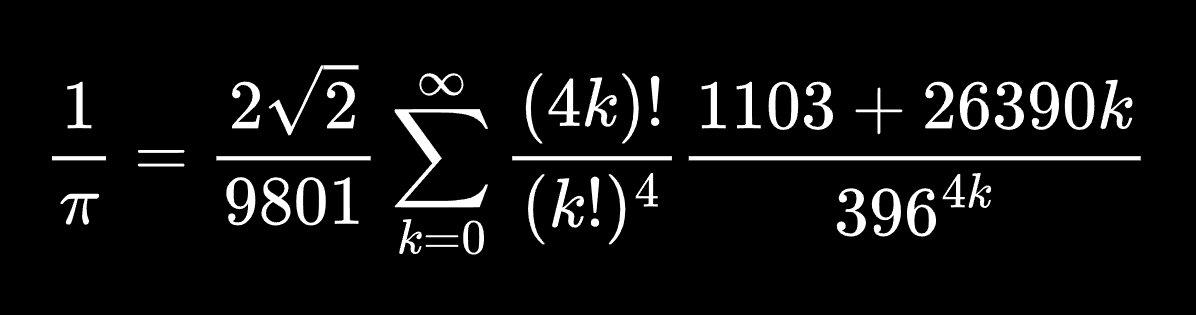
Ramanujan’s formula for π gives an accurate value of π up to six decimal places, even using just the first term of an infinite series. This single term alone is sufficient to calculate the circumference of the Earth with a maximum error of only about one meter.
It is worth noting that while Ramanujan’s formula achieves this accuracy with just one term, the Leibniz series requires around five million terms to reach the same precision.
Each additional term in Ramanujan’s series adds roughly eight more correct decimal places to the value of π. Although the formula is extraordinarily effective, there is still no complete understanding of how Ramanujan derived the specific constants in it, such as 9801 and 1103.
@NumbersByShyam@PhysInHistory True, it’s rather early that a ten-digit pandigital number occurs.
The next instance of a ten-digit pandigital number (5923078164) is not far off: it’s at the very next position, because 4592307816 is followed by a 4.
@PhysInHistory Interestingly, the earliest ten-digit pandigital number (4592307816) starts at the 61st digit in the decimal expansion of pi, which is also surprisingly early.
Refer "Exploring the Beauty of Fascinating Numbers" published by Springer in March 25.
https://t.co/oPRIwDzUwu
The Feynman point is the name given to the position in the decimal expansion of π where a sequence of six consecutive nines first appears. It is named after the physicist Richard Feynman, who allegedly joked that he would like to memorize the digits of pi up to that point and then say “and so on” as if π. were rational. The Feynman point occurs at the 762nd digit after the decimal point, which is much earlier than expected by chance. ✍️
In the mid-1990s, a young researcher from Cornell University sat down to write a business plan for an internet startup. He had absolutely zero corporate training, did not understand even 'A' of the accounting. His name was Badri Seshadri. Alongside a rogue collective of global cricket fans, he was trying to solve a desperate problem: how to get ball by ball sports data to immigrant students stranded in the West who were starved of radio commentary.
They did not have high-speed cloud infra/massive server farms. Working out of cramped university dorms, they manually coded a primitive text-based scoring network. They did not just build a popular website; they accidentally invented the global blueprint for modern digital sports broadcasting, long before Silicon Valley/ESPN even knew what a live-stream was.
When Cricinfo started in 1993-94, the World Wide Web was an empty landscape. The platform began as a completely decentralized project run by volunteers across different time zones. Badri Seshadri (BTech from IIT-M, PhD from Cornell) brought the raw, structural discipline of an engineer to this chaotic volunteer network. He realized that if cricket fans wanted real-time scores, they could not rely on slow, graphical web pages.
They utilized IRC (Internet Relay Chat) & primitive server bots to sync text data across the world. A volunteer watching a TV screen in England/India would manually type a ball's outcome, & Badri’s backend logic would instantly broadcast that line of text to thousands of terminal screens across continents.
By the late 1990s, the Dot-Com Boom went into absolute overdrive. Cricinfo had evolved from a passion project into a massive corporate entity attracting immense global capital. Investors suddenly threw unimaginable fortunes at internet startups. At its peak, the platform raised a massive funding round, & the team burned through ~$1M/month in an incredibly short span trying to scale operations globally.
When the historic Dot-Com Bubble burst in 2000, tech companies vanished overnight. Cricinfo hit an incredibly rough patch. Of the original 5 co-founders, the corporate pressure & financial chaos caused almost all of them to splinter away. Badri was left virtually alone at the helm, steering a bleeding ship through a graveyard of dead internet startups.
The ultimate proof of Badri's architecture was that the oldest institutions in cricket could not defeat his platform; they had to buy it to survive.The Defiance: For over a century, the British publication Wisden was considered the undisputed "Holy Book of Cricket." But Wisden's heavy print books were utterly obsolete compared to Badri's instantaneous digital archive.
In 2003, realizing they were completely losing the digital war, the Wisden Group bought Cricinfo. A few yrs later, the global sports broadcasting colossus ESPN acquired it, turning Badri's scrappy dorm-room project into the core of their global digital sports empire (ESPNcricinfo).
Most tech founders who sell their companies for millions stay in Silicon Valley to become VCs. Badri took his wealth & did something entirely counter-cultural. He moved right back to Chennai & co-founded New Horizon Media. Badri realized that while India had a massive hunger for knowledge, the mainstream publishing industry was failing to provide serious scientific & educational content in regional languages.
Badri Seshadri is the ghost in the code of every single sports application on our phone today. He is the man who looked at a fraudulent financial spreadsheet, ignored the traditional corporate rules, & built a digital monument out of raw passion for a game. He could have spent his life sitting in ivory towers at Cornell/collecting massive checks in California. Instead, he chose to fight the dot-com crash, outmaneuver the British cricket establishment, & return to Chennai to write science textbooks for kids. He proved that an Indian mind does not need a Silicon Valley permission slip to alter global media forever.
Mathematics.
1000000000000000000000000000000000 is the largest-known power of 10 that is the product of 2 numbers having no 0s. [Image from the book "A Passion for Mathematics."]
7/
For students of Veda & Śāstra, for engineers, for anyone —
Excellence in the present moment is the only real preparation for the future.
Vartamānena kālena. Just this. Just now.
4/
It brought this subhāṣita to mind:
गते शोको न कर्तव्यो भविष्यं नैव चिन्तयेत्।
वर्तमानेन कालेन वर्तयन्ति विचक्षणाः॥
gate śoko na kartavyo bhaviṣyaṃ naiva cintayet
vartamānena kālena vartayanti vicakṣaṇāḥ
1/
A senior Śāstra scholar visited our pāṭhaśālā recently.
A parent asked the question many carry silently —
"What is the future for children studying Vedic & Śāstric traditions?"
His answer was quietly powerful. 🧵










![pickover's tweet photo. Mathematics.
1000000000000000000000000000000000 is the largest-known power of 10 that is the product of 2 numbers having no 0s. [Image from the book "A Passion for Mathematics."] https://t.co/c5ox2dr0mC](https://pbs.twimg.com/media/HIOfwXkXwAAYVv4.png)