I created my first infographic! It tells the story of the groundbreaking lithium-ion battery research that earned the 2019 Nobel Prize in Chemistry.
#NobelPrize#chemistry#infographic
TorchSim v0.2 is out! https://t.co/ztaZsTj8xX
I am especially happy to have 5 new contributors and 3 new model interfaces.
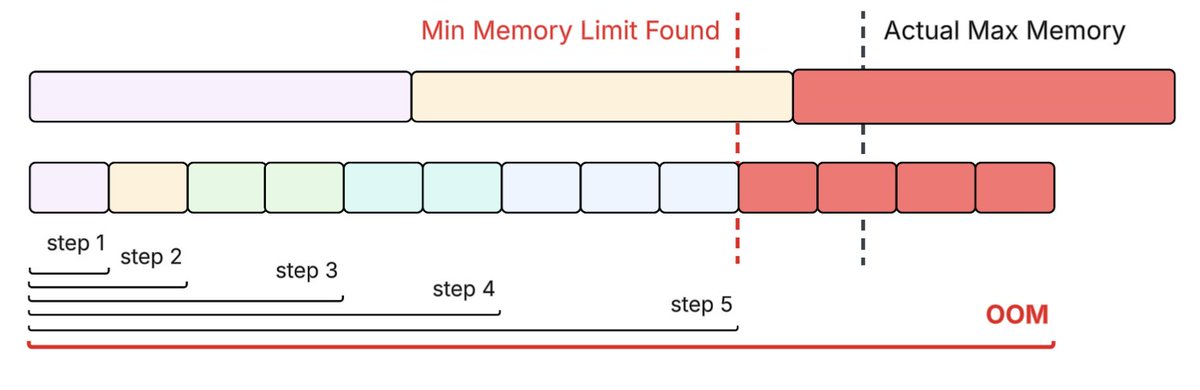
Below, a sneak peek of a WIP figure describing TorchSim's approach to memory estimation.
Special congrats and thanks to @orionarcher_, @ganganabhijeet, @jrib_ and the entire @radicalai team for the release of TorchSim.
These three have been focused on changing the way we do computational materials for their entire career. Although this is only one step on a long journey, it’s great to finally see the community jump onto the ideas they have been working on internally for months. The additions from @FallettaStefano and @RhysGoodall bring it over the line and truly make it an amazing package.
To the future 🚀
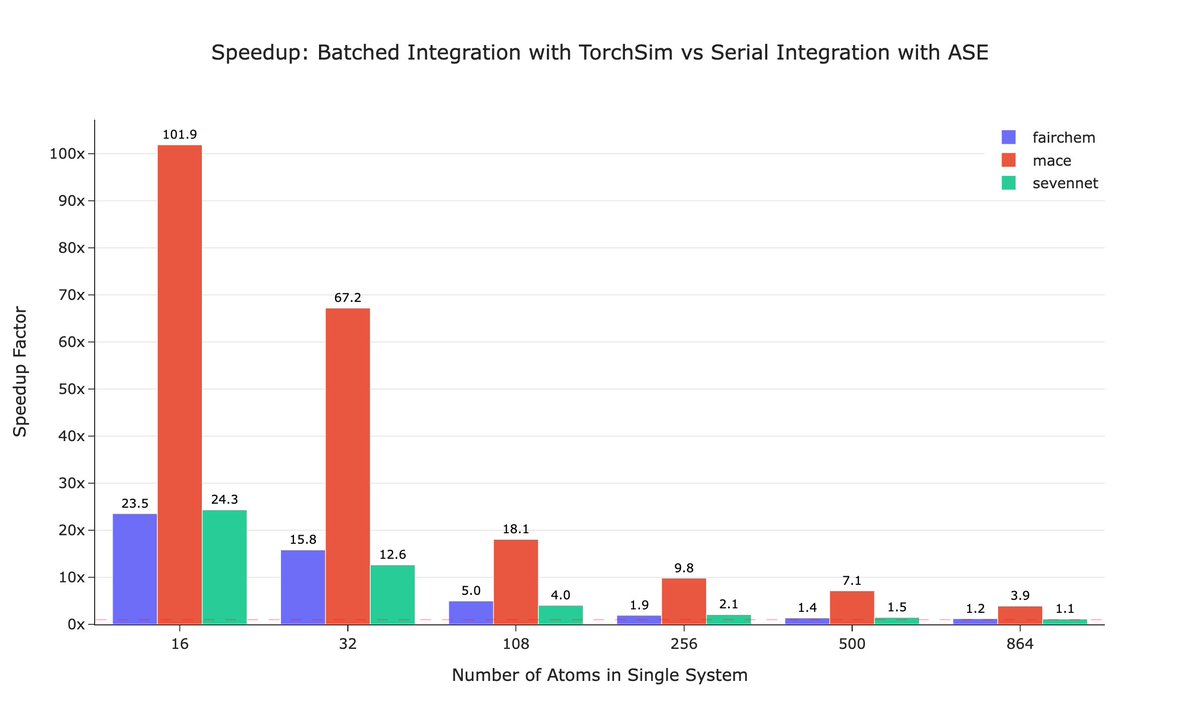
@scottikaiser@radicalai Ideal speedup ~= system size / max system size. 10k is near or past the memory limit of all the models listed, so there won't be much speedup. A cheaper model would see high-speed multipliers even with large systems.
Today we release TorchSim, a next-generation PyTorch-native atomistic simulation engine for the MLIP era. Our hope is that this open-source package ignites a materials simulation revolution.
@radicalai It was an absolute pleasure building this alongside @ganganabhijeet and @jrib_.
After 5 years navigating the intersection of the materials discovery and molecular dynamics ecosystems, I say with confidence: TorchSim is absolutely fantastic.
@radicalai It was an absolute pleasure building this alongside @ganganabhijeet and @jrib_.
After 5 years navigating the intersection of the materials discovery and molecular dynamics ecosystems, I say with confidence: TorchSim is absolutely fantastic.
We’re pushing American-made electric vehicles, expanding the domestic supply chain, AND improving #EV batteries.
@argonne and @BerkeleyLab are developing an antifreeze component to go from this ❄️🪫😞 to this ⃯-->❄️🔋😃 in sub-zero temperatures.
https://t.co/JsK5XZ0DuU
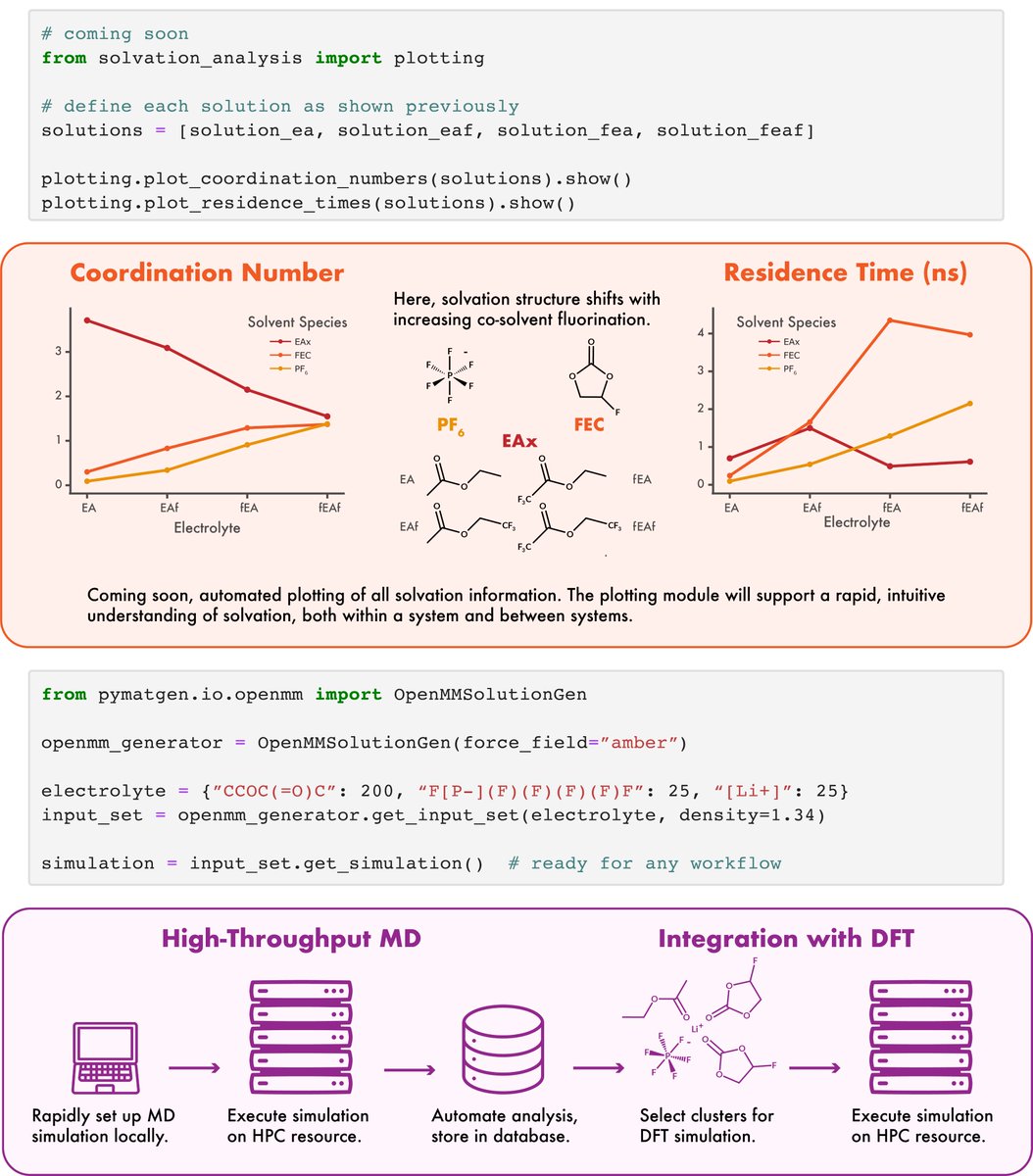
@orionarcher_ 's #GSOC work on the SolvationAnalysis package is now out in JOSS! Check it out to automate extraction of solvation properties from your #MD simulations
Thrilled to have this out in JOSS. This work builds on @mdanalysis to make analyzing battery MD much, much easier. One step closer to automating myself out of the job...
Just published in JOSS: 'SolvationAnalysis: A Python toolkit for understanding liquid solvation structure in classical molecular dynamics simulations' https://t.co/Is61PDObFN
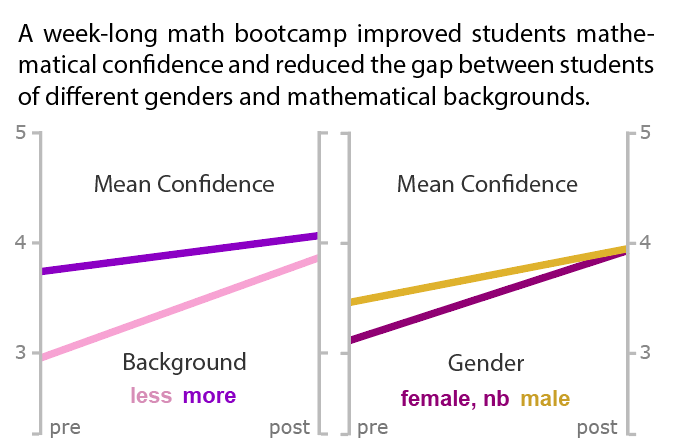
It's been a pleasure making the @UCB_Chemistry Math Bootcamp a reality over the past 3 years. More importantly, writing our work up gave me an excuse to make some sweet slope plots.
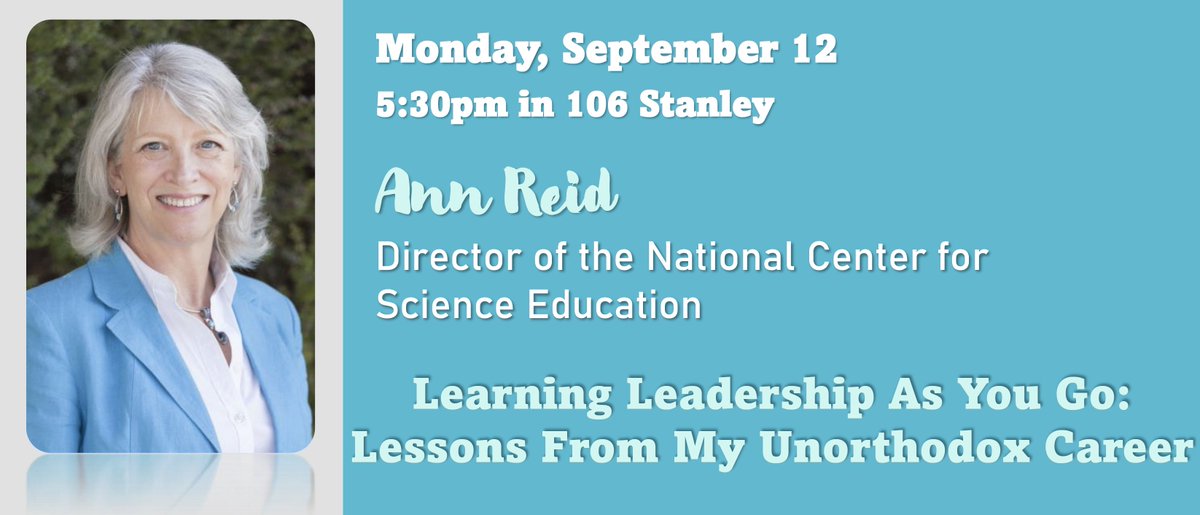
We are kicking off the SLAM 10th Anniversary Seminar Series with an exciting talk from Ann Reid, director of the National Center for Science Education. Learn more about her path to scientific leadership this Monday, 5:30 pm, 106 Stanley Hall. See you there!
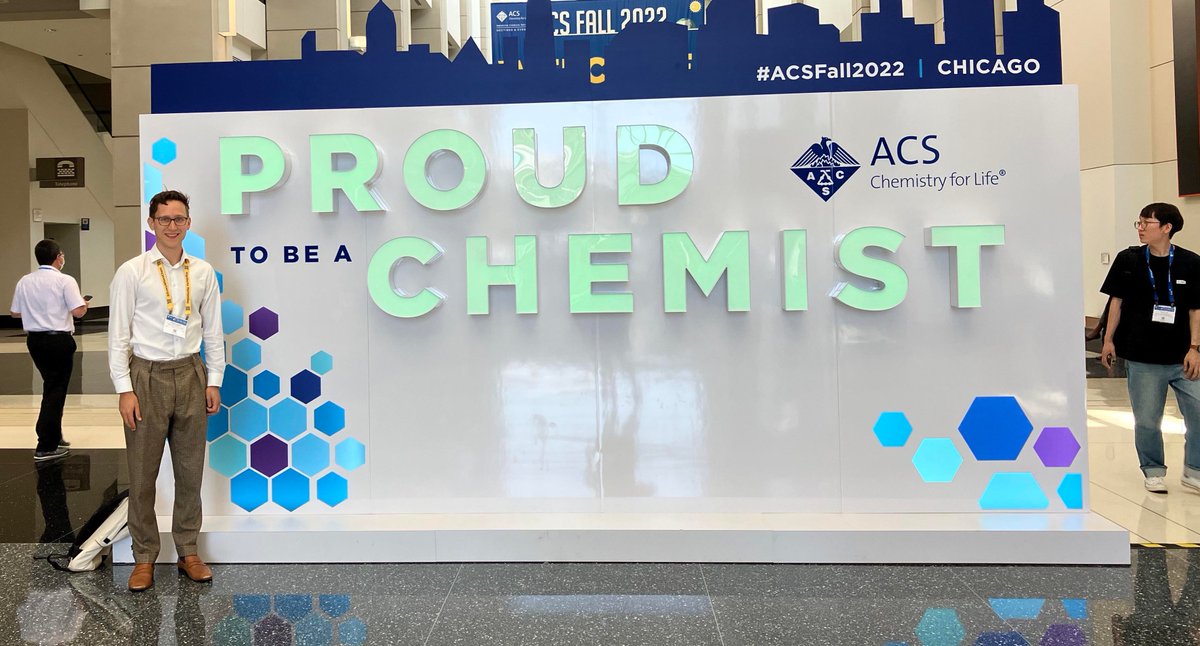
I'm questioning the wisdom of attending #ACSFall2022 and @acceleration_c conference back to back, but nonetheless, thrilled to be presenting my work on "accelerating" molecular dynamics simulation throughput!
Panel #3 of my poster below.
Four years ago, inspiring talks by @JoshuaSchrier and @KulikGroup at ACS Boston convinced me to leave experimental meteoritics for computational materials discovery. This year, I returned to #ACSFall2022 a fully fledged computational chemist. Here's to four more years 🥂⚛️
#GSoC with @mdanalysis was a pivotal experience for me. Having other developers read my code and give feedback was an incredible opportunity for growth. Maybe we should do that more often in academia………?
An interview with @orionarcher_
at the #ACSFall2022 meeting about how his #GSoC project with MDAnalysis last year changed the way he did computational science and how it became pivotal for his research https://t.co/EZDrjpVDDz