Believer in kindness, positivity, and good vibes, in love with sunsets, sand and beaches, amateur at twitter, certified introvert and pediatric endocrinologist.
ramayan should be a diwali watch ✨️, every diwali celebration should include the story of ram, coming back to ayodhya after 14 years of exile. that's the entire reason for this festival. 🪷
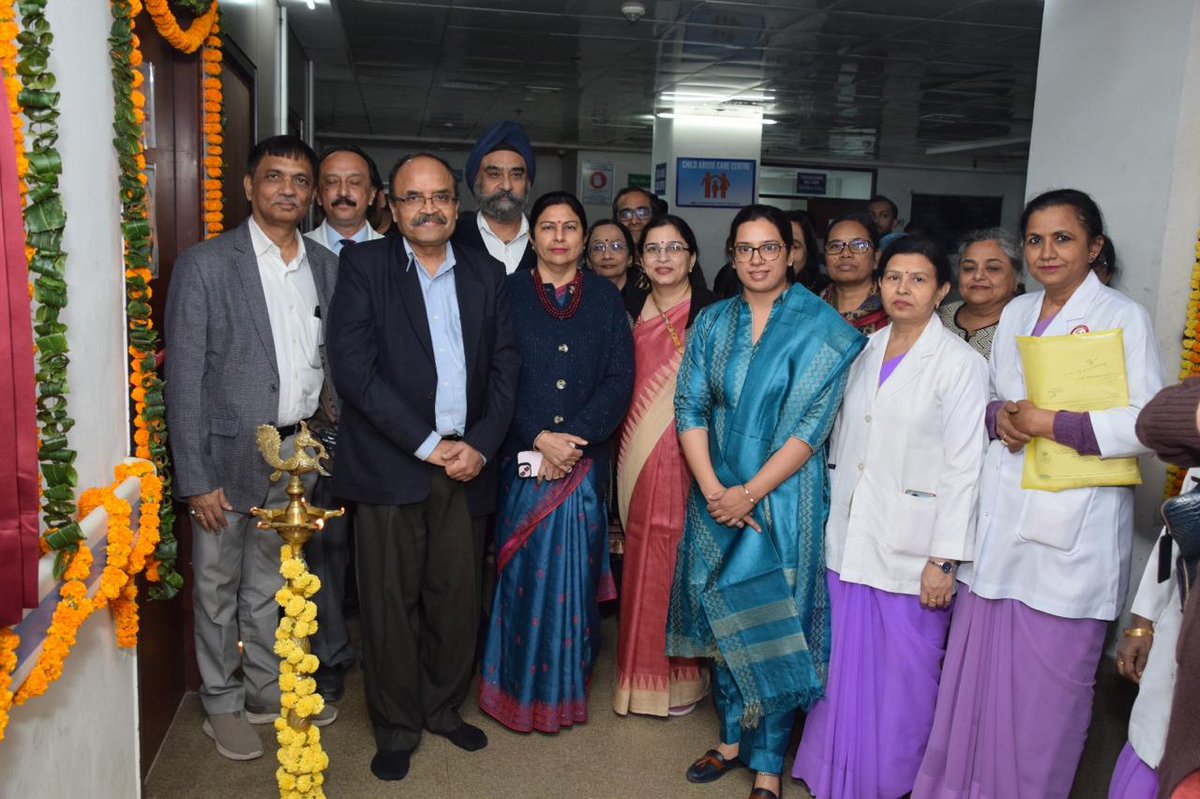
Milk Bank Lactation Management Unit in Dept of Pediatrics, SJH inaugurated by Dr Sandeep Bansal MS and Dr Geetika Khanna Principal in presence of Dr Ratan Gupta HOD Pediatrics & Dr Sugandha Arya Incharge Mother-NICU. This supports to provide expressed breast milk to sick babies.
GLP-1RAs are not approved for PPL with #T1D yet the potential for #weightloss#insulin sparing, and reduction of cardiometabolic risk continues to raise questions surrounding its potential utility https://t.co/aPLUIdyctL
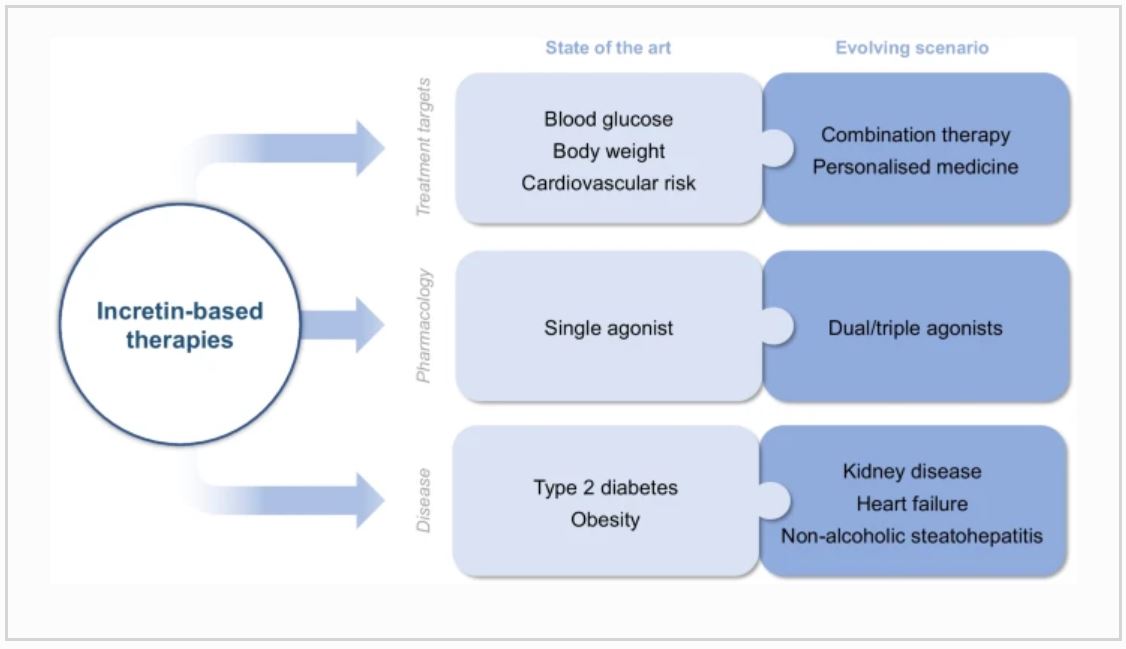
Focus on the ever-growing evidence of #cardiovascular protection offered by #incretin-based therapies, reviewing CVOTs and real-world data of #GLP-1 receptor agonists and early clinical trials of novel dual and triple co-agonists. #T2D#GLP1RA#CVD. https://t.co/SURUFwXhof 🔓
No water supply (drinking and otherwise) at my home in sector 11 for last 3 days..
Looks like we are travelling back in time ..
Water water nowhere.. not a drop to think!!
#smartcity#Chandigarh#Mcchandigarh
TREATING HYPOTHYROIDISM
Everyone treats hypothyroidism. After all, isn’t it only changing the doses of levothyroxine as you wish! Is there a science to dose modification of thyroxine in primary hypothyroidism?
A thread
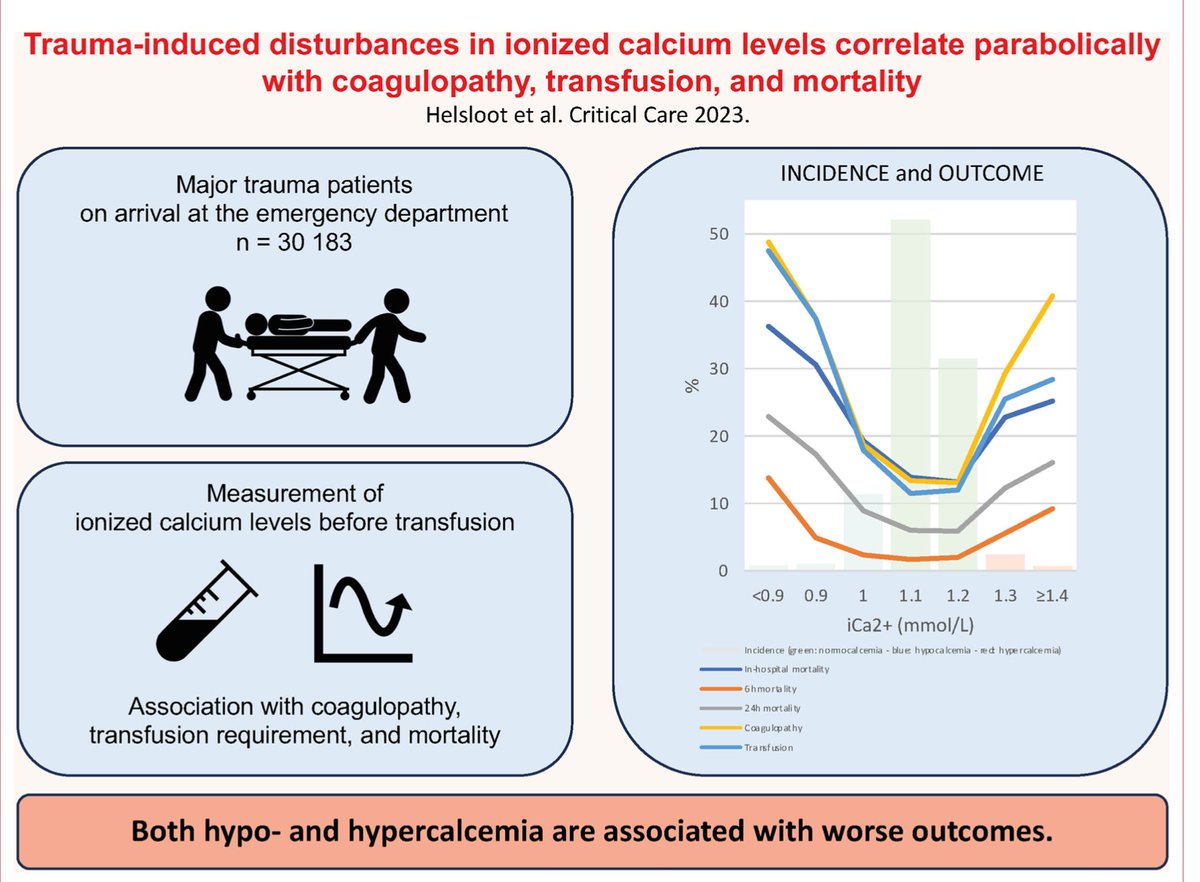
Hypocalcaemia in trauma is bad, but so is hypercalcaemia on arrival to ED.
Early empiric calcium replacement may not be appropriate for all patients.
Article free to read at https://t.co/gcNEKgTXoX
@Bianco_Lab review discusses the shortcomings of therapy with levothyroxine, provides a mechanistic explanation for the incomplete normalization of thyroid hormone signaling, and details how to approach patients with residual symptoms of hypothyroidism
https://t.co/ZgplrXN1cw
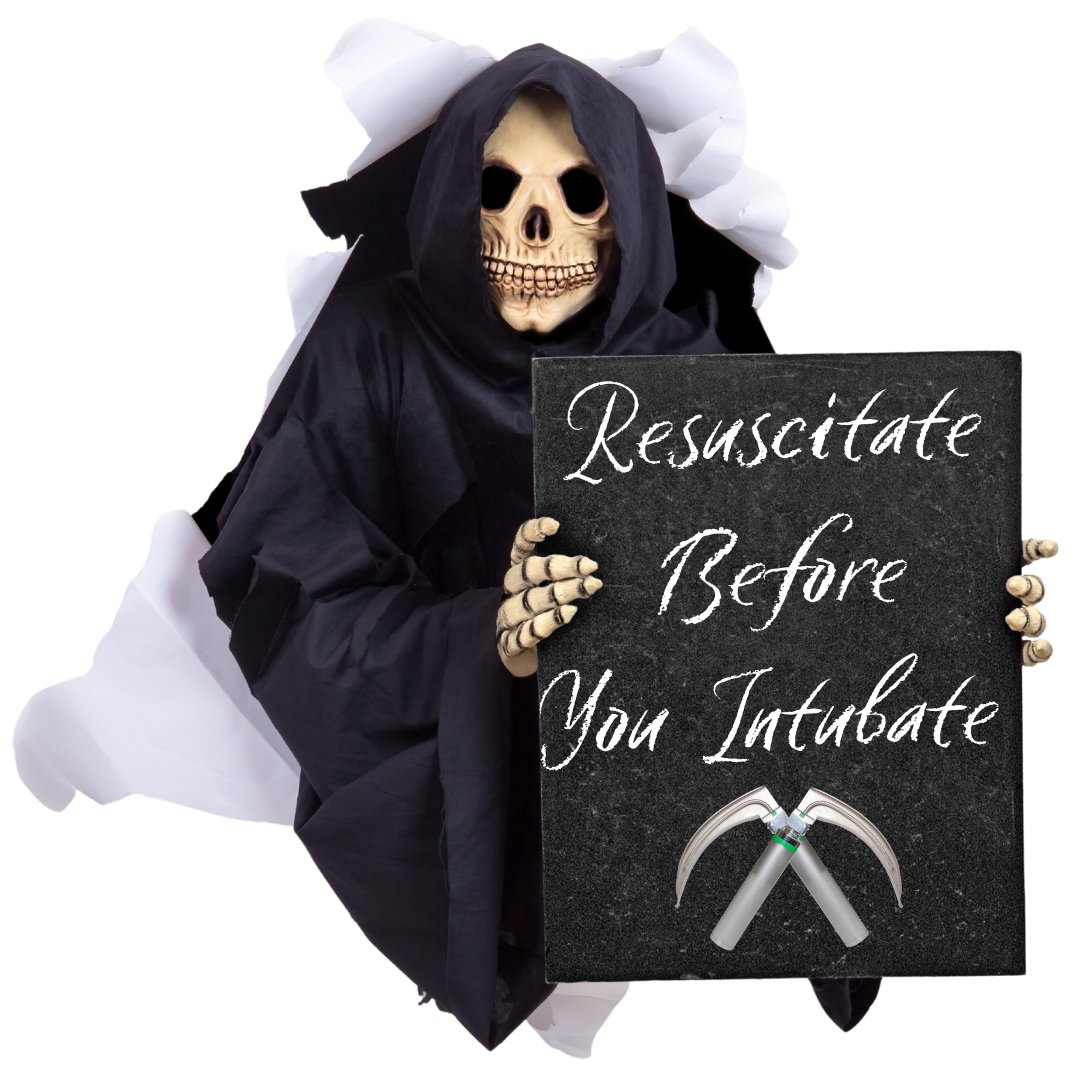
Resuscitate Before You Intubate!!!
Remember, our patients in critical condition may often deteriorate following intubation. Ever wondered why? It's usually because they're not adequately resuscitated before the procedure. This tends to happen predominantly with patients needing emergency intubations, as these individuals are often in precarious hemodynamic states and might be volume depleted.
Let's dive a little deeper into the physiology. Ordinarily, our respiratory process operates under negative pressure - when the diaphragm descends, it lessens intrathoracic pressure and draws air into the lungs. Intubation switches this to a positive pressure system where air is forcibly delivered into the lungs by a ventilator. In patients with low intravascular volume, this increase in intrathoracic pressure may precipitate hemodynamic instability. This situation is further exacerbated by sedatives and paralysis, which hinder the body's ability to adapt to these sudden changes.
It's essential to note, though, that this deterioration is seldom abrupt and can often be anticipated.
Whenever possible, which is the majority of cases, always aim to resuscitate before intubation. But be aware, indiscriminate fluid administration is not the answer. A timely bedside echo can ascertain their volume status and assess their right ventricular condition - key information before intubation. Also, remember to use the Shock Index, calculated as heart rate/SBP. A value ≥ 0.9 may indicate the need for further resuscitation.
Emergency intubation, a common Pre-Hospital, ER and ICU procedure, although aimed at supporting the patient, brings about substantial changes to normal cardiopulmonary physiology. This could be detrimental for critically ill patients, unless the necessary precautions are taken during the peri-intubation period.
During positive pressure ventilation, normal cardiopulmonary interactions are disturbed due to the increase in intrathoracic pressure, leading to decreased preload and increased RV afterload.
Patients in need of emergent intubation often come with compromised hemodynamics, maintained mainly by increased sympathetic activity and elevated endogenous catecholamine levels. In addition, their illness often leads to hypovolemia due to decreased intake and increased losses. Sedatives used during rapid sequence intubation can further compromise the sympathetic response.
Failure to address hypovolemia and reduced sympathetic activity can lead to post-intubation hypotension and, in severe cases, cardiac arrest. Hence, thorough planning and preparation are more crucial than the intubation itself. Secure resuscitative access before intubation, preferably using two US-guided 18G IVs. Then, consider using point-of-care echo, especially in patients with SBP < 90 or a Shock Index > 0.9.
These patients may benefit from volume resuscitation using pressure-bagged fluids and low-dose vasopressors to raise BP. Push-dose epinephrine can be useful in situations where adequate pre-intubation resuscitation is not possible, or the sympathetic drive is so high that removing it may cause severe decompensation.
The mantra remains - "Resuscitate before you intubate."