1/ Why can you encounter an allergen repeatedly before becoming allergic to it? In our new @ImmunityCP paper, led by the wonderful @XuepingZhu, we asked whether the sensory neurons that first detect allergens might carry a record of earlier exposures. 🧵
https://t.co/9lTuq2vf87
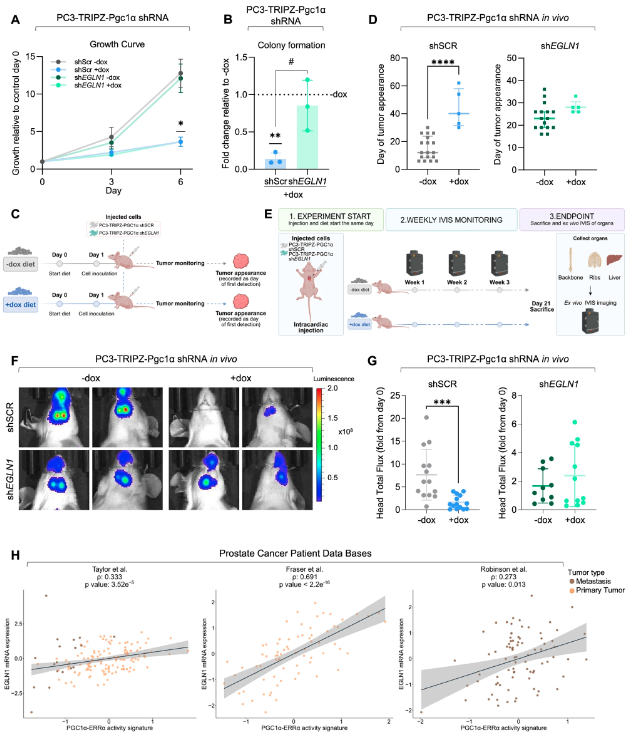
“PGC1α-mediated upregulation of PHD2 represses HIF-signaling, limiting prostate cancer progression”
PGC1 represses HIF signaling via ERR-driven EGLN1 transcriptional induction, expanding its #TumorSuppressive role in #PCa ⤵️
https://t.co/nd57x9Ot4D
@fagomaider
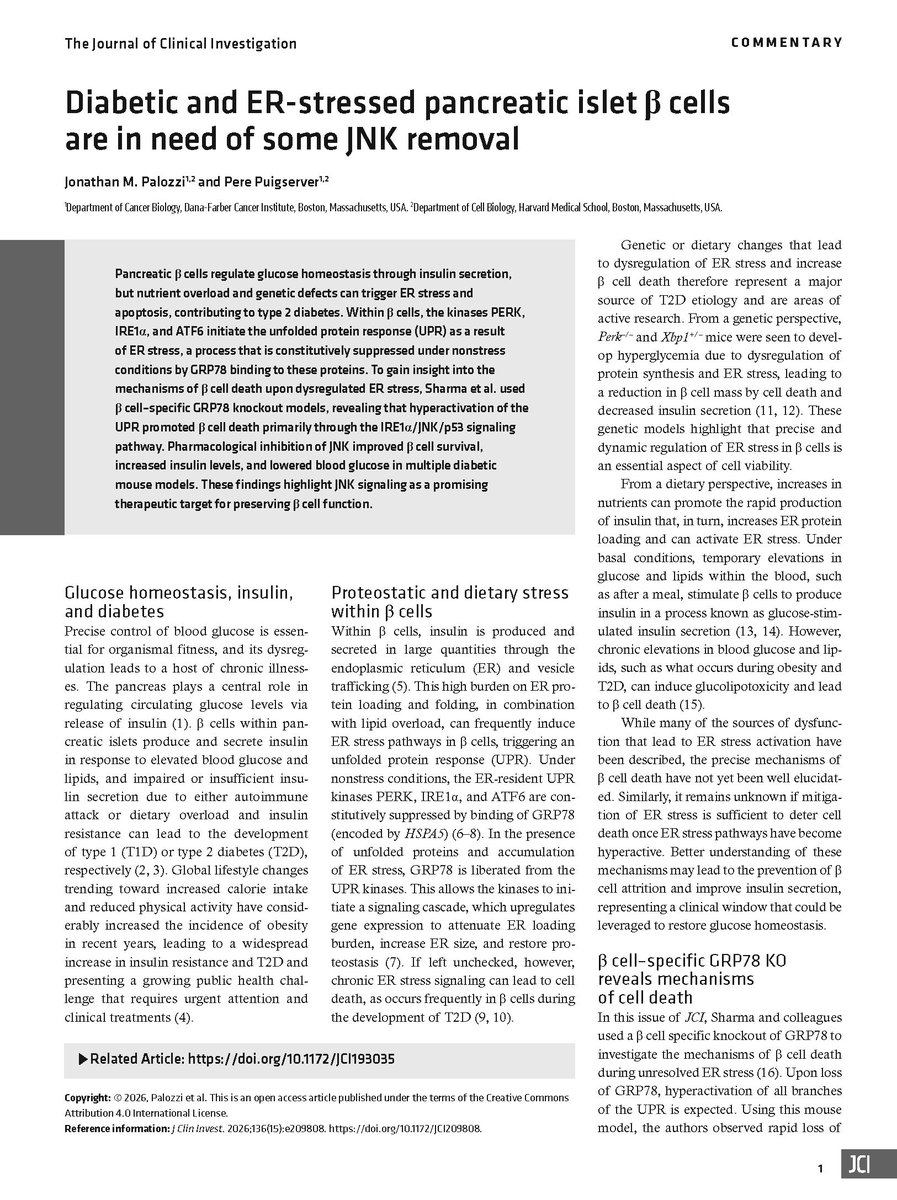
Diabetic and ER-stressed pancreatic islet beta cells are in need of some JNK removal: https://t.co/li9RNxbk03
Jonathan M. Palozzi & Pere Puigserver @danafarber provide a Commentary on Sharma et al.: https://t.co/LlAlIvFX0X
#Diabetes
New commentary from Jonathan and Pere in the JCI on diabetic and ER stress pancreatic islet beta cells related to an article from Alonso's lab on this topic.
https://t.co/t3nqEoW4li
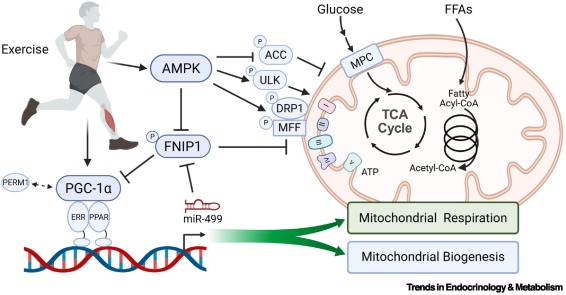
Molecular regulation of PGC-1α: from protein-protein interactions and post-translational modifications to pharmacological modulation
https://t.co/kXkfJxILAg
We are pleased to announce the 2026 recipients of the AACR Scientific Achievement Awards. We look forward to celebrating their impactful contributions to cancer research at the AACR Annual Meeting. https://t.co/5r0doflPr0 #AACR26
This is insane.
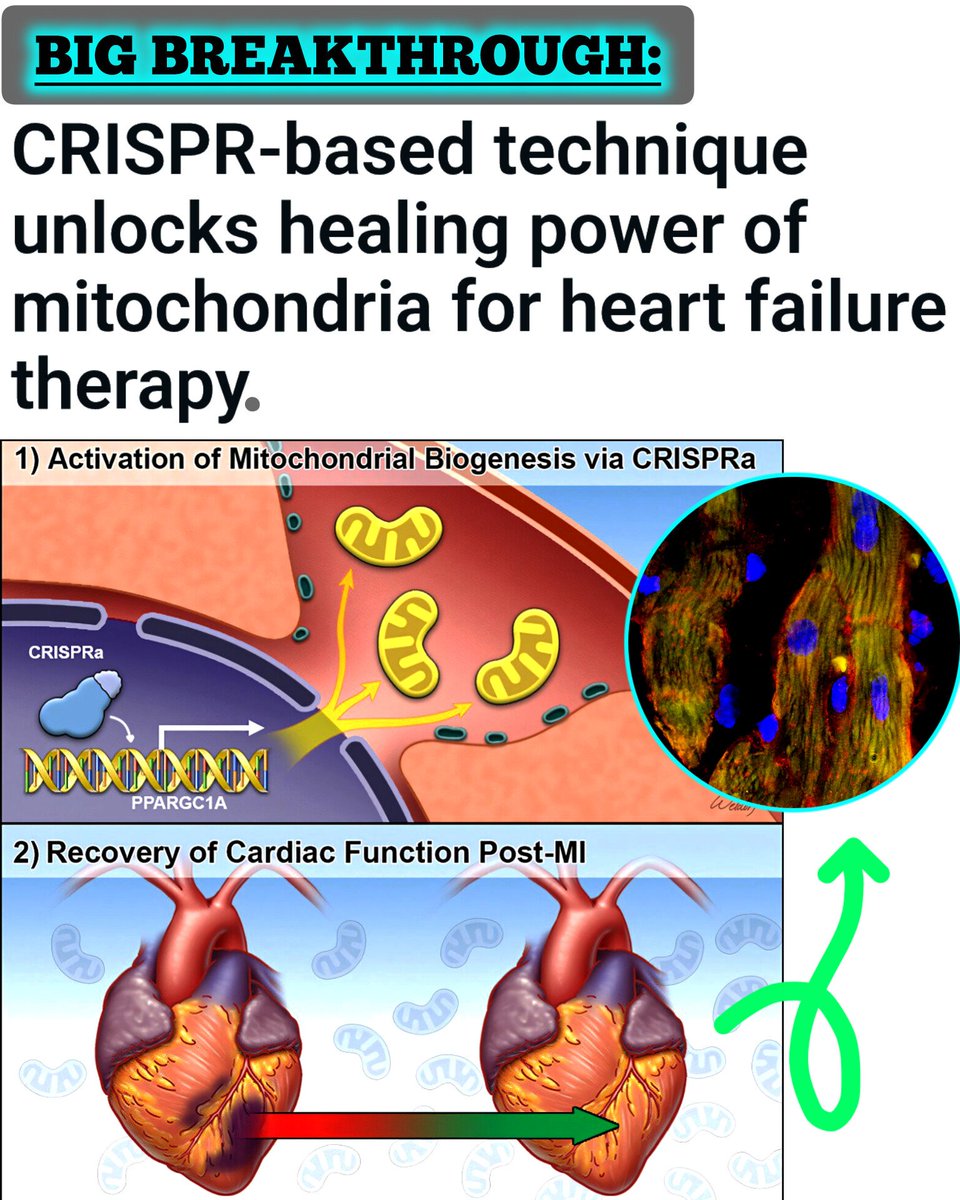
BIG BREAKTHROUGH: Scientists just developed a CRISPR gene switch that helps heart cells rebuild their own power plants.
Researchers have created a CRISPR based system that activates the gene PPARGC1A, which produces the metabolic regulator PGC-1α, the master controller of mitochondrial biogenesis.
Instead of editing DNA, the system uses CRISPR activation (CRISPRa) to turn the gene on, triggering cells to naturally produce more mitochondria, the structures that generate ATP and power cellular metabolism.
When tested in human cardiomyocytes and donor heart tissue, the technique significantly increased mitochondrial respiration and oxygen consumption, clear indicators of stronger cellular energy production.
This matters because heart failure is fundamentally an energy crisis. After a myocardial infarction, mitochondria become dysfunctional and heart cells cannot generate enough ATP. About 1/3 of heart attack patients eventually develop heart failure, and around 6.8 million people in the U.S. live with the disease.
Previous attempts to boost mitochondria forced cells into metabolic overdrive 👀!
This CRISPR approach works differently. It fine-tunes the cell’s internal regulatory network, allowing mitochondria to increase in a controlled way without damaging metabolism.
This new study shows that gene activation CRISPR systems can reprogram cellular metabolism, not just edit DNA.
If future trials succeed, this approach could help treat:
> Heart failure after heart attacks
> Mitochondrial disorders
> Metabolic diseases
> Possibly neurodegenerative conditions
Activation of IRF3 in cardiomyocytes impairs mitochondrial oxidative function through PGC-1α inhibition and drives heart failure
https://t.co/lVUy9Ba24g
Good Sunday mito-friends, don't miss this new selection of papers related to #MitochondrialMedicine presorted by
@Bims_BiomedNews
https://t.co/YXxFNhCjYk
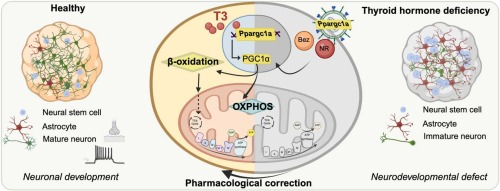
Targeting PGC-1α axis Rescues Aberrant Development from Thyroid Hormone Defect in Brain Organoids
Victoria Sánchez Perez and Adam S. Crystal chaired a plenary session on "Synthetic Lethality" this morning at #Targets25, featuring Edmond M. Chan, Peter S. Hammerman, Francisca Vazquez, and William Sellers.
@DrFranVazquez
If you can only attend a handful of meetings next year, @CellSymposia #CSMito2026 should be a priority. It offers a comprehensive, top-to-bottom perspective on mitochondria, and brings together a diverse group of scientists from across the field.
Visit: https://t.co/TUlucMVPlu
If you can only attend a handful of meetings next year, @CellSymposia #CSMito2026 should be a priority. It offers a comprehensive, top-to-bottom perspective on mitochondria, and brings together a diverse group of scientists from across the field.
Visit: https://t.co/MvNDCoQkEZ
❤️Our October issue is out❤️Read about the RNA editing enzyme ADAR1 regulating atherosclerosis progression, PGC-1α and cardiac adaptation to exercise training, the role of LYVE1-macrophages in heart regeneration and peripheral artery disease, and more.
https://t.co/6IDTiQSHE7