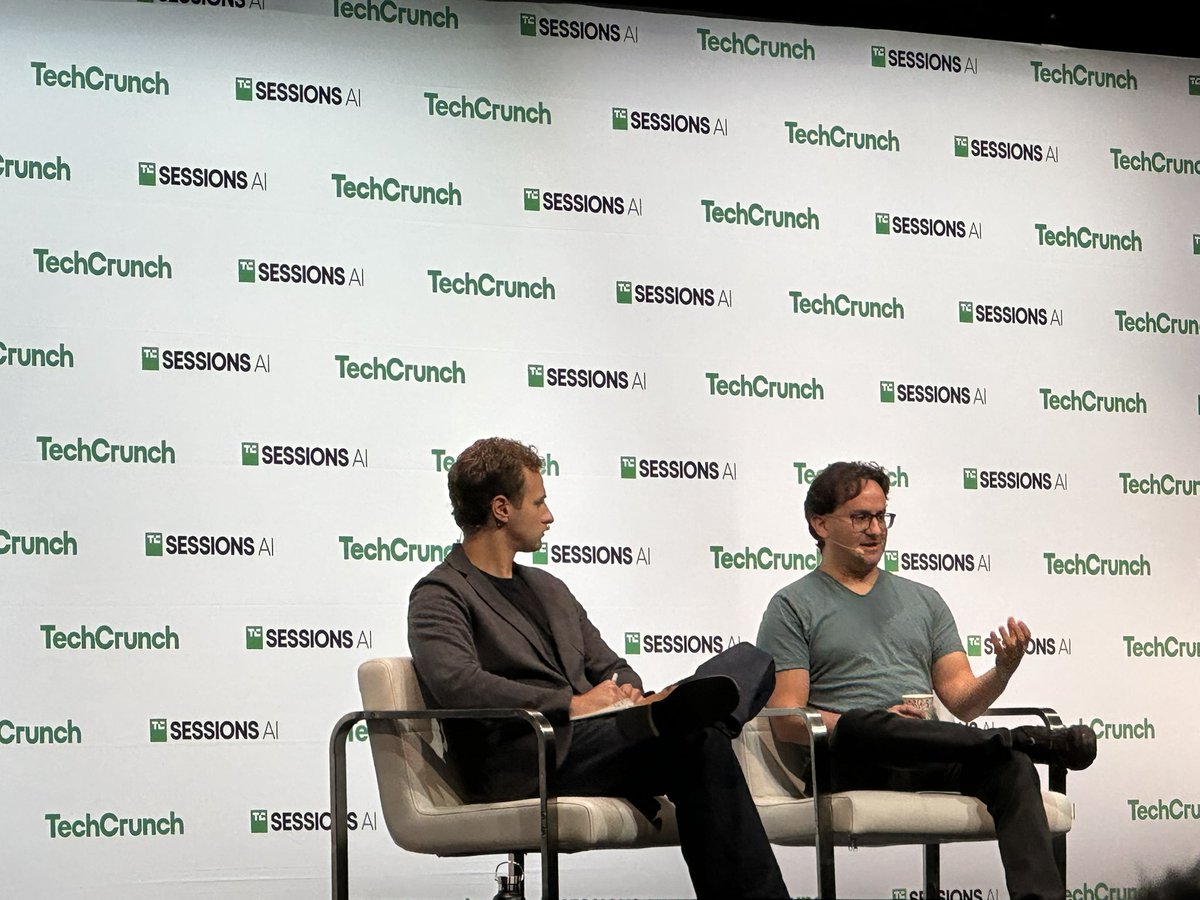
The courage celebrated of entrepreneurs is actually way more common than recognized or written about & exists in neighborhoods around the world, in organizations of every size, in public service, companies, startups, you name it. 🔥Creators, keep persevering. The world needs you.
My new blog post is Getting It Wrong: Rethinking a Life in Scholarship.
The core insight is that research trajectories are not things you can carefully map out in advance. They just happen. You learn as you go. And the most effective means of learning from your own work — at least from my experience — arises from getting it wrong, time and time again. If you’re not getting things wrong, you may not be learning much at all, since you may just be continually finding what you’re looking for. It may well be that what you need to find are the things you’re not looking for and that you really don’t want to confront. The things that challenge your own world view, that take you in a direction you’d rather not go, forcing you to give up ideas you really want to keep.
https://t.co/0xbH5pAfOg
Had meetings and a dinner with 20+ enterprise AI and IT leaders today. Lots of interesting conversations around the state of AI in large enterprises, especially regulated businesses.
Here are some of general trends:
* Agents are clearly the big thing. Enterprises moving from talking about chatbots to agents, though we’re still very early. Coding is still the dominant agentic use-case being adopted thus far, with other categories of across knowledge work starting to emerge. Lots of agentic work moving from pilots and PoCs into production, and some enterprises had lots of active live use-cases.
* Agentic use-cases span every part of a business, from back office operations to client facing experiences from sales to customer onboarding workflows. General feeling is that agentic workflows will hit every part of an organization, often with biggest focus on delivering better for customers, getting better insights and intelligence from data and documents, speeding up high ROI workflows with agents, and so on. Very limited discussion on pure cost cutting.
* Data and AI governance still remain core challenges. Getting data and content into a spot that agents can securely and easily operate on remains a huge task for more organizations. Years of data management fragmentation that wasn’t a problem now is an issue for enterprises looking to adopt agents. And governing what agents can do with data in a workflow still a major topic.
* Identity emerging as a big topic. Can the agent have access to everything you have? In a world of dozens of agents working on behalf, potentially too much data exposure and scope for the agents. How do we manage agents with partitioned level of access to your information?
* Lots of emerging questions on how we will budget for tokens across use-cases and teams. Companies don’t want to constrain use-cases, but equally need to be mindful of ultimate token budgets. This is going to become a bigger part of OpEx over time, and probably won’t make sense to be considered an IT budget anymore. Likely needs to be factored into the rest of operating expenses.
* Interoperability is key. Every enterprise is deploying multiple AI systems right now, and it’s unlikely that there’s going to be a single platform to rule them all. Customers are getting savvier on how to handle agent interoperability, and this will be one of the biggest drivers of an AI stack going forward.
Lots more takeaways than just this, but needless to say the momentum is building but equally enterprises are acutely aware of the change management and work ahead. Lots of opportunity right now.
2021: 2.5k GitHub stars, Discord community, zero revenue focus.
2026: Series A, 30% of recent YC batches on Porter, hundreds of customers deploying daily.
How did we build Porter from "fresh out of YC" to where we are today?
1) We stopped optimizing for surface-level adoption
Early on, we had hundreds of Discord members, GitHub stars were climbing, and developers were talking about us everywhere. We thought social proof meant we were winning.
The reality? None of it translated to real usage. Not all social proof is created equal, as Discord community size doesn't mean you have something real.
One customer deeply integrated with Porter beats a hundred people who think it's "cool" but never deploy.
2) We pivoted from enterprise-first to following the usage
Initially, we focused solely on white-glove migration, mostly Heroku Enterprise users that wanted to be on AWS with the developer experience of a PaaS. Bigger contracts, multi-month sales cycles. We thought this was the path to revenue.
Then we noticed something: self-serve startups signing up were exploding past enterprise accounts we'd spent months chasing.
Some self-serve customers ended up generating more usage than enterprise contracts that took half a year to close.
3) We went all-in on the self-serve startup motion
For the last 2.5 years, we've focused entirely on self-serve adoption from early-stage companies.
We were initially ignoring startups because we didn't think they were worth the effort. Then we saw some of them explode and grow to be massive.
The startups knocking on our door were going to become our best customers, we just had to let them in.
4) We built for developers, not just decision-makers
We stopped pitching executives and started shipping for the people actually deploying infrastructure.
If we could build better docs with faster onboarding, the result would be a better developer experience all around.
The bottoms-up motion only works if your product sells itself to the person using it.
5) We measured what actually matters
We stopped tracking GitHub stars and Discord members. We started tracking resources managed, customer growth, and revenue.
The companies that matter aren't the ones talking about infrastructure on Twitter, they're the ones shipping on it every day.
–
The shift from 2021 to 2026 wasn't a product pivot. It was understanding which signals meant real traction and ruthlessly focusing on those.
Vanity metrics will lie to you. Deep usage from companies that are actually growing won't.
“AI is a civilizational technology.”
That’s how @drfeifei calmly framed the stakes when @hugobowne and I co-hosted her on @delphina_ai's High Signal. What an honor to have her on! I’ll admit to getting tingles recording this one.
Sometimes referred to as the Godmother of AI, Fei-Fei is creator of ImageNet; Professor of CS at Stanford and Founding Co-Director of Stanford’s Human-Centered AI Institute; former VP & Chief Scientist of AI/ML at Google; now Co-founder and CEO of @theworldlabs.
In a wide ranging conversation, we spoke about:
1/ Fei-Fei’s motivations, and how she follows her curiosity about the world’s big questions
2/ What the concentric‑rings are of human centered AI
3/ What a path to responsible AI could look like
4/ What spatial intelligence is, and why it’s the next leap
And much more. Check out the clip below for a preview, and grab the full show:
🎧 On Spotify: https://t.co/KP5B4kVaLn
🍎 Apple Podcasts: https://t.co/0EH99Y5KLQ
▶️ YouTube: https://t.co/HCPfKQK87E
📄 Show notes: https://t.co/0U7NuPdl6G
High Signal brings you the best from the best in Data. Do us a favor and like + share!
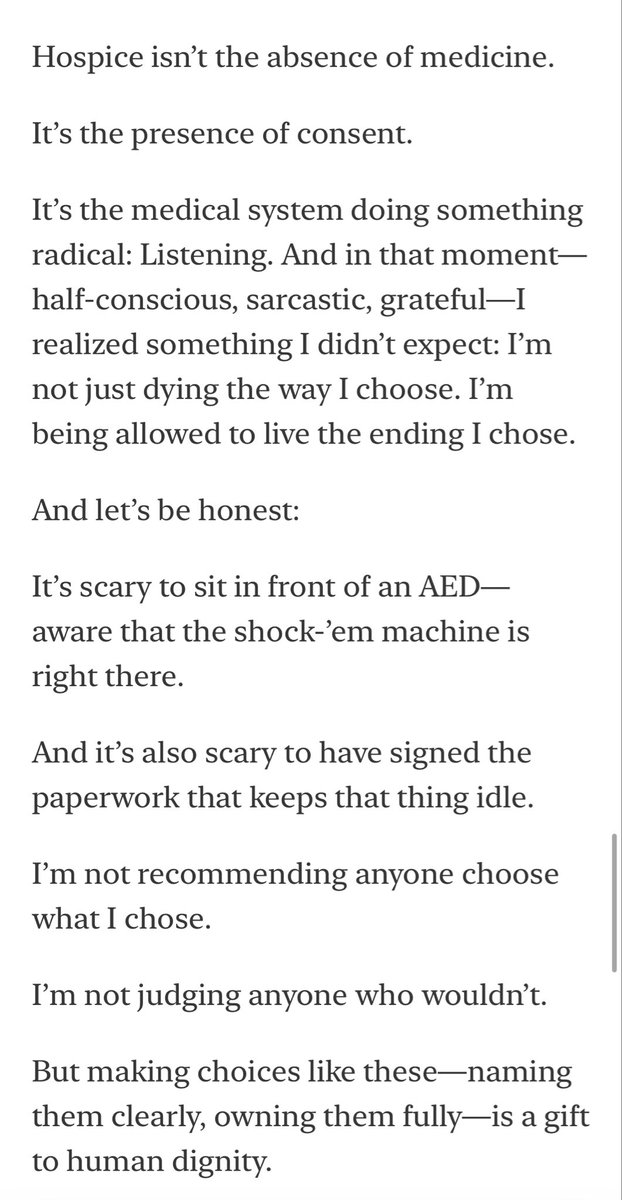
“Hospice isn’t the absence of medicine. It’s the presence of consent.”
Beautiful post by Adam Hayden. 🩷
Thank you for sharing @SusannahFox. #hapc#hospice#advancecareplanning https://t.co/iDtqYwi4Fp
Current customer of @resolveai:
"Resolve is probably one of the first AI tools where I saw the value in it immediately, even just passively using it."
More and more teams are starting to understand the value of Resolve, and they are feeling that impact almost instantaneously in their daily workflows.
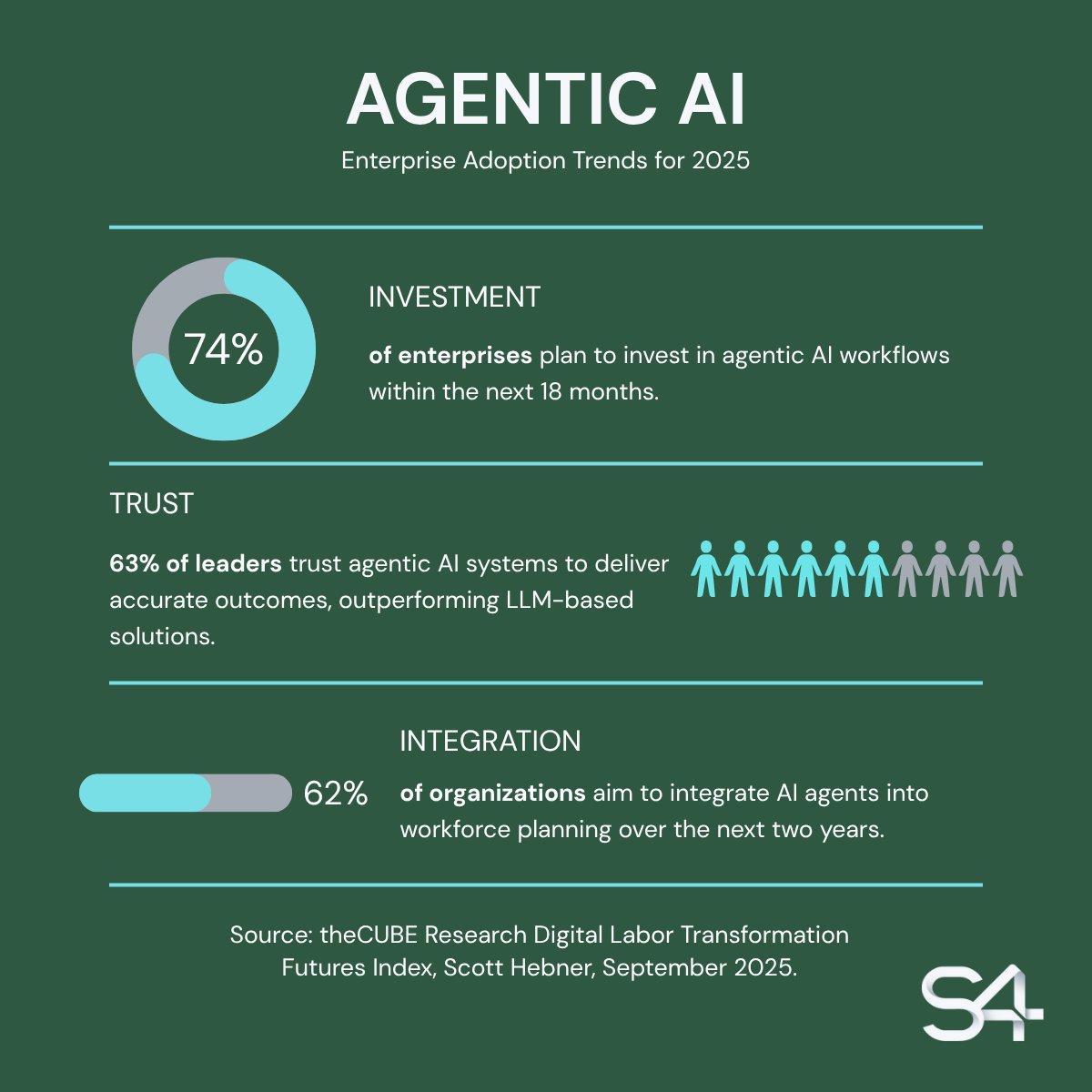
74% of enterprises are investing in agentic AI workflows, and that shift is happening now.
This isn’t about exploration anymore, it’s about execution. Trust is growing, integration is underway, and AI agents are moving into the heart of business strategy.
Learn how to get started: https://t.co/R569N0fXpR
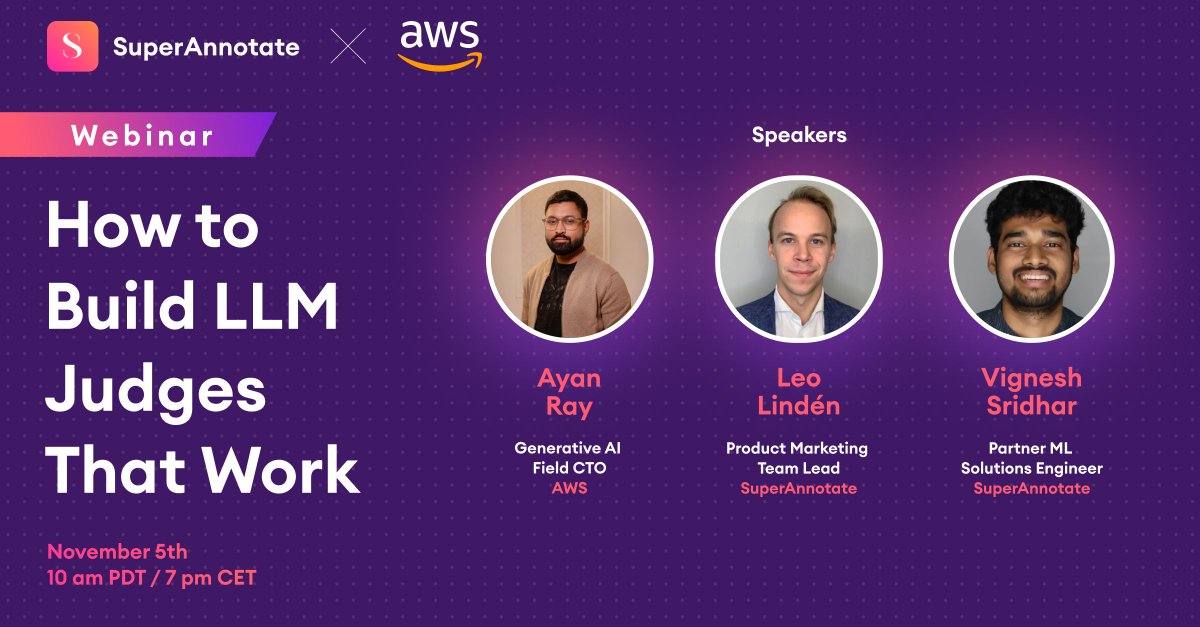
📣 Join SuperAnnotate and @awscloud for a deep dive on building reliable, scalable LLM Judge systems.
See how top AI teams use AWS Bedrock + human-in-the-loop review on SuperAnnotate to boost evaluation accuracy.
👉 Register now: https://t.co/NF6HiNBDY1
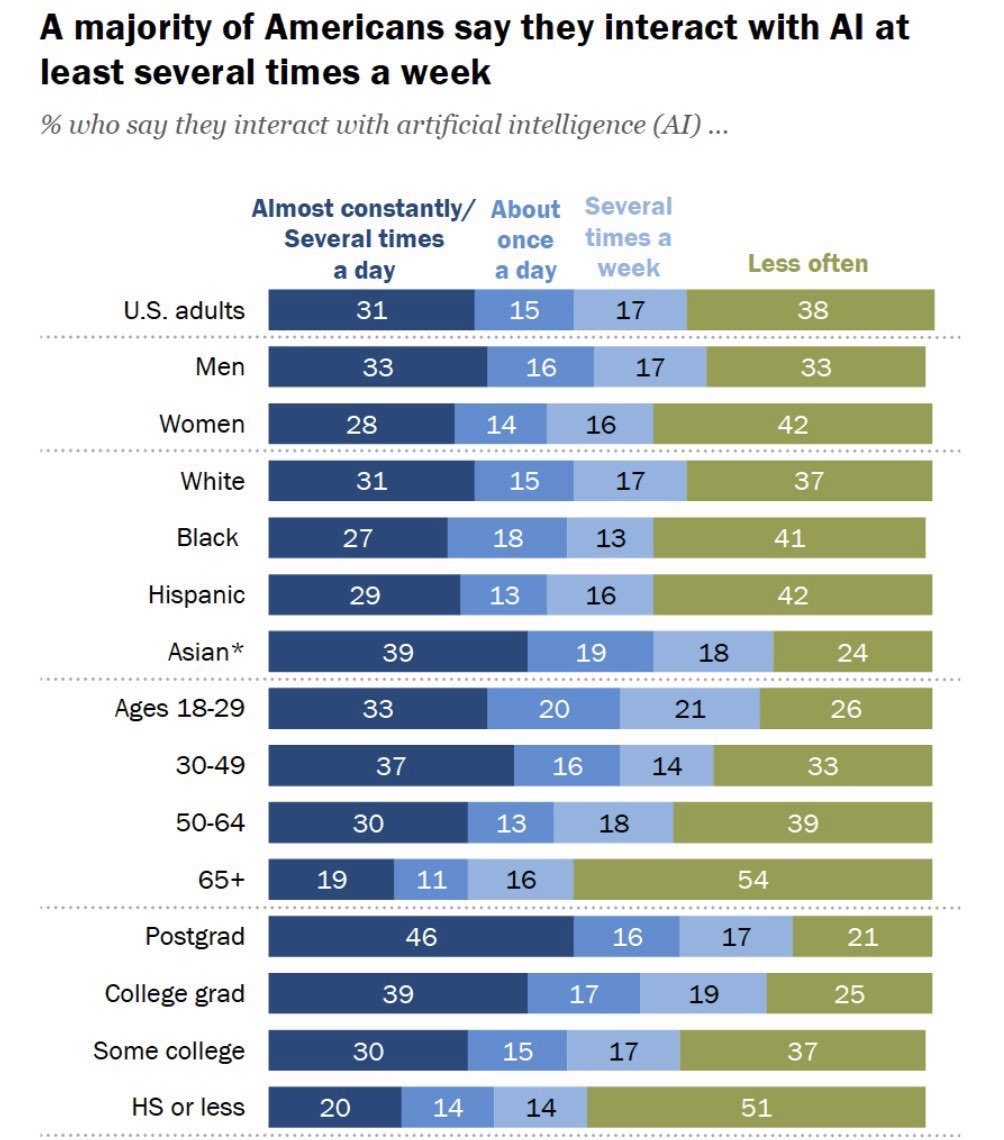
The majority of American adults interact with AI several times a week. AI has become a mainstream technology faster than any other tool in history. What’s amazing is that we’re only in the earliest stages of what’s actually possible. ht @emollick
I’m excited to introduce Clark, the first AI Agent to build internal enterprise apps.
We’ve raised $60M, including a fresh $23M from @sparkcapital@kleinerperkins, @MeritechCapital and Greenoaks.
Unlike consumer vibe coding tools like Lovable, Replit and Bolt that only generate prototypes, Clark builds production-ready internal apps — enforcing your enterprise standards:
🧩 UIs generated using your design system
🔌 Integrations with private APIs, databases and SaaS apps
🔐 Permissions mapped to @okta & @azuread groups
🛡️ Security with audit logging, secrets management, and vulnerability scans
Clark is designed to operate exactly like a human internal tools team. It's built on a state-of-the-art multi-agent architecture, emulating your Designer, IT admin, Engineer, Security Operations, and QA employees.
When Clark generates an application, you can modify it in 3 ways:
1. Natural language - talk to Clark
2. Visual – Edit it like in Figma
3. Code – Use your IDE like Cursor or VSCode
Global enterprises in regulated industries like @Instacart (CART), @carrier (CARR), and @cvent (Blackstone) already run their mission-critical apps on our platform.
Our customers save $5m on average. Book a demo and we'll save you $5m too. And we're so confident that if we can't, we'll donate $5,000 to a charity of your choice:
Book a Demo – https://t.co/oG5LaD10V9
---------
As part of this launch, we’re giving away the system prompts of leading AI products like Cursor, Manus, and Codex.
These 6,000 line system prompts have enabled them to become billion-dollar companies on top of foundation models.
Retweet this post and comment ‘Superblocks’ below, and we'll send you the link so you can engineer world class prompts yourself.
👇 See Clark in action in the thread below
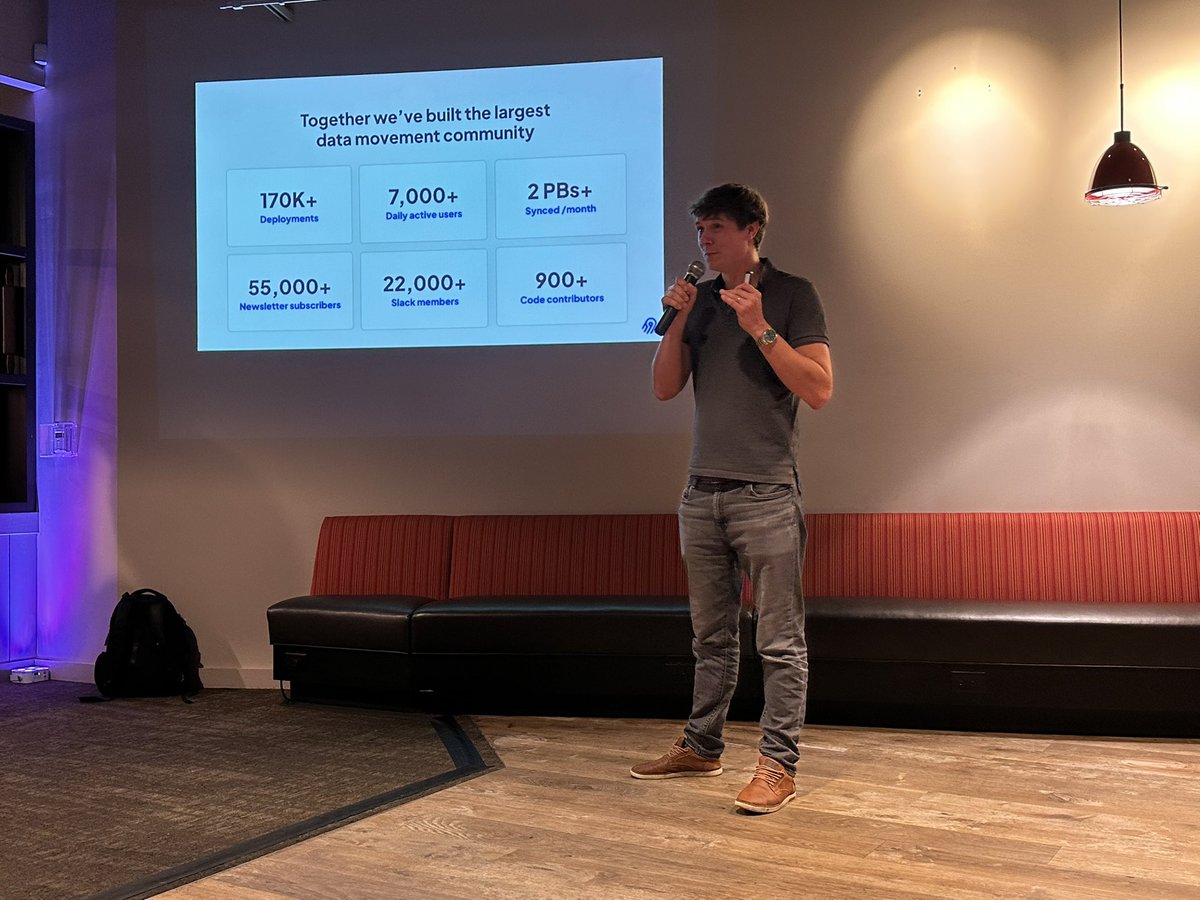
So so excited!! Airbyte 1.0 is finally here...
https://t.co/aBWV4xe1pi
It also just feels great to have a new Techcrunch article!!
It's like seeing again a great friend that you haven't seen for a few months!
https://t.co/BhvA9V8SYU