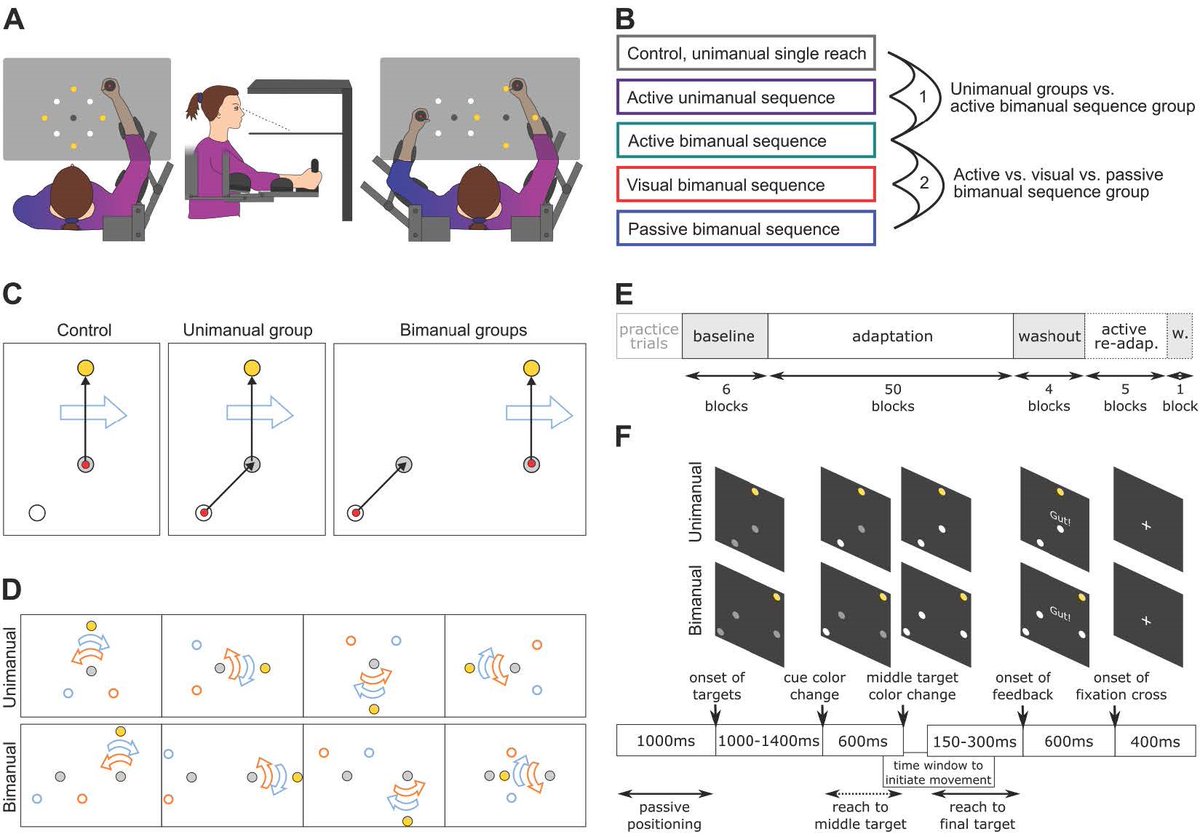
New paper (in the making since 2020) reporting the findings of the last experiment from my dissertation work, now published. https://t.co/vJQ4gss1dv
We studied the flexibility of the responsibility assignment process using a one-cursor bimanual task in chronic stroke survivors.
Modulating networks using DBS is an effective treatment for PD – but which circuits map to improvements in individual symptoms such as tremor, bradykinesia, rigidity, and axial? A 🧵 about our new paper out now in @NatureComms https://t.co/4KPUBGgsRd @netstim_org
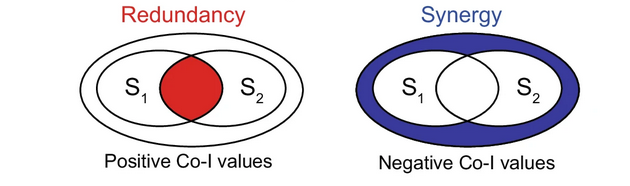
2/8 Are cortical representations of prediction error synergistic? Synergy refers to the complementary effect of multiple brain signals conveying more information than the sum of each isolated one. Synergy might indicate distributed rather than serial prediction error processing.
Looking for grad school opportunities at the intersection of systems and computational neuroscience and personalized rehabilitation? Join us at Emory! My collaborators include @NPResearchLab@kesar_lab@gordonberman @Sam_Sober_neuro @gregory_sawicki, Tim Cope, and more!
Thrilled that my essay on the perception of time is finally published. In it, I challenge the idea that animals explicitly estimate the duration of ~second-long intervals internally using neuronal representations of time.
A 🧵to explain this upsetting idea
https://t.co/XO0Q8mr9Sg
Very interesting work! Looking forward to reading this in more detail. My initial thoughts: sparing of sensory processing and reward processing centers seem to be important even for achieving meaningful participation/outcomes in physical rehab.
Congrats to this group!
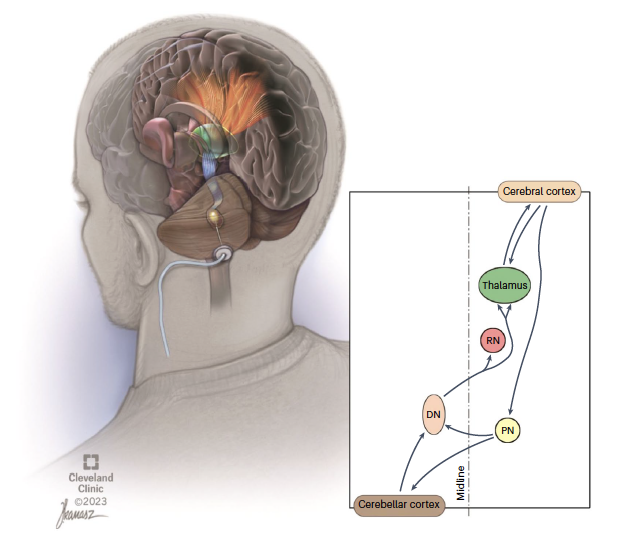
Deep Brain Stimulation to treat stroke. Andre Machado and Ken Baker and colleagues @ClevelandClinic in a new @NatureMedicine paper showed dentate nucleus stimulation was effective for a small pilot cohort of folks. Who were they? 'Individuals with a first-time, unilateral, ischemic stroke affecting the middle cerebral artery territory, sparing the diencephalon and basal ganglia, 12–36 months before surgery. Each candidate had to show persistent moderate-to-severe upper-extremity hemiparesis and sufficient upper-extremity motor ability to engage in rehabilitation.' Thanks @JankovicJoseph for sharing this paper with me.
https://t.co/BAes8ypXIQ
All is not equal: Stephan Swinnen recommends this paper by @rinivarg et al. in @PNASNews that shows a deficit in error assignment after right hemisphere stroke may explain why rehabilitative training is less effective in patients with left #hemiparesis.
https://t.co/Sx5fiQeNXB
Proud of @simha_surabhi and her first paper from the lab where she tuned a cross-bridge model of a muscle spindle to predict non-linear and history-dependent firing during periodic stretches! https://t.co/laS35SqFQX
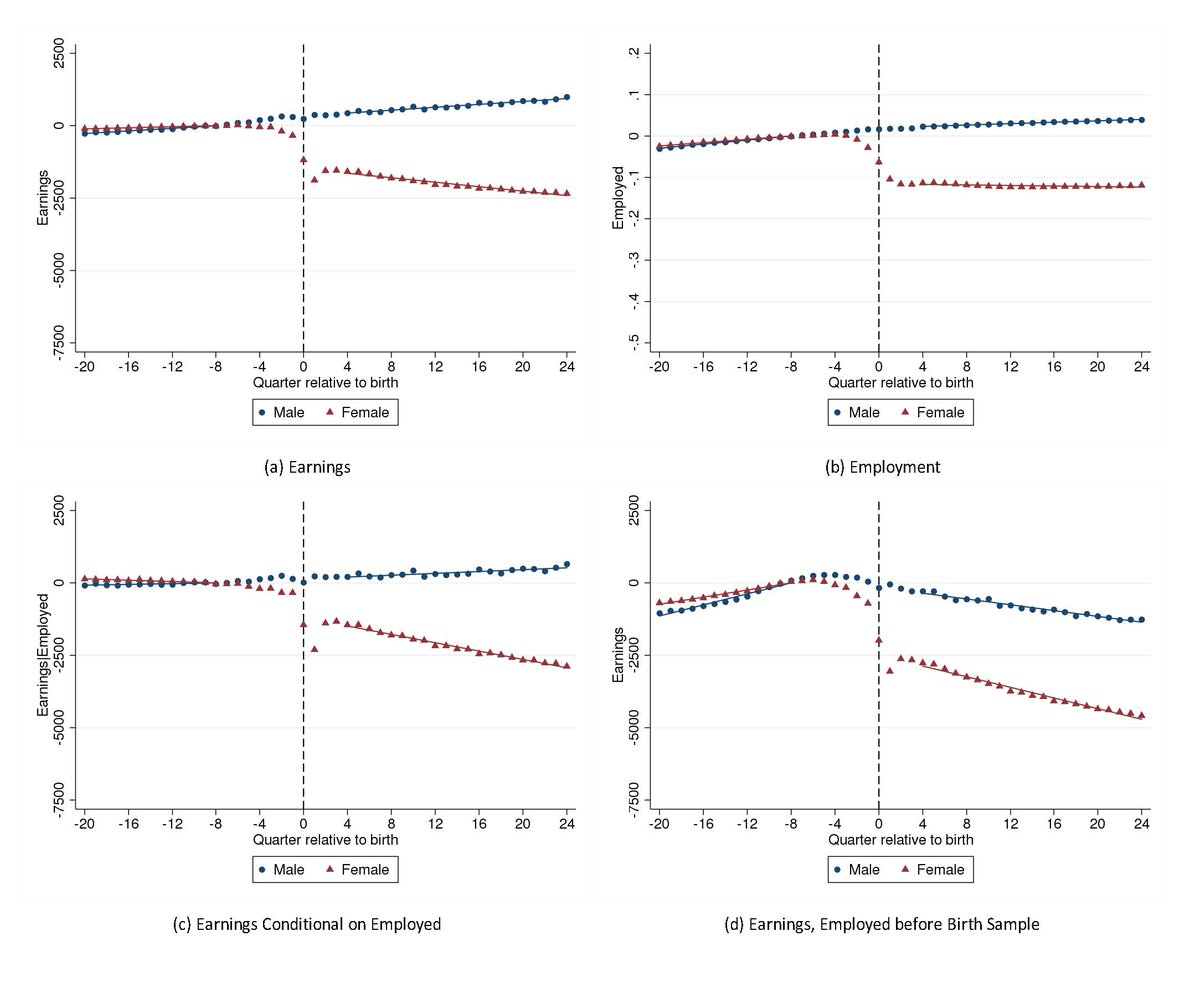
Becoming a mother reduces an American woman’s earnings by 51% compared to pre-childbirth, on average, while fathers are essentially unaffected. This “motherhood penalty” is also found in companies run by women. In PNAS: https://t.co/WM8jYqB5mW
Looking for a great community to help you network, advance your career, & contribute to the field of #neurorehabilitation? If yes, consider joining ASNR! We are a diverse and supportive group, and we're always excited to welcome new members.
Learn more at https://t.co/dPlBEQK275
Doing interesting work using digital technologies in #Parkinsons disease? Consider submitting to our upcoming collection in @Nature_NPJ Parkinson’s Disease and @npjDigitalMed! See the call for papers below, co-edited with Elena Moro and @peterbshull.
https://t.co/HtPP4TocZ0
#JNeurosci: @Magda_Gippert @HeedLab@IanSHoward1@arnovillri@BernhardSehm et al. @MPI_CBS showed in humans that the brain seems to use kinematic information in learned motor sequences involving different body parts to adjust movements of the same sequence
https://t.co/LmnLQDtsA2
Bringing this back in light of recent news:
Get a limited-edition But Her Emails hat and support @onwardtogether groups working to strengthen our democracy.
https://t.co/4TiUxjmRNY