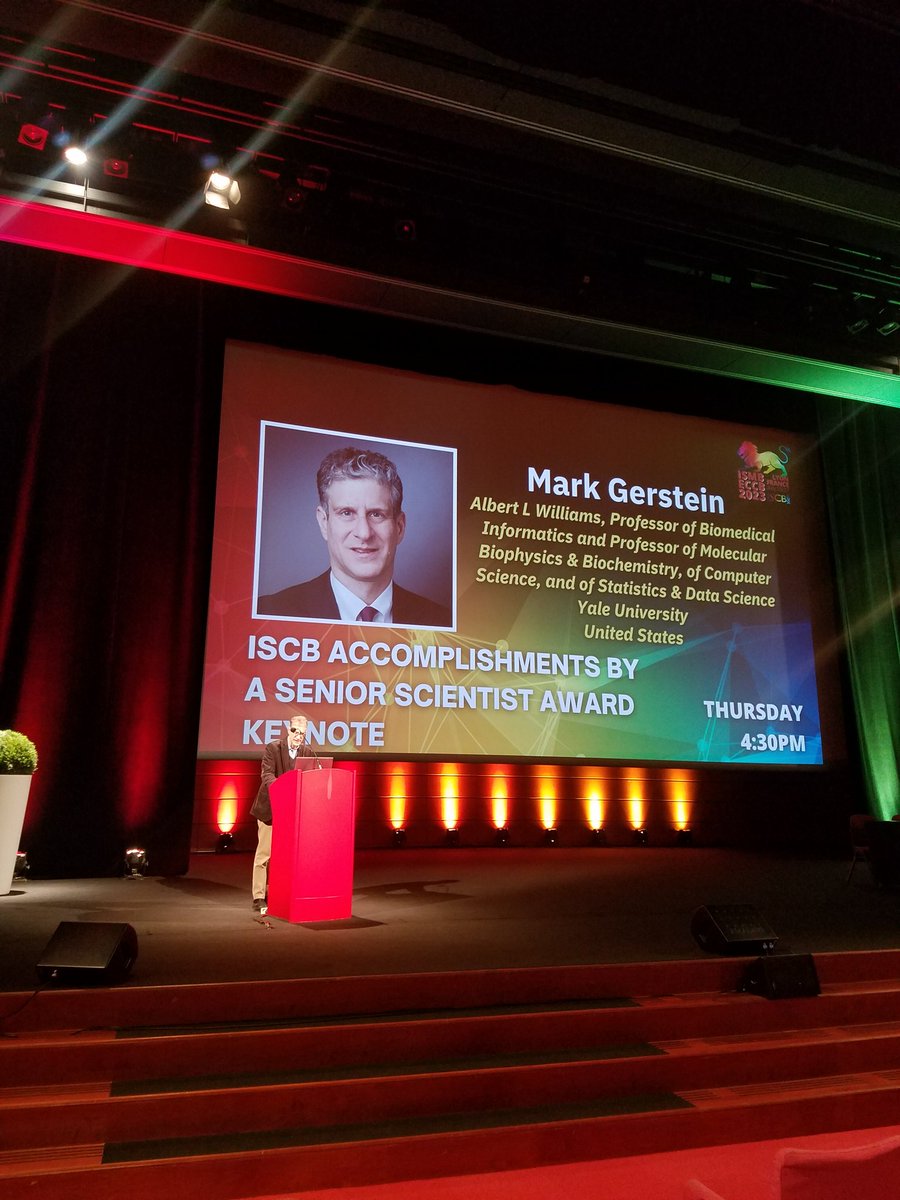
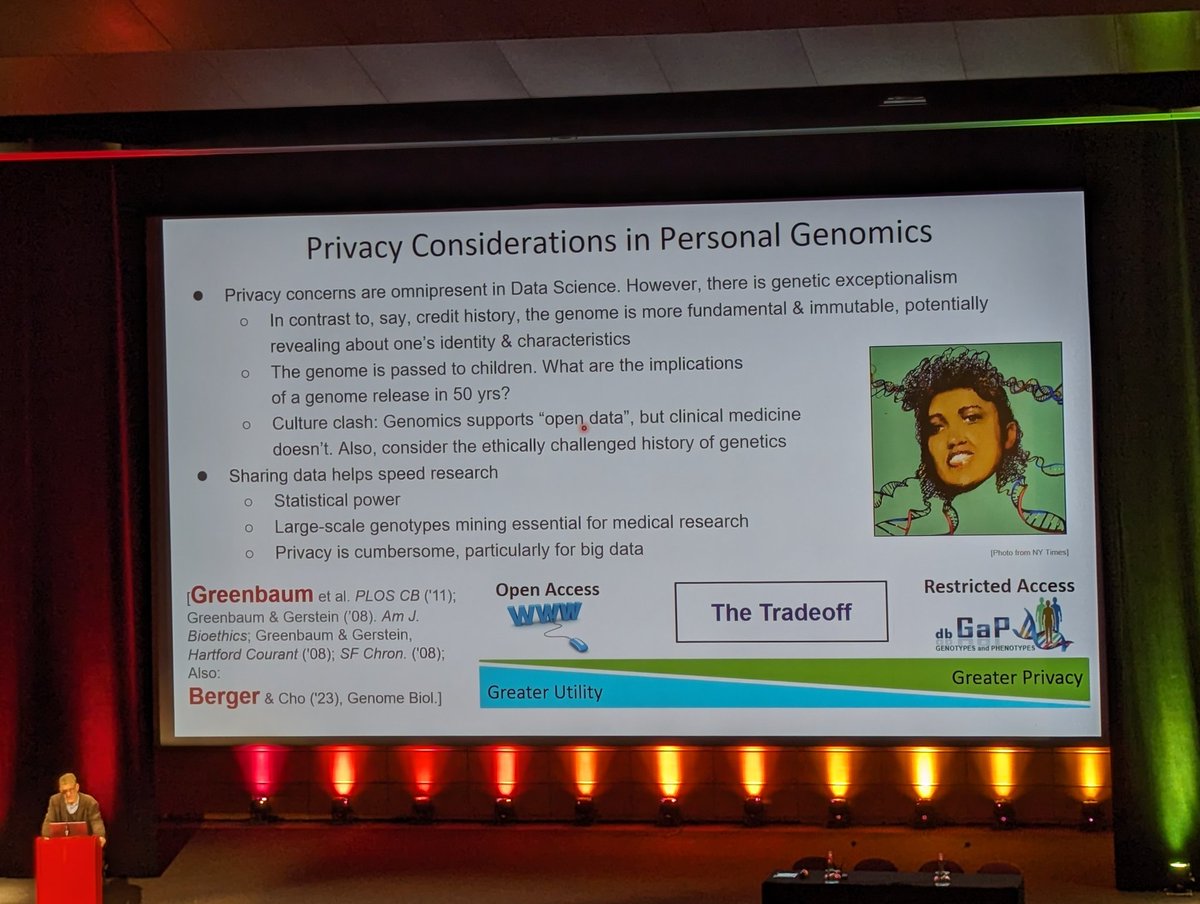
@GonzaParra_@MarkGerstein Love how he emphasized how this impressive set of scientific contributions have been powered by so many people over the years. That slide listing past trainees is impressive
Excited to attend the #ISMBECCB2023 closing keynote speaker lecture! @MarkGerstein a scientist that I have followed for so many years! He is reviewing different stages and projects during his career and will tell us where he thinks our field is going to!
@jeffvierstra@MarkGerstein Thank you Jeff. The performance scores in the paper are AUROC (Figures 6B & C and Data 32A & B) should very similar to AUPR given that they are computed using balanced sets of positives and negatives. We could probably dig up the AUPR scores - any particular transformer model?
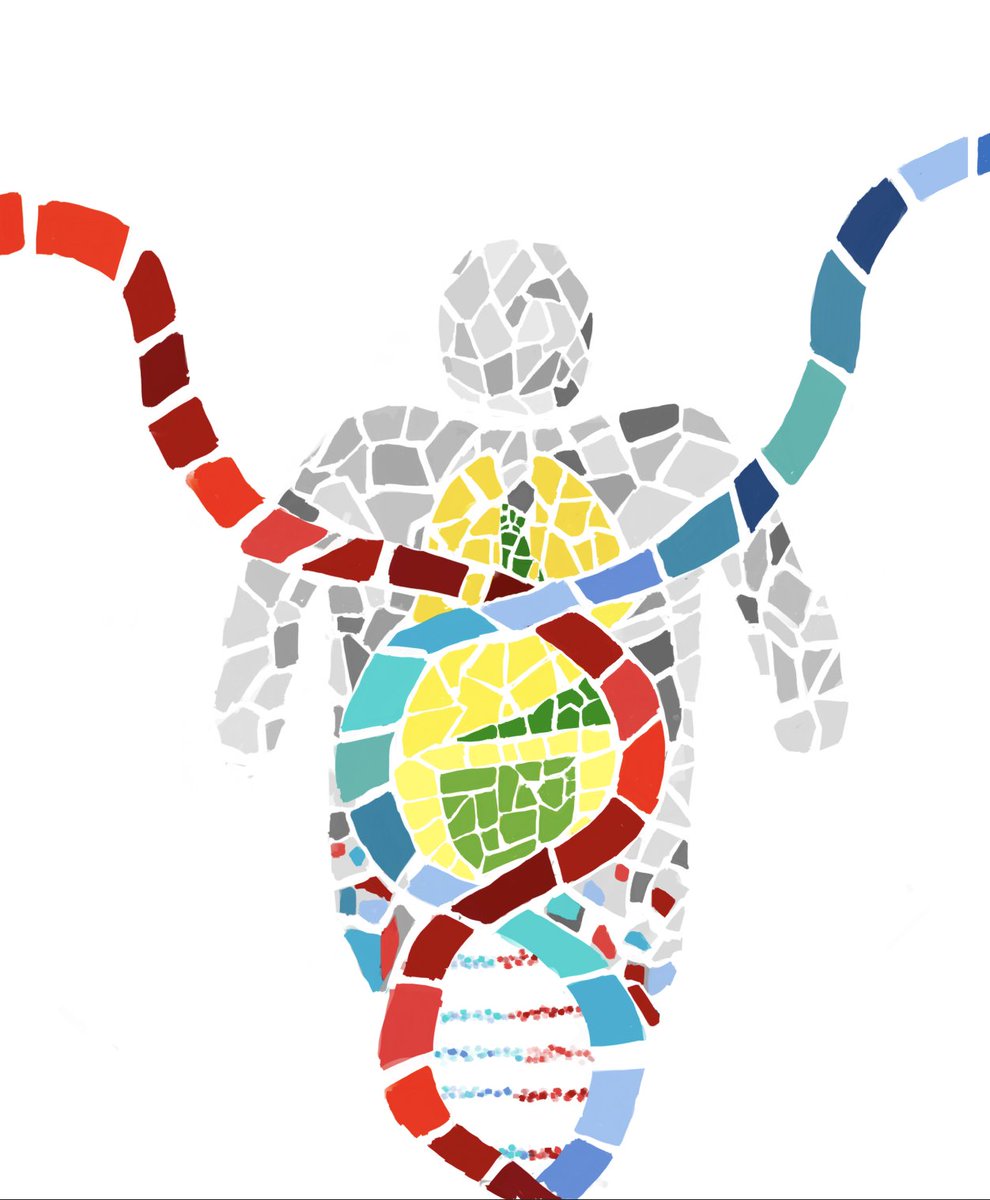
Personal genome sequencing is the key to personalized medicine. To help interpret & analyze all that genome data, Prof Thomas Gingeras & his team created a catalog of millions of genetic variants & an algorithm that evaluates potential health effects. https://t.co/tJOy2JZcVV
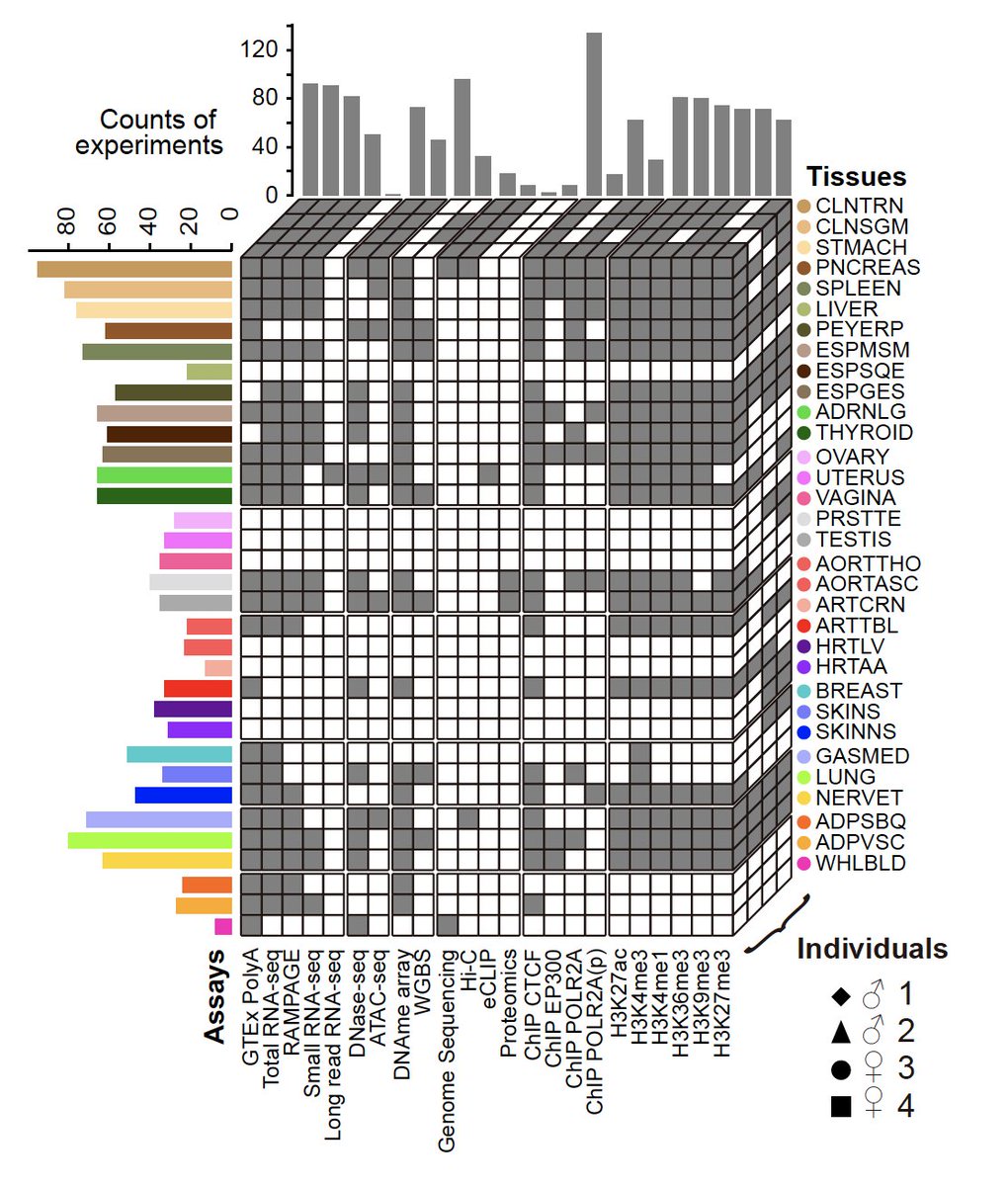
@MarkGerstein EN-TEx includes rich functional genomics data (RNA-seq, ChIP-seq, Hi-C etc) on ~30 tissues in 4 GTEx individuals, > 1500 experiments in total. All mapped to high quality personal genomes, based on long-read sequencing.
@MarkGerstein EN-TEx also allows the construction of a statistical model extending eQTLs from easy to obtain tissues to those hard to obtain (e.g. skin=>heart).
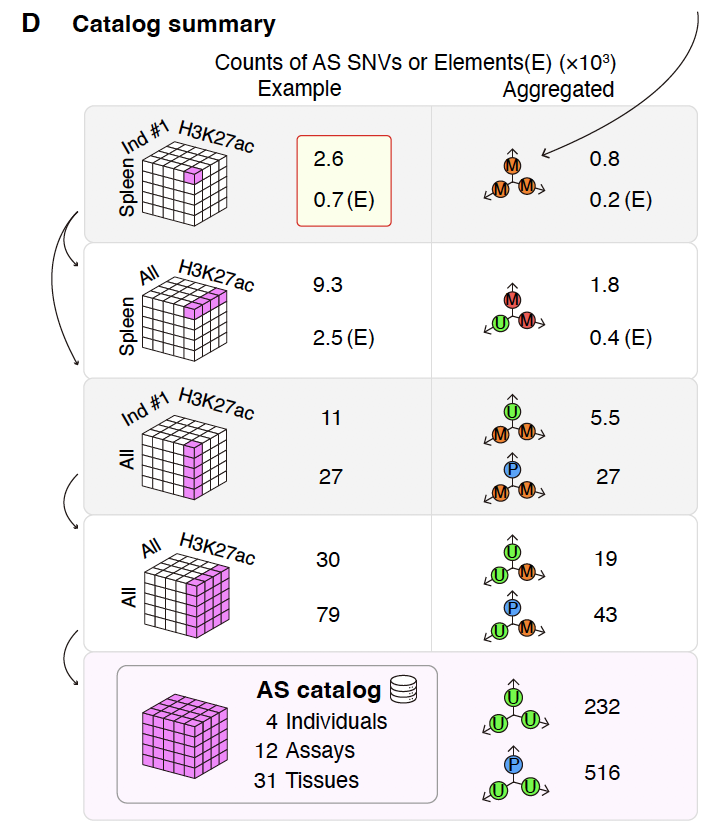
@MarkGerstein The data allows the determination of a catalog of >1M allele-specific variants. In turn, the catalog enables users to determine subsets of ENCODE regulatory elements particularly enriched in eQTLs & GWAS
variants.
Great new postdoc opportunity via @Yaledata: https://t.co/y0PEHwARwE
(Yale-BI Biomedical Data Science Fellowship). Happy to sponsor projects falling under the fellowship's themes, including ML, multi-omics, biomarkers, EHR, &c. Reach out to me if interested. 4/18 deadline.