@YunpyoAn 저랑 상당히 비슷한 접근을 하시네요. 저는 Beautiful soup 으로 그날 아카이브 및 저널에 올라온 논문을 긁어서 claude가 읽고 Obsidian daily note 에 선생님처럼 티어 나눠서 업데이트 하는데요, cowor로 스케줄 해놓고 아침마다 보니 좋더라구요.
I personally curious about the aspect of motor adaptation. If we get used to the third thumb it self, what happen to the motor cortex and somatosensory cortex? Are we manage the additional thumb as an part of real organ?
In @SciRobotics, researchers report the development of Third Thumb—a robotic appendage that, when trialed by members of the general public, was a big hit.
Learn more in #ScienceAdviser: https://t.co/iytRLiHQM9
📩 Sign up for the daily #newsletter: https://t.co/PzfknzoP9P
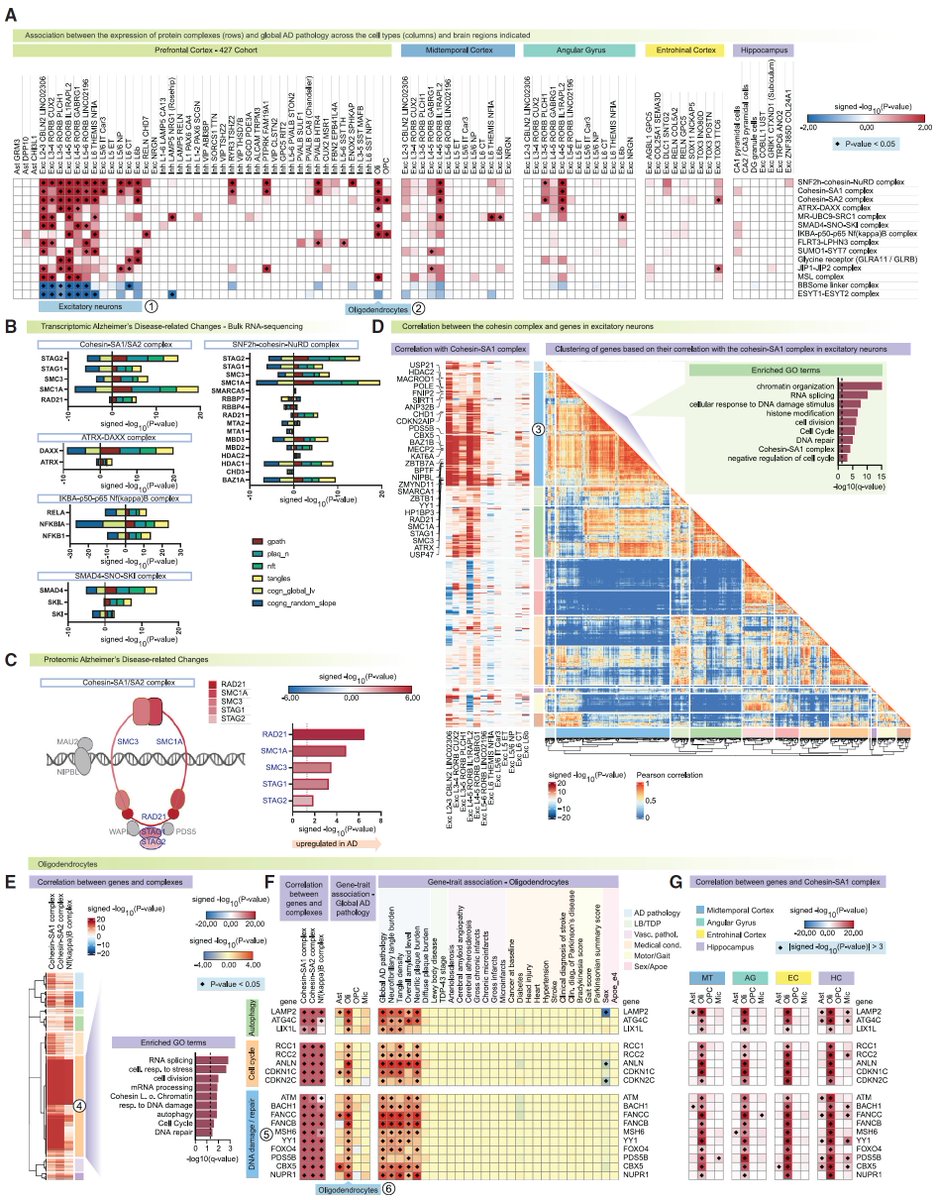
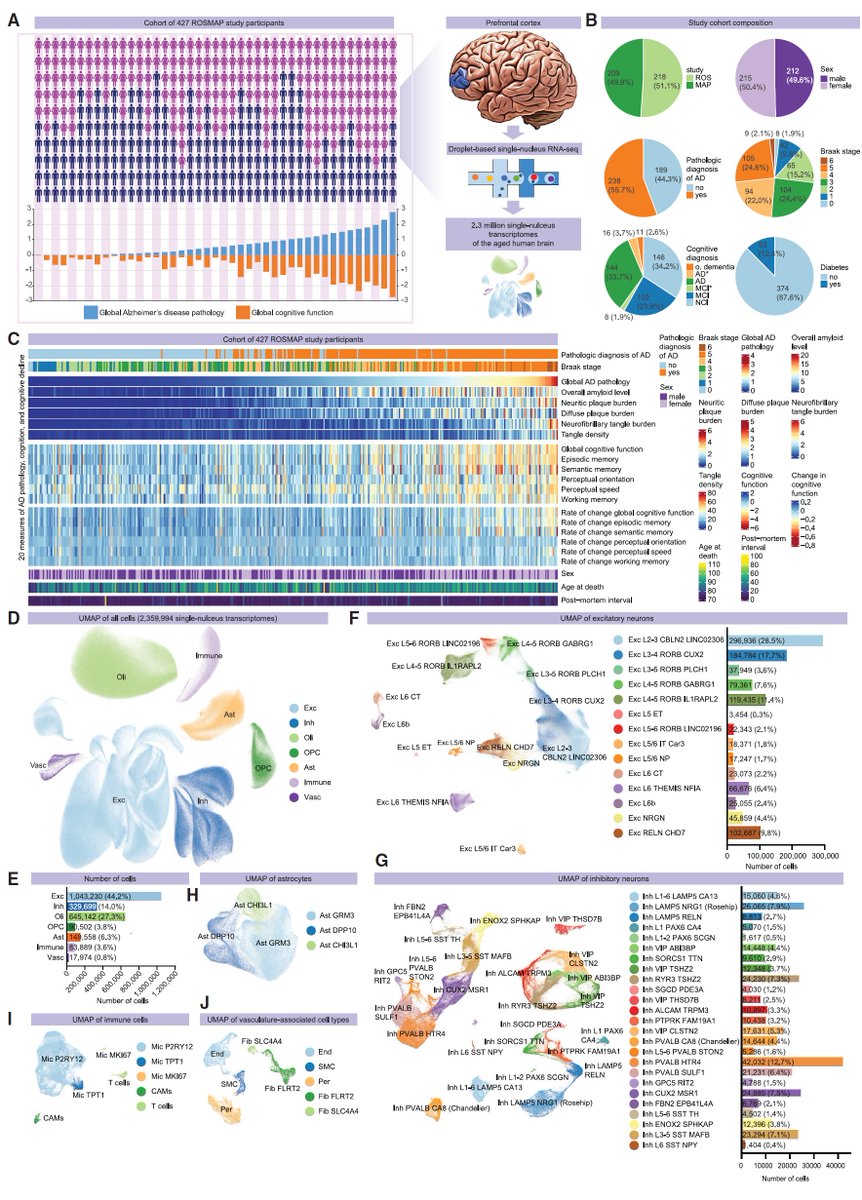
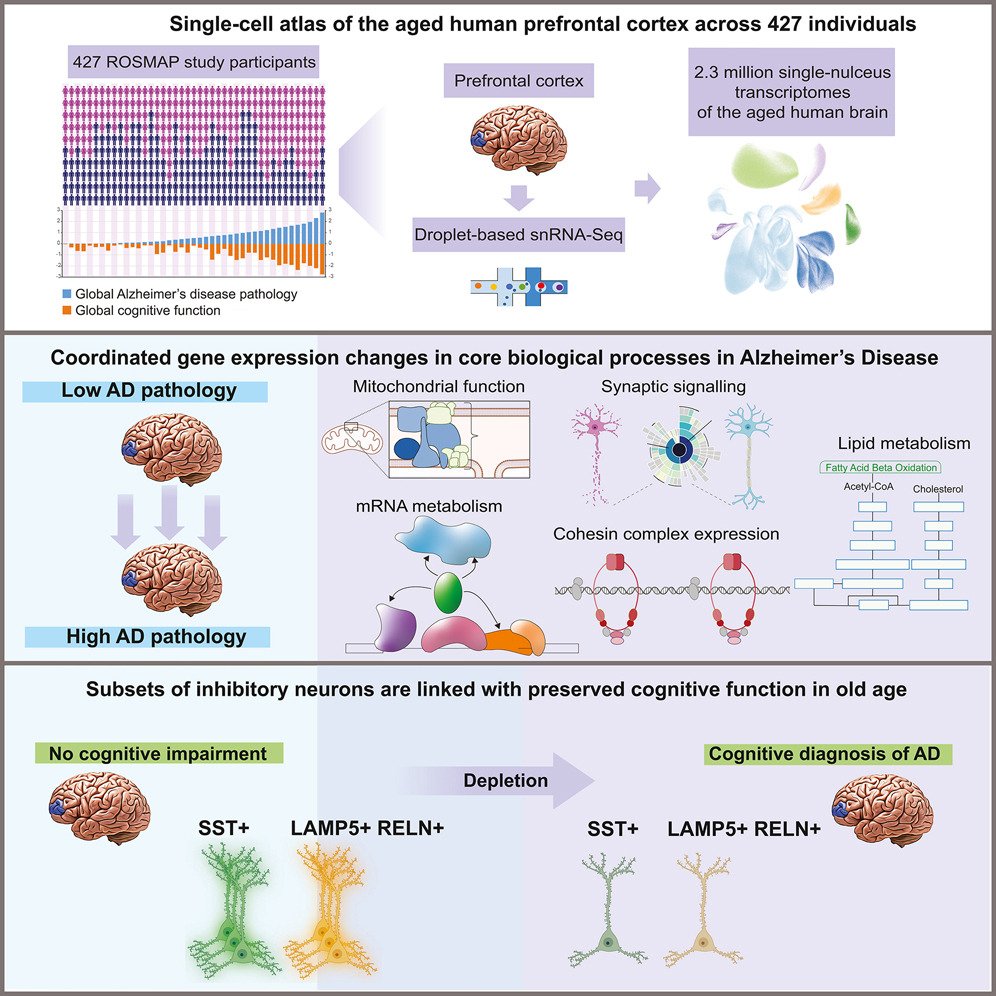
Paper 1 by @MathysHansruedi#VernaZhuyuPeng#CarlesBoix et al reports the largest single-cell atlas of #AD to date, across 2.3 million #scRNA cells and 427 post-mortem samples from #ROSMAP AD and non-AD donors, and reveals selectively vulnerable #somatostatin inhibitory neuron subtypes, epigenomic organization changes in #cohesin, #DNAdamage response factors, and specific inhibitory neuron signatures of #resilience
https://t.co/I7cmizyj9C
Immensely proud to share our four papers on #SingleCell dissection of #Alzheimers Disease coming out in @CellCellPress today, reporting 2.3M #scRNA profiles and 850k #scATAC profiles across 427 post-mortem human brain samples from AD and non-AD donors in a wonderful #interdisciplinary collaboration with @DrLiHueiTsai between @MIT@MIT_Picower@MIT_CSAIL@BroadInstitute@RushUniversity
Paper 1: scRNA + vulnerability + resilience https://t.co/I7cmizyj9C
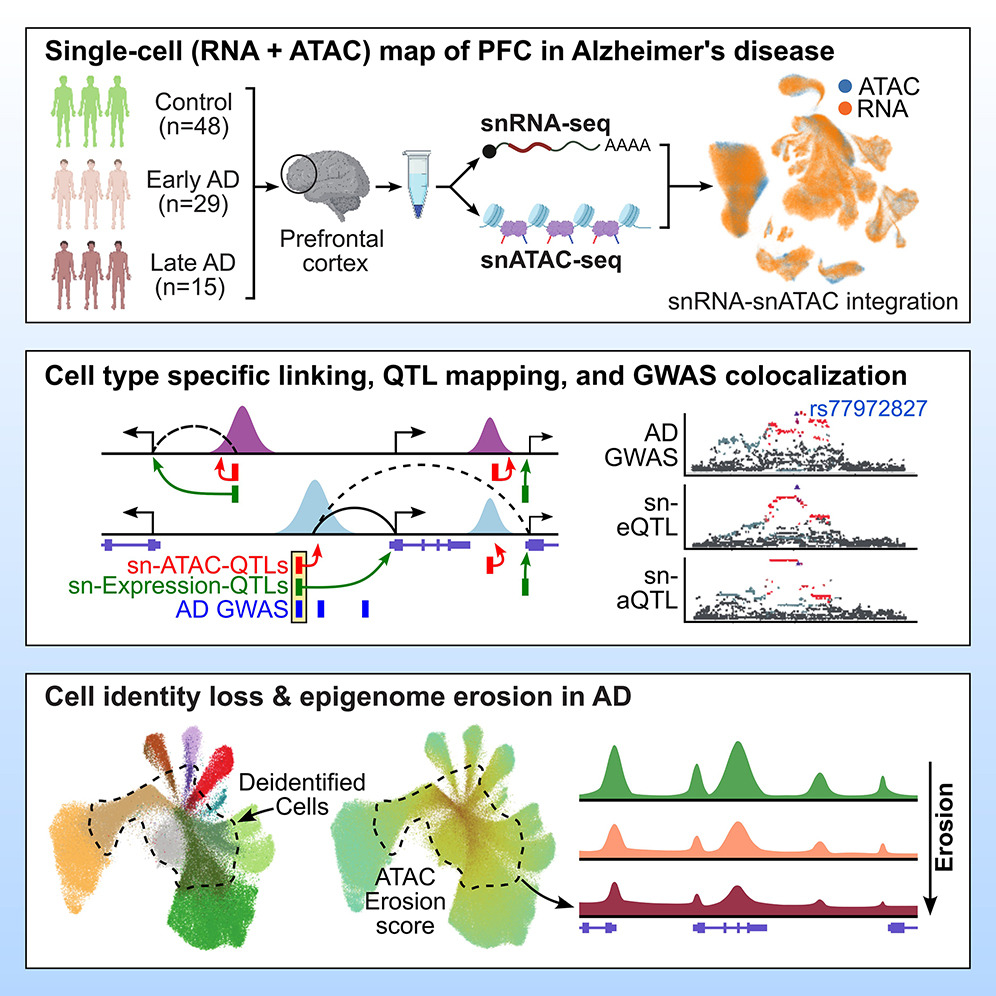
Paper 2: scATAC + GWAS + Epigenome Erosion https://t.co/bdtlu9bWDr
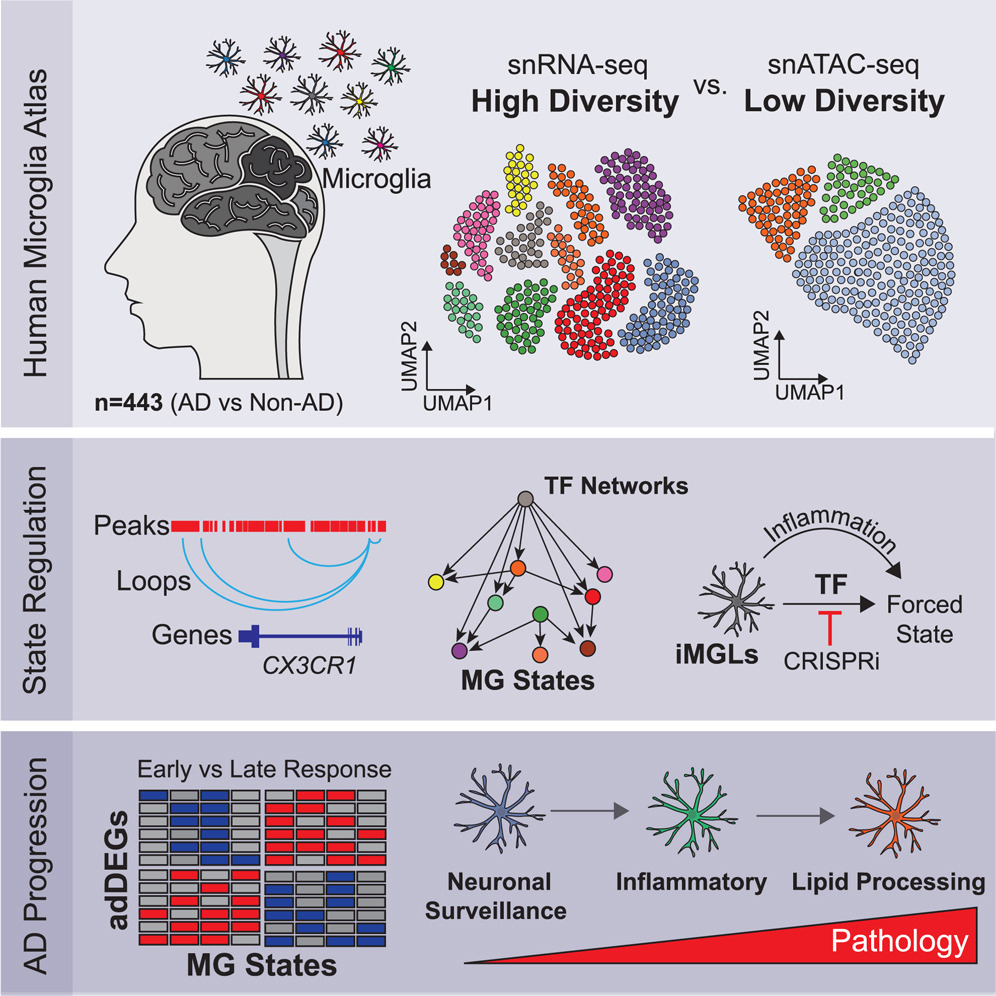
Paper 3: Microglia States + reprogramming https://t.co/NzEJF1wY3t
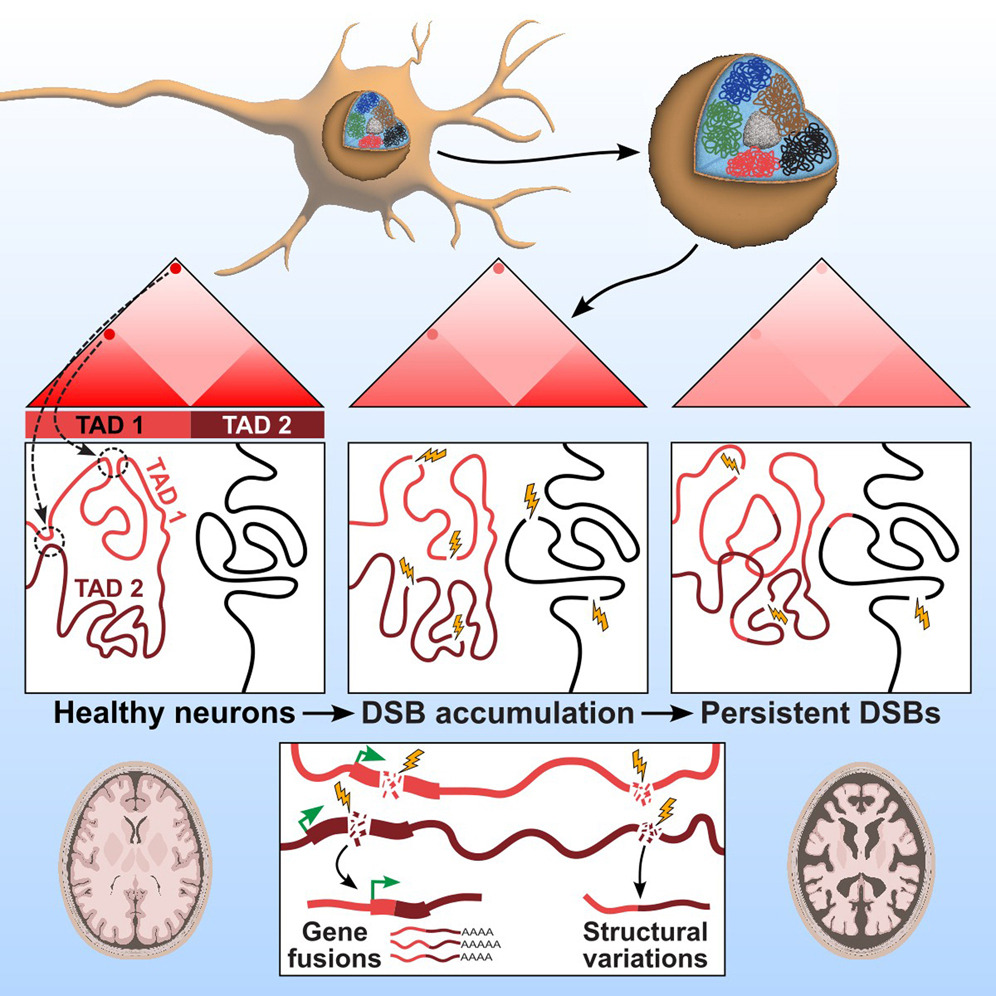
Paper 4: DNA damage + gene fusions https://t.co/hIY1tMMhLo
MIT News: https://t.co/oLDuBBb45S
Issue: https://t.co/Mup3orjhcl
News & Views: https://t.co/xQk5mepDqz
Thrilled to see our work finally online! We utilized in situ spatial transcriptomic method STARmap PLUS to map 1.09 million cells in the adult mouse central nervous system at molecular resolution and identified previously unknown tissue architectures.
https://t.co/9tsNO6lvRj
We are happy to share our latest paper in Nature Aging @NatueAging. In this paper, we dissected the aging process of microglia. More importantly, we developed a model named 3xDR, by which we are capable of introducing aged microglia in the non-aged brain. https://t.co/ijp5WYClhe
There is a basic misunderstanding.
High-dimensional *input* makes modeling hard.
High-dimensional *parameter space* makes model estimation easy.
People have known this for a very long time.
For example, ADMM & EM procedures artificially increase the dimension of the parameter space with auxiliary variables so as to make optimization easier.
Kernel methods are based on the idea that if you have one parameter per training sample, you can learn whatever you want (you can get good generalization only if your kernel function is appropriate).
The intuition that making neural net bigger makes them easier to train (and makes local minima go away) is very old, even if theories that explain why are more recent.
The idea that had a hard time becoming mainstream is that a widely over-parameterized neural net can *generalize* well.
That was contrary to every statistics textbook, and every machine learning theory results.
Exciting new whole brain spatial transcriptomics dataset released by the Allen Institute. This will greatly aid the identification of cell types in the brain and the study of their functions, esp. in understudied areas
Allen Brain Cell Atlas: https://t.co/cis8JzL1Qm
During motherhood, females spend all their time caring for the young. However, nearly 100% virgin female mice in the wild kill pups. In our new study published today @Nature, we revealed the neural circuit responsible for this drastic behavior switch.
https://t.co/YRmROlOqZn
To the amazing young scientists that received disappointing news :
1. Be proud you made it this far.
2. No selection process is perfect, especially when every candidate is outstanding.
3. There are more chances.
4. Your peers love you and respect you.
5. Prove them wrong.
Opposing, spatially-determined epigenetic forces impose restrictions on stochastic olfactory receptor choice https://t.co/Q9HGhXlC6z Determined stochasticity or stochastic determinism? Thanks to eLife's new policy our paper on OR expression zones is out and about!