Excited to see our work with @enigmabrains CHR-P WG come out today in Molecular Psychiatry! CHR-P showed global #topology differences in #brain structural covariance network compared to controls, while future transition linked to frontotemporal networks https://t.co/TtoTkyuBkh
CHECK OUT the FULL STUDY - "Spatiotemporal asymmetries on brain energy landscape uncover system entrapment related to depression severity" - @ulgenklc, Jenna Jubeir, Priti Balchandani, @JMurrough, Laurel S. Morris & Yael Jacob OUT NOW @NatureComms👉 https://t.co/fMf97JKo58
This narrative review suggests mental disorders are statistical clusters of biopsychosocial properties, not sharply defined categories, mirroring concepts in species classification and supporting dimensional #MentalHealth frameworks. https://t.co/SfES3sUTlh
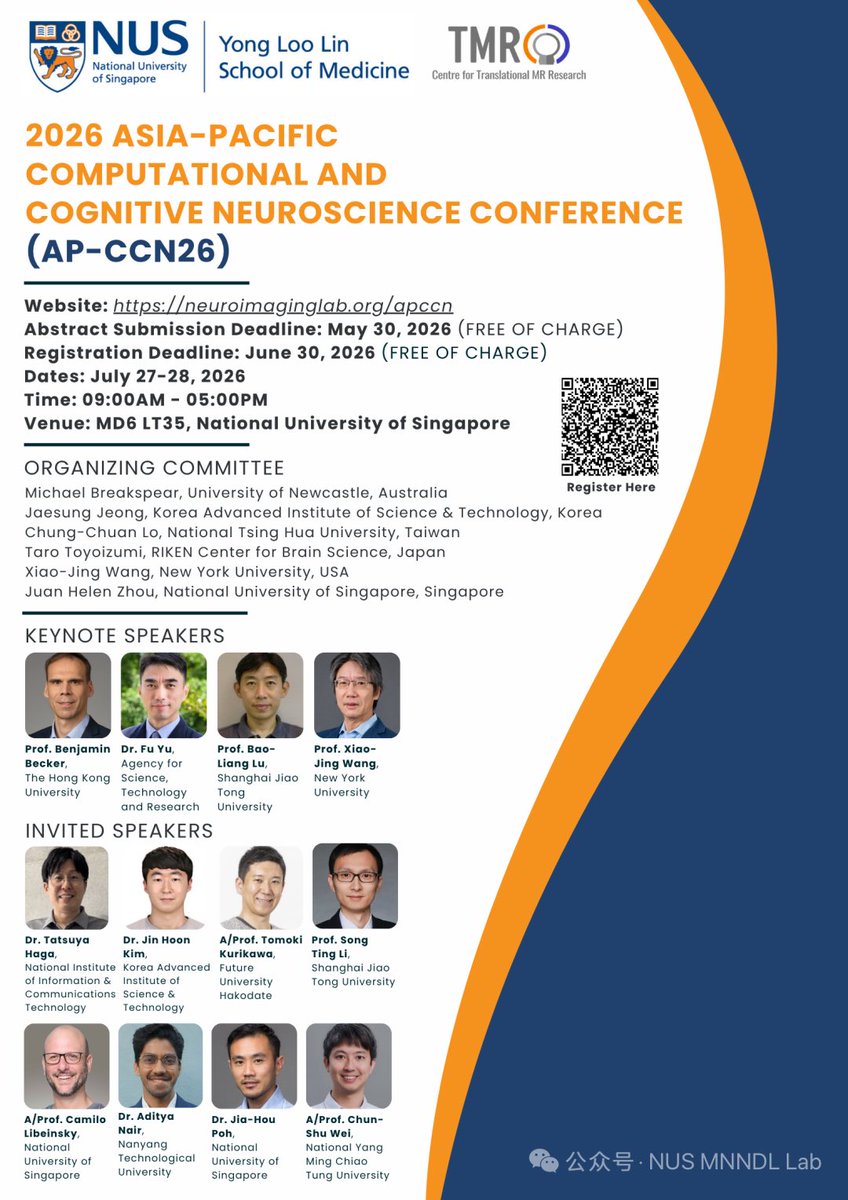
Schedule on MON/TUE:
📌Poster Session (Mon 13:45-14:45 | Tue 12:30-13:30)
- Poster #1077: Midlife Diet Quality Shapes Late-Life Brain Health - Eric NG
- Poster #0619: Integrating Neuroscience Priors into Brain Foundation Models - Yi LIN
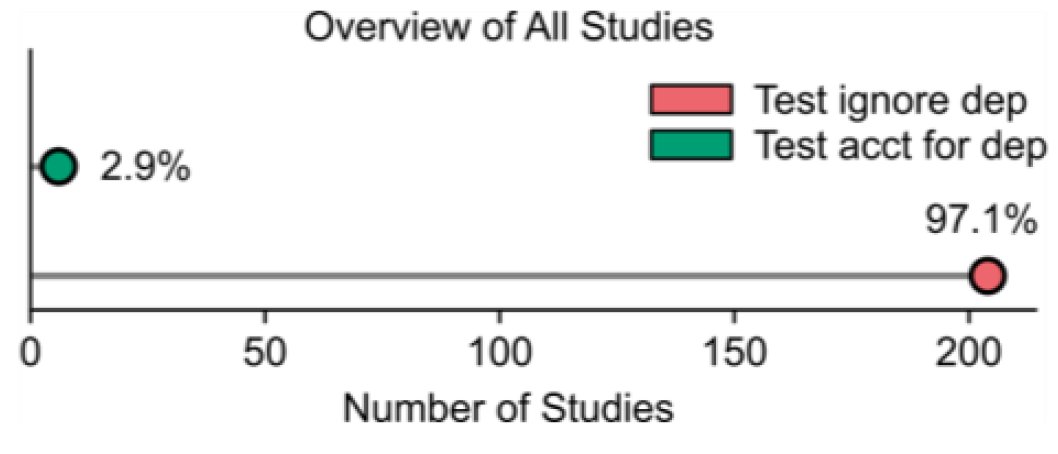
In a meta-analysis of 210 biomedical AI studies that statistically compared models under cross-validation, 97% used invalid statistical tests.
Here's our new preprint https://t.co/OG58Vkeu49 led by @tianchuzeng@kkli20111@ZShaoshi@ten_photos 1/N
🎉Our paper is published on Alzheimer's Research & Therapy!
We show that MBI-related functional network disruption is linked to worse function and faster amyloid-dependent cognitive decline.
🔗Check the paper now:
https://t.co/4mY9CUmbhU
@HelenJuanZhou
Do developmental variations in functional connectivity really mean what we think? Byeon, @TingsterX, et al. suggest they may actually reflect shifts in how brain activity spreads. Intriguing implications for measuring and understanding brain development! https://t.co/h9aeAwNWBu
Our latest work is online today @ScienceAdvances
➡️Brain connectivity in carriers of high risk mutations for #autism and #schizophrenia U-turns across adolescence (hyper -> hypo)
➡️This switch is driven by synaptic remodeling
https://t.co/xoOAJqWuWg
Full explainer below 👇
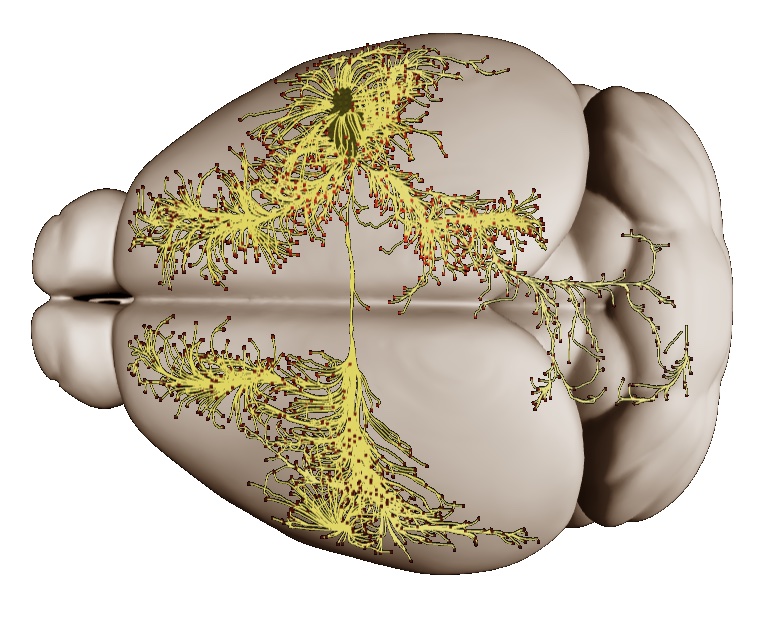
Using the connections of commissural neurons as an example, Lent et al. propose that expanded brain circuits may constitute a “connectomic reserve” that enables neuroplasticity to occur throughout life, and that may be a proxy for cognitive reserve. https://t.co/t1kpDt6iIE
You don’t need a brain to benefit from a good night of sleep. Despite lacking a central nervous system, jellyfish and sea anemones have sleep patterns remarkably similar to those of humans, researchers report.
Learn more: https://t.co/heGVPELMKS
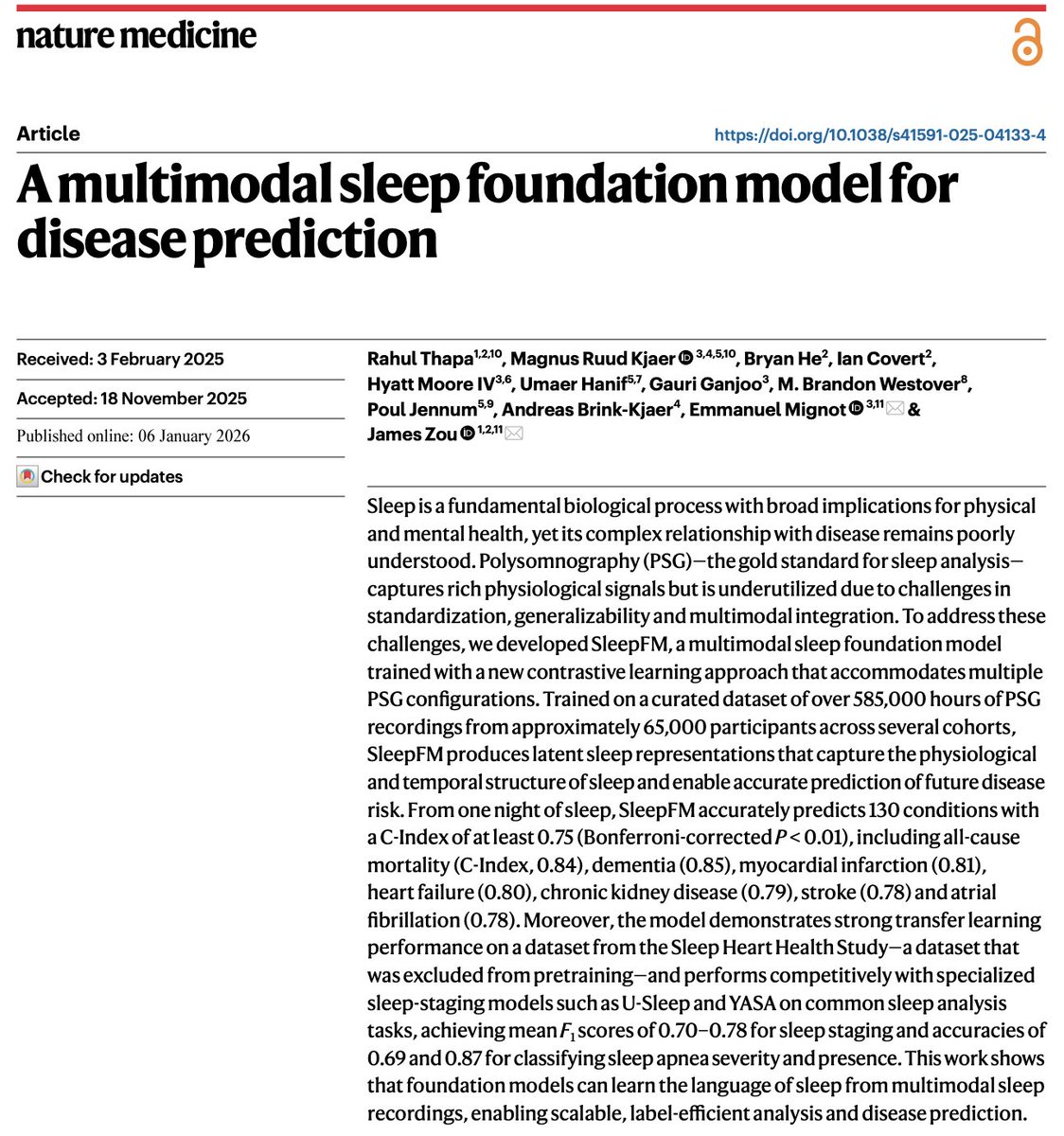
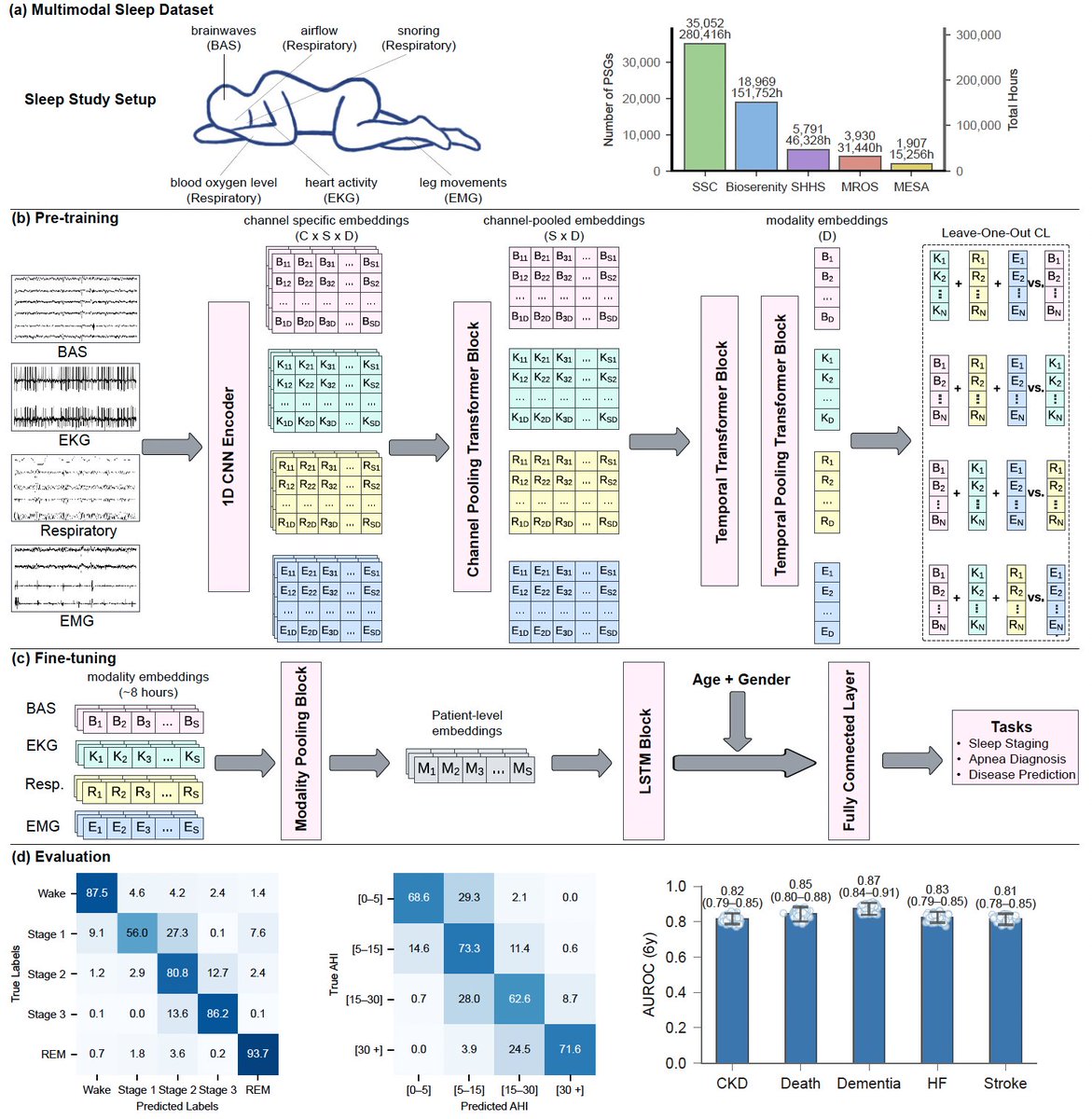
Today in @NatureMedicine we report that AI can predict 130 diseases from 1 night of sleep🛌
We trained a foundation model (#SleepFM) on 585K hours of sleep recordings from 65K people—brain, heart, muscle & breathing signals combined.
AI learns the language of sleep🧵
Long-range axon branching: contributions to brain network plasticity and repair — a Review by Linda J. Richards, Cheng Huang, Adam Q. Bauer & Jin-Moo Lee
https://t.co/uRDrN7Mvtt
Bottom line: We may have been measuring the wrong things about sleep.
Total hours, REM percentage, deep sleep duration - none predicted brain cleaning as well as norepinephrine pulse frequency did.
https://t.co/T5uroaIDIh
🧠Researchers from NUS Medicine and the Institute of Mental Health #IMH have uncovered how brain networks are organised differently in young individuals at Clinical High Risk for psychosis, offering fresh insights into how the condition may develop. https://t.co/F9rriboWqc
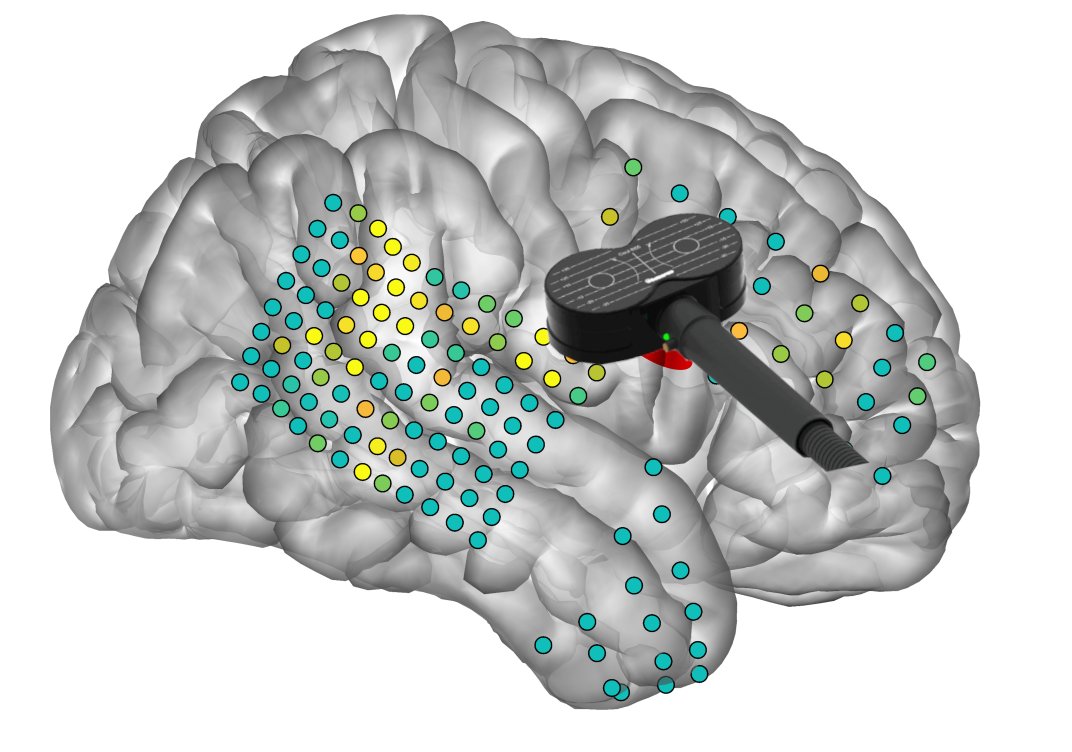
Tsang et al. reviewed 13 studies combining TMS with intracranial EEG in humans and non-human primates. They found that stimulation can rapidly alter neuronal activity and connectivity, with some effects persisting for extended periods. https://t.co/3cvW3JzboR
p-tau217, the breakthrough blood test, prediction of amyloid-β burden and Alzheimer's disease in people with no symptoms, no cognitive impairment
https://t.co/cDzeopDnqV