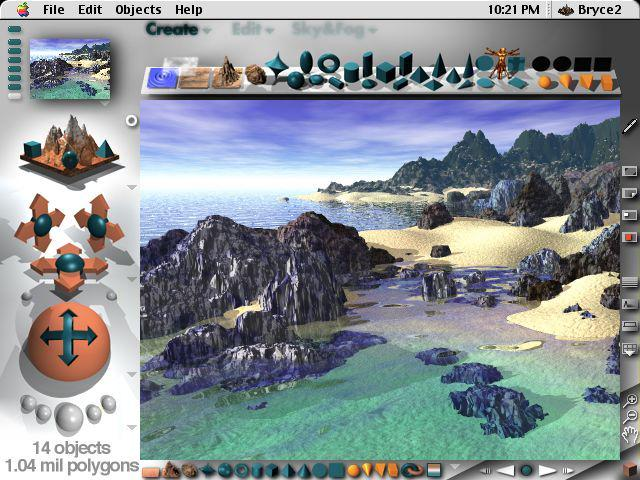
3D renders I created back in 1998 using Bryce3D.
My PC back then was a 486/66 MHz with 8MB of RAM. I rendered these at 1152 x 864 which was the resolution of my 17" monitor at the time.
I saw a tweet a while ago about developing retro games *inside* actual retro environments (like Windows 95) for maximum authenticity, then compiling them on modern systems.
Well... I tested that.
A simple spinning triangle written in Windows 95 using Visual C++ 6.0 + OpenGL 1.1.
Zero code changes. Compiled and runs perfectly on Windows 10/11 with Visual Studio 2026.
Reject modernity. Return to Windows 95. 🟦🔺
#GameDev #Windows95 #OpenGL
z386 is an open-source 80386-class FPGA CPU core that uses recovered Intel 386 microcode to run DOS and protected-mode software.
https://t.co/4qfPfjy0Vi
#OpenSource#i386
After months of development, 𝐂𝐢𝐭𝐲 𝐂𝐨𝐫𝐞 – 𝐏𝐨𝐬𝐭-𝐒𝐨𝐯𝐢𝐞𝐭 𝐂𝐢𝐭𝐲 is now LIVE on @fab !
This Unreal Engine pack helps you build an authentic Eastern European city!
Link: https://t.co/skyS0S4fdN
#unrealengine#3drealistic#ue5#3denvironment
To kick off the day, I’d like to remind you about the game Polanie.
It’s a game from 1996, created in an amateur setting by a group of students from a Polish university.
It’s kind of like our own Polish Warcraft 😎
Omarchy 3.6 is out! Another batch of efficiency upgrades for Panther Lake, revamped Vantablack theme for OLED efficiency, and much more. https://t.co/w1Vzm3H3j6
Kai Krause's interfaces were made to fit the user's spatial memory. They are tactile with knob-and-fader feel of synthesizer hardware, it's fluid!
Lumped with skeumorphism and victimized by Jony Ive flat iPhone jihadism. I think this shape can return as a toy GUI for genAI.
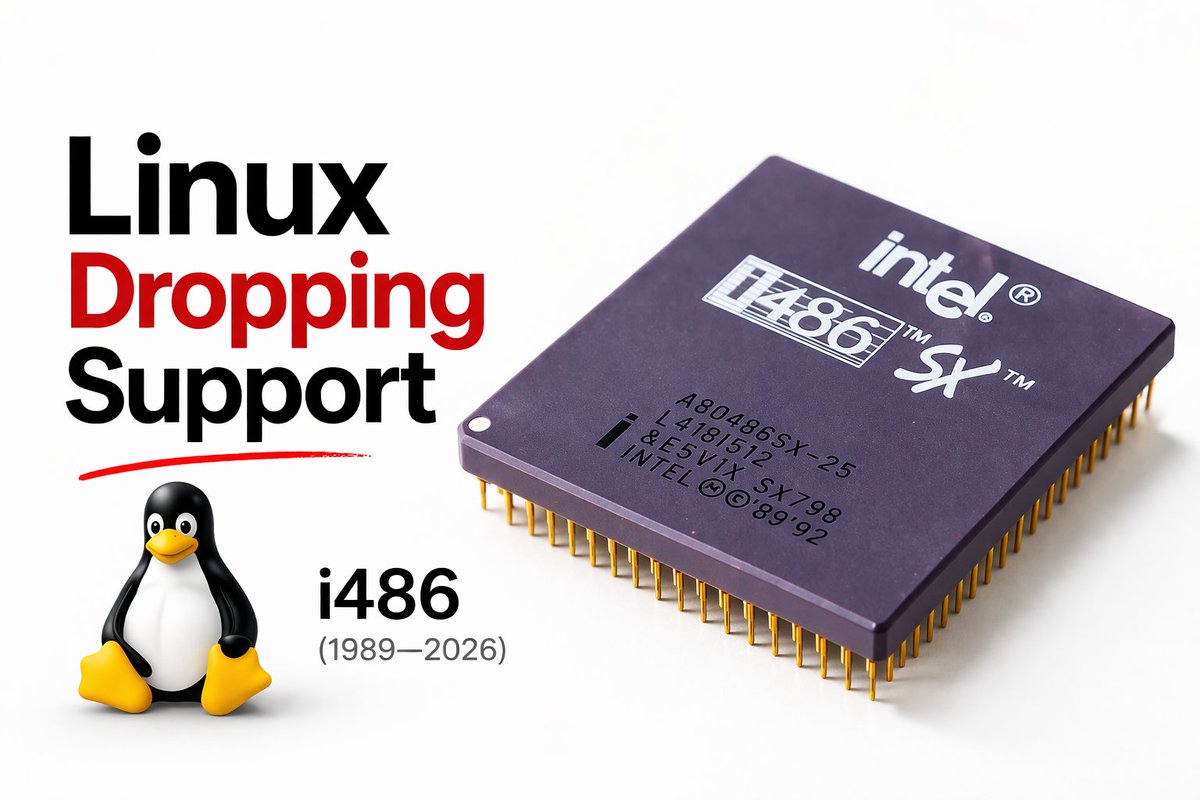
Linux kept supporting a 1989 processor…
until now.
After 37 years, i486 support is being removed.
What changes:
• no more i486 kernel builds
• minimum CPU requirements raised
• ~14,000 lines of legacy code removed
• fewer bugs + cleaner codebase
Reality?
Almost nobody noticed it was still there.