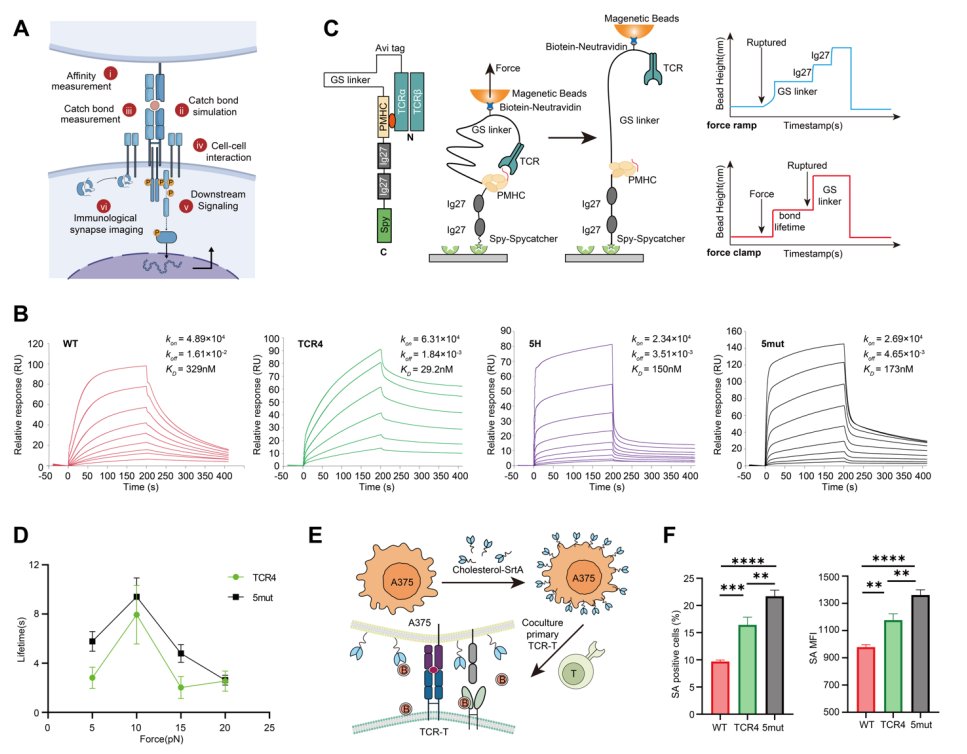
Polyfunctional, cytotoxic, TCR-biased CD4 T cells, targeting NY-ESO-1, offer great promise for adoptive cell transfer in patients @ScienceAdvances
https://t.co/VJcDKouFU7
How should scientists – including Nobel Prize winners – respond to allegations about their work? Practices to avoid or embrace, by @RetractionWatch ‘s cofounders.
Retraction Reactions | American Scientist
https://t.co/Gb5w3L9tD6
In a recent study on @Cancer_Cell, Platten lab (@DKFZ) highlights the pivotal role of MHCII-restricted antigen presentation by tumor-infiltrating blood-borne myeloid cells (BBMs) in maintaining CD8+ T cell functionality within brain tumors.
MHCII-restricted antigen presentation is essential for activating CD4+ T cells. Activated CD4+ T cells suppress osteopontin (OPN) production, preventing TOX upregulation and chronic NFAT2 signaling that drive CD8+ T cell dysfunction. Loss of MHCII in BBMs disrupts this regulatory loop, promoting impaired CD8+ T cell antitumor responses. Notably, in human GBM samples, progenitor-exhausted T cells were localized near MHCII+ myeloid subniches.
Consequently, targeting the MHCII-restricted neoepitope CD4+ axis could enhance tumor control by reinvigorating CD8+ T cells. Additionally, pharmacological inhibition of the OPN-CD29-NFAT-TOX axis presents a promising alternative, especially in scenarios with limited MHCII antigen presentation or limited functional CD4+ T cells.
This breaks my heart 💔
Some of my most successful trainees were Pitt PhDs, and I helped run the neuroscience grad program for a few years - one of the best & largest in the country
Scientific progress will halt if we stop training the next generation
https://t.co/hhHMozx4ok
I can’t help but feel like I’ve let my younger self down—the version of me from five years ago who was so ambitious and believed wholeheartedly that pursuing a PhD would allow her to make a real difference in the world.
Just entered the fourth year of my PhD, I thought I would be proud of how far I’ve come, instead I find myself I so exhausted. The last year has been extremely difficult and mental draining after experiencing/witnessing a lot of unspeakable things happening in academia.
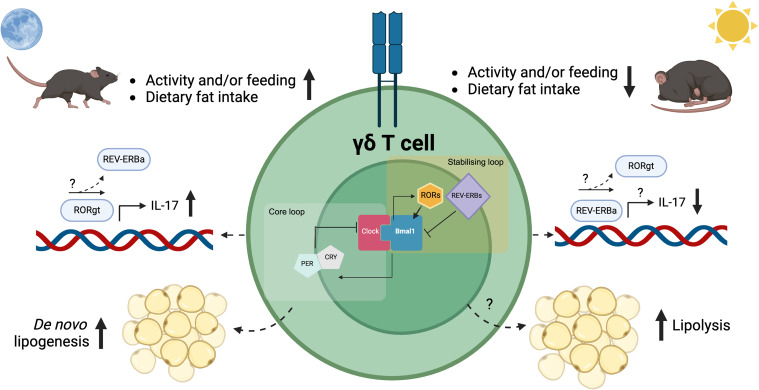
Time-of-day-dependent expression of IL-17 by tissue-resident innate lymphocytes in the adipose tissue drives circadian regulation of adipose tissue homeostasis and function
spotlight @ImmunityCP
https://t.co/72nADRcyii
on
https://t.co/yk1CCccBPu
Those unassuming fungi underfoot might be chatting with one another using pulses of electricity.
Learn more: https://t.co/QcjIsOzQmQ #ScienceMagArchives@NewsfromScience
Even in scientific areas in which women are well represented, they are up to 40% more likely than men to leave research within 20 years
https://t.co/87QQNuD24k