Incredibly excited to share our playbook! @SamsonMataraso and I synthesize literature and interviews with leading VCs, founders, and operators into a practical guide on startup operationalization.
Could not have asked for a better co-author and team to pull this together!
Nucleate is thrilled to launch our second Entrepreneurial Scientist Playbook, "Operationalizing Your Therapeutics Spinout." This resource bridges the gap between academia and industry. Supported by Schmidt Futures, it is freely accessible. https://t.co/EgGWq6S7nV.
Introducing ASAL: Automating the Search for Artificial Life with Foundation Models
https://t.co/4FMqZ98CSb
Artificial Life (ALife) research holds key insights that can transform and accelerate progress in AI. By speeding up ALife discovery with AI, we accelerate our understanding of emergence, evolution, and intelligence–core principles that can inspire the next generation of AI systems!
We proudly collaborated with MIT, OpenAI, Swiss AI Lab IDSIA, and Ken Stanley on this exciting project.
Full Paper (Website): https://t.co/0cF28Swid6
Full Paper (arxiv): https://t.co/NnOkez0V8r
Code: https://t.co/BlZnGJK4g8
In this work, we propose a new algorithm called Automated Search for Artificial Life (“ASAL”) to automate the discovery of artificial life using vision-language foundation models. Instead of tediously hand-designing every tiny rule of an Alife simulation, simply describe the space of simulations to search over, and ASAL will automatically discover the most interesting and open-ended artificial lifeforms!
Because of the generality of foundation models, ASAL can discover new lifeforms across a diverse range of seminal ALife simulations, including Boids, Particle Life, Game of Life, Lenia, and Neural Cellular Automata. ASAL even discovered novel cellular automata rules that are more open-ended and expressive than the original Conway’s Game of Life.
We believe this new paradigm may reignite ALife research by overcoming the bottleneck of manually designed simulations, thus advancing beyond the limits of human ingenuity.
Biohacking will change the world sooner that what people think 🌏
@CompoundVC we've dove deep into the space from working with companies to experimenting with products to engaging with different types of communities, and more. We've taken these learnings and done an in-depth exploration into the future of biohacking.
If you're interested in learning more or spending time in this space we're hosting a Biohacker Research Day with @usv on Sept 19 in NYC (and there may be a full zine then!).
We have a few slots left so DM if you're interested in attending and enjoy A Biohacker Future research day 🦾
Thanks to all the help from the Compound team from thoughtful convo's with @mhdempsey and @mackenziejem. And for the inspo from A Crypto Future @0xsmac 🤝
Incredibly excited to share our playbook! @SamsonMataraso and I synthesize literature and interviews with leading VCs, founders, and operators into a practical guide on startup operationalization.
Could not have asked for a better co-author and team to pull this together!
Nucleate is thrilled to launch our second Entrepreneurial Scientist Playbook, "Operationalizing Your Therapeutics Spinout." This resource bridges the gap between academia and industry. Supported by Schmidt Futures, it is freely accessible. https://t.co/EgGWq6S7nV.
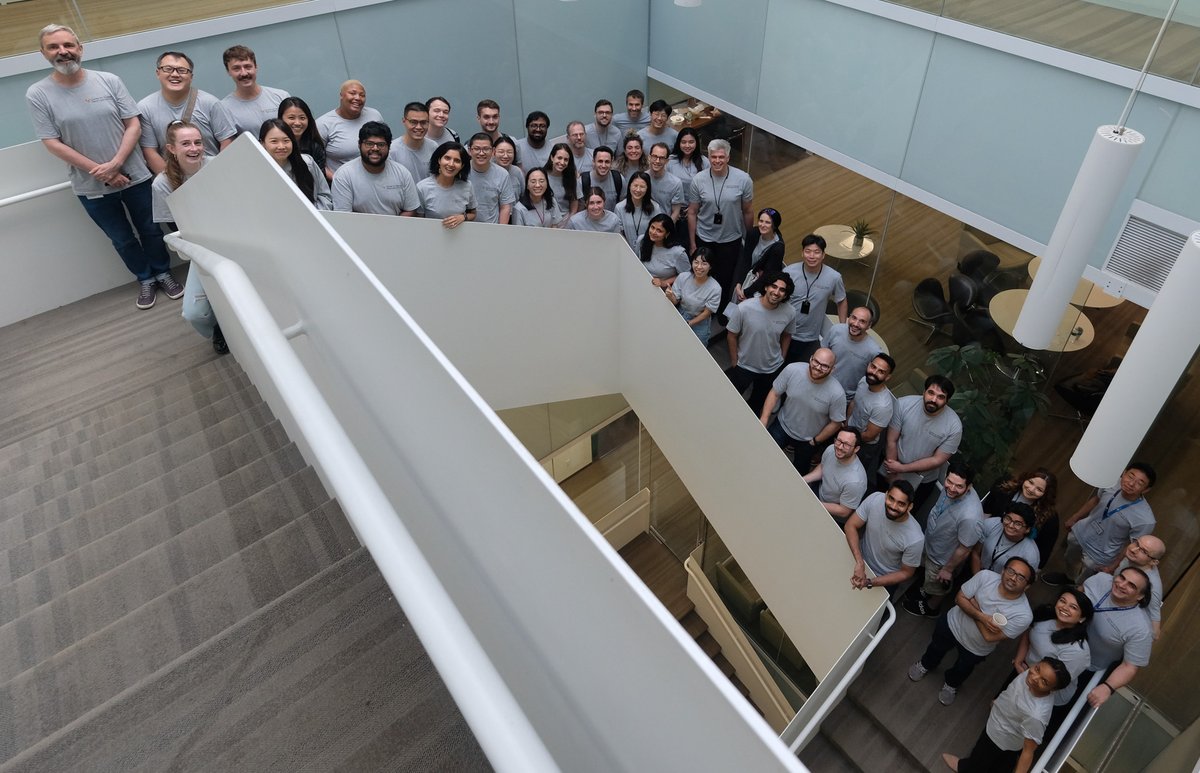
The Center for Disease Neurogenomics (CDN) had a successful retreat day. The year 2024 marked the 10-year anniversary of the lab, and we have grown to 67 members. #CDN#retreat
Had a blast having deeper conversations about the innovations, hype, and histories @CompoundVC office last night:
- bio foundation models
- software feature sets and uptake for bio drug discovery and productivity
- the perils of lab automation
Thanks to the co-organizers @drobziz and Steve Beuchaw!
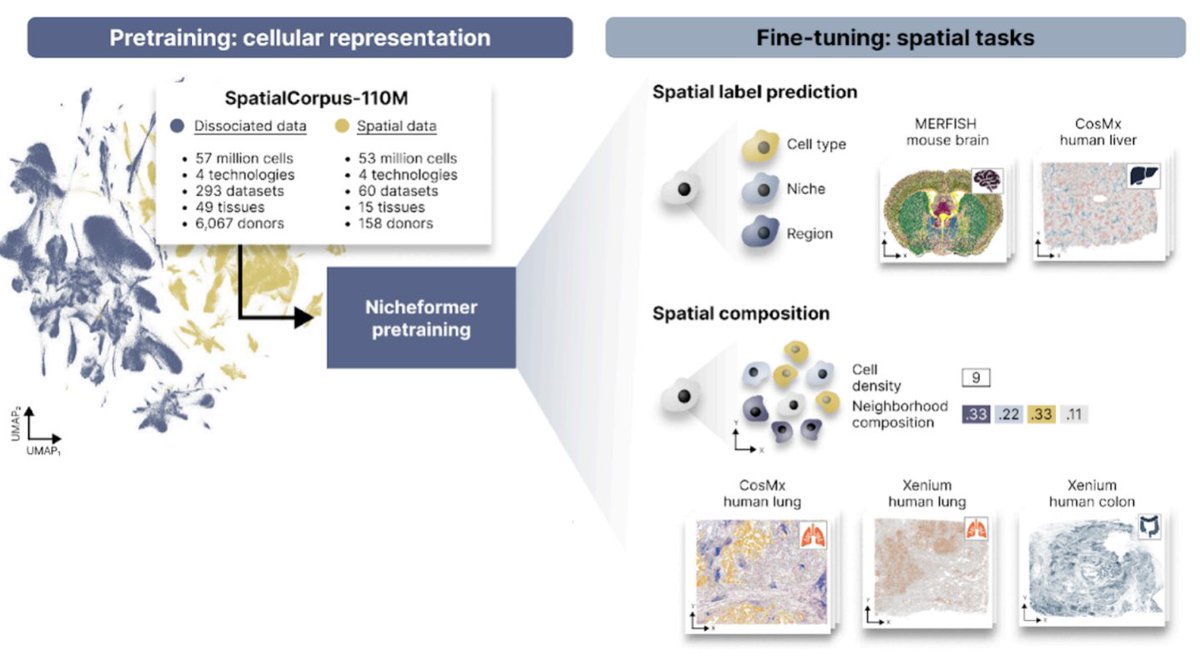
Excited to share Nicheformer! Led by @Alejandro__TL & @AnnaCSchaar, Nicheformer is a foundation model for single-cell & spatial omics. Its innovation is going beyond disassociated analysis to capture & predict local tissue context at single-cell level. https://t.co/WFFzppmLSW
Curious about how Self-Supervised Learning (SSL) is reshaping Single-Cell Genomics (SCG)? 🧬🤖 Our latest paper, "Delineating the Effective Use of Self-Supervised Learning in Single-Cell Genomics," offers an in-depth analysis. Thread [1/n]
bioRxiv:
https://t.co/5uFQavhOoD
Join us for the next @bitsinbio event on product across biotech and software.
Excited to hear from product leaders working at startups that are at the frontier of this intersection. Panelists include:
-Vinnay Subbiah, Director of product @benevolent_ai
-Karl Leswing, ED of ML @schrodinger
-Gabi Griffin, Head of product and informatics @syntensor
-Conal Scanlon, Director of product @flatironhealth
Introducing PDGrapher - Combinatorial prediction of therapeutically useful chemical and genetic perturbations using causally-inspired neural networks
Many methods learn responses to perturbations, but PDGrapher is addressing the inverse problem, which is to infer the perturbagen necessary to achieve a specific response – i.e., directly predict perturbagens by finding what chemical or genetic perturbations elicit a desired response
w/ Guadalupe Gonzalez @justguadaa, Isuru Herath, Kirill Veselkov, Michael Bronstein @mmbronstein@HarvardDBMI@KempnerInst@harvard_data@UniofOxford@imperialcollege
🚀 https://t.co/9kmdFVpQxn
🧬 https://t.co/xPHmQx1fw8
🔬 https://t.co/G5ehmahQ1t
🧵 below
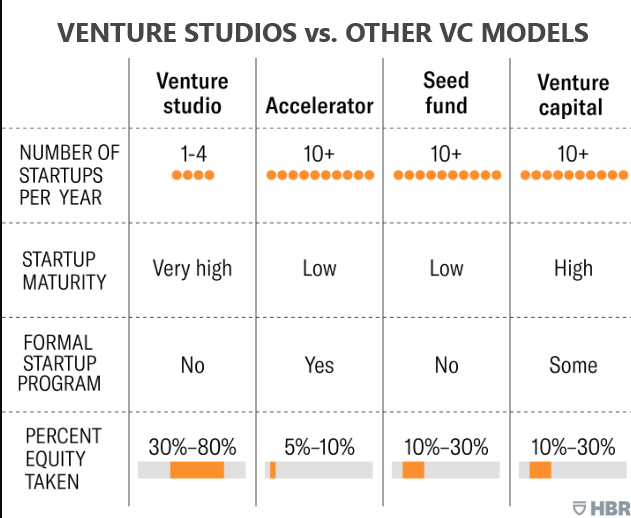
⬛ Venture Studios: Worth the 20-40%+ Equity Stake? Key Insights & Best Practices:
1️⃣ First, what's a venture studio?
• Venture studios create multiple startups per year at the idea formation stage, offering inception capital, in-house talent and ground-up support.
—Common terms include “Venture labs,” “Startup studios”, “Company Creation Funds”—but there's no official term.
• Simply put, venture studios provide financing, startup studios do not.
• But even within these two categories, there is high variance:
—For example, there’s a massive difference between traditional VC-backed players such as Sutter Hill Ventures, Greylock, etc.; corporate venture studios; and venture studios focused on specific verticals such as ConsenSys (web3/MetaMask) or Flagship Pioneering (Healthcare/Moderna), in terms of concentration bets, investment activity & founder-led vs. in-house talent.
2️⃣ Second, what are the benefits of a venture studio?
• 79% of studios offer capital to companies they built, with an average of $476K per company.
• Startups created in venture studios achieve seed funding 2x as fast and exit 33% faster than conventional startups, according to one research report.
—What do venture studios offer in addition to capital?
• Access to resources: Access to a network of experts, mentors, and industry connections, which can greatly benefit their growth and success.
• Operational support: Unlike accelerators, venture studios offer in-house operational support, allowing startups to go from idea stage to product-market fit (zero to one) with key functions like product development, marketing & hiring.
• Shared services: By pooling resources, venture studios can provide shared services like legal, accounting, and HR, reducing costs for startups.
3️⃣ Third, what are the costs of a venture studio?
• The median annual budget for a startup studio is $1.36M. The average is $2.49M (per year).
• The cost of capital to the startup is 20-40%, even up to 80% before seed.
Fourth, why do teams form a startup studio?
• From 2018 to 2023, the number of venture studios doubled to 877.
• IRR can be "up to 50%" (but median is far less).
4️⃣ What are some best practices for venture studios?
• Don't be greedy: Keep ownership, control, and service fees reasonable to attract founders, talent, and future investors.
• Think long-term: Be mindful of your long-term interests and those of your founders and LPs. Avoid short-term gains that harm the company's potential.
5️⃣ Finally, is there an optimal balance between funding, costs, and founder freedom (control)?
Specific recommendations:
• Avoid taking 40-50% ownership, leave room for future dilution and talent equity. Founders skewered a studio for taking 47.5% equity in a startup - even if costs are high and done in-house, it just looks like you're manufacturing broken cap tables!
• Service fees must be fair and arms-length, avoid excessive charges for basic resources like rent.
• Minimize control: Don't dominate the board, consider observer status when your input is limited.
Anything I missed or should highlight?
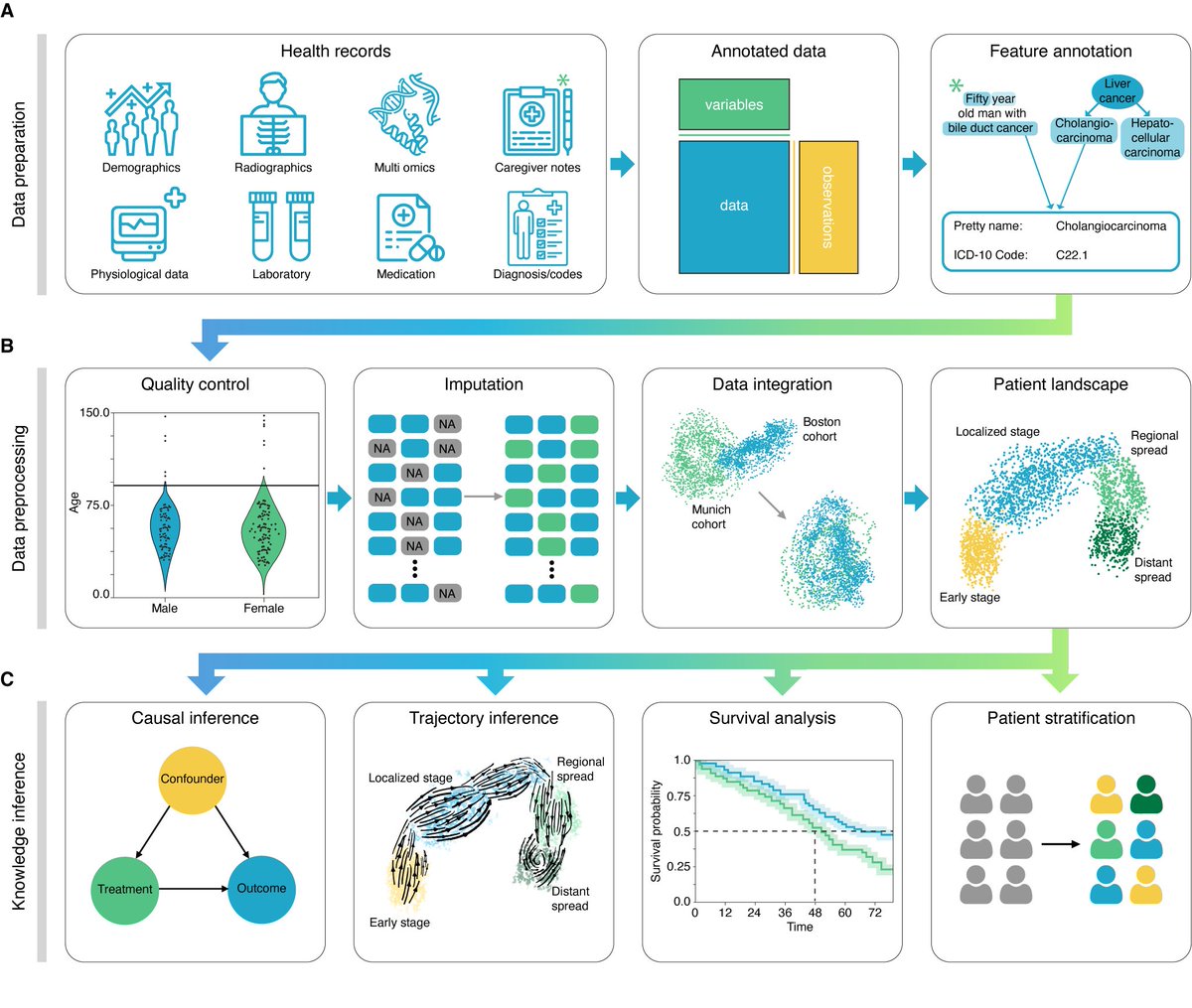
I'm super excited to announce our new framework for exploratory electronic health record analysis "ehrapy". Although analysis is standardized for single-cell by seurat, bioconductor and scanpy, EHR analysis was until now the wild west. https://t.co/eOfJ0UaPum
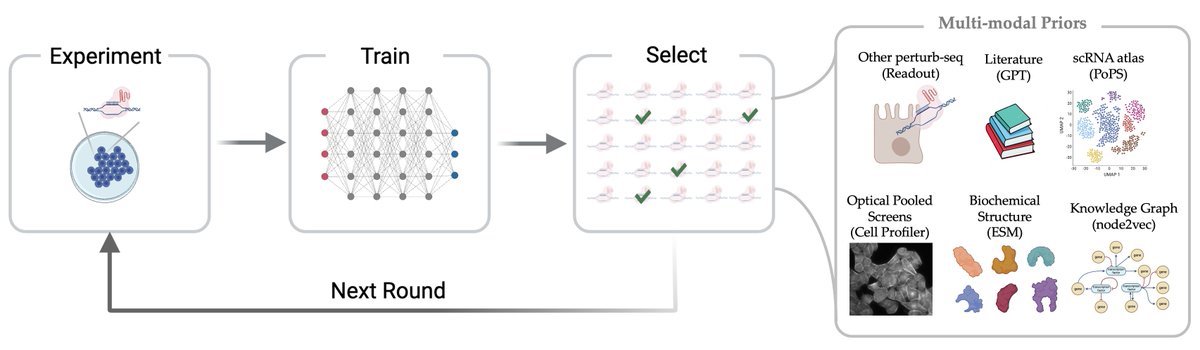
1/🧵Introducing Perturb-seq-in-the-loop: a sequential experimental design strategy for perturbation screens guided by multimodal priors, with 3X speedup over state-of-the-art active learning methods!
With amazing @_romain_lopez_@jchuetter Taka Kudo @antonio_science Aviv Regev
ARTIS Ventures is proud to announce the close of our latest $200 million fund, TechBio II, dedicated to deploying capital wherever data, software, AI, machine learning, and deep learning transform human health and well-being.
#TechBio
https://t.co/g8k9LHKoEZ
Extracellular targeted protein degradation: an emerging modality for drug discovery https://t.co/6sD7kFSBkd
This new review by @realJimWells & @Kaan_Kumru_ covers systems for extracellular targeted protein degradation, including LYTACs, ATACs, AbTACs, PROTABs and KineTACs
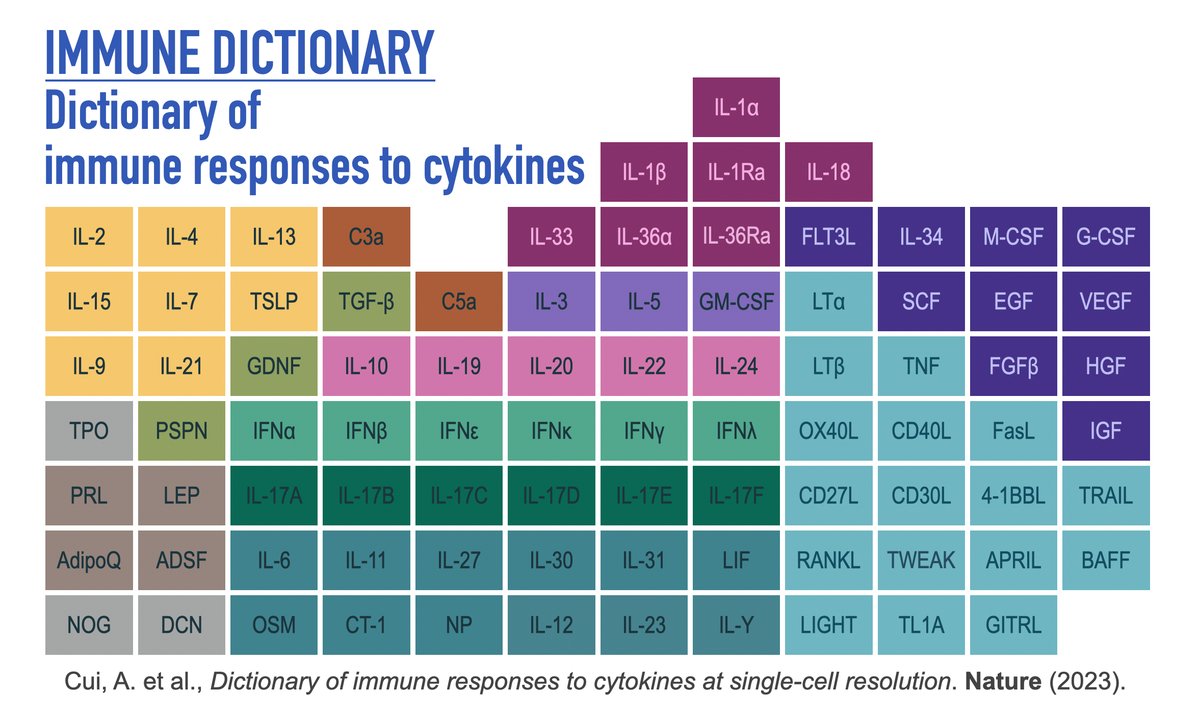
✨#ImmuneDictionary✨is out today in @Nature!
Paper https://t.co/XY47lyphjU
Software https://t.co/duoWWcBmTj
We created scRNA-seq dictionary of 17+ immune cell types responding to 86 cytokines in vivo, discovered the immune system is far more complex than previously known 1/
Science has been moving very fast, but it's about to move MUCH faster.
In this example, Gemini compiles an up-to-date list of GWAS variants from the literature.
https://t.co/OFgAdoQHZk
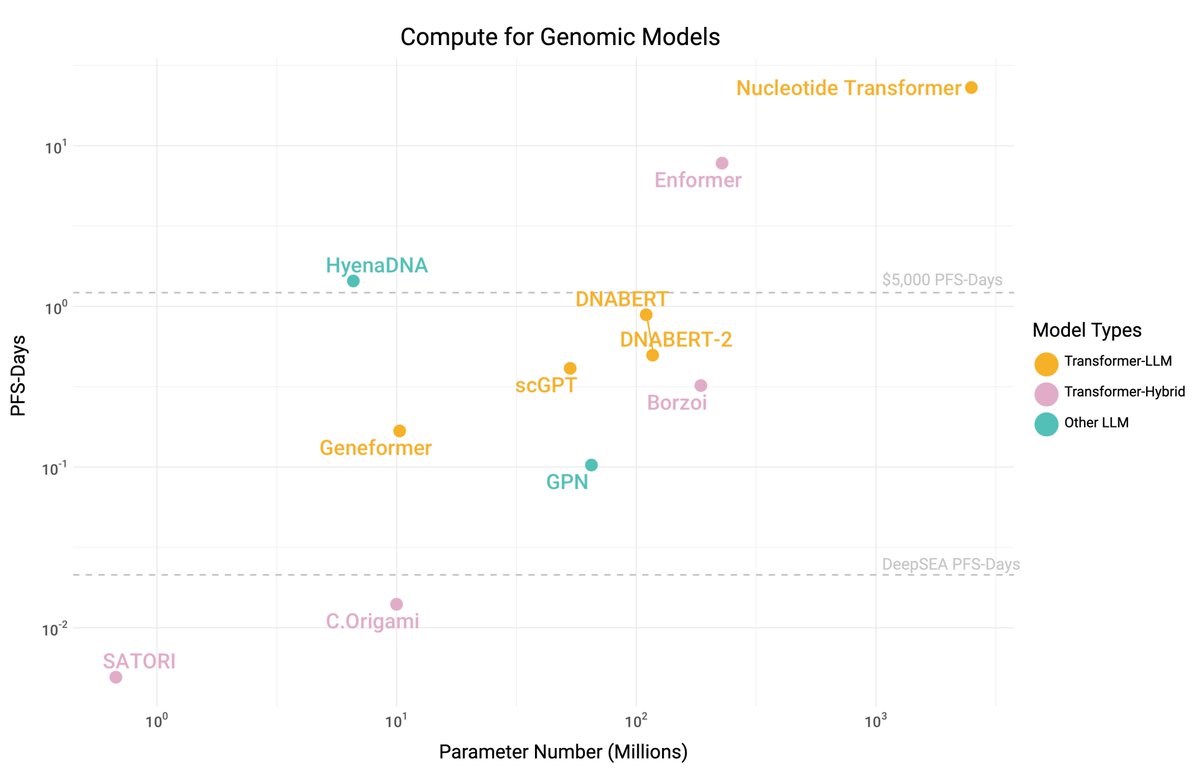
Interested in LLMs for genomic research but don't know where to start? looking for a review/survey to get started in this field? 👇👇😀
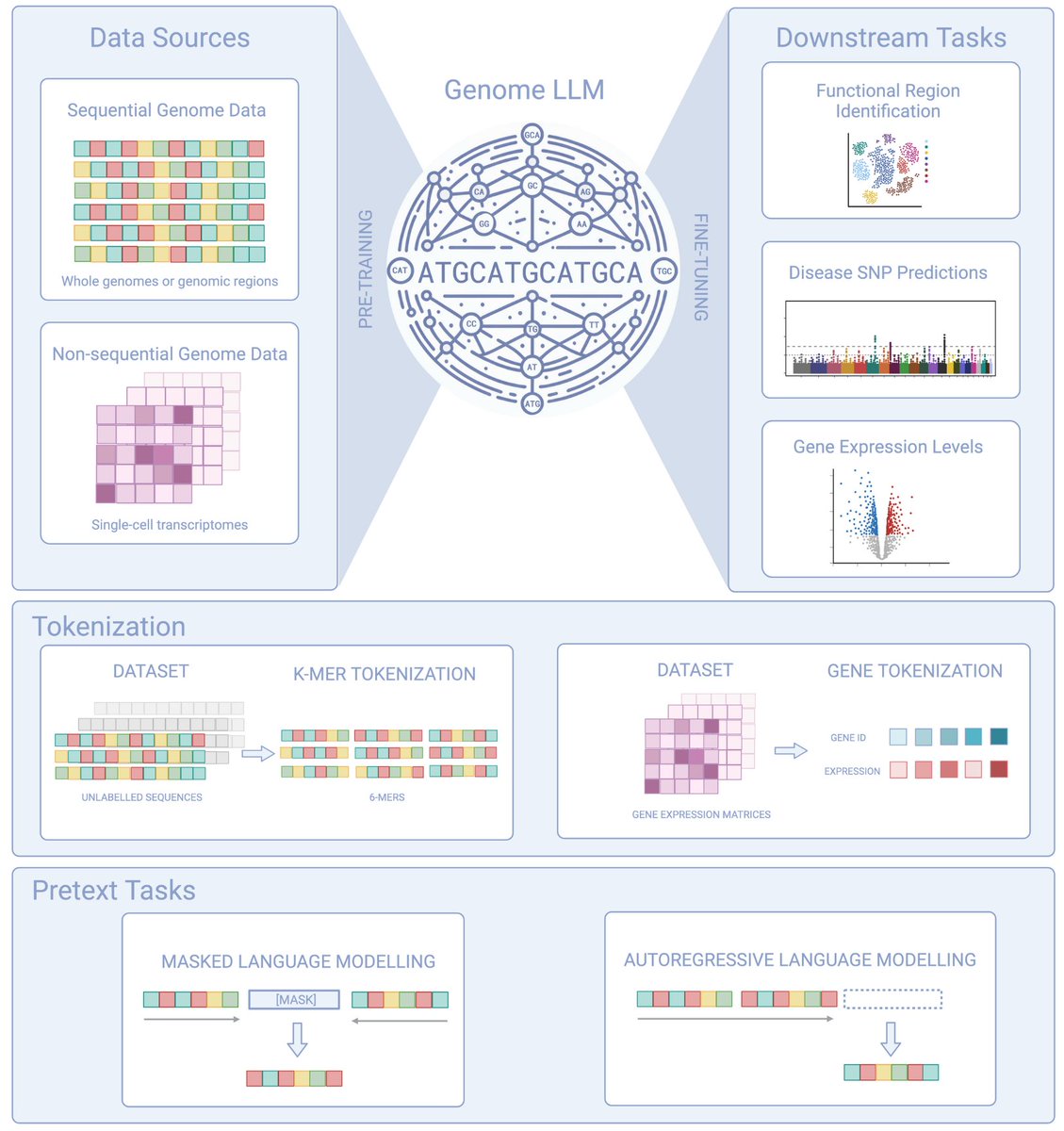
I am very excited to share that our review paper titled "To Transformers and Beyond: Large Language Models for the Genome" is now available as a preprint (https://t.co/U24TUSseNr)! Our review unveils a revolution in genomics analysis with Genome LLMs. 🧬
🔍 What's Inside:
✅ The power & challenges of transformers in genomics.
✅ Cutting-edge models like HeynaDNA and scGPT & their impact.
✅ Deep dives into Enformer, DNABERT, and other Genome LLMs.
🌍 Why it Matters:
1. GPT-4's influence reshapes AI in genomics.
Unmatched insights into transformers' role in genomics.
2. Critical analysis of new models, addressing interpretability, privacy, & computational needs.
3. Essential for computational biologists & computer scientists to navigate the future of genomic data analysis.
This is a work led by the amazing PhD student, Mica Consens, in the lab! Also, a huge collaborative work with lots of field leaders @fabian_theis@genophoria@MKarimzade@michaelwainberg and Alan Moses!
@UofT@VectorInst@UofTCompSci@UofT_LMP@UHN@pmcc_ai@UHNAIHUB