A new @USCStemCell study from the lab of Oliver Bell (@stanobell), published in @NatureComms, throws our understanding of gene regulation for a loop. https://t.co/p5qDZOYKVB
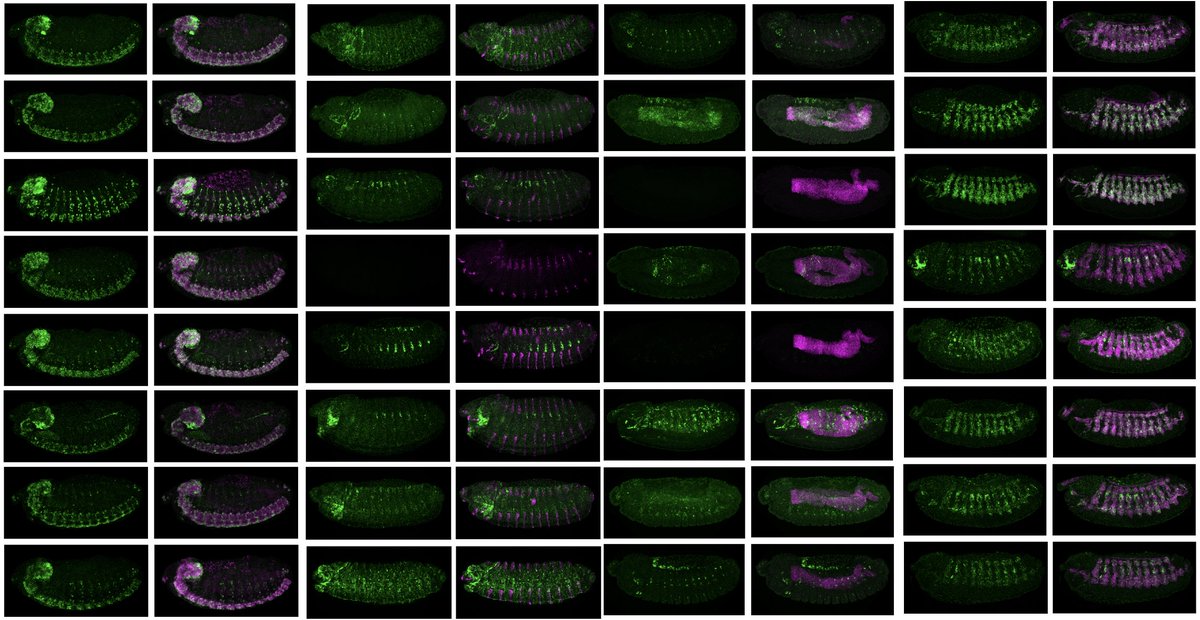
We are very excited to present a major breakthrough achievement – the de novo design of synthetic enhancers for selected tissues in fruit fly embryos in vivo using deep- and transfer learning, @deAlmeida_BPet al published today in @Nature https://t.co/TIlPrBKYaK. Thread 👇(1/N)
🔬 Exciting update! Our latest publication in @NatureComms "Loss of cohesin regulator PDS5A reveals repressive role of Polycomb loops" advances our understanding of epigenetic gene regulation.
https://t.co/uKuL4qWJBl
🚀 Find some of the key findings of our paper below 👇
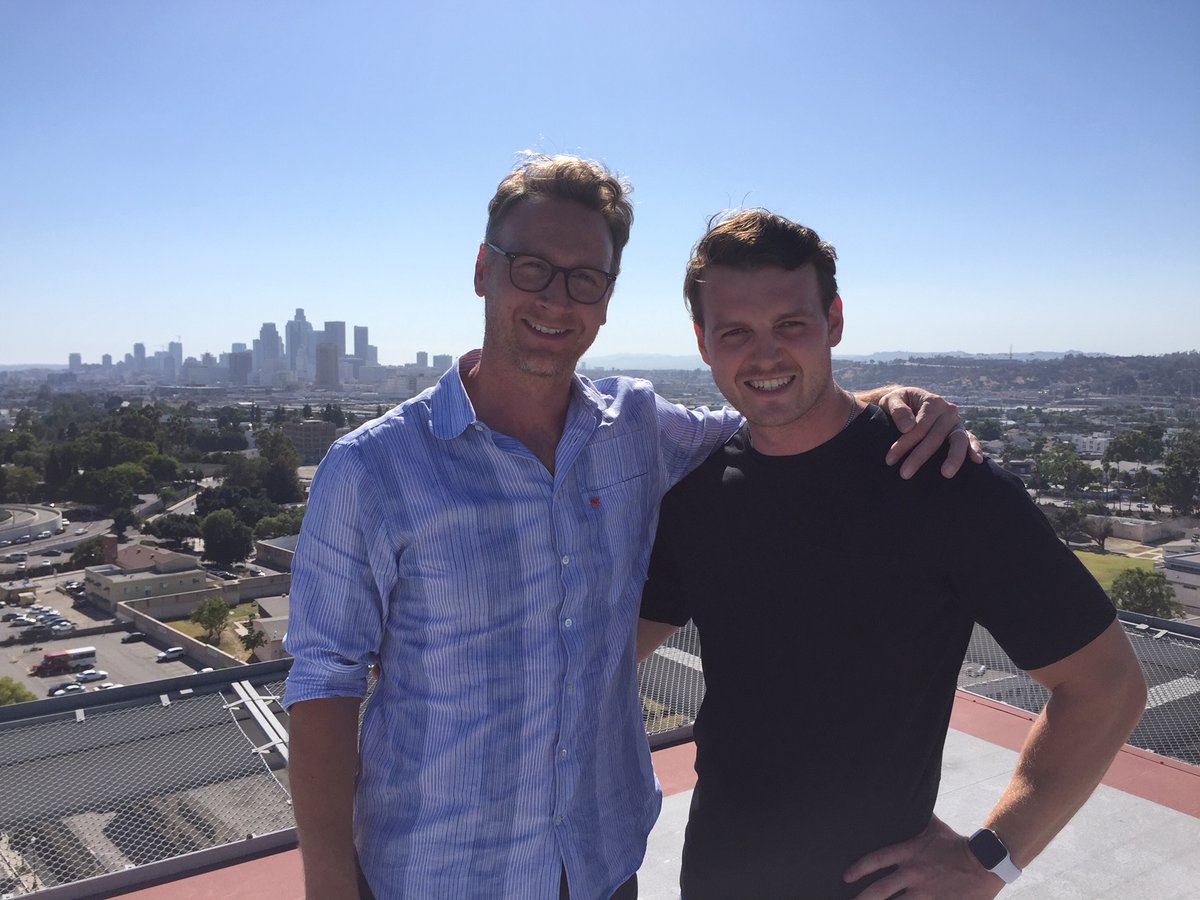
🙏 Grateful beyond words to have had @stanobell as my PhD mentor. Couldn't have wished for a more supportive guide through this journey. Your mentorship and friendship mean the world to me. 🌟
🔬 Exciting update! Our latest publication in @NatureComms "Loss of cohesin regulator PDS5A reveals repressive role of Polycomb loops" advances our understanding of epigenetic gene regulation.
https://t.co/uKuL4qWJBl
🚀 Find some of the key findings of our paper below 👇
🌐 Our research demonstrates that maintaining cohesin-dependent genome architecture is critical for Polycomb regulation. This finding opens new avenues for understanding the complexities of gene regulation and has broad implications across the field of genomics. #ResearchImpact
🔍 Why do Polycomb loops matter? Our study reveals their crucial role in maintaining robust silencing at specific target genes. The disruption caused by PDS5A removal highlights the intricate balance required for effective Polycomb regulation. #Polycomb#GeneSilencing
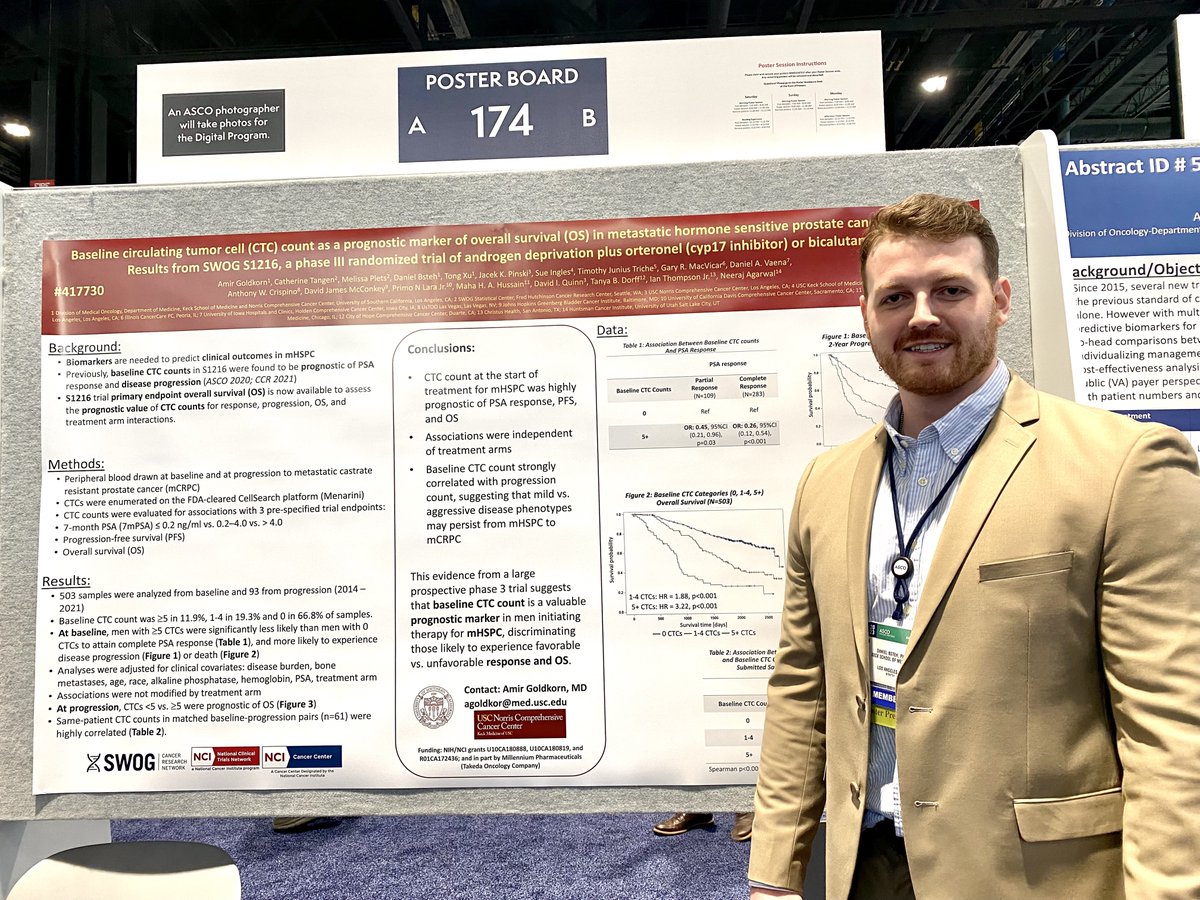
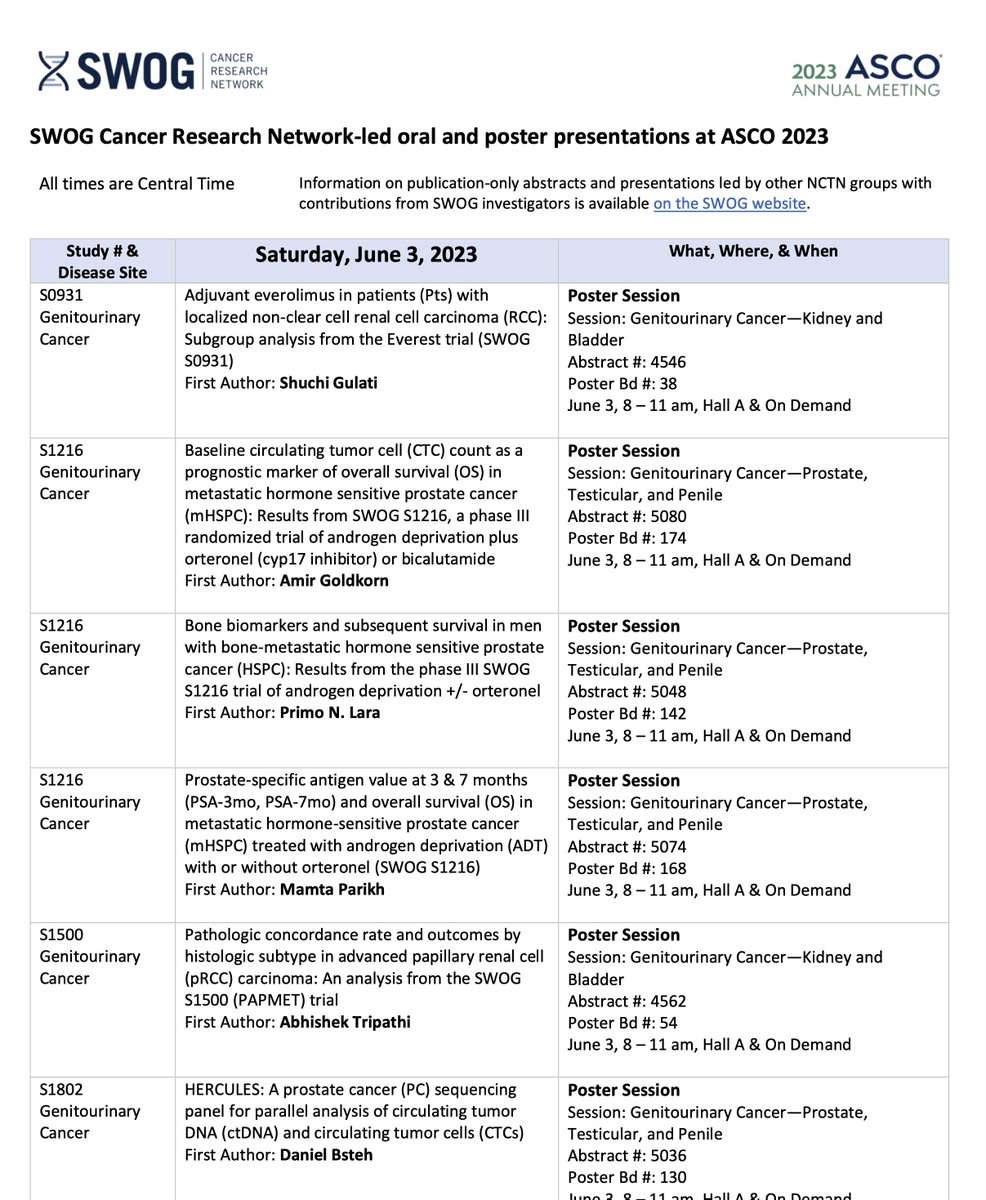
At @ASCO annual meeting, Dr. Daniel Bsteh presented research led by Dr. Amir Goldkorn, AD for Translational Research @uscnorris, showing liquid biopsies might help predict treatment response & survival in men undergoing treatment for metastatic, hormone sensitive prostate cancer.
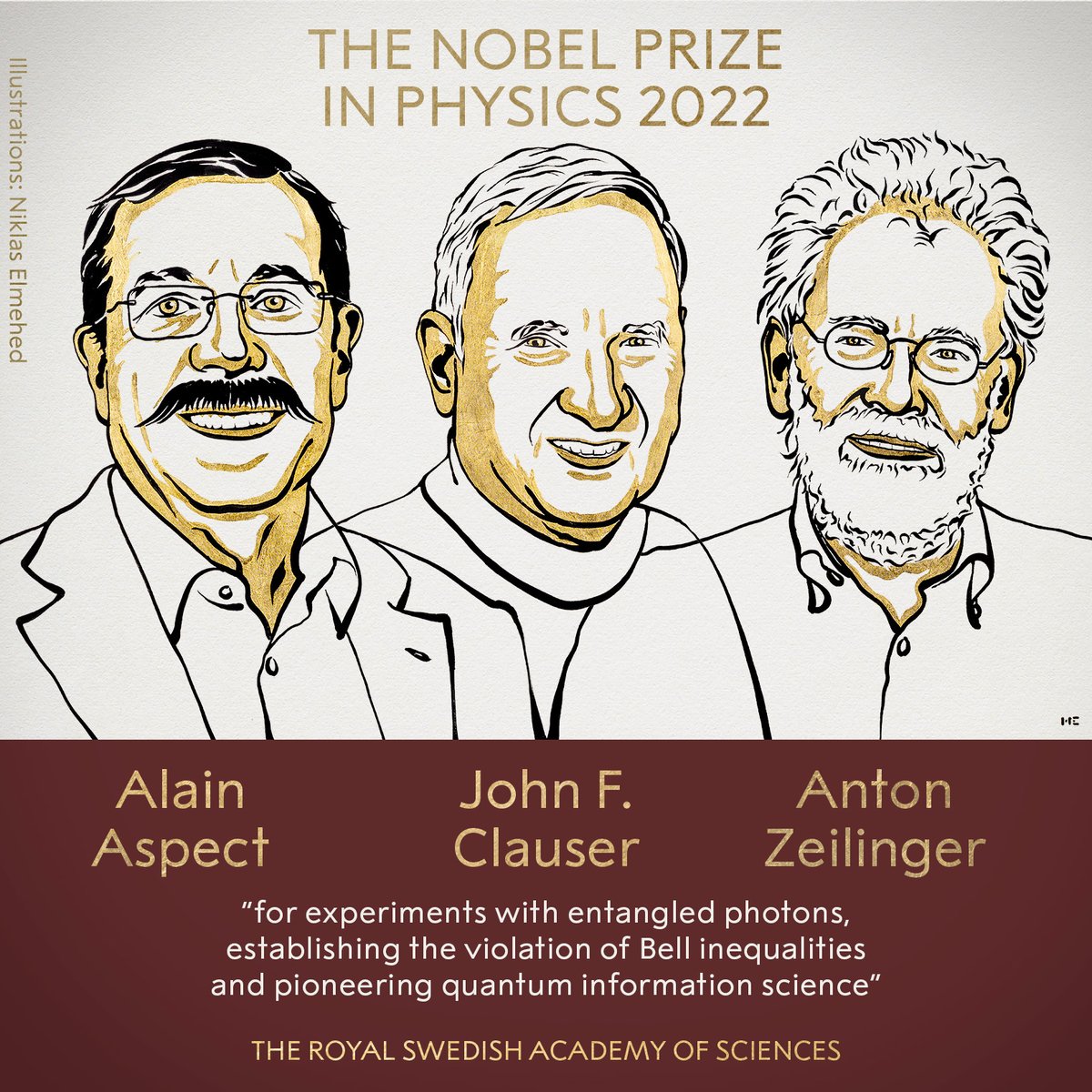
BREAKING NEWS:
The Royal Swedish Academy of Sciences has decided to award the 2022 #NobelPrize in Physics to Alain Aspect, John F. Clauser and Anton Zeilinger.