The most promising longevity drug isn't a peptide or metformin. It's the Shingles vaccine.
New data shows it slows biological aging and lowers systemic inflammation for 4+ years post-shot. We are seeing a 20% reduction in new dementia diagnoses and a 25% lower risk of stroke.
Stop waiting for a magic pill. One is already on the shelf.
Statin side effects? You still have options.
Other pills, injections, a different statin or a lower dose may help. Oats and psyllium usually have smaller effects.
Ask: “How far does my LDL need to fall, and what can I tolerate that gets me there?”
Chart context: each drug used alone, rounded from separate trials. The spoken injection example also describes add-on treatment. These are LDL changes, not heart-attack risk reductions.
Sources: https://t.co/kRV83Z2pqW
https://t.co/IunNpIuLwy
https://t.co/XfyO4SMtlE
Healthcare innovation loves a launch party.
The real test is Monday morning.
What are the outcomes? Can a clinician act without opening ten tabs? Does the patient know what happens next? Does anyone own the follow-through?
Or did we just give healthcare another dashboard?
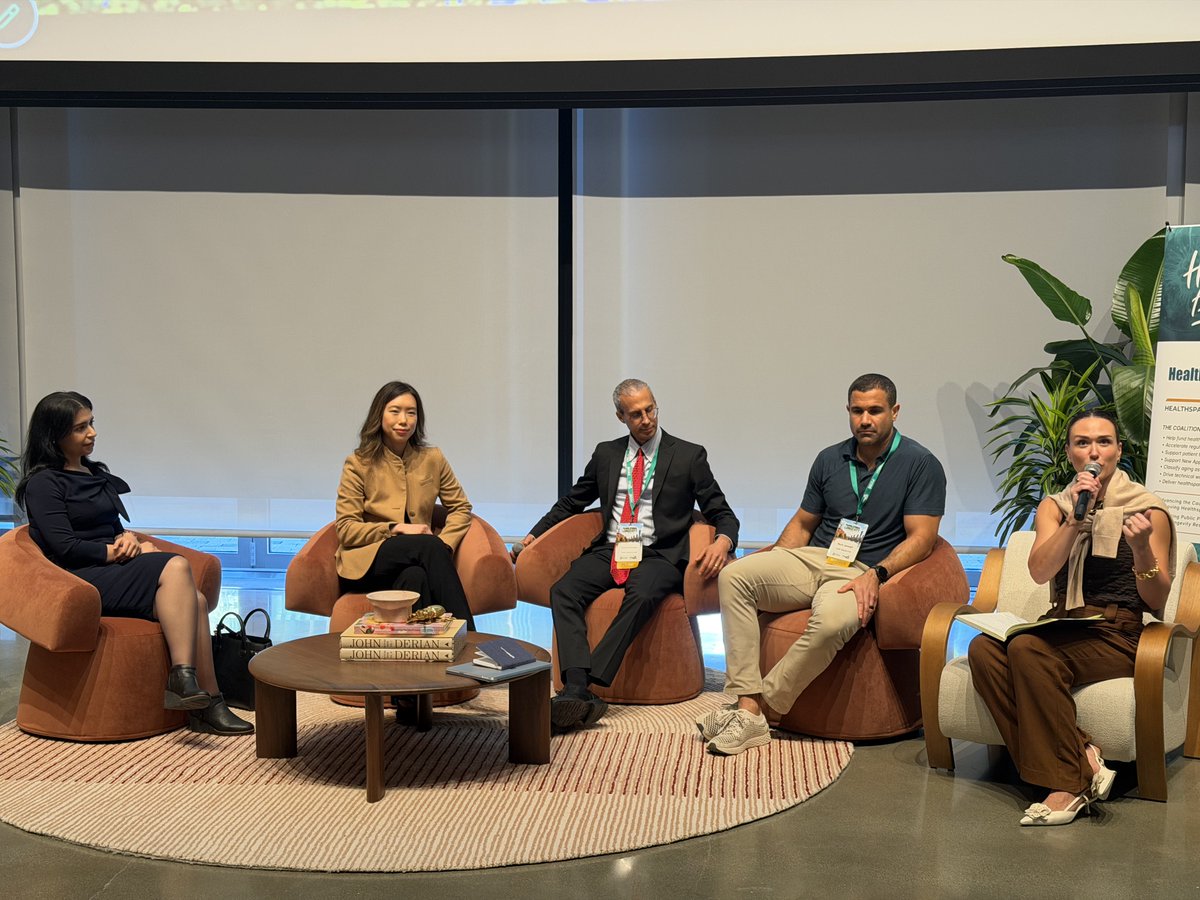
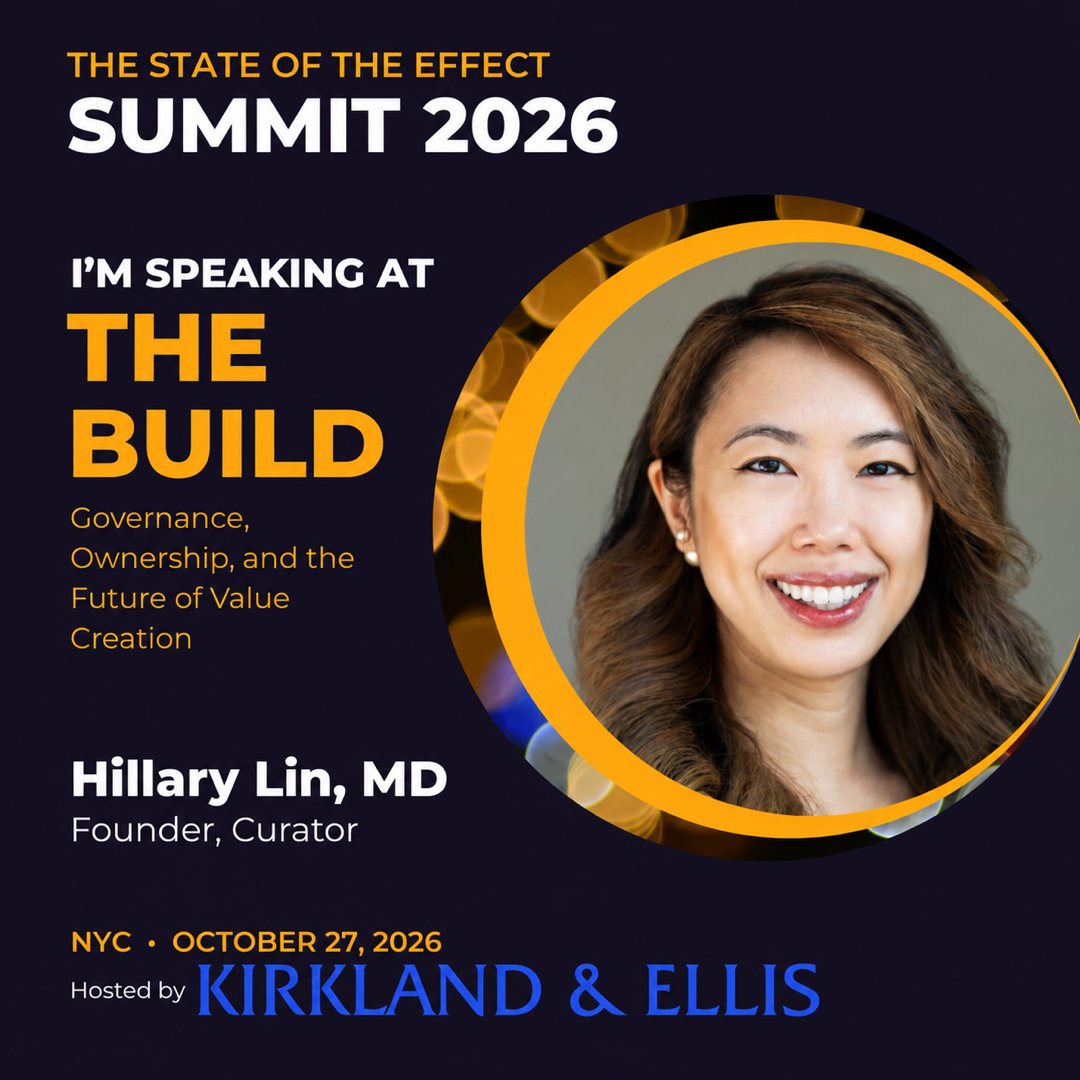
I’ll be digging into this at The Fourth Effect’s Summit 2026 in NYC on October 27.
“Health, Built to Hold” brings 25 builders, investors, and operators together to get specific about where good ideas stall and what needs to be built differently.
A beautiful demo is nice. But can anyone use the thing?
Details + application: https://t.co/c4wFqgnbsp
After the AI math results, I don’t doubt it’ll take over medicine.
Now get a straight answer from insurance.
Please hold, Claude.
https://t.co/7HhTFltIpX
“Powerhouse of the cell.”
Mitochondria need a better job description.
They help power a cell and, under certain conditions, help shut it down.
Keeping you alive sometimes means a cell needs to go.
Energy got all the PR.
https://t.co/zDE0smB12D
@AidanETexas@agingdoc1@SumeraBukhari I'd love for patients to hear those disagreements too! We should be clear when we're trying something we don't have good evidence for yet.
Should we have the right to try medicines not yet FDA-approved? Does this open up the peptide Wild West?
Work toward an osteoporosis cure. CAR-T targeting senescence in mice.
Boston’s ongoing Translational Longevity Summit is filled with amazing discussions like these.
I wish these conversations happened more often, and were more prevalent in the mainstream where it feels like we're being distracted by incremental changes.
The longevity movement has arrived, and it is here to stay.
Speakers and friends here: @jeannefrances@CamilloRicordi@aubreydegrey@IanHuyett@agingdoc1@SumeraBukhari@Dr_ReenaB@MariZazzer.
#Longevity #RightToTry
Would we still call aging “just part of life” if we believed we could prevent it?
We don’t know how far science can extend healthy life. How hard we try is a choice.
Adapted from Nick Bostrom’s The Fable of the Dragon-Tyrant.
https://t.co/i6A5Jc8cm9
@agingdoc1@Nilplatz@fitbook_de Congrats, David!! So exciting to see the guide out! And amazing to see you this past week - so much wonderful learning in a few short days!
Longevity: medicine or marketing?
NYC, Oct 14: I’m on stage at 6 PM at The Globe Bar. Doors 5:30. Mixer + startup pitches afterward.
Building in health? You can still sign up to pitch.
Tickets + pitch applications: https://t.co/vTVSUqvrL3