Publication alert! (accepted in AJ)
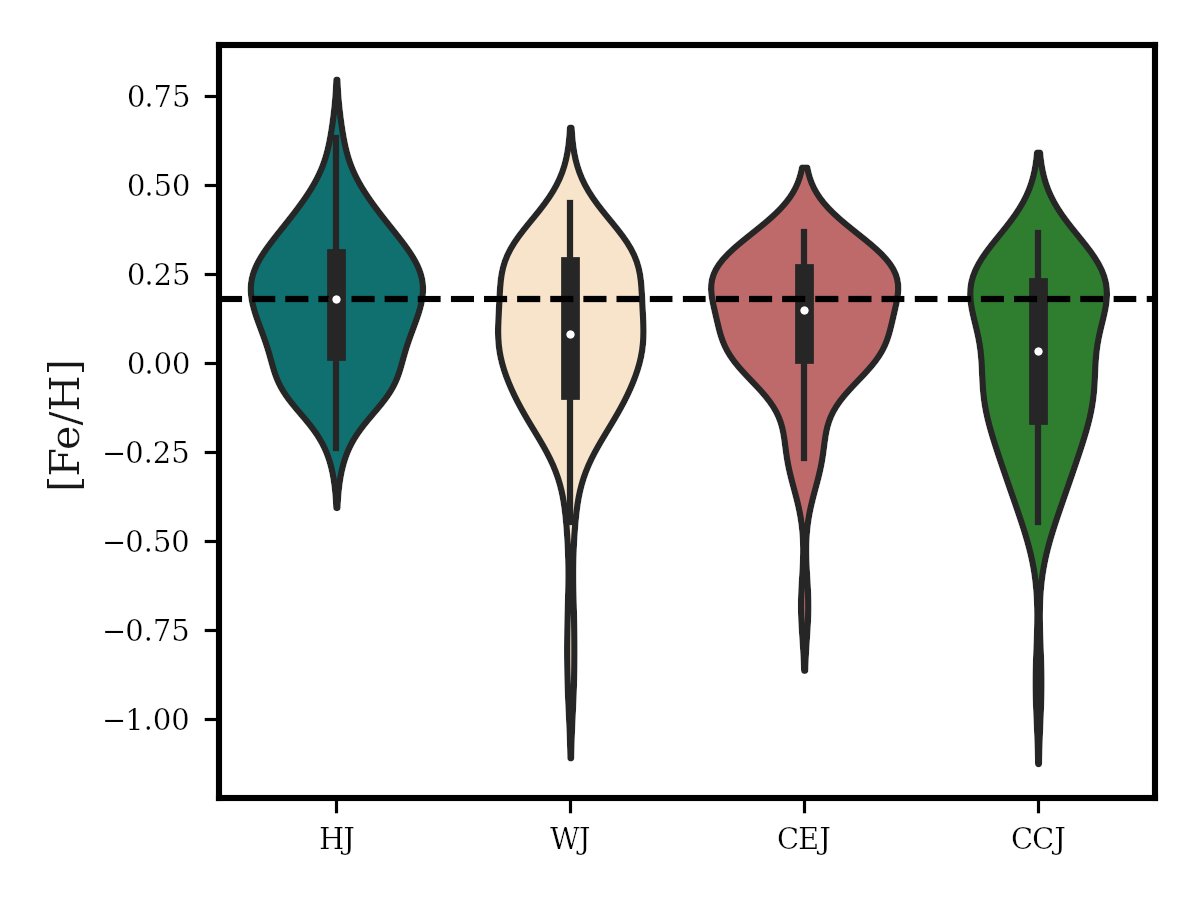
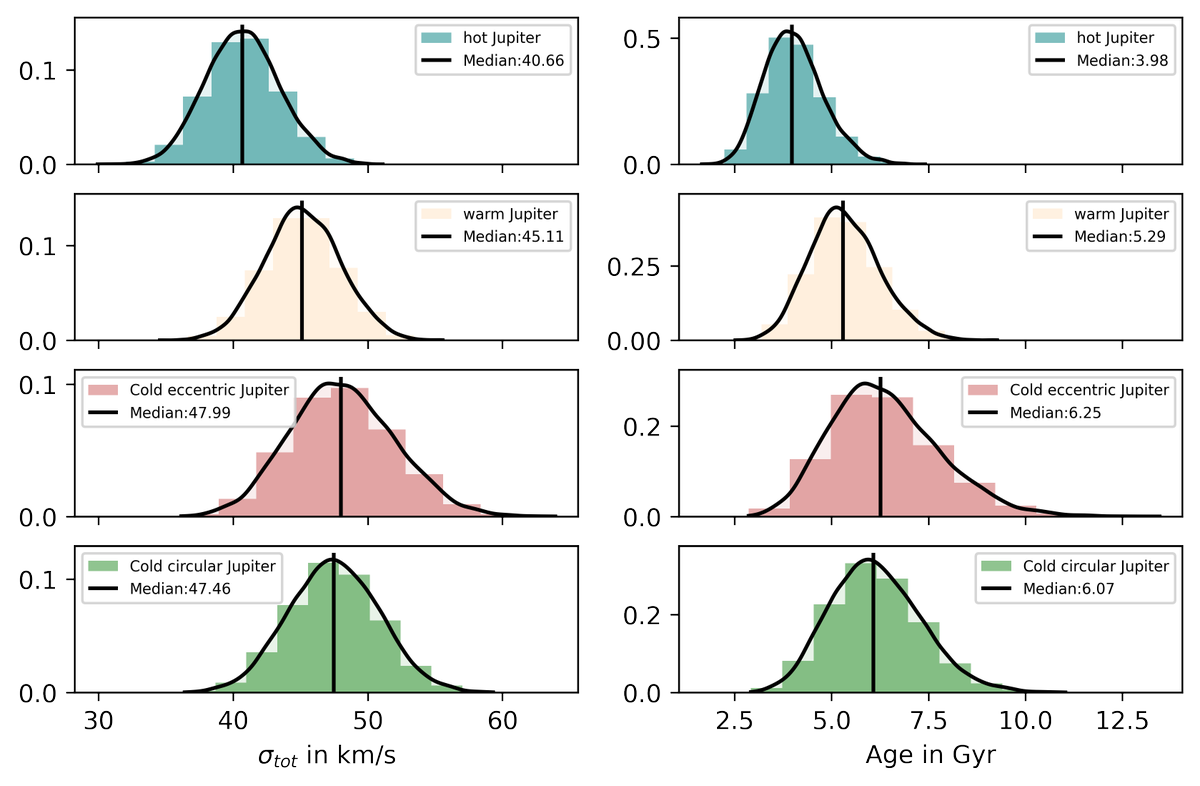
Exo-Jupiters have very diverse orbital properties. Does this tell something about their history of formation and evolution? We searched for the answer here 👇
https://t.co/6rG9DVG5if
@MinkyAstro@mpuravankara@ESAGaia@TIFRScience@PlotAstro
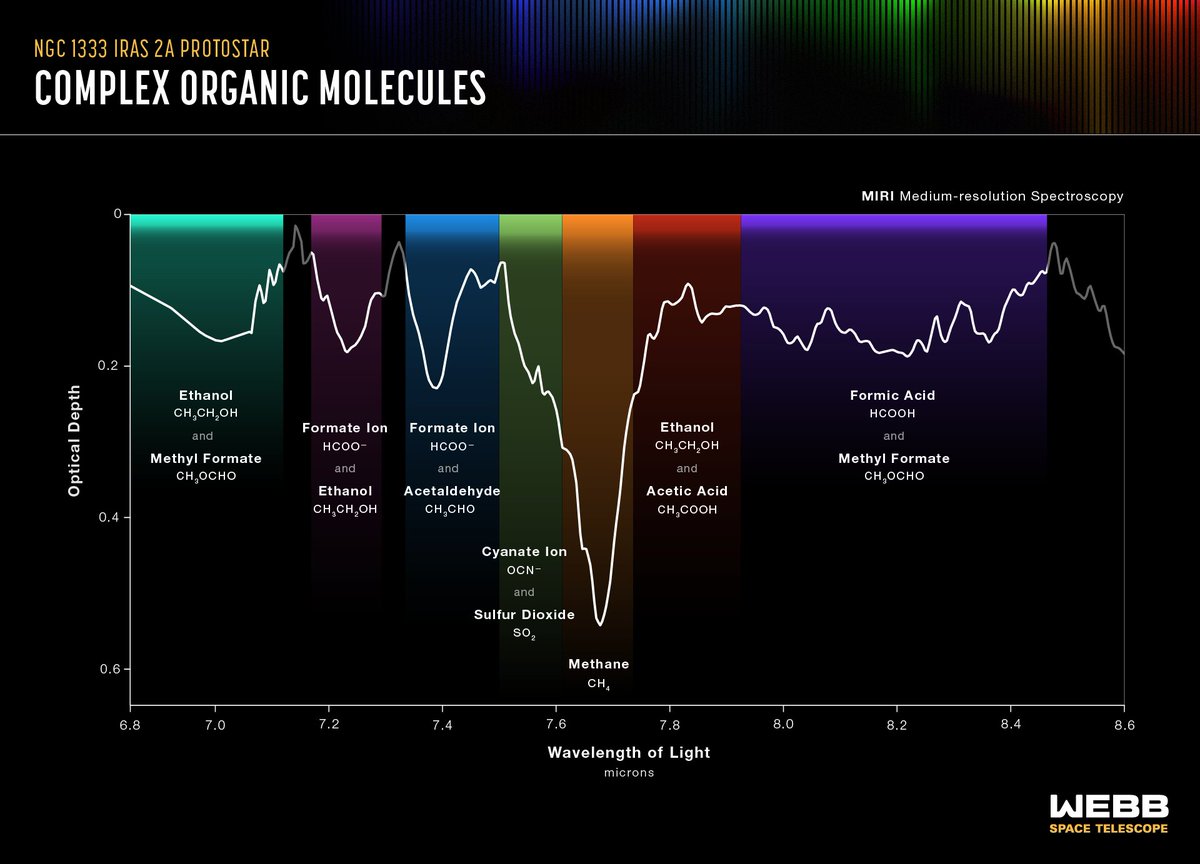
Webb found complex organic molecules such as ethanol and likely acetic acid (found in vinegar) around protostars IRAS 2A & IRAS 23385. The team also detected formic acid, methane, formaldehyde, and sulfur dioxide (which may have helped drive metabolic reactions on a young Earth).
How were ingredients for life delivered to Earth?
New Webb data shows icy, carbon-containing molecules around 2 baby stars that have yet to form planets. These findings tell us about how such molecules may get transported to potentially habitable worlds: https://t.co/y6J4MzTx6R
A whopping 175 hours in Cycle 3 to study newborn stars in Orion, making it one of the largest Galactic Astronomy programs with JWST! A big shoutout to the HEFE/IPA team and their leader, @TMegadeath, who has a fondness for beer-related acronyms🙂
@MinkyAstro@asipoec
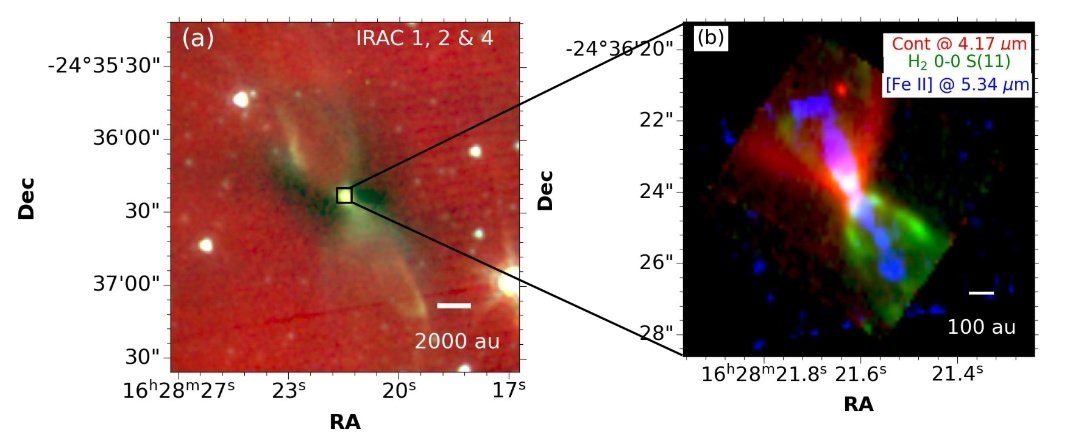
Our JWST jet paper on the famous Wasp Waist Nebula IRAS 16253-2429 has been accepted at ApJ Letters. The low mass (0.14 MSun), low luminosity (0.2 LSun) Class 0 protostar was observed as part of the Investigating Protostellar Accretion IPA team.
A national conference on Star and Planet formation kicking off at S N Bose Institute. The LOC chair, Tapas Baug welcoming the participants.
#SF2024@asipoec
#IPA an excellent way to start your morning #JWST@mpuravankara@TMegadeath@Its_him_t
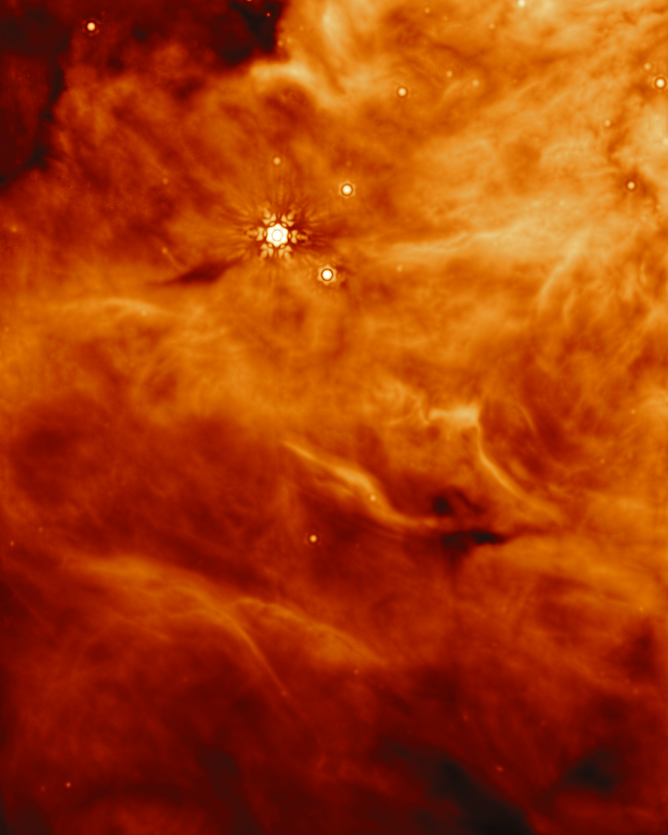
Snapshot of 5 protostars observed as part of the Investigating Protostellar Accretion-Driven Outflows Across the Mass Spectrum IPA.
Sam's paper linked below
https://t.co/PvoJsHx7Z4
After a journey of nearly 3.9 billion miles, the #OSIRISREx asteroid sample return capsule is back on Earth. Teams perform the initial safety assessment—the first persons to come into contact with this hardware since it was on the other side of the solar system.
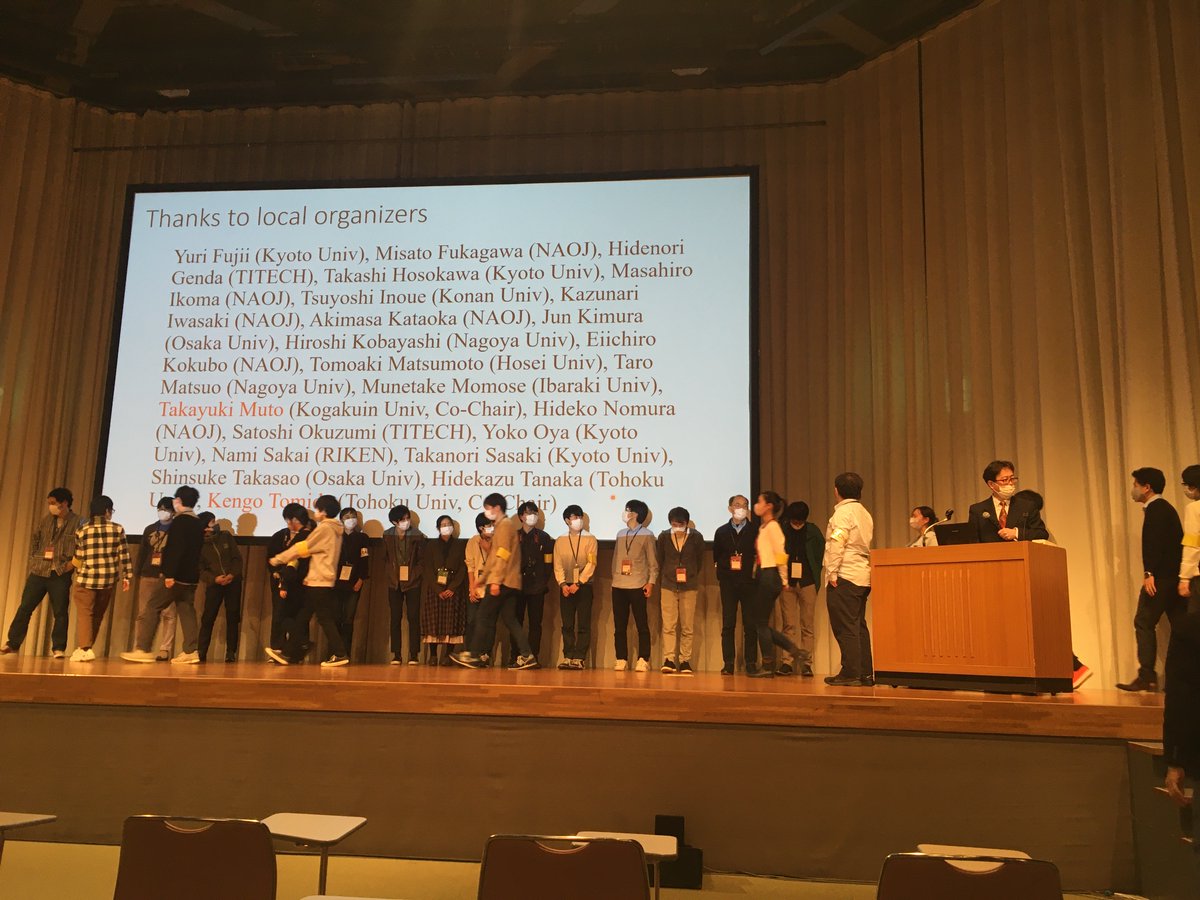
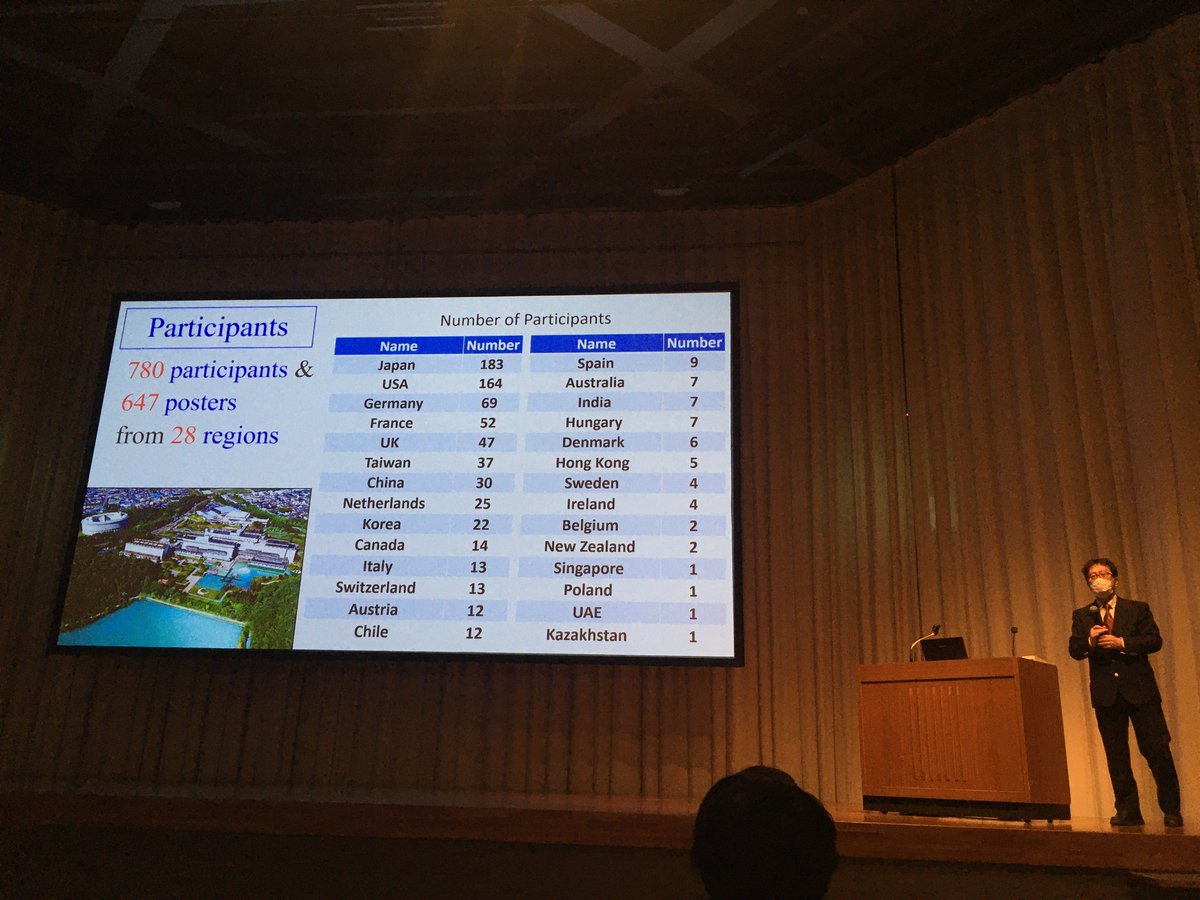
#PPVII summary in numbers: 780 participants, 647 posters from 28 regions. Thank you to all the participants for the great science display! And thank you to the SOC and LOC who made it possible.