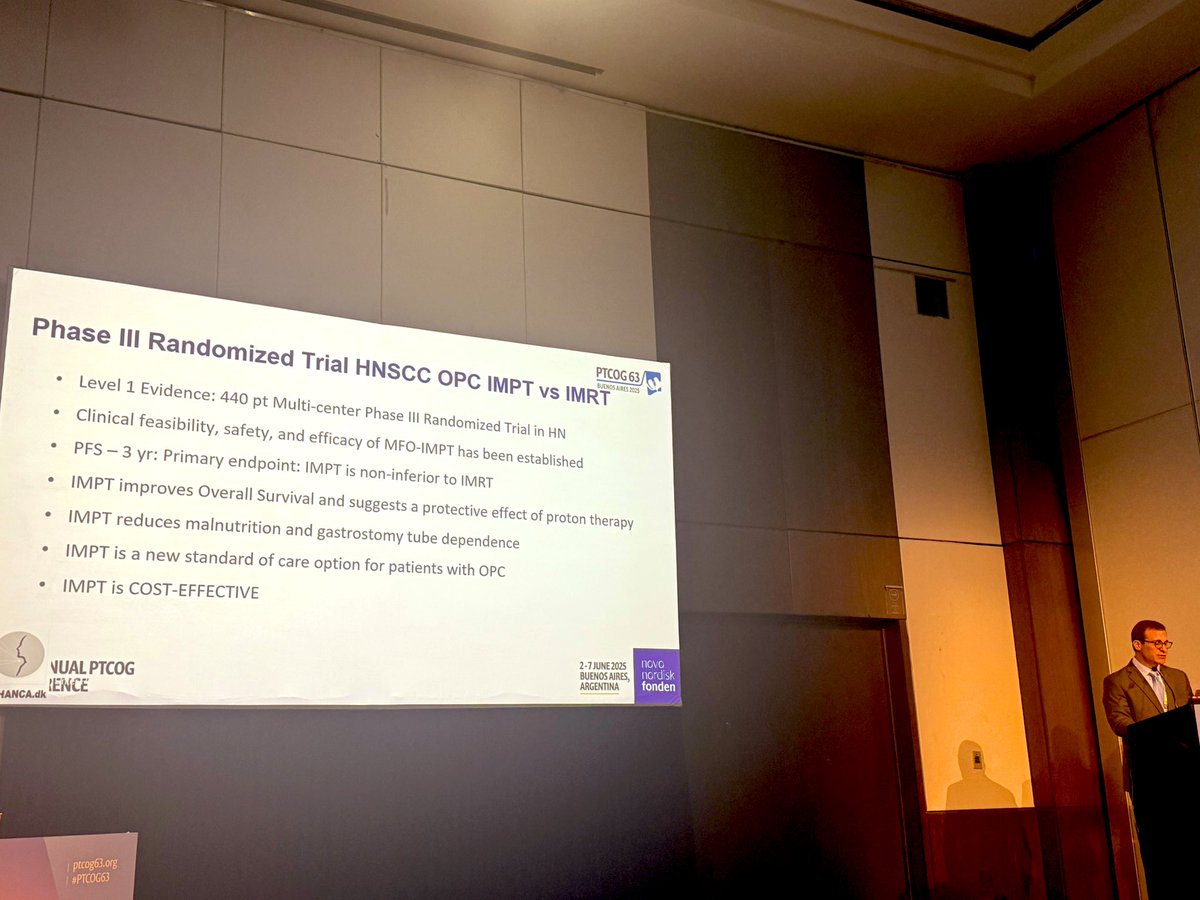
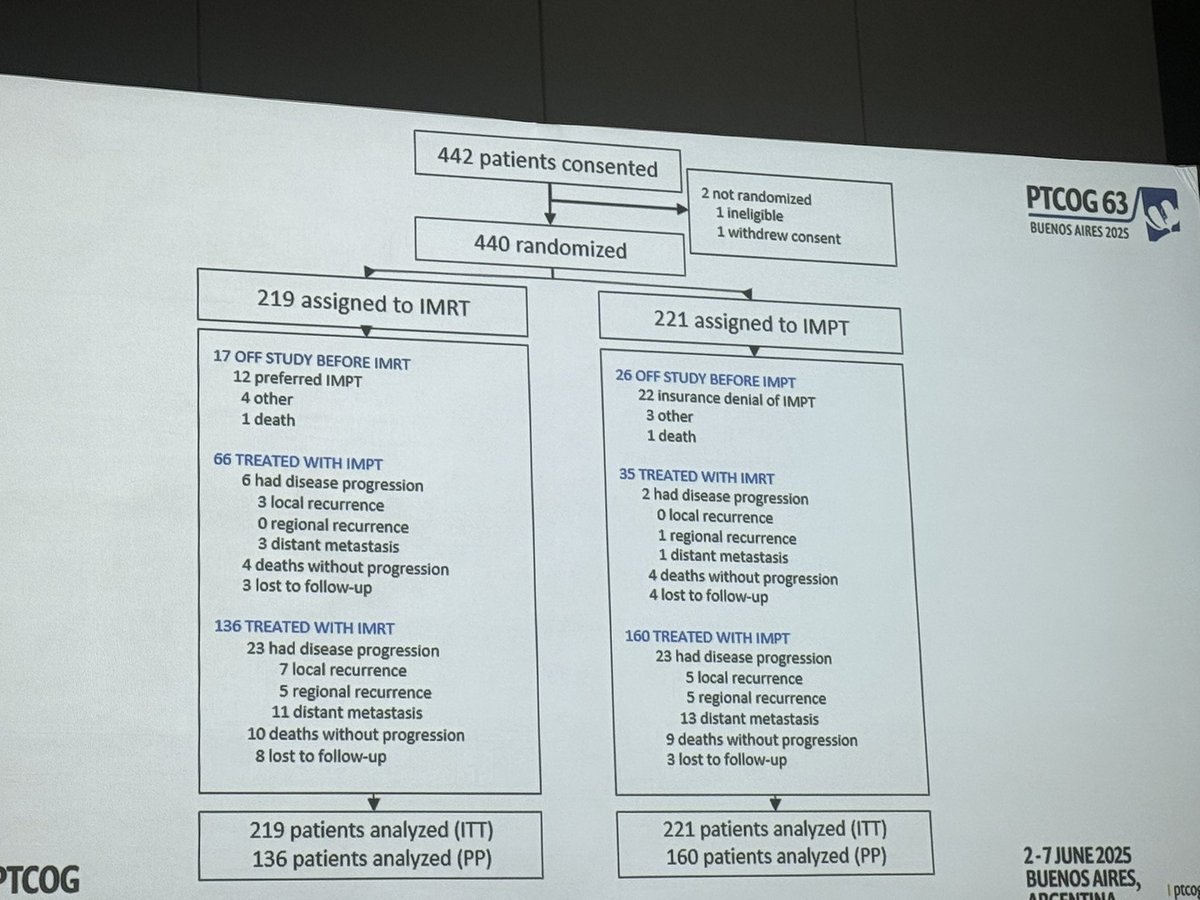
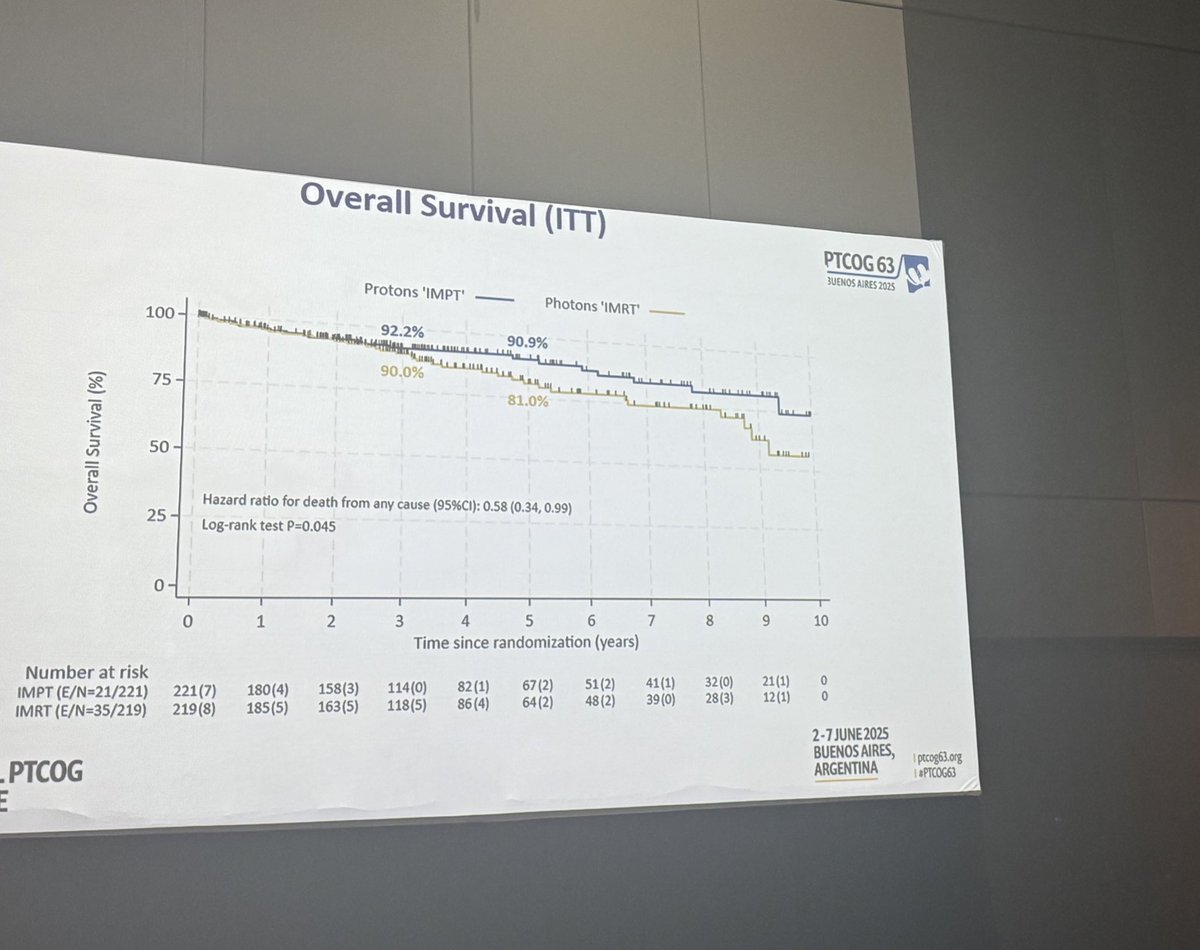
A sincere appreciation and acknowledgment to the 440 patients, investigators, and institutions who participated on this Phase III randomized trial highlighting the ability of proton therapy (IMPT) to de-intensify treatment and improve survival @MDAndersonNews
This is a fantastic technique that brings real relief to patients - it is critical knowledge for all radiation oncologists who take inpatient call as we certainly all get called about this patient population!
Celiac plexus RT can alleviate intractable, narcotic-refractory pain, but target volumes may not be intuitive.
We use guidelines from @LawrenceYaacov paper (PMID 39029483) to show the contouring approach, step by step. Plus other treatment planning pearls.
Great job, Peter Lee!
Day 5 is here — the final day of #PTCOG63!
We open with Plenary 07: Updates in Lymphoma Proton Therapy
🧬 Who benefits? – Youlia M. Kirova
⚙️ How to deliver it – James Bates
🔮 Future directions – Sara St. James
Let’s finish strong! 💪 #ProtonTherapy#RadiationOncology
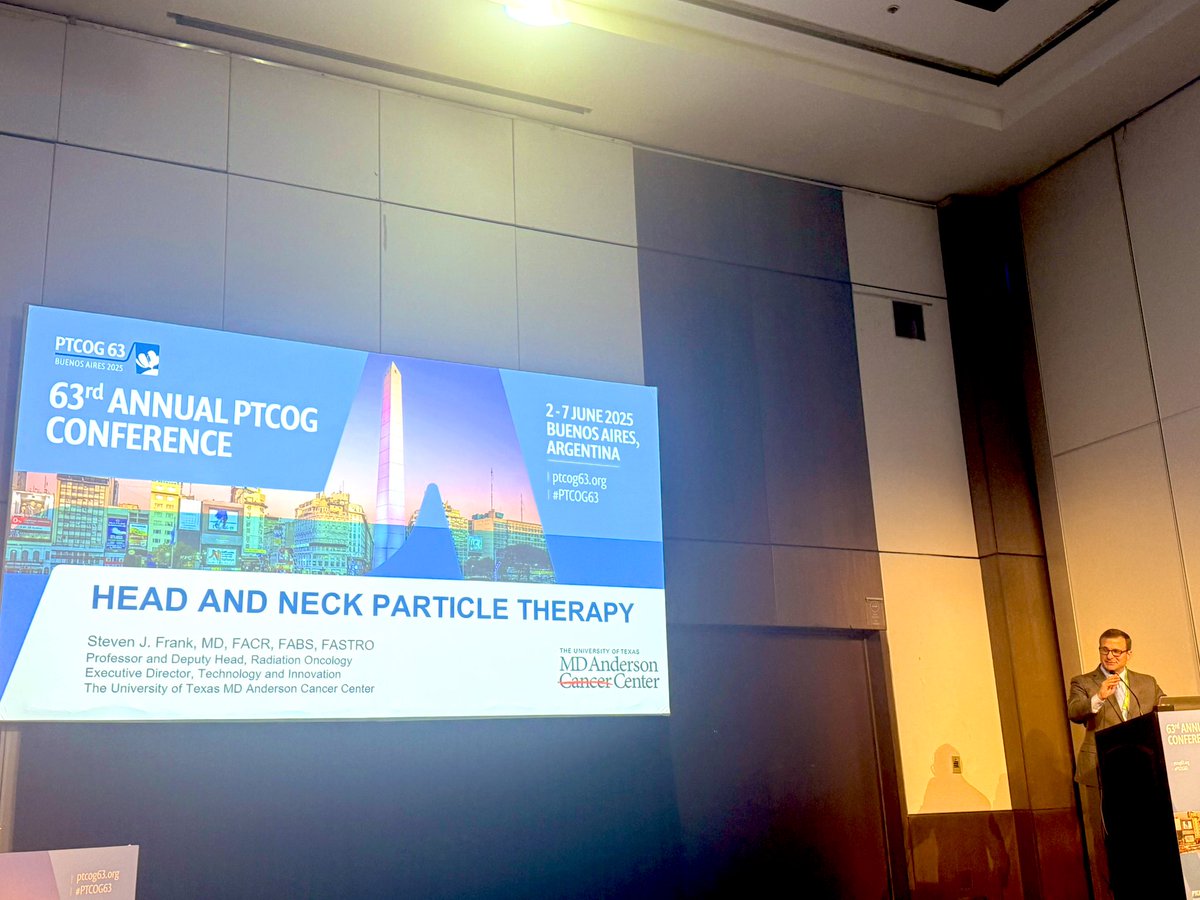
Practice-changing data from Dr. Steven Frank @SJFrankMD at #PTCOG63 on head & neck proton therapy. Level 1 evidence shows improved survival, reduced G-tube dependence, and favorable cost-effectiveness vs IMRT. A new standard is taking shape. @PTCOG_Official@MDAndersonNews
Melanoma Among Adult Survivors of Childhood Cancer: A Report From the Childhood Cancer Survivor Study out on JCO
https://t.co/HkwLriy7ah
This study investigated the incidence, risk factors, and outcomes of melanoma as a subsequent malignant neoplasm among childhood cancer survivors in the Childhood Cancer Survivor Study cohort. Among 25,716 participants, 177 melanomas developed in 160 survivors, with a 40-year cumulative incidence of 1.1%. Childhood cancer survivors had more than double the risk of developing invasive melanoma compared to the general population (SIR 2.0). Key risk factors included high-dose radiation (≥40 Gy), cyclophosphamide (≥20,000 mg/m²), and bleomycin exposure, all significantly associated with increased melanoma risk. Survivors who developed invasive melanoma faced over twice the risk of death (HR 2.4). These findings highlight the need for ongoing surveillance and risk management for melanoma in this population.
@SethRotz@DrRebeccaHowel1@JamesBatesMD
The HNCIG currently holds its annual meeting in #Athens. With about 60 members attending in person and over 200 participants following the meeting online, it is a great achievement for the HNCIG. We have a lot of fruitful discussions here. Thanks for the great organisation!
Excited to speak about de-escalation in HPV+ oropharyngeal cancer and on late cardiac toxicity all in one meeting @somera_mx - very honored by the invite and the conference venue is truly breathtaking (Huatulco, Oaxaca)
An amazing step forward in a relatively challenging to treat disease space that hasn't seen much progress in a long time. Look forward to seeing more results from this!
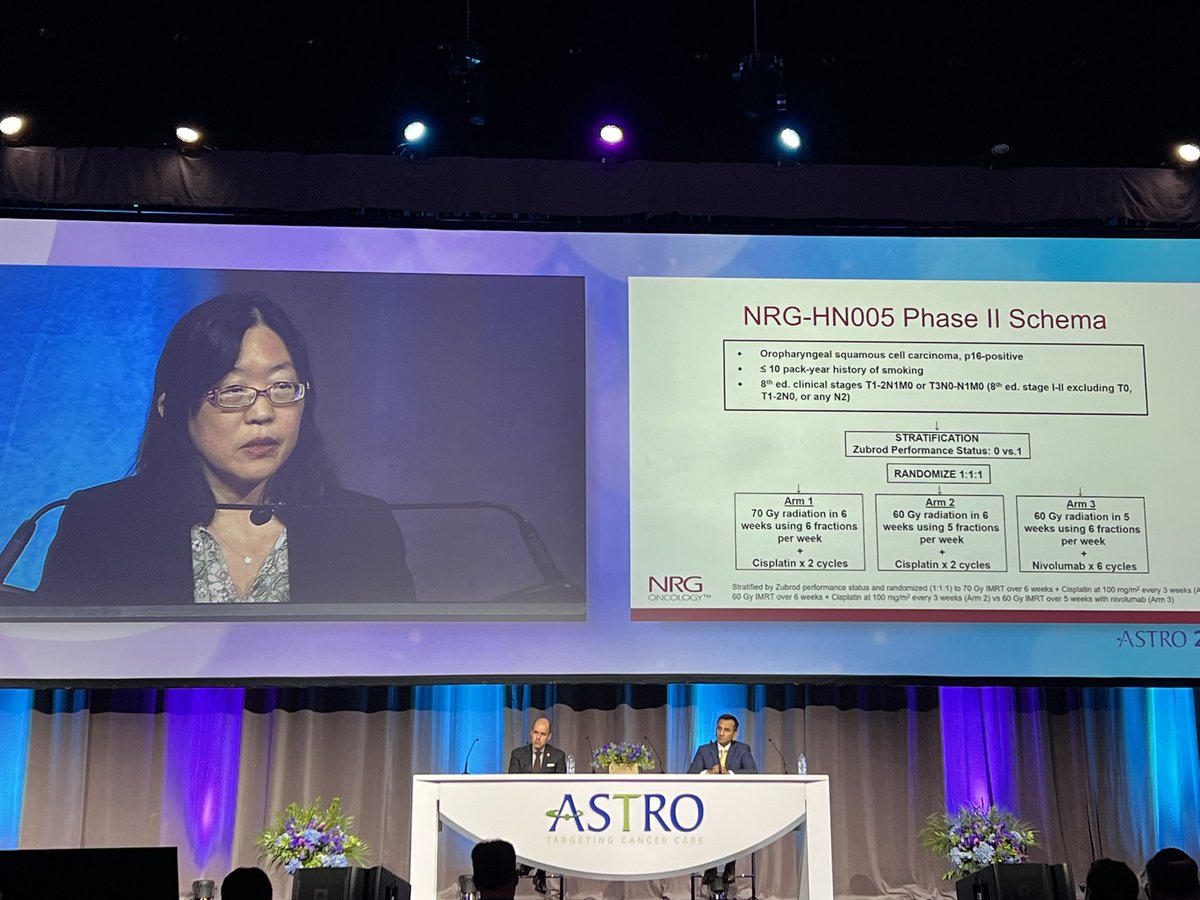
@CJTsaiMDPhD@ASTRO_org@RadMedPM@UofTDRO@pmcancercentre@ScottBratman@CDNCancerTrials This is really exceptional study! The great challenge will be what is “acceptable” de-escalation in this population in light of incredible results of HN005 70Gy + cis arm. And given failure of so many other de-escalation strategies, RCT needed before SOC - but now is time!
Thrilled to announce that I have received a K08 through the @theNCI to further investigate 3D scanning and augmented reality in surgical oncology. Thank you to @VanderbiltENT @VUMC_Cancer @ViseVanderbilt and primary mentor @EbenRosenthal for the support. Time to get to work!
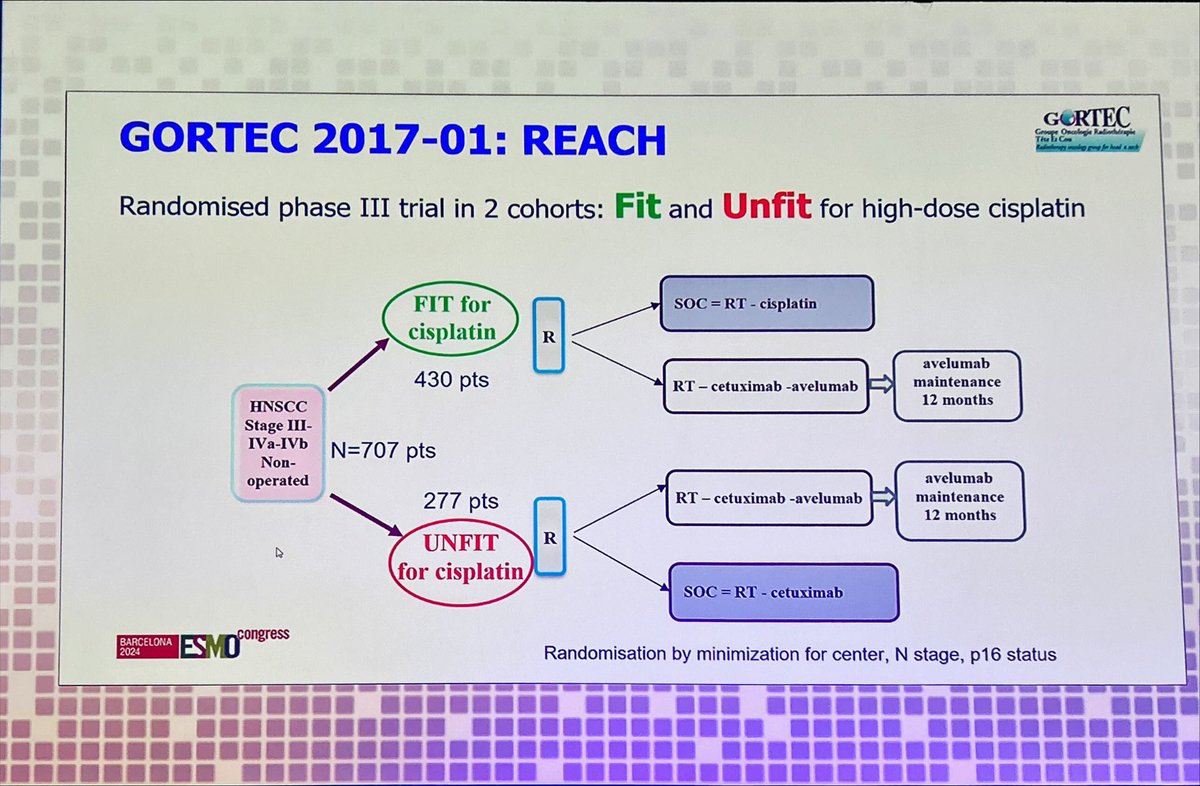
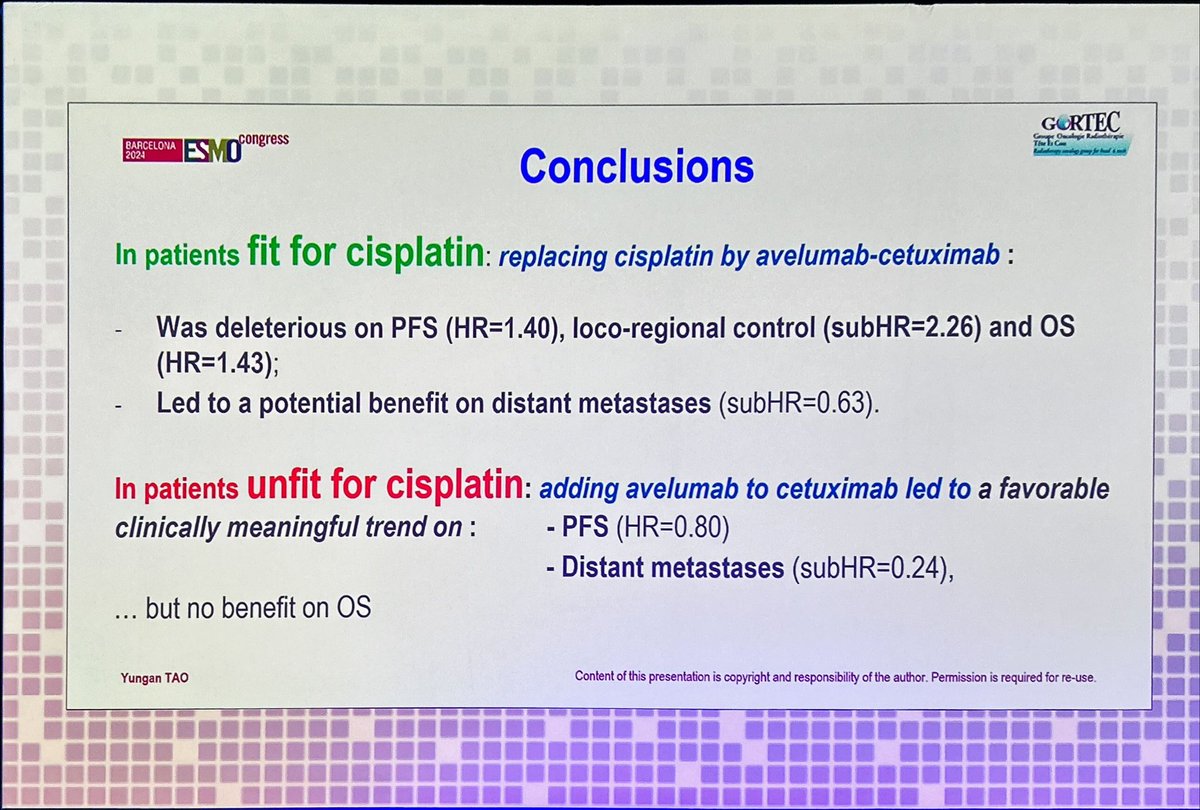
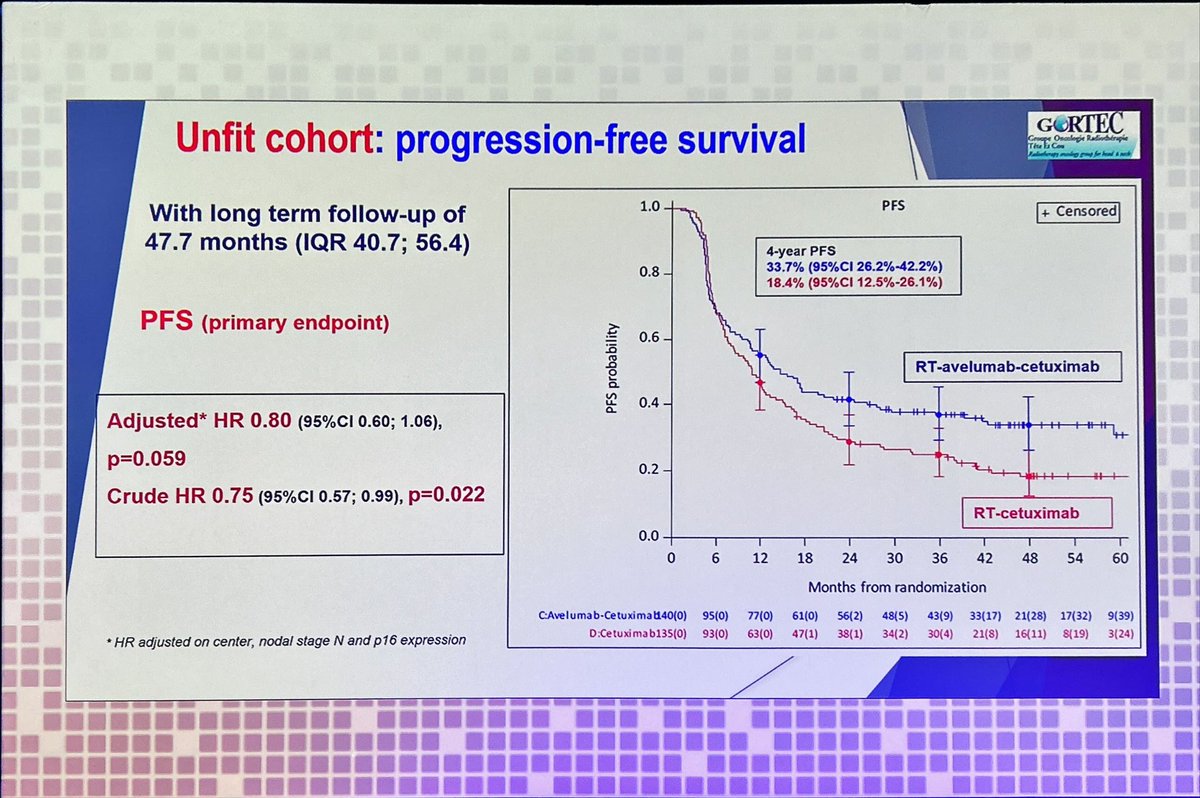
Congrats to my friend @YG_TAO & GORTEC for this huge trial of IO in LA HNSCC
Avelumab-cetuximab inferior to cisplatin CRT in fit patients but superior to cetuximab-RT for PFS in cisplatin ineligible population.
#ESMO2024
🚨New Book on Low-Dose Radiation for Painful Musculoskeletal Conditions🚨 Free Download Now Available
Over the past year, there has been a remarkable surge of interest in using low-dose radiotherapy to treat painful musculoskeletal conditions like osteoarthritis, plantar fasciitis, tendonitis, and bursitis. Many have inquired about how to initiate a program, secure institutional backing, leverage social media for promotion, and explore the supporting literature for these treatments.
This interest inspired Dr. Richard Shaffer and me to author a book designed to assist radiation oncologists and administrators in launching such programs. The book will serve as an excellent supplement to a structured training program.
❇️ The book is now available. Click on the link below to download 👇
❇️ All I request is for you to hit the repost button below so this can reach as many radiation oncologists as possible 👇
#radonc
https://t.co/94CmCh6BDL
And great editorial commentary by @gwalls89 and @Al_McWilliam
https://t.co/HIBFiPMWvG
Thank you for the insightful discussion of our work and the state of the field!
We are indeed “past the point of no return” for mean heart dose…
@CSCancerCenter @CedarsSinai @SmidtHeart