Fast Fourier Transform Enables Automated Parametrization of Complex Dihedral Potentials in All-Atom and Coarse-Grained Force Fields | Journal of Chemical Information and Modeling https://t.co/UmLoJ8Ucut
Mechanosensory channels mediate ER Ca2+ transients to trigger assembly of autophagosome initiation sites for degradation of ER subdomains https://t.co/nLCBchgcWA
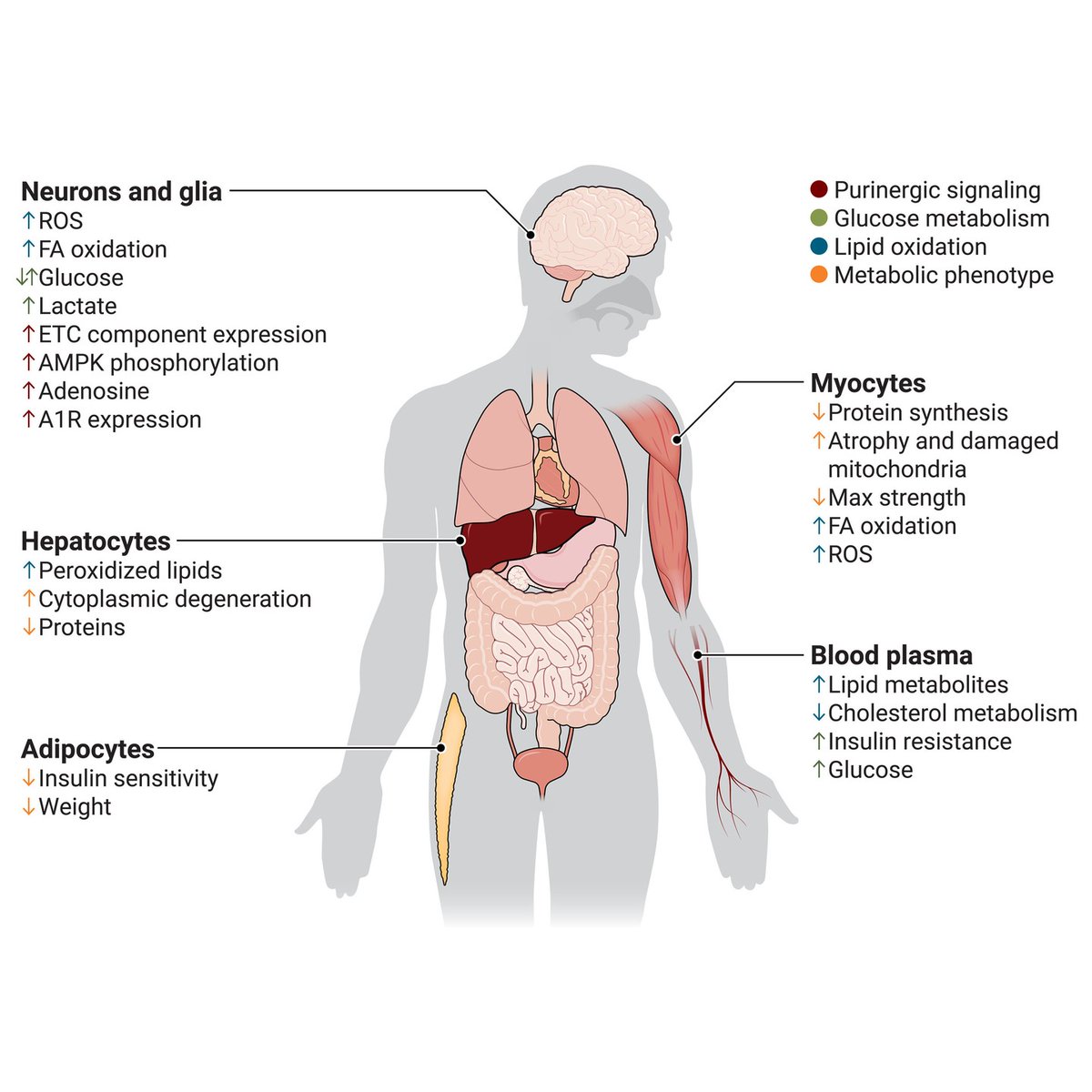
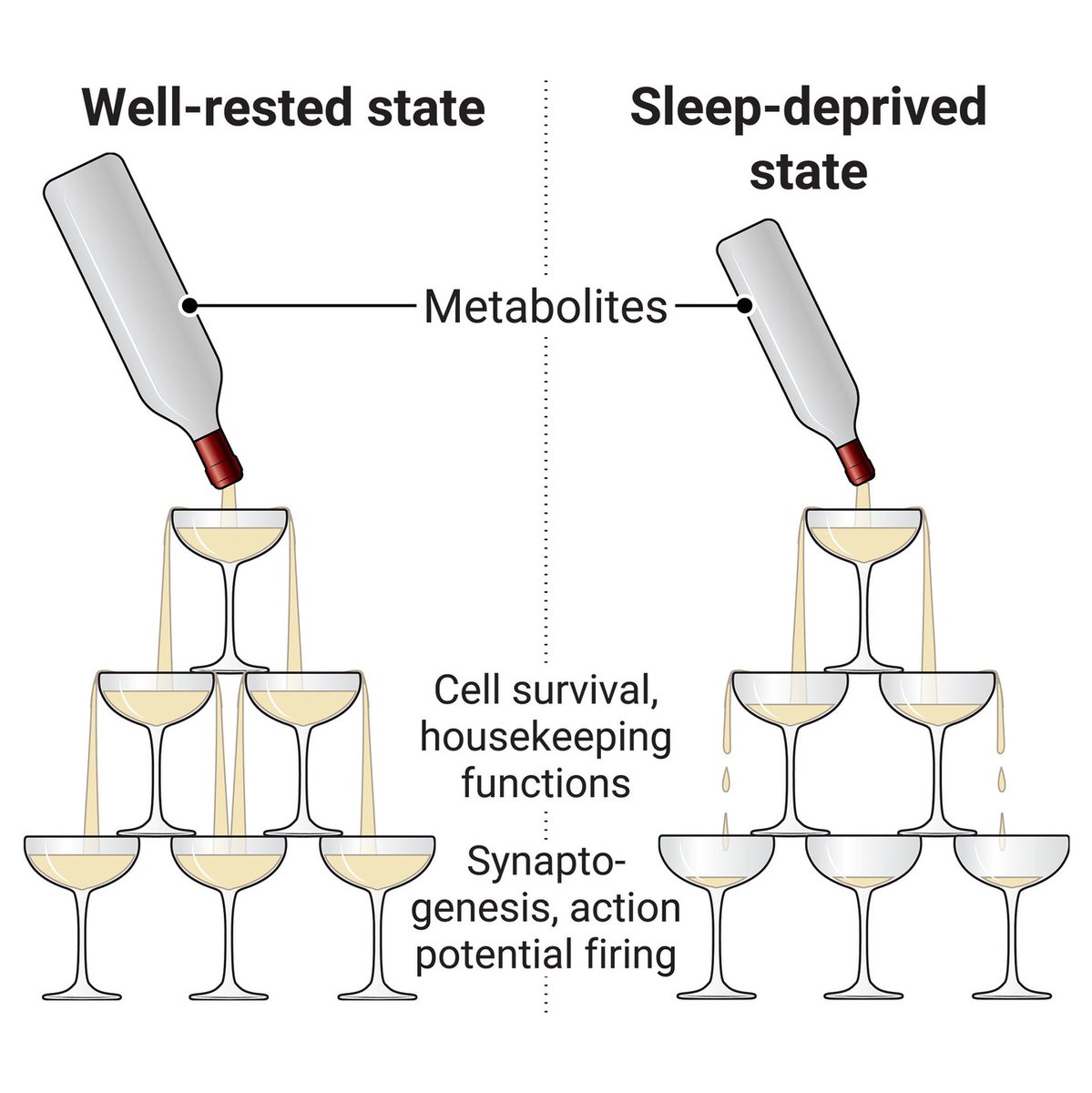
In a 2025 @SciSignal Review, researchers discussed an emerging body of research on the metabolic effects of sleep loss, which disrupts the natural balance of energy within neurons.
The authors highlighted how the loss of sleep forces neurons to shunt resources to cell survival pathways, at the expense of more long-term, energy-demanding processes such as cognition and memory formation.
Learn more on #WorldSleepDay: https://t.co/L5u4AQ5ytL
Very impressive @CellCellPress paper.
Authors simulated the full life cycle of a living minimal cell in 4D, integrating gene expression, metabolism, chromosome dynamics, growth, and division in one model.
The system is JCVI-syn3A, a synthetic minimal bacterium with 493 genes. The simulation covers roughly 105 minutes of biology across the full cell cycle and required:
• 4 to 6 days of GPU compute per replicate
• about 250 GPU hours per cell
• around 15.000 GPU hours to analyze 50 cells
To me, the real message is not only the technical milestone. It is how hard even the simplest biology already is.
If this is the effort needed for a minimal cell, it becomes clear why virtual human biology will not come from mechanistic simulation alone. Human cells are far more complex, and more importantly, they live in tissues, interact with neighbors, and continuously respond to context.
That is why the future will be hybrid: mechanistic models to provide interpretable structure and biological grounding, combined with AI models that can learn complexity from large scale perturbation and spatial data.
A very important milestone for systems biology and digital biology.
https://t.co/XhX1h7hEGI
In a new Science study, researchers introduce DrugCLIP, a contrastive learning framework that virtually screens small molecules and protein pockets, analyzing protein-ligand interactions 10 million times faster than most standard molecular docking approaches. https://t.co/zr0CdXAaug
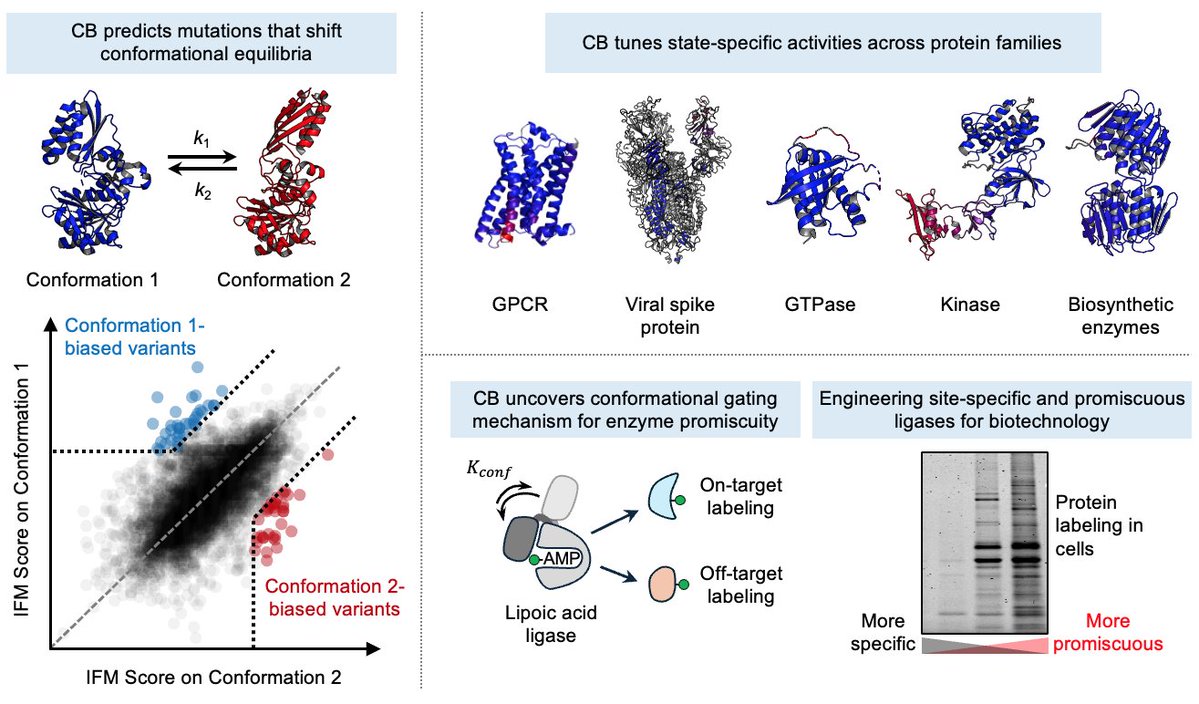
Can we design mutations that predictably bias proteins towards desired conformational states?
Today in @ScienceMagazine, we introduce Conformational Biasing (CB), a simple and scalable computational method that uses contrastive scoring by inverse folding models to identify conformation-biasing mutations.
https://t.co/lbWzHNdMRJ
AI investment is booming, but what about understanding human intelligence? 15% of the NIH grants cancelled this year are in #Neuroscience. Over $323 million lost. The image below is from a 94 Y.O donor, part of a project to understand the 'superager brain' that lost its funding.
The fireworks in your mind. 🧠✨ This sparkling video shows the neurotransmitter glutamate being released into synapses, made possible by an indicator developed by @abhi_aggarwal1, @PodgorskiLab, and team.
#HappyNewYear#NYE
Every biological process depends on interactions between proteins. With AlphaProteo, @GoogleDeepMind's first AI system for designing novel protein binders, we can accelerate research in drug development and disease understanding.
More: https://t.co/ukXFUdksAk
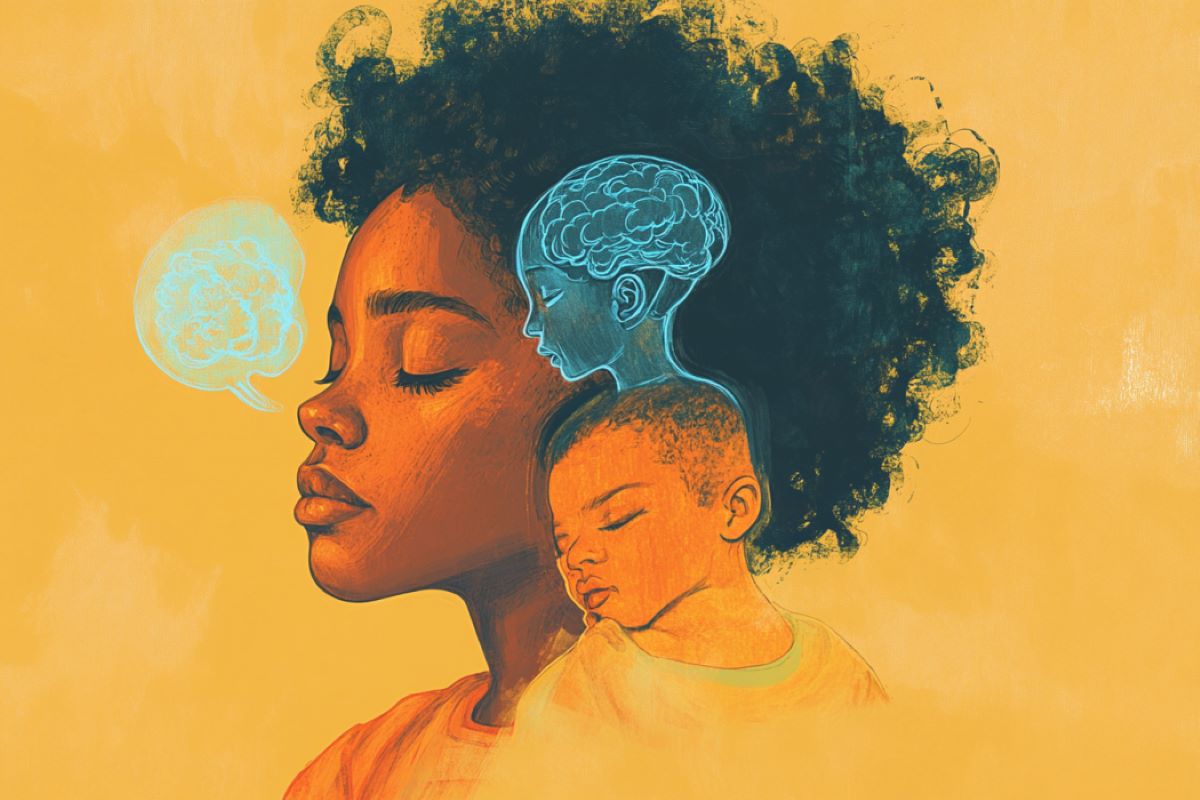
Adults Learn Skills Faster, but Kids Retain Them Better With Sleep
A new study challenges the idea that children learn motor skills faster than adults, finding that young adults are actually quicker to acquire new skills.
The research revealed that although teenagers and young adults learn faster, children retain these skills better, particularly when sleep is involved.
During the study, 132 participants across four age groups were tested on a computer-based motor task.
While adults showed quicker improvements during training, younger children displayed better skill retention after a night of sleep.
The findings suggest that age impacts not only learning speed but also memory retention processes, potentially due to developmental differences in the nervous system.
Check out our latest collaboration in @ScienceMagazine Magazine with @tinakim_neuro's lab, where we re-activate psychedelic-responsive neurons to induce an anxiolytic effect without a head-twitch response.
https://t.co/gBbttZfuub
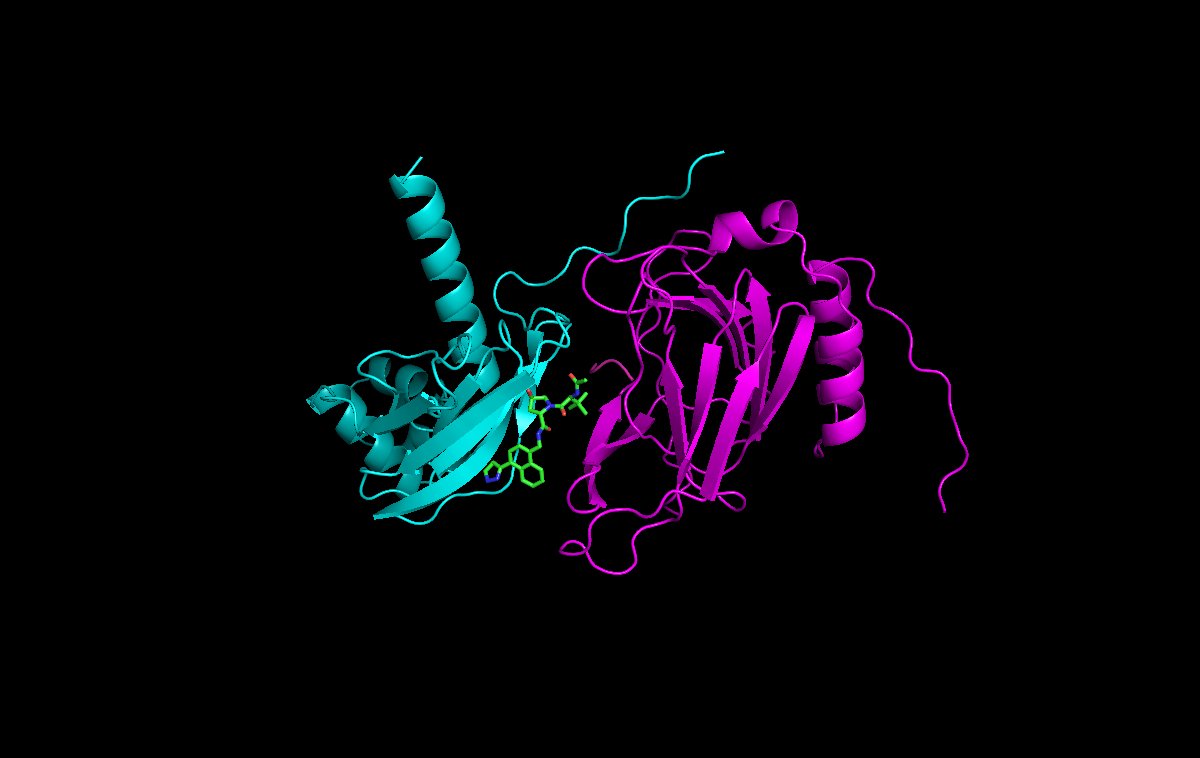
Chai1 (open source version of AlphaFold3) installed in 5 mins and generates preds for this protein-protein + mol glue complex in 2 mins on a 3090. amazing.
Did you know there are more than bilayer #membranes in nature? Meet the #archaeal monolayer and its surprising mechanical properties! New #preprint! (1/7)