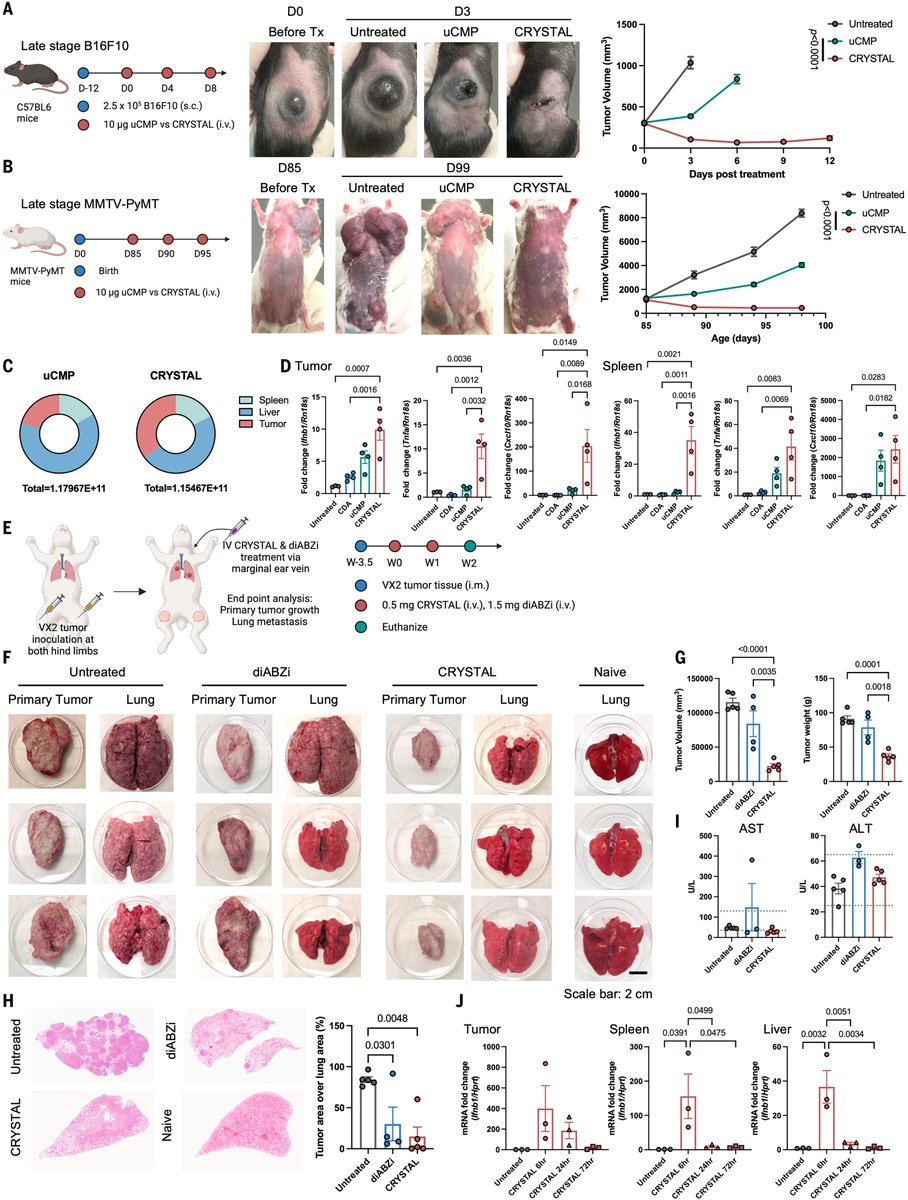
Online now: Taxane chemotherapy promotes response to TIM-3 checkpoint blockade via STING-mediated ER stress and HMGB1 secretion https://t.co/UTTBzs6Mzt
Thrilled to share our new paper out today in @NatureCancer:
Tumor irradiation promotes antigen dressing of dendritic cells to enhance CAR T cell persistence and efficacy in lung metastases.
A single dose of radiotherapy makes CAR T cells work against extensive metastatic lung cancer — even when the target antigen is also on normal tissues.
https://t.co/4xHTzjNOc8
🧵 (1/14)
Find this exciting work we pre-printed, of using SCRs to engineer user-defined macrophage states! Now, we can fine-tune cytokine signals with SCRs to design macrophage phenotypes. It is my pleasure to be part of this wonderful work!
🚨What if we could reliably program macrophage polarization state?🚨
https://t.co/6qGxuHptQq
Macrophages are highly plastic immune cells that perform critical functions by polarizing into distinct cellular states. The polarization state of macrophages can substantially influences the progression of cancers, infections, and autoimmunity. (1/11)
🚨What if we could reliably program macrophage polarization state?🚨
https://t.co/6qGxuHptQq
Macrophages are highly plastic immune cells that perform critical functions by polarizing into distinct cellular states. The polarization state of macrophages can substantially influences the progression of cancers, infections, and autoimmunity. (1/11)
Solid tumors are often considered "cold"-- meaning there is no inherent inflammation that attracts the "good" immune cells, or such tumors modify their environment to make it inhospitable to our immune cells (that would otherwise eradicate the cancer). We want our tumors "hot" if you please-- as that is correlated with positive outcomes for patients.
Natural killer (NK) cells are considered part of the innate immune system... originally thought of as being singularly targeted to certain foreign antigens from pathogens or cells running amok -- like cancer cells.
In this paper (Horowitz et al of the Sunwoo lab and many others here at Stanford) we show that NK cells can be re-educated in a manner that allows them to enter tumors, make them "hot" and thereby opening an entirely new avenue for cell therapies (as with CAR-T therapy). Let the race begin...
https://t.co/eQKT7TO14O
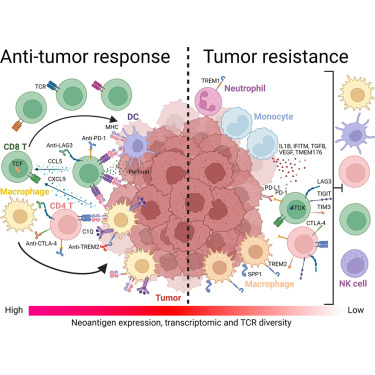
Guillaume’s latest paper went online yesterday @CellRepMed! This research shows that a quad-blockade overcomes immune resistance in colorectal cancer by reprogramming macrophage-T cell crosstalk to induce high rates of tumor clearance. Check it out here: https://t.co/xpneceihJl
1/ Thrilled to share our new paper, out today in @Nature: "Non-invasive profiling of the tumour microenvironment with spatial ecotypes".
Paper (open access): https://t.co/EujZFqU7wi
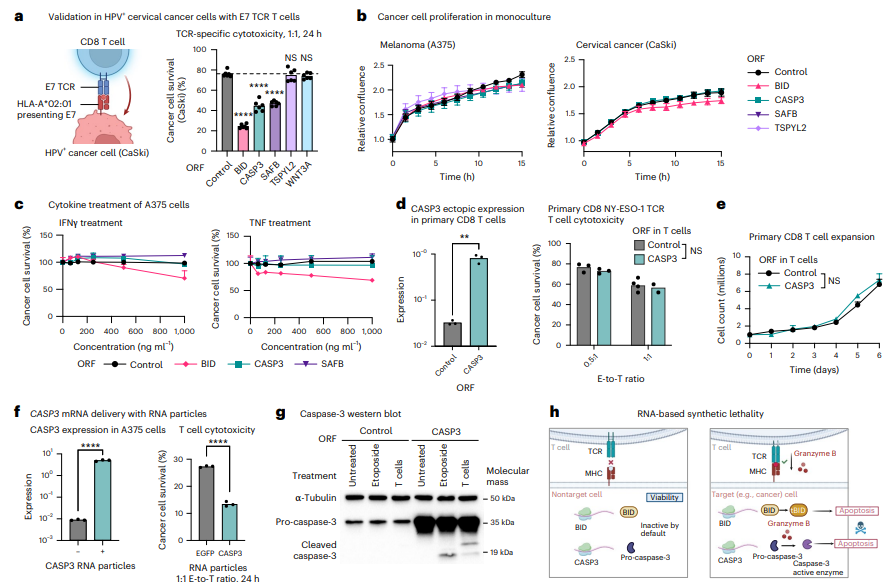
Context-specific gene functions to restore targeted T cell-based elimination of dysfunctional cells via synthetically lethal, RNA-based interventions @NatureGenet@LivnatJerby@Stanford
https://t.co/jbCNBK6ZVO
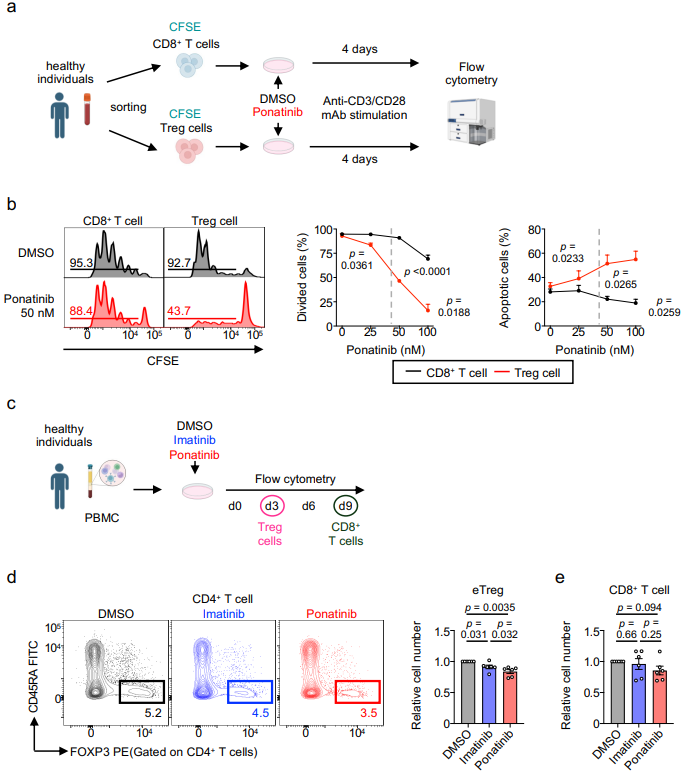
Tyrosine kinase inhibitor Ponatinib inhibits LCK and PI3K signaling to enhance the transcriptional functions of TCF7 and FOXO1, thereby promoting CD8+ TSCM cell differentiation for improved antitumor T cell activity 🇯🇵
https://t.co/jkgGuY5AKM
Radiation is a powerful anti-cancer agent, but I considered it a weak immunomodulator. Our new study @CD_AACR changed my mind: in the right context, RT can incite potent systemic immune responses in patients (even rare irAEs). Which context? https://t.co/9zRrkQZGHD
A 🧵 /1
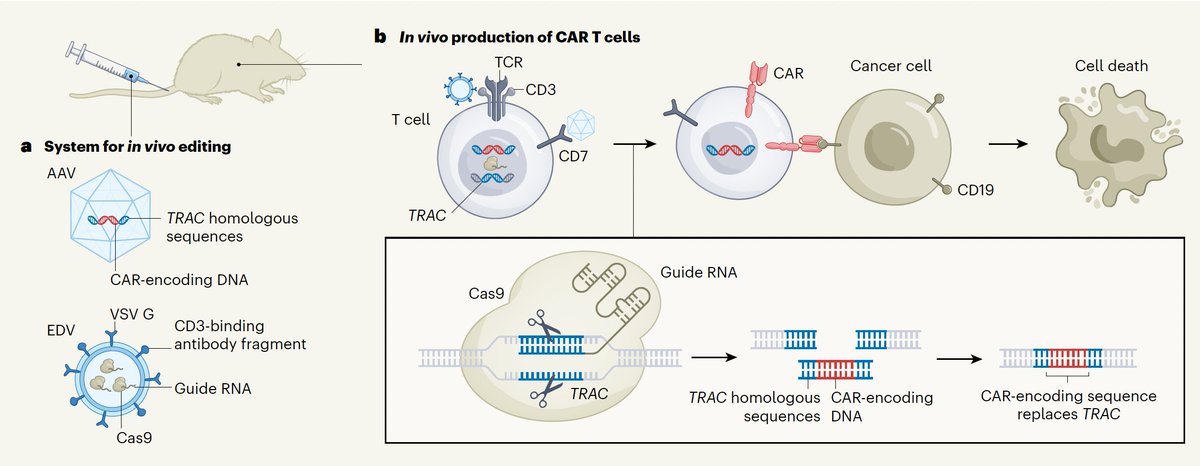
I am so excited to share our new paper in @Nature: the first programmable, site-specific integration of a large DNA payload into T cells in vivo.
A single IV injection results in therapeutic levels of TRAC-targeted CAR T cells in multiple models.
https://t.co/t3pyjHyGWS
a 🧵
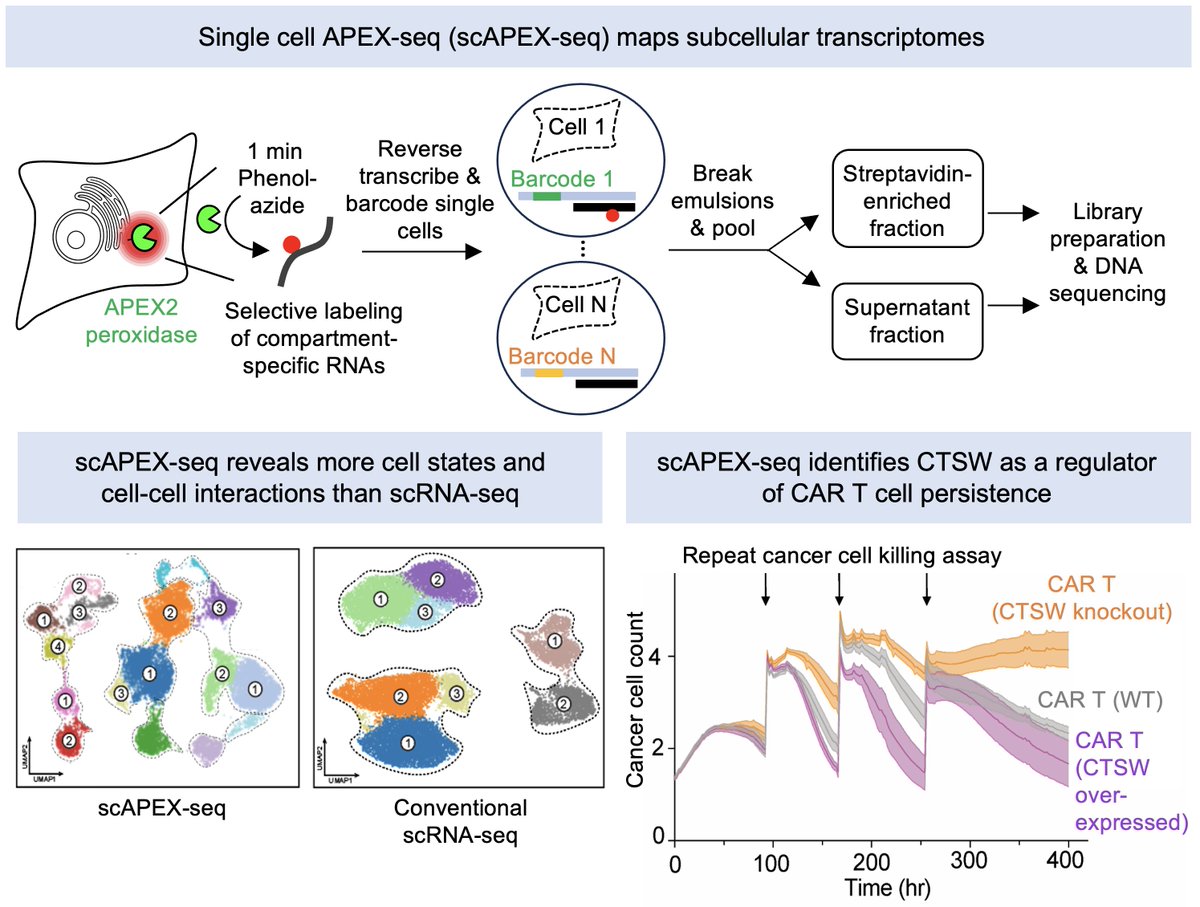
Today we report single-cell APEX-seq (scAPEX-seq) — a new method for unbiased mapping of *subcellular* transcriptomes at single-cell resolution. This approach reveals cell states that are not detectable by standard scRNA-seq, and enabled us to identify regulators of CAR T function that improve solid tumor killing.
https://t.co/iAJUj6jBQ4
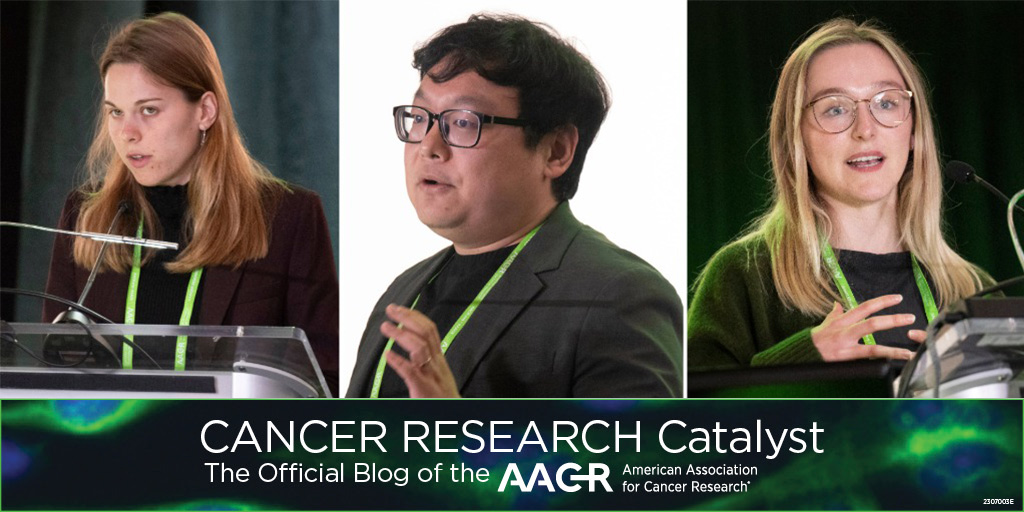
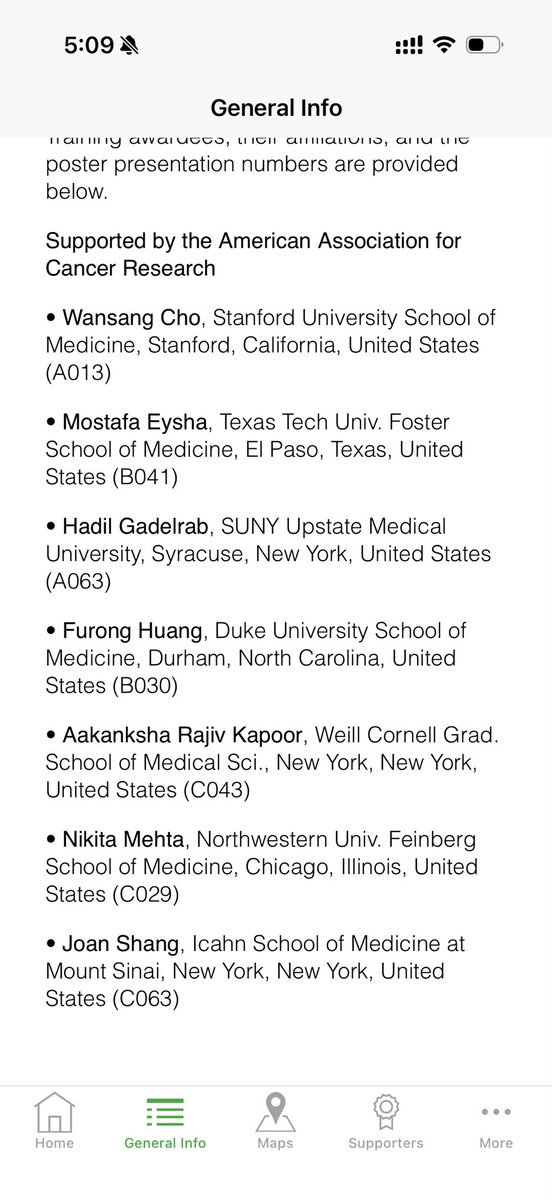
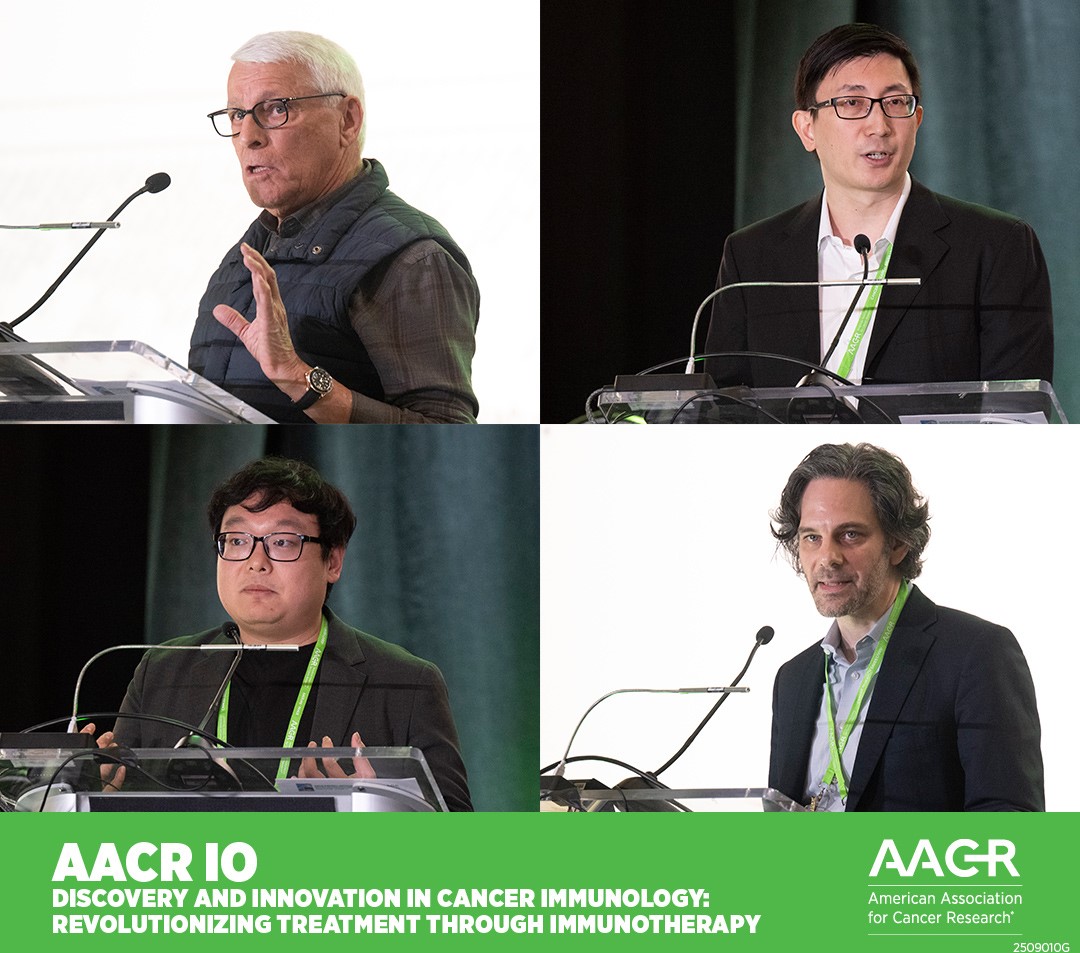
Owen N. Witte, Christopher A. Klebanoff, Wansang Cho, and Yongfeng He discussed "New Breakthroughs in TCR Engineering" in a major symposium at the AACR IO Conference on Discovery and Innovation in Cancer Immunology. #AACRIO26@KlebanoffLab