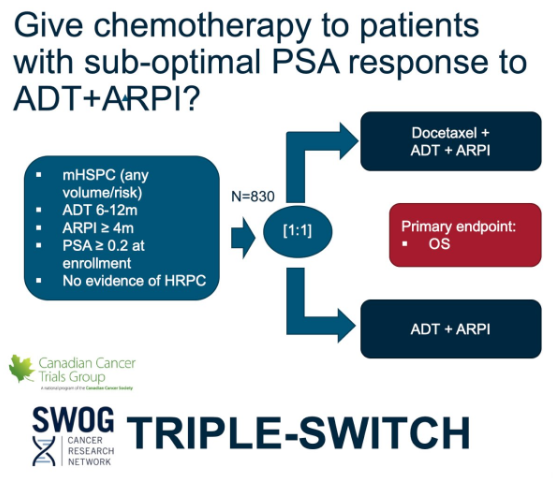
⭐ How to treat older patients with high-risk and locally advanced prostate cancer
@OncoAlert@APCCC_Lugano#APCCC26@Silke_Gillessen@AOmlin
Presented by @DrRanaMcKay
🔹 Beautiful, clear and highly practical presentation — a key topic in daily clinical care
🔹 Focus:
Personalizing treatment in older patients by balancing efficacy, toxicity, comorbidities and quality of life
🔹 Key insights:
• Chronological age ≠ biological age → frailty assessment is essential
• Geriatric tools (e.g. G8) help identify patients needing deeper evaluation
• Treatment decisions are multidimensional: local therapy, ADT use, intensity and duration
• RT often better tolerated across age groups vs surgery in selected patients
• ARPI use → increased CV risk, especially in real-world populations
• Optimal ADT duration remains nuanced → benefit vs toxicity trade-off
🔹 Clinical implications:
• Avoid both undertreatment and overtreatment
• Incorporate frailty, comorbidities and patient goals into decisions
• Move toward individualized, biology + patient-centered care
🔹 Take-home:
In older patients, the key is not “less treatment” —
but the right treatment for the right patient
👏 Excellent talk — thank you!
@BertrandTOMBAL@EAntonarakis@DrRanaMcKay@LoebStacy@AarmstrongDuke@DrSpratticus@piet_ost@stefanofanti4@declangmurphy
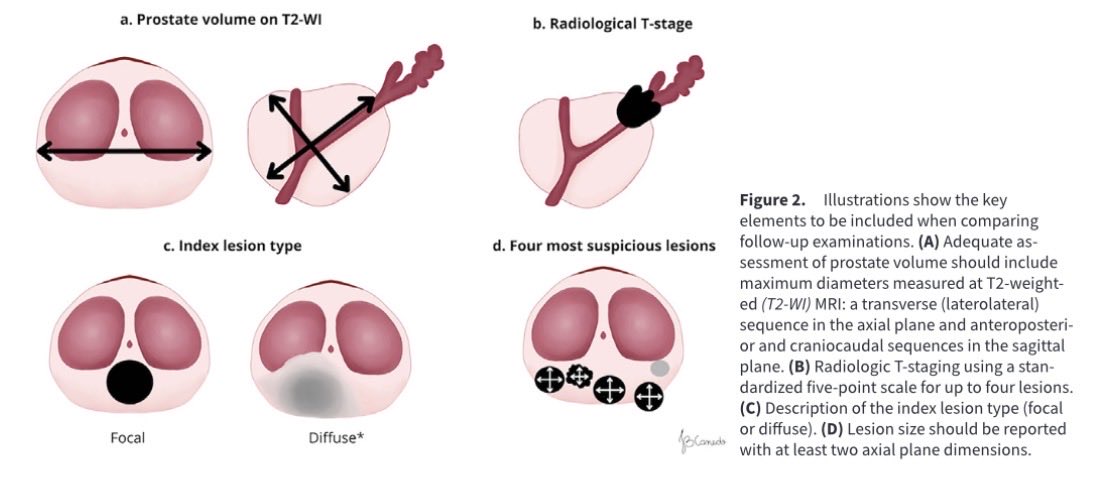
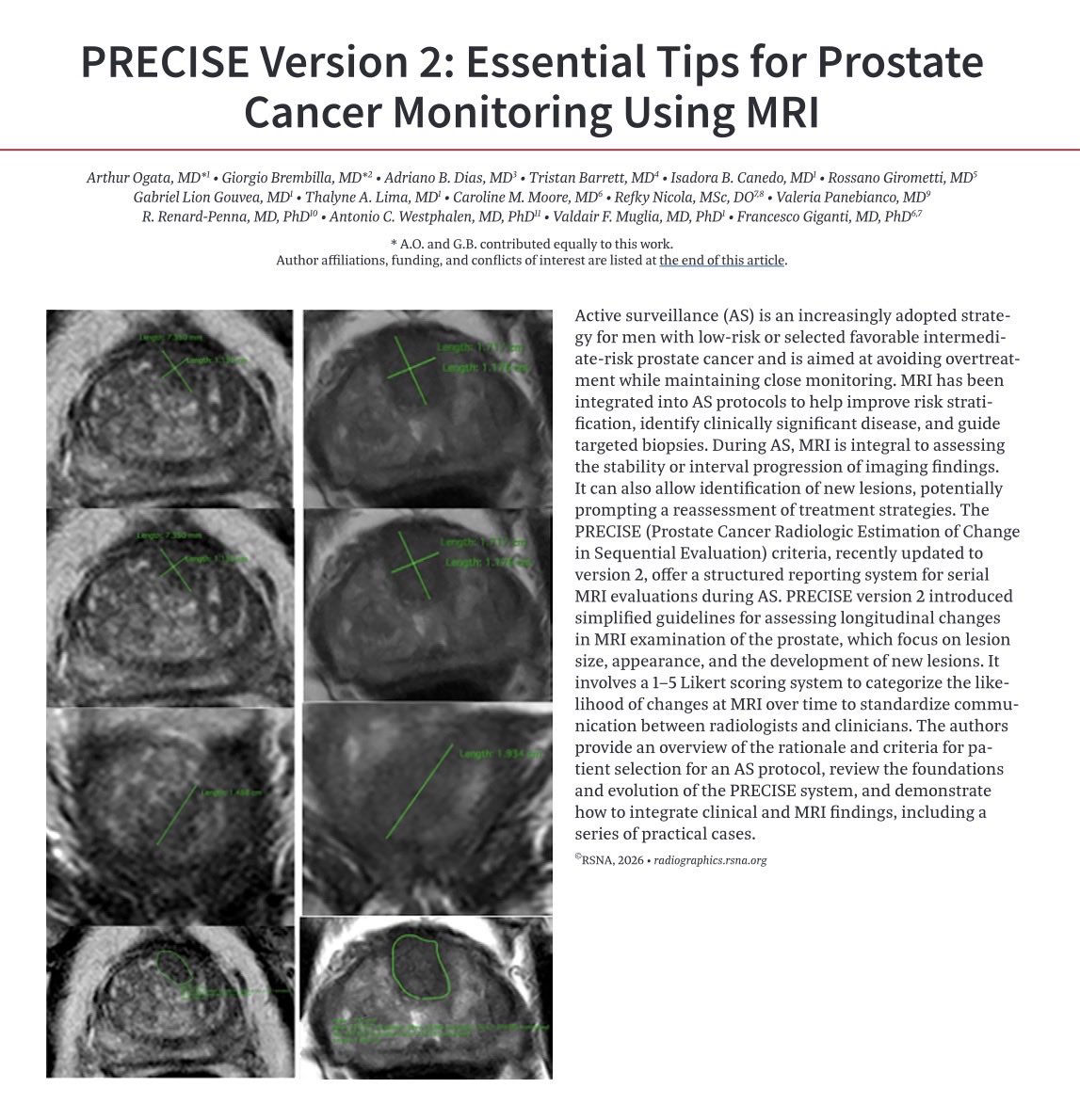
📢 Exciting Read for Radiologists and Urologists🚀
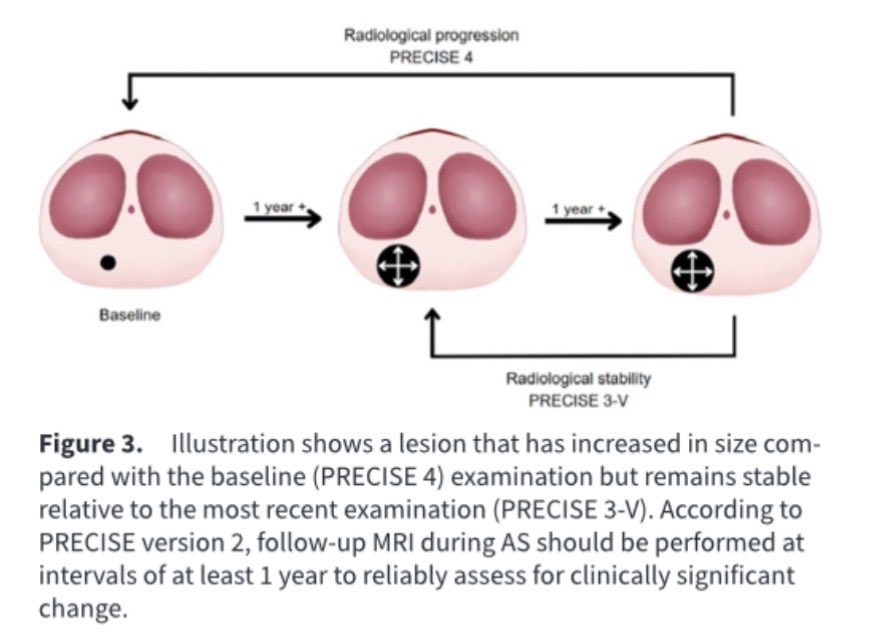
📚Just came across this fantastic educational article in @RadioGraphics “PRECISE Version 2: Essential Tips for Prostate Cancer MRI Reporting”
🔔This paper is a must-read for anyone involved in prostate MRI!
✅It provides clear, practical guidance on using the updated PRECISE v2 system to standardize reporting for patients on active surveillance.
👍Key highlights include refined scoring for assessing disease stability/progression, helpful checklists, case examples, and tips to reduce ambiguity in serial MRI interpretation!
💡Whether you’re a radiologist fine-tuning your reports, a urologist discussing imaging with your patients, or a trainee building your skills — this valuable resource makes complex concepts more approachable and clinically impactful!
🥇Congrats to @giga_fra and the entire team for this nice work!
🔗 Full article: https://t.co/aDDs0diGET
#Radiology #ProstateCancer #MRI #ActiveSurveillance #RadioGraphics
A MUST-READ!
This is probably one of my most important papers where I try to teach how to fish rather than offer fish.
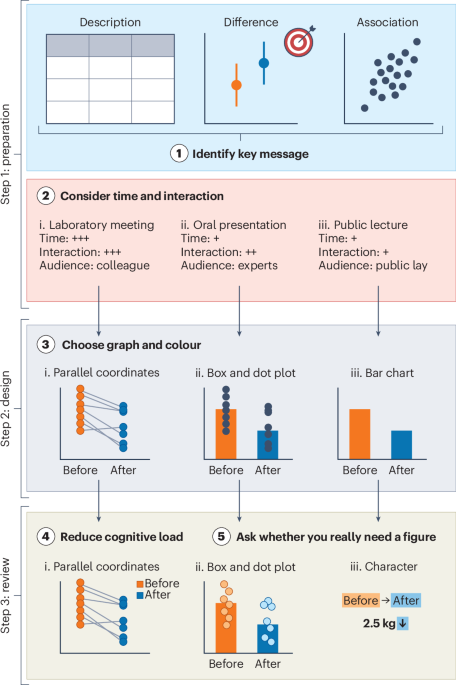
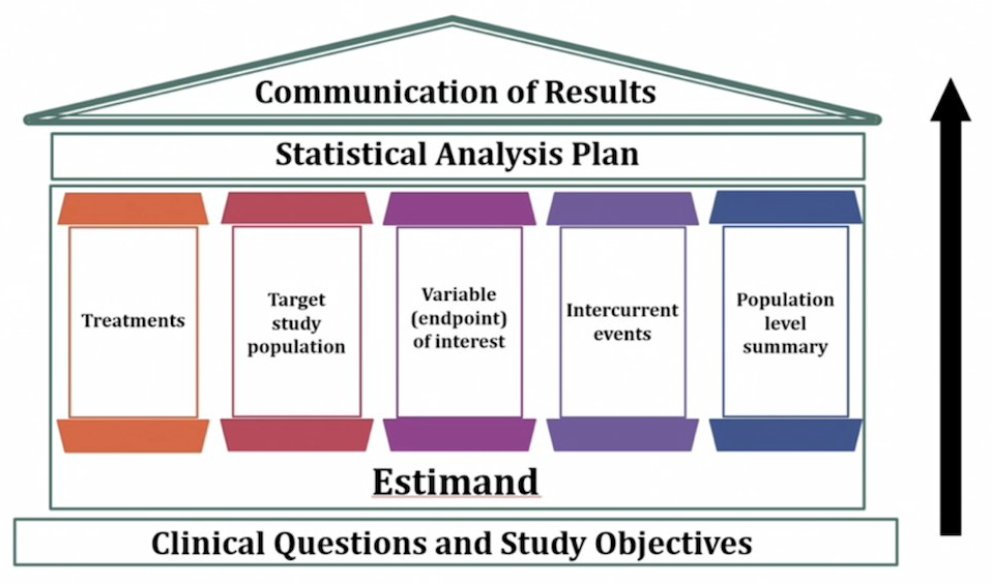
How I Read a Clinical Trial Report?
BG’s primer for Busy Clinicians.
Thank you @JCOOP_ASCO@EthicsdoctorP for the kind invitation. I hope the readers will find this useful.
https://t.co/HJhZlsBpU2
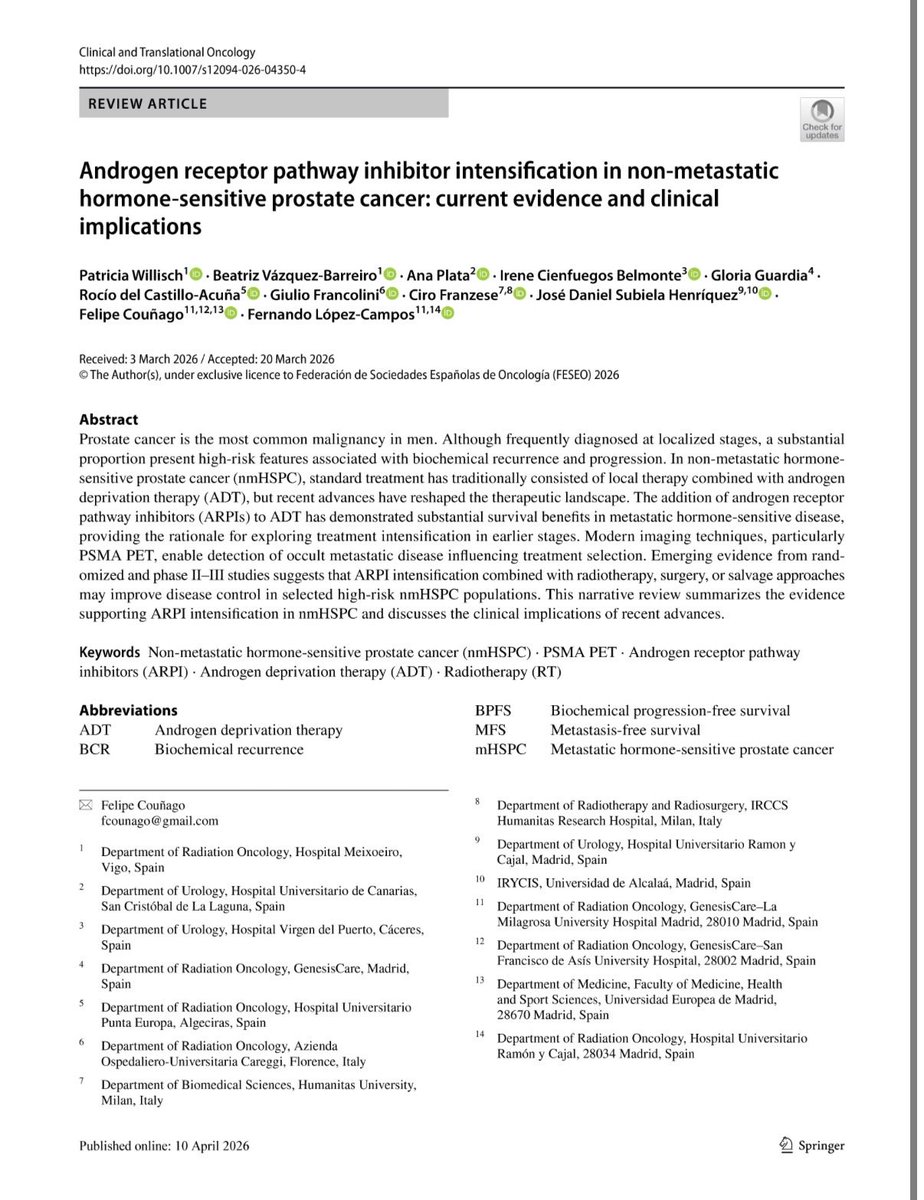
🚀 New paper out!
ARPI intensification in non-metastatic HSPC.
📄 https://t.co/8hNQn8Xi2O
Congrats to all co-authors 👏
Special thanks to Patricia Willisch & Beatriz Vázquez
#ProstateCancer
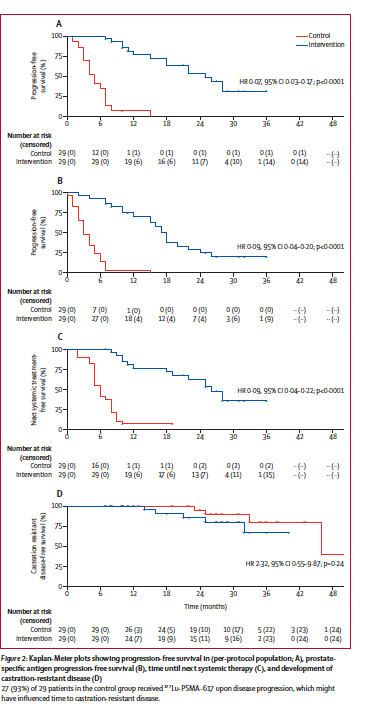
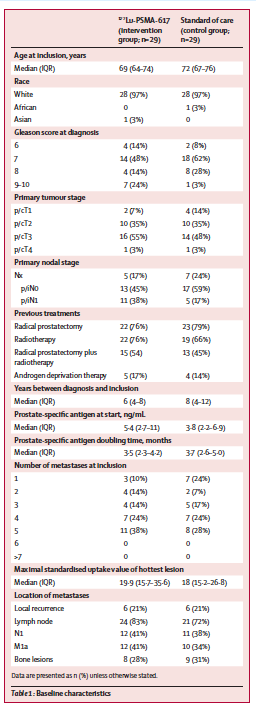
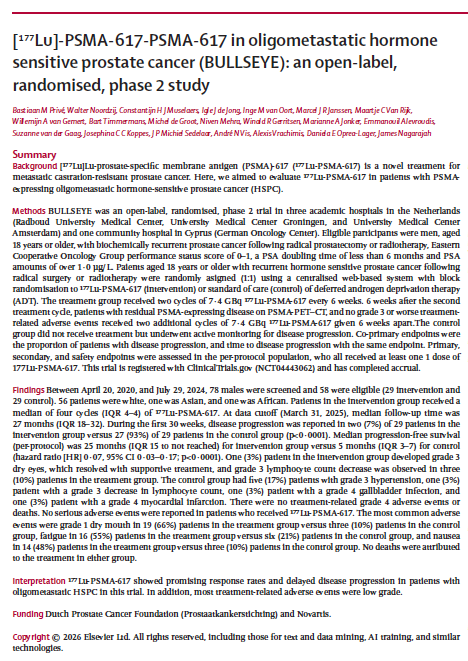
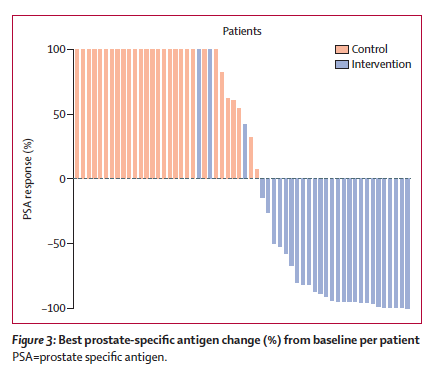
🎯 BULLSEYE trial: ¹⁷⁷Lu-PSMA-617 in oligometastatic hormone-sensitive #prostatecancer:
@TheLancetOncol
📈 Median PFS: 25 months vs just 5 months for deferred ADT
💥 83% had ≥50% PSA drop (24% complete response!)
✅ Well tolerated — HRQoL maintained
⏳ ADT-free survival: 26 months
Could this be a manner to delay hormone therapy? 🤔
@UrologyTimes@urotoday@renalandurology
🔗https://t.co/1GGxFSQ9BO
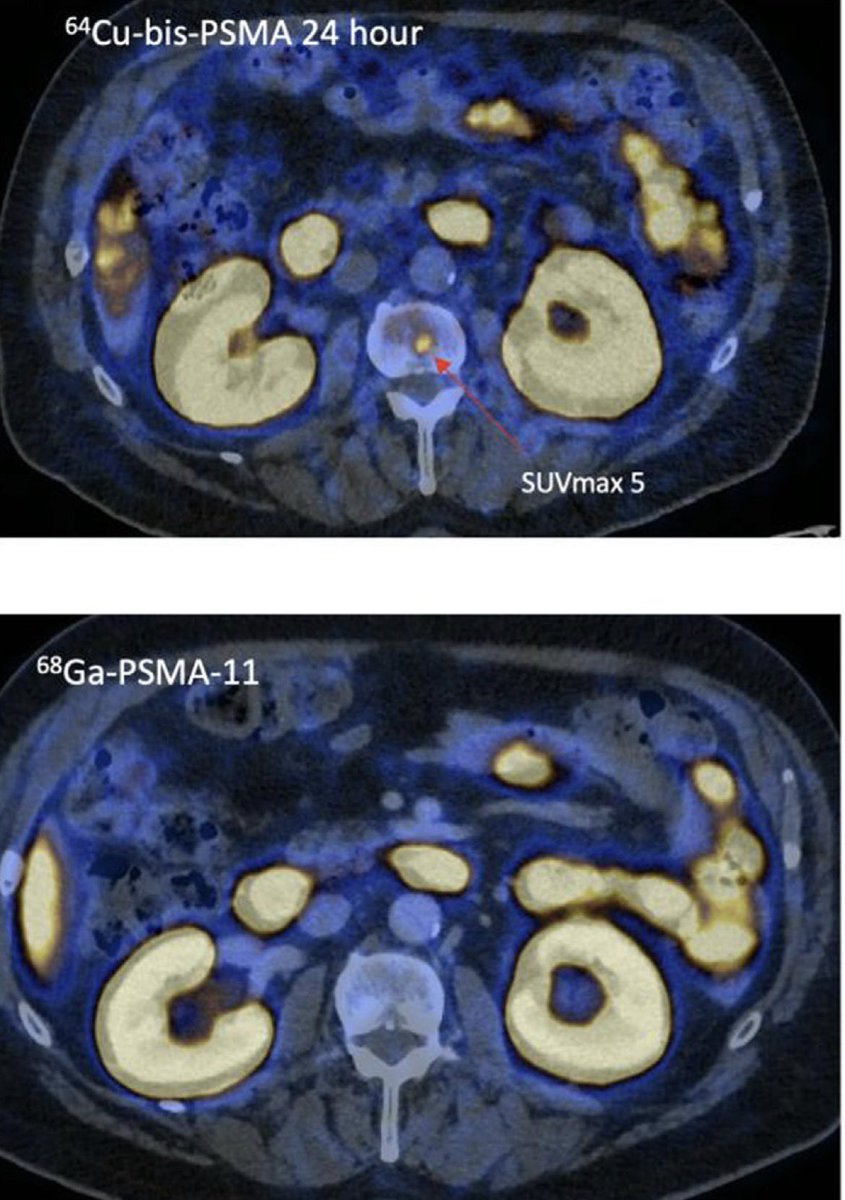
El FIN de la recaída bioquímica.
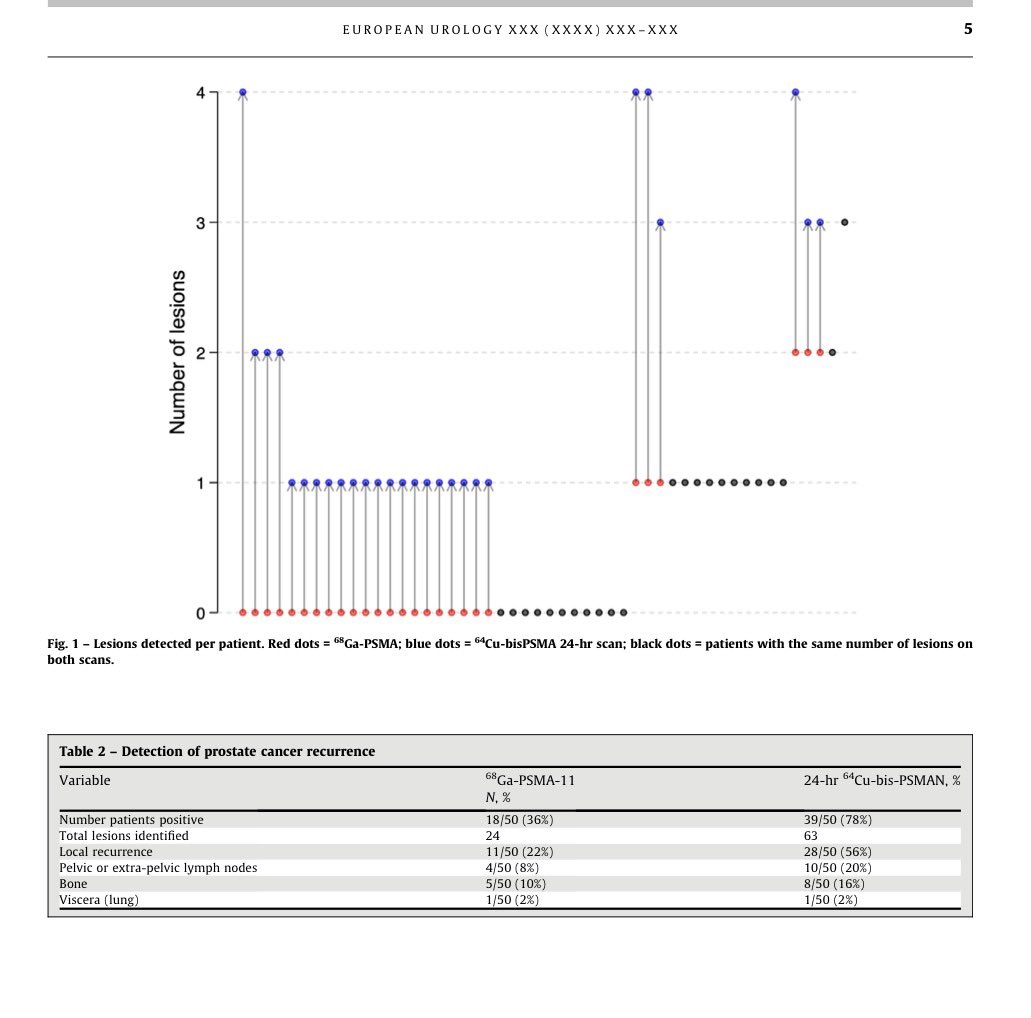
El PET con Cobre detecta más del doble de lesiones que el PET con Galio en la recaída post prostatectomia.
En lugar de hablar de recaída bioquímica podremos detectar el sitio de recurrencia y darle al paciente una nueva oportunidad de rescate.
This month in @actasurologicas https://t.co/RZEYl3IK5r
📊 T1 renal cell carcinoma in Spain 🇪🇸
n=1121 | 30 centres
🔹 Surgery 82.6%
🔹 PN 65% (74.5% in cT1a)
🔹 MIS 92.3%
⚠️ RN still frequent in cT1b → technical complexity & access issues
Analysis of a posterior surgical technique in robotic-assisted radical prostatectomy. @jimhumd@WeillCornell joins @zklaassen_md@GACancerCenter to discuss the PATENTS technique for robotic prostatectomy on UroToday > https://t.co/MQO0MkahHb
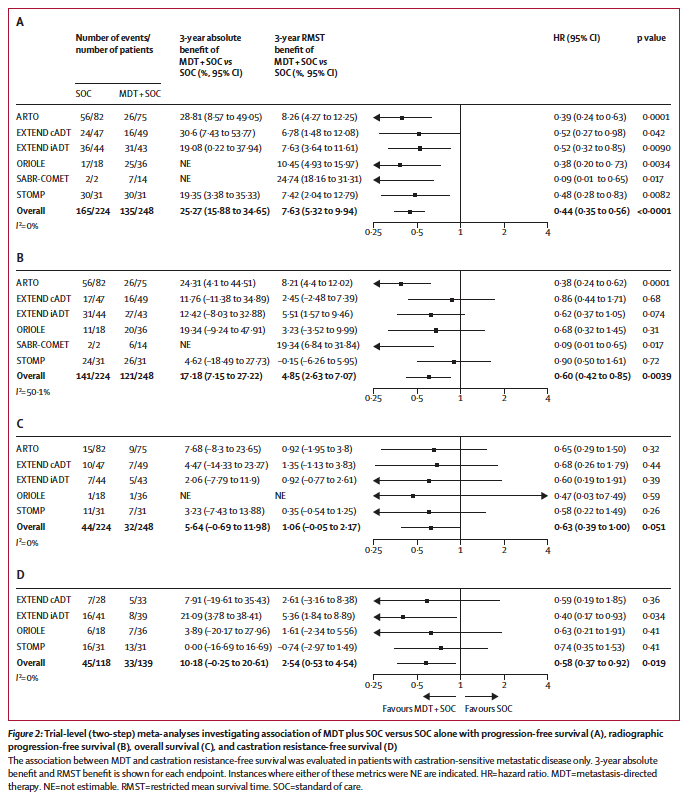
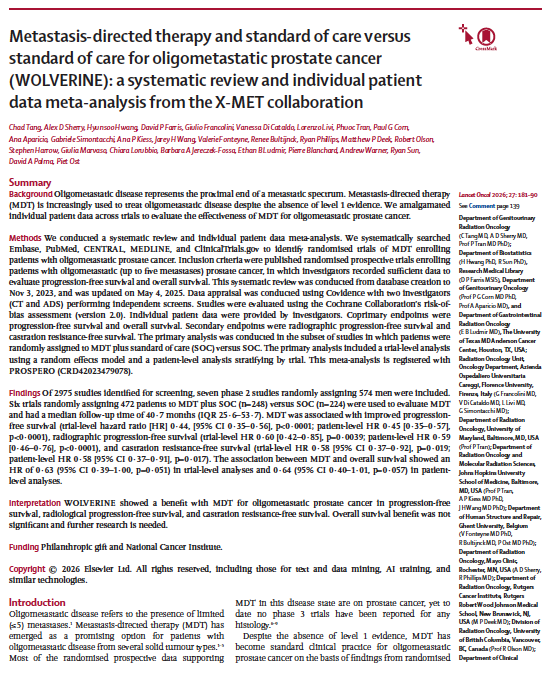
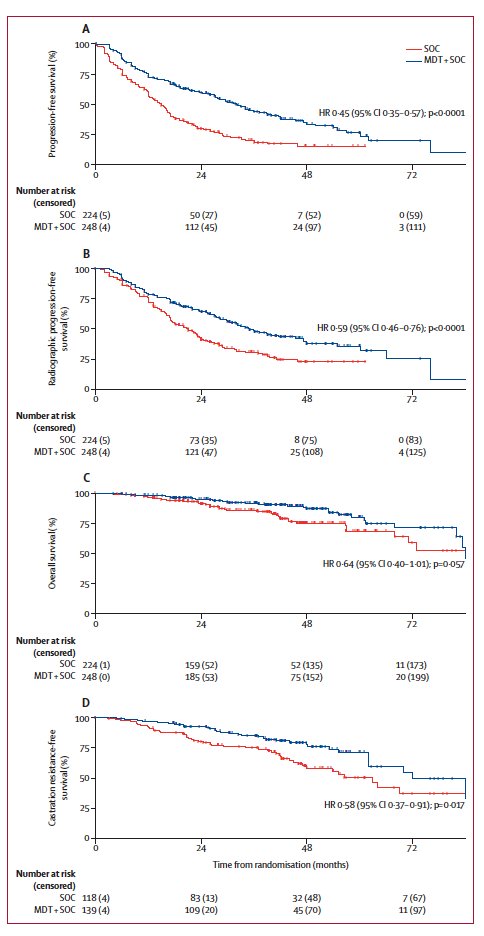
🚀 MDT in oligometastatic #ProstateCancer 🚀
👉WOLVERINE IPD meta-analysis in @TheLancetOncol
🧪 7 randomized trials, 574 pts
📉 MDT → ↓ progression, ↓ radiographic progression, ↓ time to CRPC
🔁 Consistent benefit across SOC (obs, ADT, ARPI)
🛡️ Low toxicity, short treatment courses
⚖️ OS not definitive; but this is the strongest evidence yet to integrate MDT
👏 @ChadTangMD@piet_ost
🔗 to study https://t.co/OtIHw4RGgV
🔗 to editorial https://t.co/aeWi3Wx0ms
@PCFnews@urotoday@UrologyTimes
📃 | El futuro del cribado del cáncer de próstata en Europa 🇪🇺
El cribado del cáncer de próstata está cambiando.
🆕 ¿Qué propone Europa?
Desde 2022, la Unión Europea recomienda avanzar hacia programas organizados de cribado, incorporando por primera vez el cáncer de próstata, basados en riesgo y no en PSA indiscriminado.
🔍 ¿Qué es PRAISE-U?
El proyecto PRAISE-U liderado por la European Association of Urology @Uroweb , desarrolla un modelo de detección precoz inteligente, combinando:
•✅ PSA
•✅ Estratificación de riesgo (calculadoras)
•✅ Resonancia magnética
•❌ Evitando sobrediagnóstico y sobretratamiento
🇪🇸 Experiencia española: Galicia y Manresa
Dos modelos distintos, un mismo objetivo:
✔️ Cribado organizado
✔️ Coordinación entre salud pública, atención primaria y urología
✔️ Equidad, trazabilidad y eficiencia
📌 Resultados clave
•Galicia: 7.000 hombres invitados en <1 año
•Manresa: cribado desde atención primaria con alta accesibilidad
•La RM se consolida como herramienta clave antes de biopsiar
🧠 Mensaje clave
➡️ El debate ya no es “PSA sí o no”
➡️ Es “cómo detectar antes, mejor y solo a quien lo necesita”
Este trabajo demuestra que el cribado poblacional del cáncer de próstata es posible, sostenible y centrado en el riesgo, si hay planificación, tecnología y colaboración entre niveles asistenciales
#PRAISEU #Cribado #CáncerDePróstata #Urología
https://t.co/5xcNG48IzR
@JesusMorenosier@heinvanpoppel@Praiseu_org