Thanks to Professor Nicola Mulder, (@Nicky_Mulder) interim lead of the ABI and a key driver of bioinformatics advancement at the University of Cape Town and in Africa for enthusiastically representing us at the @GA4GH plenary meeting.
#Bioinformatics#WomenInSTEM#ga4ghconnect
Our NIH grant to discover coronavirus antiviral meds was terminated today.
With this grant, we had developed a better SARSCoV2 inhibitor than Paxlovid, and we recently discovered an improved drug that looks better than Pfizer's own second-generation inhibitor.
I am eager to look into this model, but having only skimmed the paper, here are two thoughts:
1. I don't believe any claim of computational design unless you synthesize the DNA, put it in a real cell, and show that the design functions as expected.
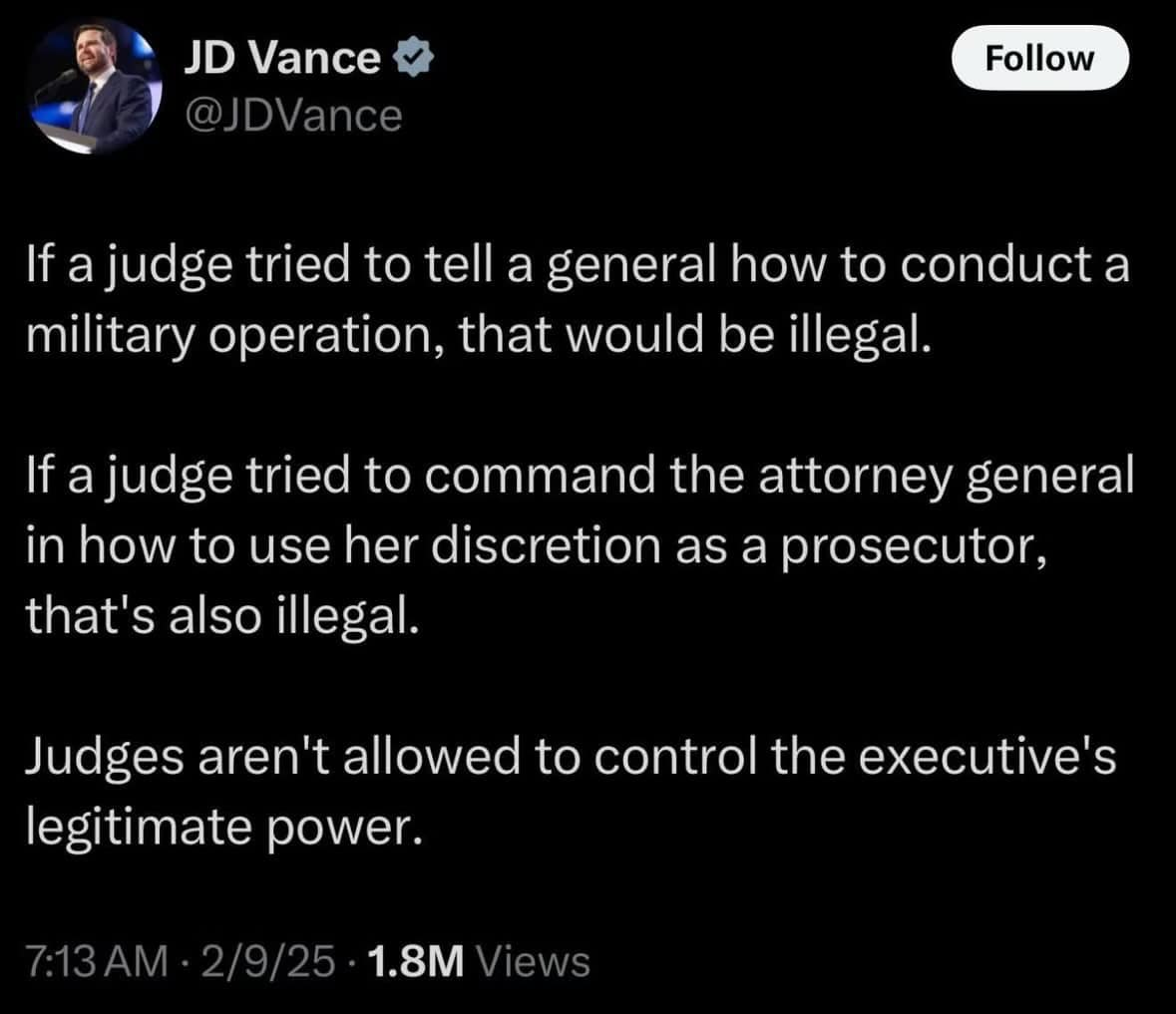
JD Vance is saying the quiet part out loud: the Trump administration intends to break the law.
America is a nation of laws. The courts make sure we follow the laws.
The VP doesn’t control the courts, and the President cannot ignore the Constitution.
No one is above the law.
In response to the federal directive issued on Feb. 7, 2025 to change the Facilities and Administration rate for all existing and ongoing new @NIH research awards, UW–Madison has issued the following statement.
https://t.co/2tJLfF3sq3
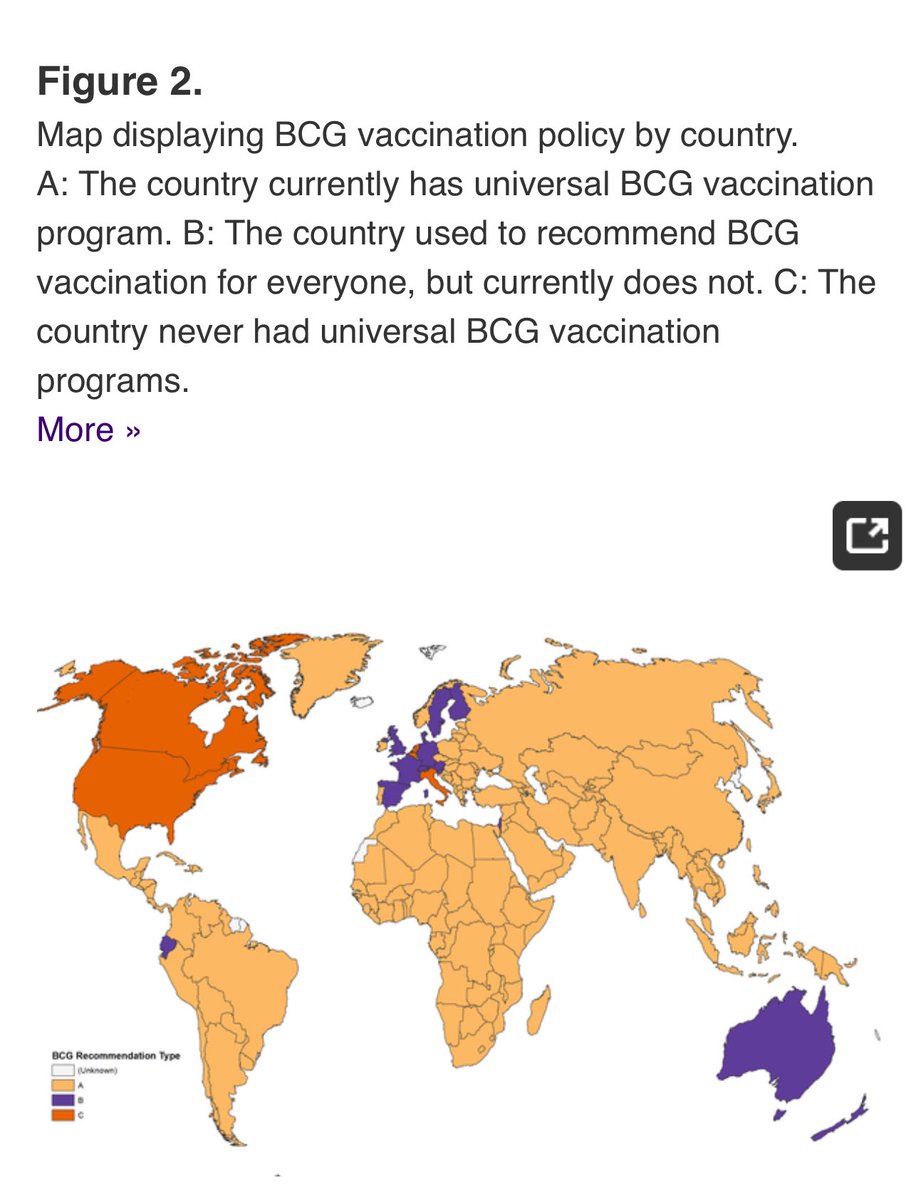
⚠️Do you wonder why you haven’t heard much about this massive TB outbreak recently? Cuz the CDC can’t hold any press conferences or issue public statements of any kind.
➡️Most of the world 🌎 has been vaccinated against TB… but the US has not, which is now extra vulnerable.
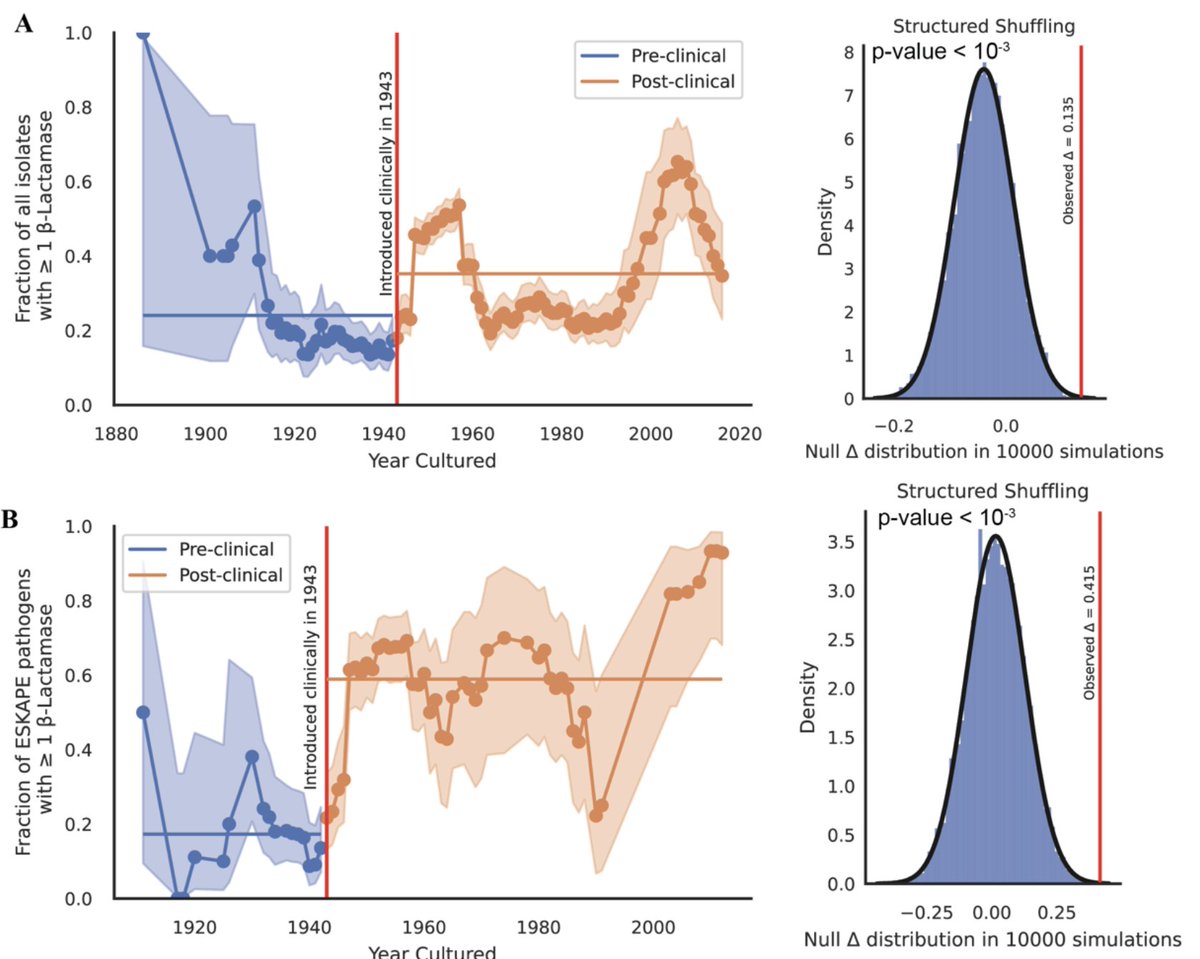
This paper has been a long time coming: We looked at the genomes of historical bacterial samples over a century to look for trends of antibiotic resistance genes, finding multiple instances of them in infections before the age of antibiotics...
New year, new assemblies!
I'm excited to announce Autocycler, my new tool for consensus assembly of long-read bacterial genomes!
It's the successor to Trycycler, designed to be faster and less reliant on user intervention.
Check it out: https://t.co/NksiyESF7u
(1/5)
Core facilities are truly one of the most undervalued assets in an academic institution. They are often treated as also rans, staffed by non tenured faculty with little leeway, and given an exceedingly short runway to become profitable.
In an age of shrinking lab sizes and astronomical maintenance contracts, cores will increasingly become the engines that fuel research. Institutions have to invest in core facilities in order to spur innovation and efficiency, and expect some will be a “loss leader” on revenues, with intangible returns on research productivity.
For those on the job market, getting to know the institutional core facilities and directors should be an indispensable part of the recruitment process. Talk one to one with some of the core directors. How institutions approach core facilities is a huge “tell” on institutional research ethos.
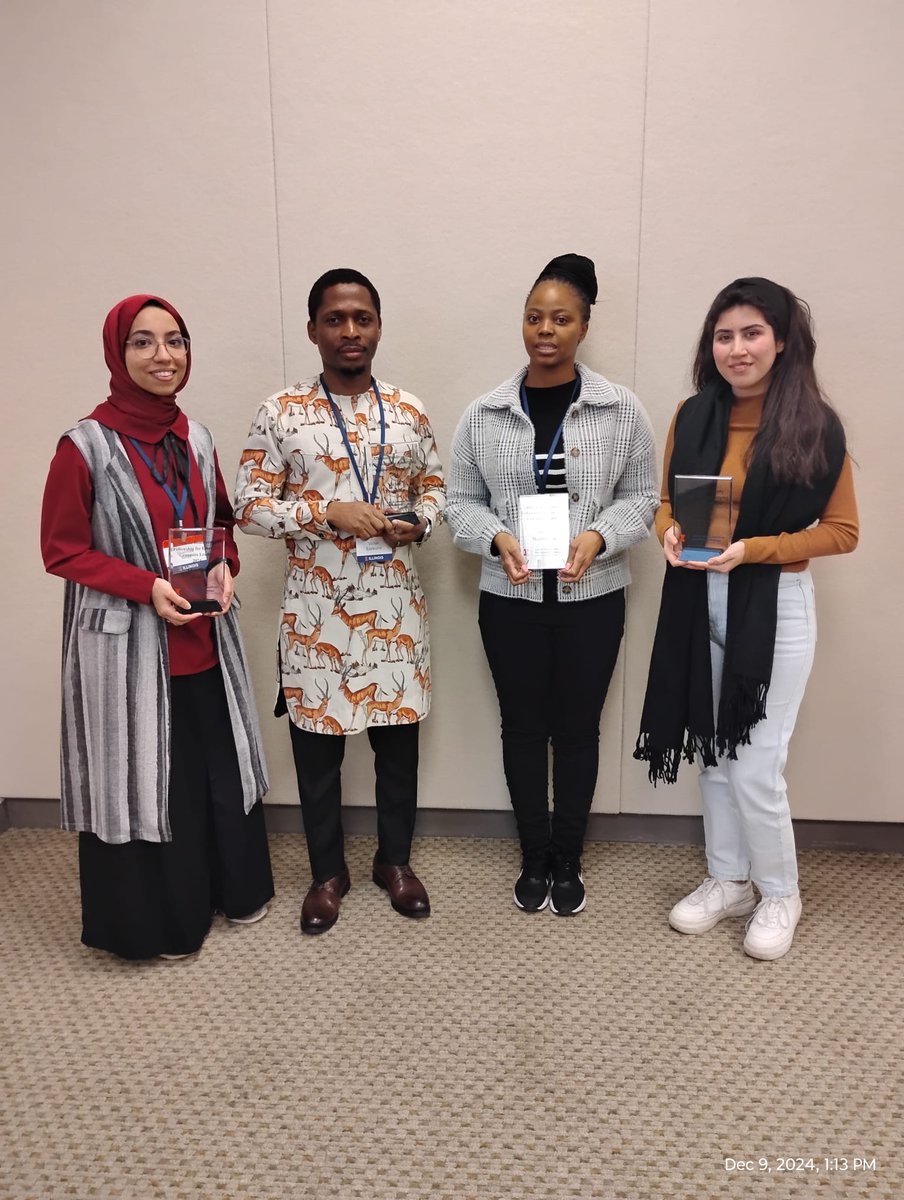
Four winners of the African Biodiversity Fellowship for Emerging Genomics Leaders 2024 have just concluded their Fellowship at the @IGBIllinois, United States. This leadership Fellowship is a partnership between @IGBIllinois@UofIllinois and @DAISEA_AfricaBP
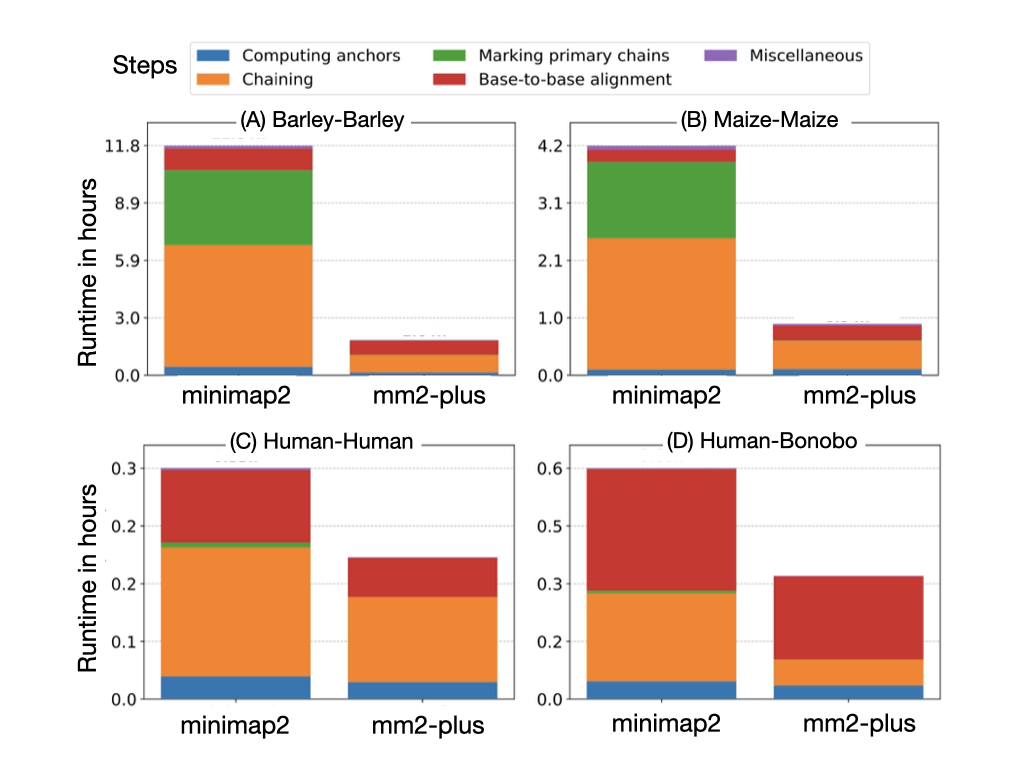
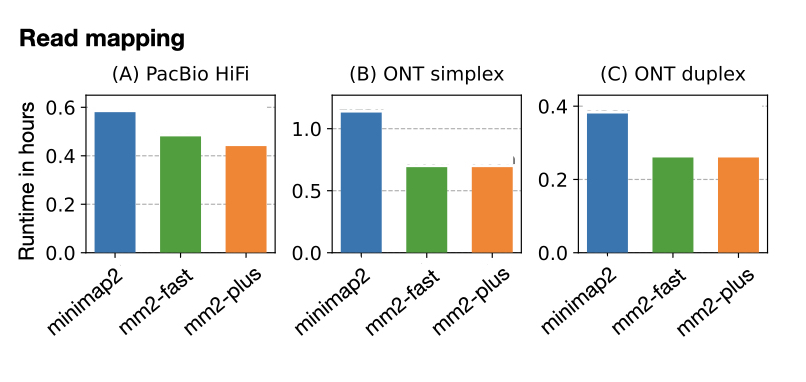
New method speeds up genome alignment of complete and near-complete genome assemblies in minimap2. Can also be useful for faster read mapping
Github: https://t.co/odCWHHIDHI
DOI: https://t.co/Rm1Xa4PPHE
Led by @GhanshyamChand5, collab with @sanchit_misra@wasim_galaxy@intel
Hifiasm 0.21.0 has been released. It now has a beta module for direct assembly of ONT R10 simplex reads. Initial tests with regular simplex reads show very promising results! https://t.co/4mmPylKusz