We are very excited to share our “Watermelon” 🍉 approach for studying rare cycling cancer persister cells with Joan Brugge @BruggeMe, Yaara Oren, Michael Tsabar, Pratiksha Thakore @pthakore, Charles Fulco @FulcoCharles, Aviv Regev, and many others! https://t.co/1YujaMZ7H4
The latest installment of SEA-AD is now available on bioRxiv: https://t.co/AfXy7KQTO4! A huge thank you to the nearly 90 members of the team who worked tirelessly on this effort. A true testament to Big, Open, and Team science! @AllenInstitute@KPWaResearch@BRaINLabsm @NIHAging
I have a question for @nature about equality in publishing. What criteria must a submitting author meet in order to be considered exempt from the scientific reporting guidelines of the journal? Why was AlphaFold 3 exempt from these? Will the same exemptions be extended to others?
We preset an approach to test phosphorylation site function in high throughput. Like phenotypic CRISPR screens but instead of knocking out a gene, we mutate specific codons with base editors so the resultant protein cannot get phosphorylated that site.
"caQTLs and haQTLs capture regulatory variations not associated with eQTLs and explain ∼49% of the functionally annotated GWAS loci"
Been clear for a while that accessibility & histone marks provide more info for explaining & fine mapping GWAS loci than expression. 1/
Proud to have lead this work alongside Nathan! This paper represents a huge effort between the Ren lab, @JoeEcker lab, @CEpigenomics, and many more!
https://t.co/ZDzeHlOVnt
Did @10xGenomics just make newer versions of Cell Ranger open source? https://t.co/5aGEEN9dL8 (cc @sjackman, @luizirber). This is a huge win for open, transparent, and reproducible science if it’s the case!
Excited to announce I will start as an Assistant Professor @Yale@YaleMed on Jan 1, 2024! Our lab's mission is to build tools to study cellular states in their native tissue contexts, focusing on drug response, aging, and cardiovascular disease.
https://t.co/bNy9q7EhXH
Unfortunately, in the #scrna seq world, many things are kept "secret" that shouldn't be. Did you know that in addition to free open-source tools like STARsolo, alevin-fry, & many others, there exists a widely-used, closed-source tool, CellRanger, for preprocessing such data? 1/2
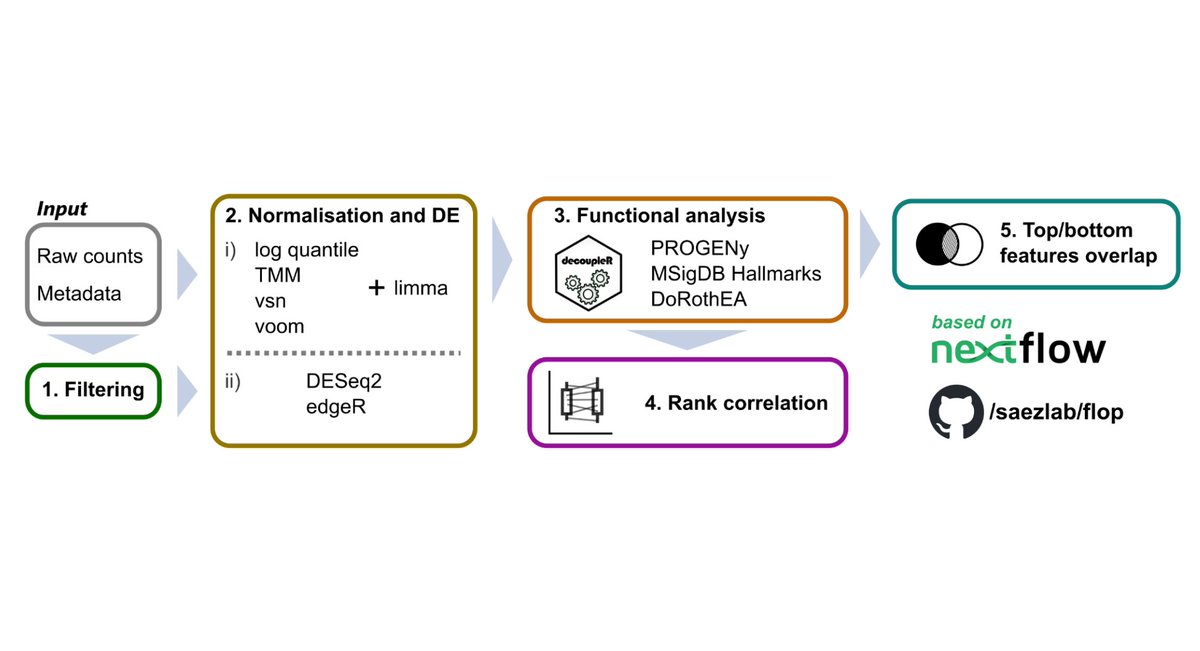
Results in diff expression analysis can vary depending on the processing pipeline used, but to what extent do they affect gene set enrichment?🤔 To answer this we present FLOP, a #nextflow workflow to perform & contrast RNA-seq results 🖥️ https://t.co/U5mJDOY0pT 👇🧵
A quick side note. Folks have given @ENCODE_NIH & consortia a hard time based on claims that the entire effort was a waste. This very cool paper is yet another reminder that ENCODE data has literally powered the deep learning revolution in genomics. 1/
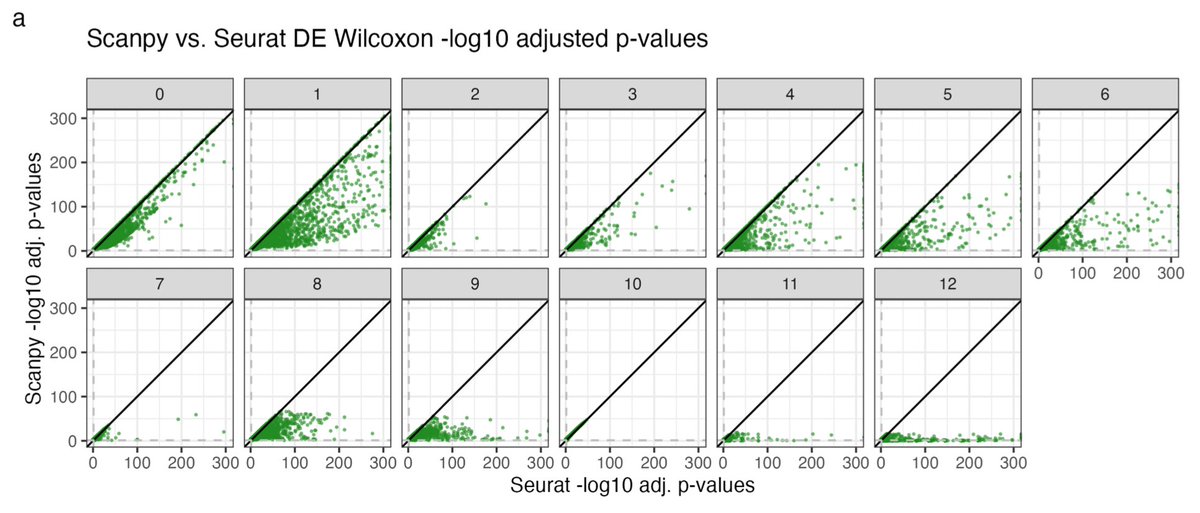
Second, the implementations of basic analysis functions in Seurat and Scanpy, are completely discordant. Consider, e.g. the differences in DE p-values from the standard Wilcoxon test. 👀
It's crazy that these programs are the foundation for an entire subfield of biology. 4/
This is unfortunately going to be one of those classics talked about in every lecture on pitfalls of ML for bio. Ufff! Data processing is absolutely key. And any time one gets insanely high accuracy from an ML model in real life applications, its usually too good to be true.
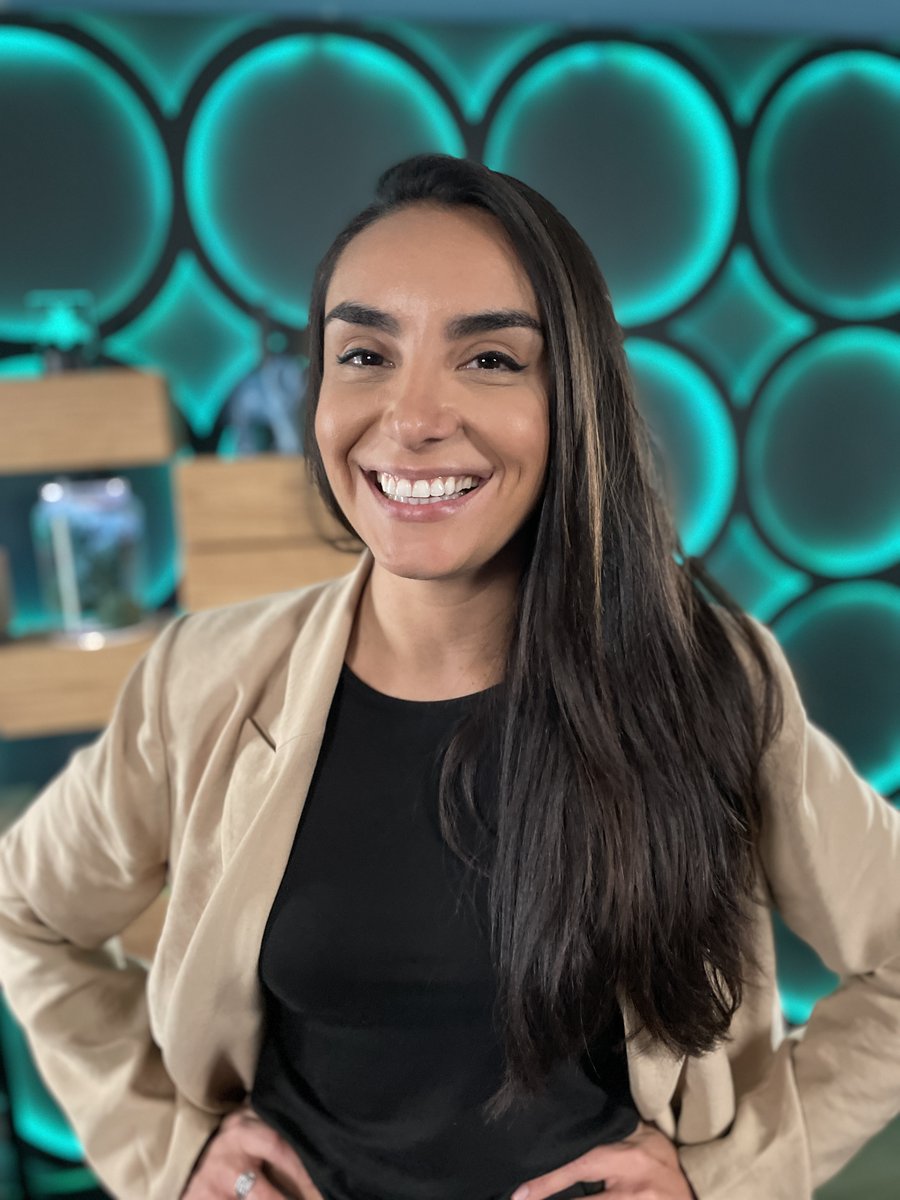
Presenting: the host for Crash Course en Espanol Bología! Mini Contreras @minicontreras is a Mexican Neuroscience PhD student at the Salk Institute studying the cellular and molecular mechanisms that allow our brains to change in response to experience. (1/2)
Paper alert! 🚨 Studying the mSWI/SNF chromatin remodeling complex, by single and combinatorial Perturb-seq and SHARE-seq!
Incredibly fun joint work with Jordan Otto Jagielski (her PhD thesis!) and @alexpywu, collab between Regev and @CKadoch labs! 1/n
https://t.co/n7iqCad1se
JOB OPPORTUNITY! 🧠🔬🧪
9 labs at Salk have joined forces to understand how aging contributes to Alzheimer’s + other age-associated conditions. The team is seeking talented postdoctoral fellows who can work across disciplines.
Please RT and share!
https://t.co/eCrd9tdosF
This, 1000x this. Both the US News college rankings and the Impact Factor are bad statistics that have been given wildly outsized influence because the people who understand this choose to manipulate them to their advantage (and everyone else’s harm) instead of get rid of them.
My re-analysis of the Takahashi et al L1-drives-AT study has now been published as a Letter by @NeuroCellPress, along with a reply from the authors. I hope this is useful, particularly to anyone considering strategies to treat AT in the future. 1/n
https://t.co/ZKjUJfxdvq