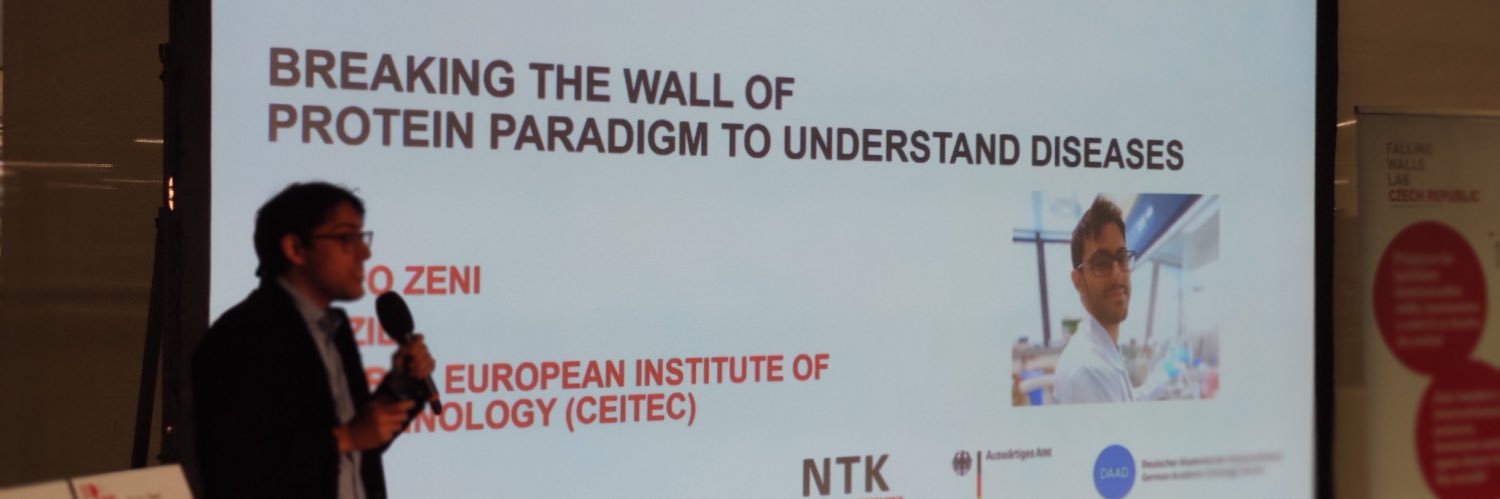
I am pleased to share that I will be presenting an oral talk at #EHA2026 in Stockholm.
It is a story about how non-coding RNAs can shape cancer cell behavior in ways we are only beginning to understand.
June 11, 17:00, Hall A4. Hope to see you there.
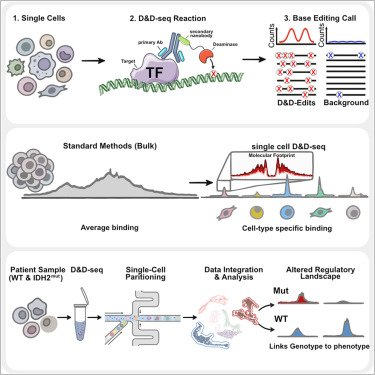
D&D-seq, a single-cell immune-tethering strategy, captures weak and transient DNA-protein interactions to enable integrated, genome-wide analysis of transcription factor binding across chromatin states @CellCellPress@landau_lab@raimondi_ivan
https://t.co/ot0ZAkRUY6
@KlebanoffLab@DrKedarKirtane@MoffittNews@MSKCancerCenter Very Interesting approach with iAKT/Foxo1. I guess the ideal scenario for HPV+ tumors would be long-lasting T cells (avoiding exhaustion, somehow) and proper antigen loading. Have people tried "push" pMHC in patients? Because I thought EBV and HPV would be latent in many cells.
People have always been able to fake data.
Photoshop didn’t suddenly invent misconduct.
The real currency of science is reproducibility, not novelty theater. While everyone obsesses over AI “risks,” we keep rewarding shaky papers and poorly grounded grants.
I knew this was coming. We are so f*cked - fake and real now look the same.
We desperately need tools to show journals and researchers that data is real, not AI-generated.
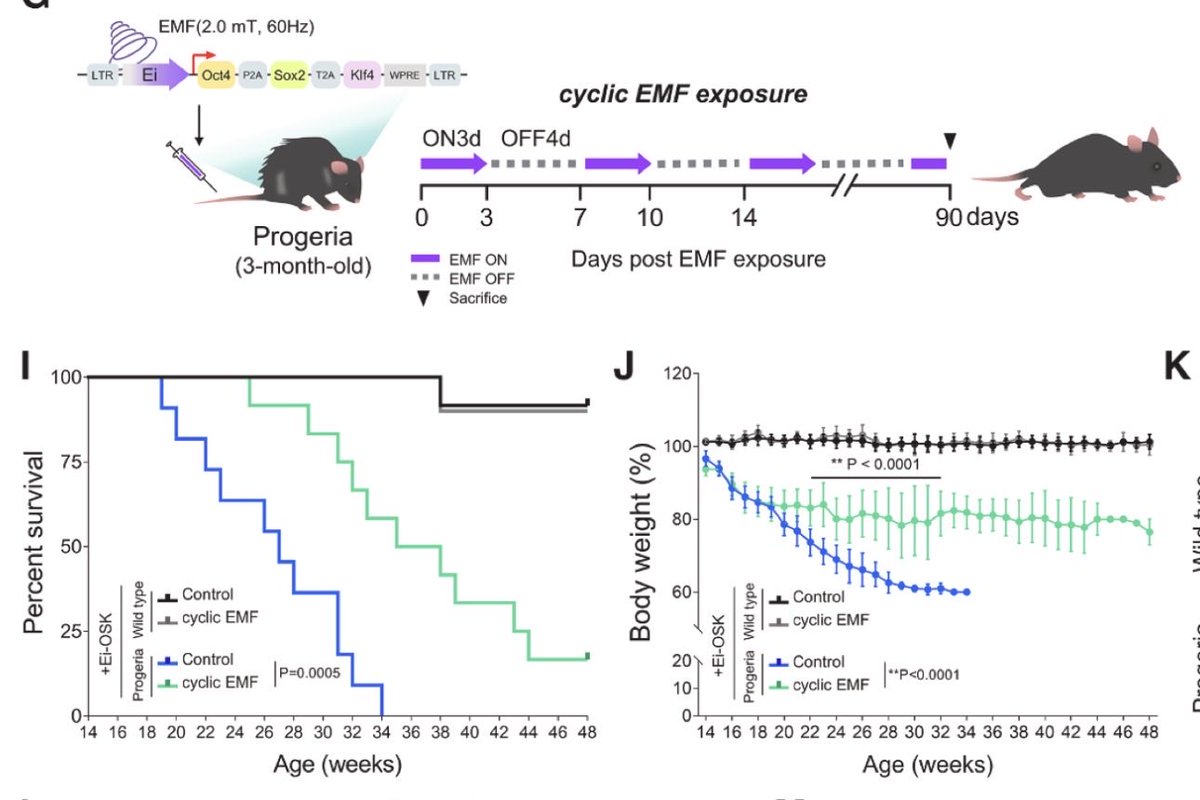
REMOTE CONTROL MICE! A group from Seoul has just published in Cell that they’ve discovered a crazy-weird protein (Cyb5b) that can be used to turn on any gene when exposed to EMFs!
They used it to turn on OSK and extend the lifespan of a progeroid mouse. More to come on this…
🚨Paper alert🚨 Very excited to share our manuscript, published today in @ImmunityCP, where we describe how ‘Nonsense-mediated mRNA decay inhibition reshapes the cancer immunopeptidome’. (1/16) https://t.co/S58jZLKZ7G
Brazilian scientists have discovered a new giant dinosaur species linked to one found in Spain, suggesting land routes once connected South America, Africa and Europe about 120 million years ago https://t.co/eyO8ws8pyd
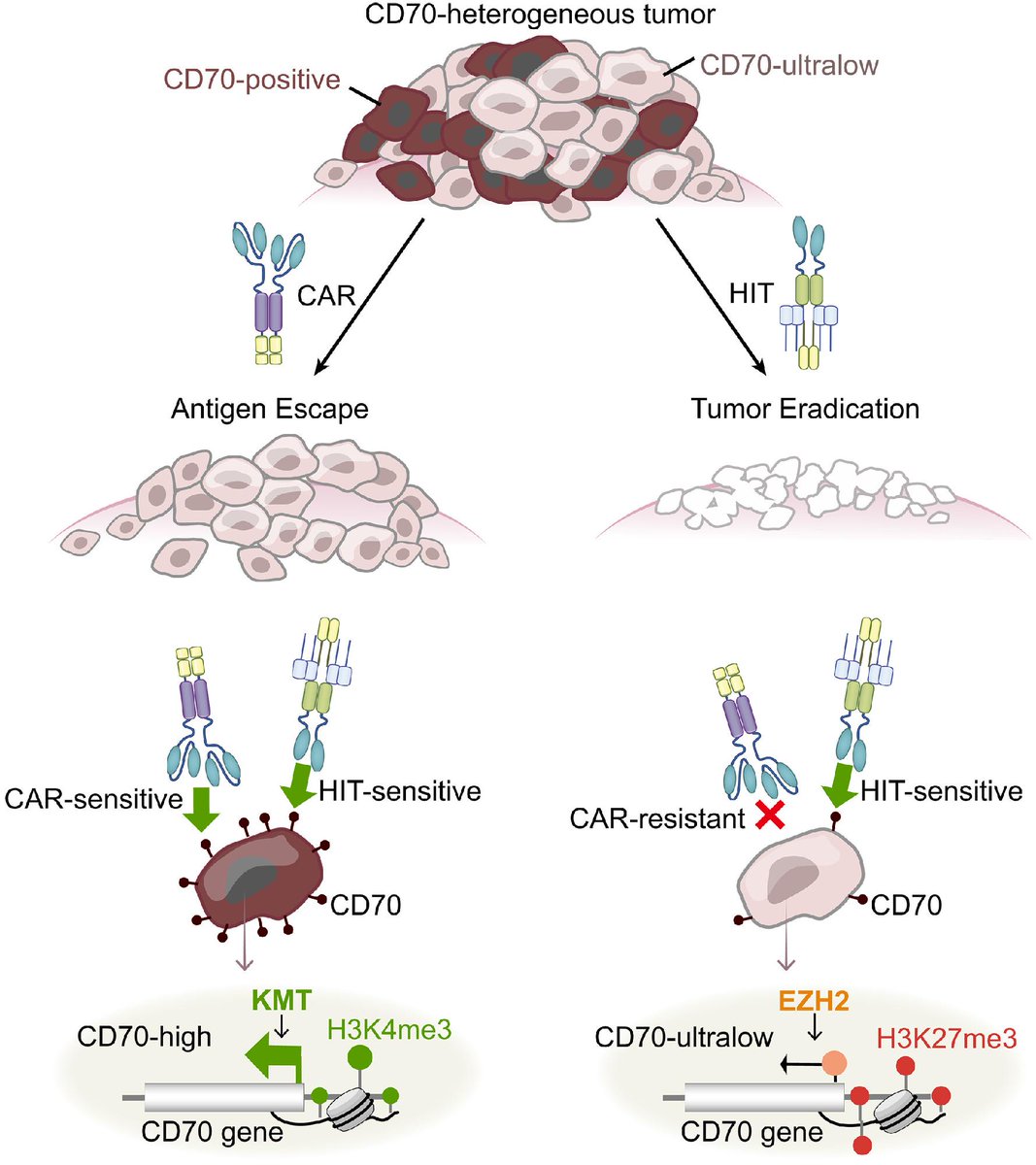
Though CAR T cells have been effective against certain blood cancers, they have not been for solid tumors.
Now, a new form of highly sensitive CAR T cells aims to overcome one of the biggest barriers in solid tumor immunotherapies—the way solid tumors lack a single, widely shared surface target.
By engineering an ultra-sensitive receptor capable of detecting even the smallest amounts of the protein CD70, researchers report in Science they were able to eradicate kidney, ovarian, and pancreatic tumors in preclinical models.
The findings provide a potential strategy to treat a broad range of solid tumors. https://t.co/uOZ5uvRATG
FFPE Hi-C identifies genome-wide rearrangements in lymphoma biopsies! From the brilliant Matija Snuderl in our department! @NYUGSOM_Path
https://t.co/krZdvvIdmJ
Below is the story of the first patient treated with a prime-edited therapeutic, developed by @PrimeMedicine in a trial led by Dr. Élie Haddad and his team at CHU Sainte-Justine. This teenager suffered from chronic granulomatous disease (CGD), an immunodeficiency, and now—10 months after treatment—the patient is healthy, stable, and living with a functioning immune system. Tracy Attebury, whose story was previously told by @ginakolata@nytimes, was the second patient treated with a prime-edited therapeutic.
https://t.co/ZiVq1SmYsn
AI is cool and all... but a new paper in @ScienceMagazine kind of figured out the origin of life?
The paper reports the discovery of a simple 45-nucleotide RNA molecule that can perfectly copy itself.
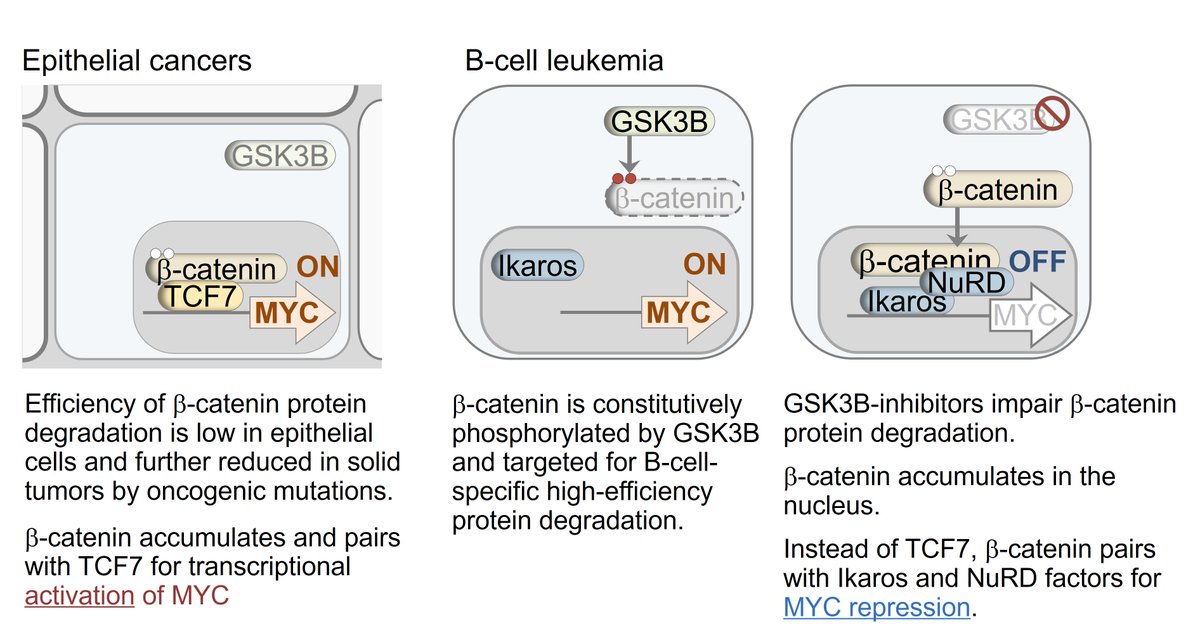
Beta-catenin promotes cancer cell growth but B-cell leukemia cells, unexpectedly, depend on its efficient degradation. Our paper out today in @naturecancer, shows how this dependency could be leveraged for the benefit of patients with B-ALL.👇 https://t.co/xELfFYXGx3