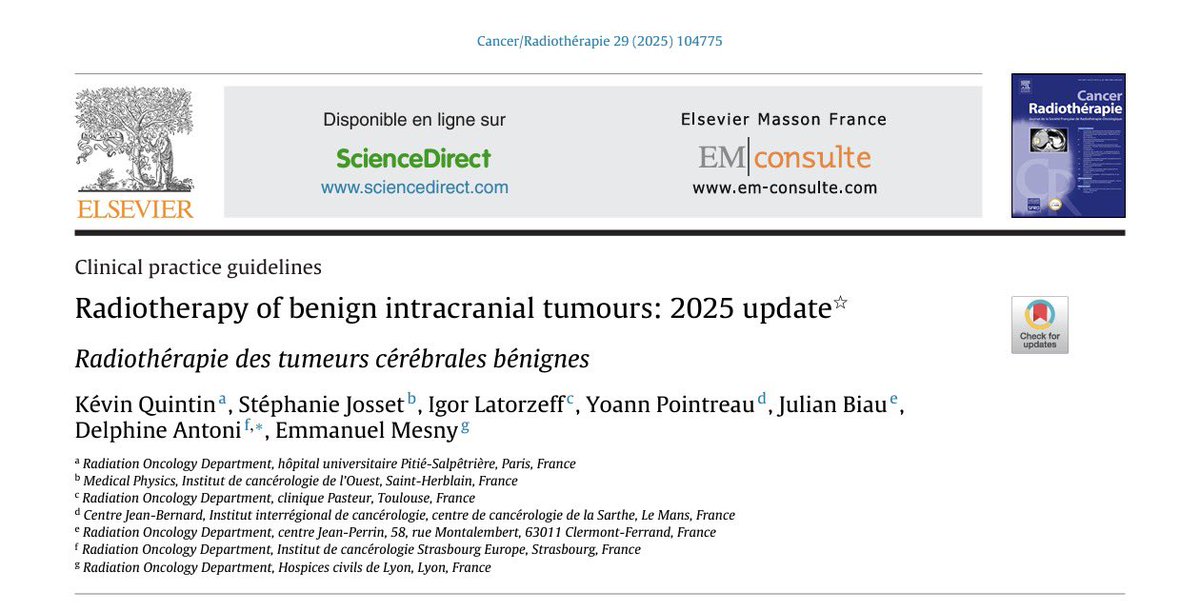
A quien pueda interesar: Solo para recordar que la radioterapia no solamente aplica para tumores malignos…
Radiotherapy of benign intracranial tumours: 2025 update
https://t.co/p0fepZZIyH
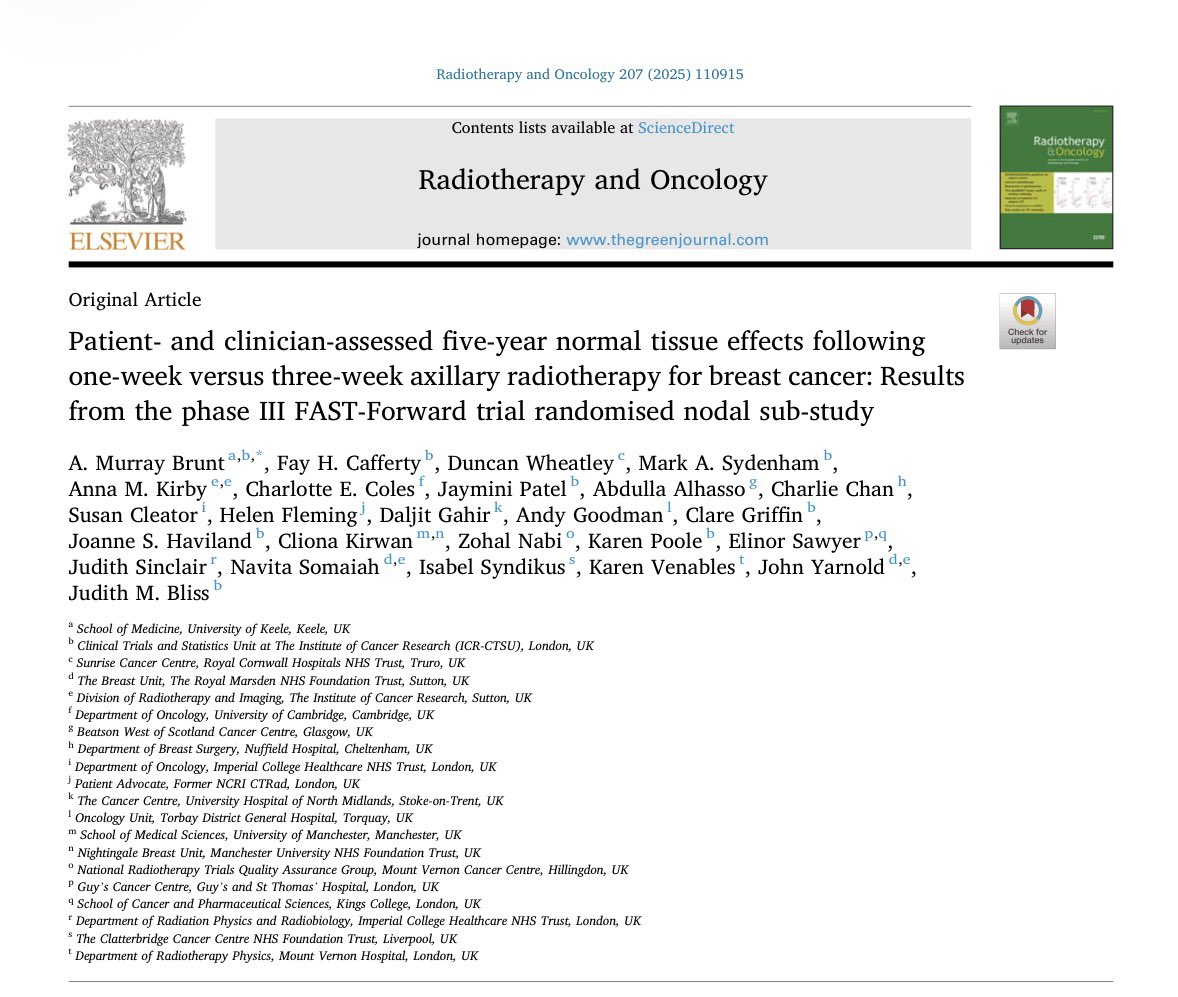
Patient- and clinician-assessed five-year normal tissue effects following one-week versus three-week axillary radiotherapy for breast cancer: Results from the phase III FAST-Forward trial randomised nodal sub-study
https://t.co/GWMM2Aey2s
📄 New paper in Clinical Genitourinary Cancer (Q1)
🔍 PSMA PET/CT after RT in hormone-sensitive & oligometastatic #ProstateCancer
👏 Congrats to the authors — esp. Vicky Vera 🎓
#PSMAPET#Radiotherapy
https://t.co/R3N4zmiGbg
IT IS THIS TIME OF THE YEAR AGAIN!
TOP 10 GU clinical trials in 2025!
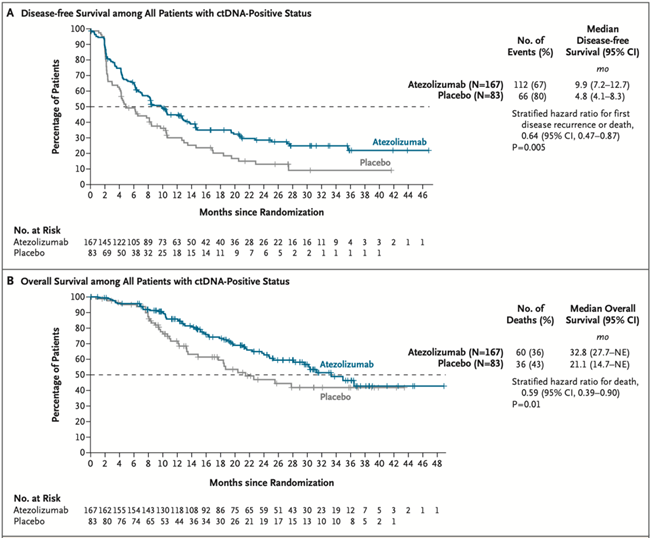
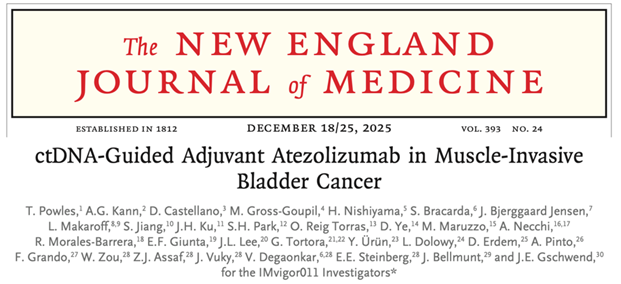
1/ Practice-changing IMvigor011: In ctDNA+ MIBC post-cystectomy, adjuvant atezo improved DFS (HR 0.64) & OS (HR 0.59) vs placebo. ctDNA- pts spared therapy w/ 2-yr DFS ~88%.
@tompowles1@DrYukselUrun@OncoBellmunt@NEJM #ESMO2025 Plenary @myESMO
https://t.co/mbl2VKLZ2N
Cumulative dose evaluation in clinical reirradiation – Consensus guidance
on technical considerations by the ESTRO reirradiation focus group
https://t.co/VCkl4vnOxG
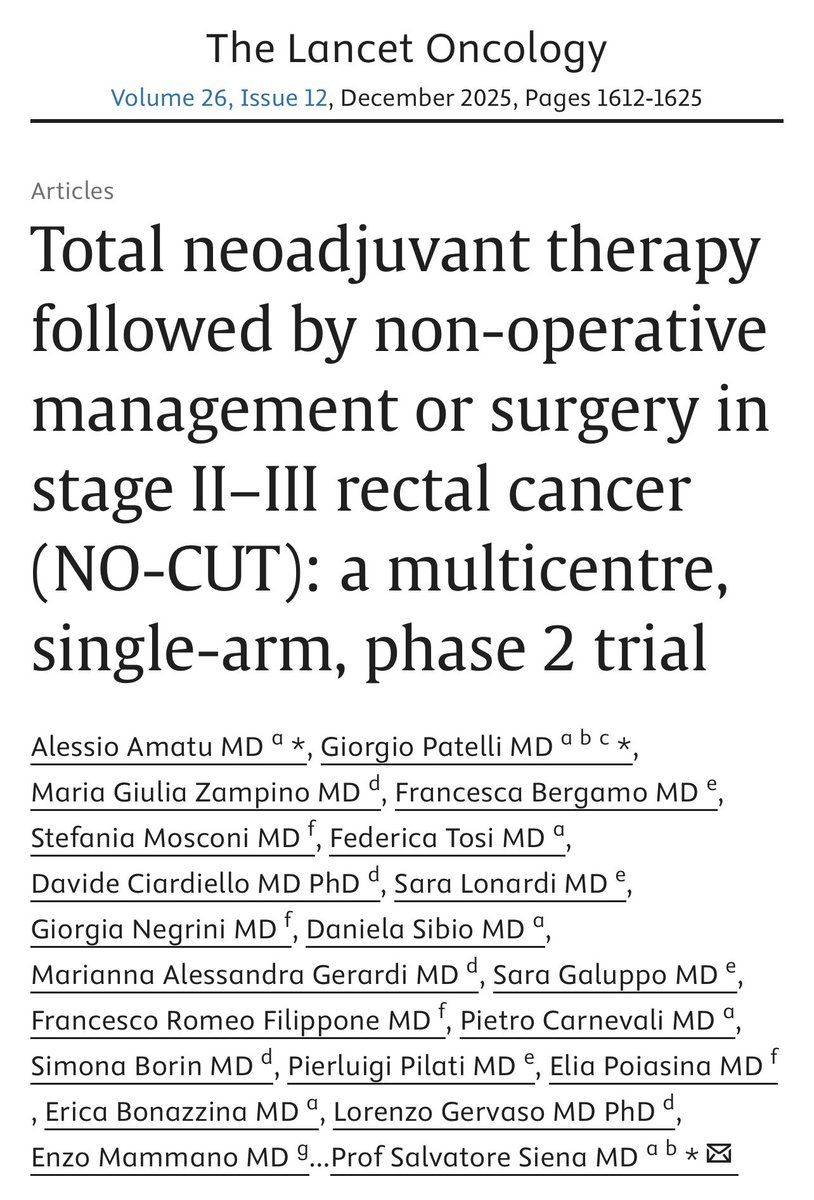
Does organ preservation after cCR with TNT🧨
affect distant metasases rate in rectal ca?
Results of NO-CUT🚫🔪trial @TheLancetOncol
show 26% of pMMR/MSS pts achieve cCR and
distant RFS 95% in nonop group vs 74% SOC
@OHSUKnight@tsikitis@HKennecke
https://t.co/rR8GfdZuHu
New Evidence on ADT Duration in Prostate Cancer (JAMA Oncology, Nov 2025)
A meta-analysis of 10,266 patients shows a clear message.
Risk-based approach matters:
• 1 intermediate risk factor → 0 months
• ≥2 risk factors → ~6 months
• High-risk → ~12 months
• Very high-risk → individualize
This study challenges the old “longer is better” dogma and supports personalized ADT duration rather than fixed timelines.
🔗 https://t.co/Exlljkt77x
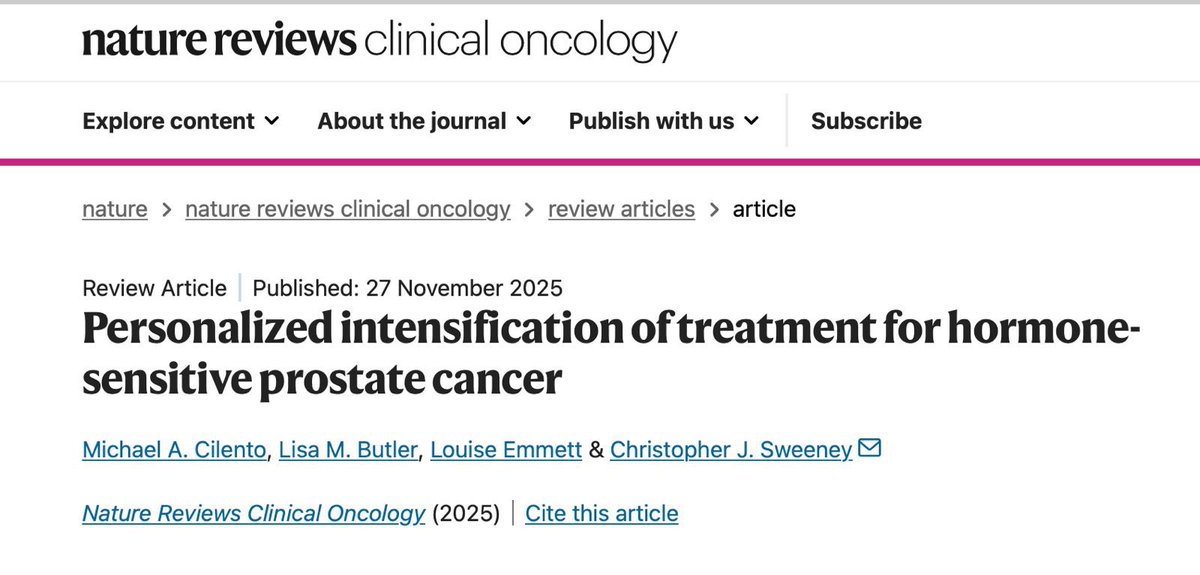
🎯🎯.- How to apply the current evidence in the treatment of mCSPC!! Excellent review.🙌
https://t.co/OFccsZ439w
👉.- The new molecular precision "triplet intensification" is here.
👉.- A HRR (BRCA2+) alt and pTEN loss population have a poor prognosis.
👉.- We need to better biomarkers profile in this setting
@OncoAlert@APCCC_Lugano@ANZUPtrials@myESMO@GuardConsortium@fedelosco
Enzalutamide with or without leuprolide in patients with high-risk biochemically recurrent prostate cancer: EMBARK post hoc analysis by age
https://t.co/v4CM6kWiJU
The post hoc age-stratified analysis of the EMBARK trial found that enzalutamide, with or without leuprolide, improved metastasis-free survival in patients with high-risk biochemical recurrence of #ProstateCancer regardless of whether they were younger than 70 or 70 and older.
Although older patients were more likely to have higher baseline PSA levels and to have received prior radiotherapy, they showed similar efficacy benefits from treatment.
@nealshore@UgoDeGiorgi@MatkoKalac@MelissaJHuynh@CarcanoMD@SFreedlandMD@OncoAlert 🚨
@Silke_Gillessen@AOmlin@weoncologists
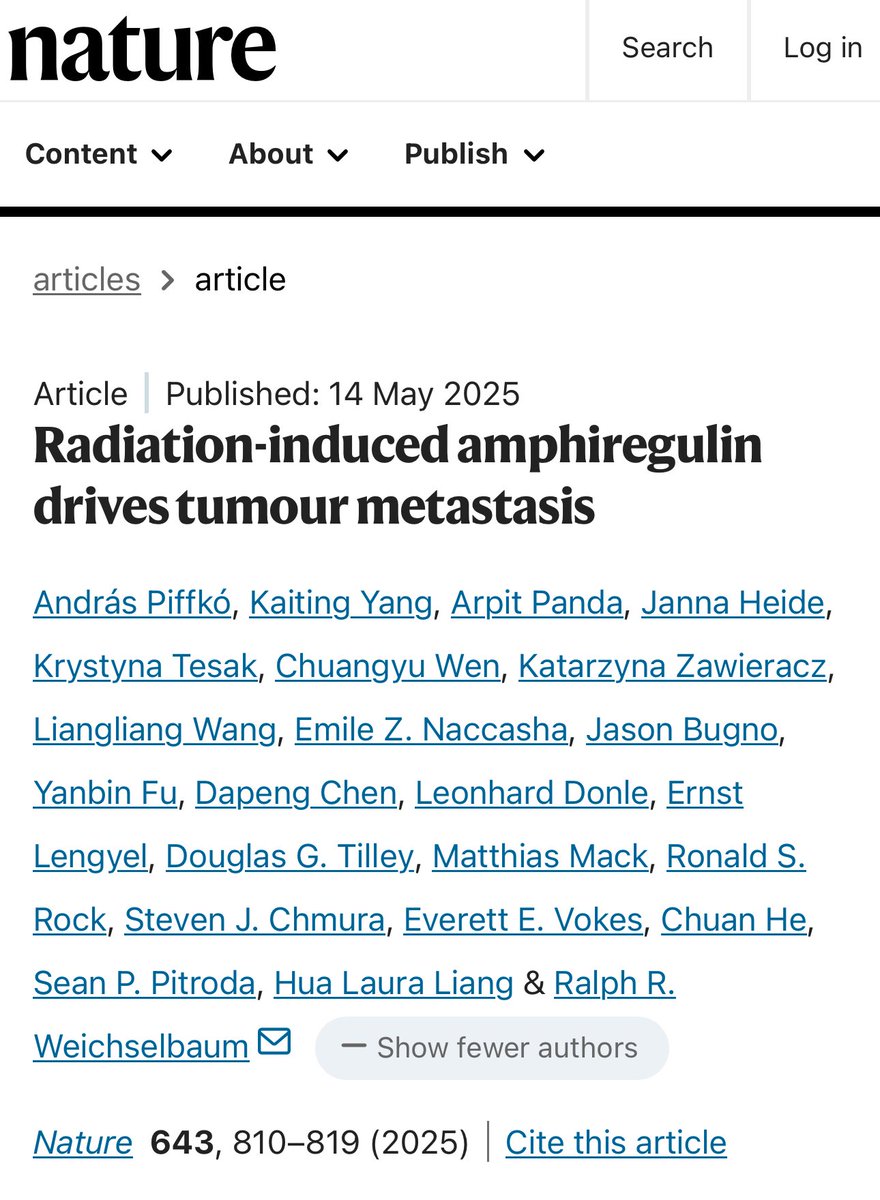
New data show radiotherapy can induce amphiregulin, reprogram myeloid cells, and support distant tumour growth. Understanding this may help us design better treatment paths for patients. @Nature@OncoAlert
https://t.co/yhM0nUzrPK
PSMAddition Presented at #ESMO25
Phase III trial of [177Lu]Lu-PSMA-617 combined with ADT + ARPI in patients with PSMA-positive metastatic hormone-sensitive prostate cancer
https://t.co/T7tYCf4R04
Adding [¹⁷⁷Lu]Lu-PSMA-617 to ADT + ARPI in patients with PSMA+ metastatic hormone-sensitive #ProstateCancer (mHSPC) led to a significant improvement in radiographic PFS, meeting the study’s primary endpoint. With over 1,100 patients enrolled, the benefit was consistent across subgroups, and early data show a positive OS trend.
These results mark the first phase 3 evidence supporting radioligand therapy in mHSPC, signaling a potential shift in the standard of care.
@DrScottTagawa@sartor_oliver@fizazikarim@Ckh6vxbc8yHakim@MatthiasEiber@shilpaonc@cdanicas@rhaukemd@adapthyun@OncoAlert 🚨
@Silke_Gillessen@AOmlin@nataliagandur
💥 “Screen or not to screen?”
After 23 years, ERSPC finally answers.
📊 ERSPC (n = 162,236 men, 55–69 yrs)
🔹 Screening: repeated PSA testing
🔹 Control: no screening
⏱️ Median follow-up: 23 yrs
🎯 Results
🧬 ↓ Prostate cancer mortality: 1.4% vs 1.6% (RR 0.87 [0.80–0.95])
➡️ 13% relative & 0.22% absolute risk reduction
📈 NNI = 456 | NND = 12 → better harm–benefit ratio
⚠️ Overdiagnosis: +27 extra cases / 1000 men (mostly low-risk)
🧩 Who should be screened?
✅ Men 50–69 y with ≥15 y life expectancy
✅ Earlier (40–45 y) if BRCA2+, family history, or African ancestry
🚫 Stop if >70 y, frail, or PSA < 1 ng/mL at 60 y
💡 Takeaway:
PSA screening saves lives - just not everyone’s.
Target the right men, at the right age, using risk-based + MRI-guided screening.
📖 Roobol MJ et al. NEJM 2025
🔗https://t.co/msFgNpODRI
#OncoTwitter #MedTwitter #ProstateCancer #Screening #ESMO25
@OncoAlert@myesmo@esmo_open@ASCO@NEJM@Uroweb@AmerUrological@UrologyTimes@EUplatinum
Prognostic vs Predictive biomarkers?
Revision is always good 🔄
A = Prognostic (affects survival regardless of treatment)
B = Predictive (only biomarker-positive benefit)
C = Both
key to designing smarter trials and interpreting survival curves correctly.
https://t.co/8mrQu6vEyw
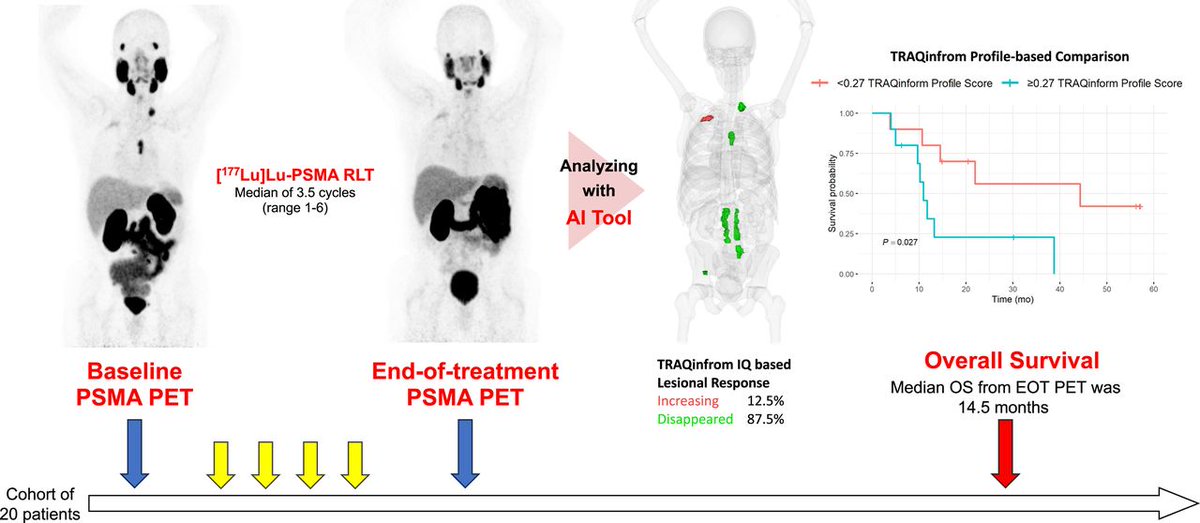
AI–assisted lesion-tracking analysis of PSMA PET is prognostic for overall survival in patients with #mCRPC undergoing PSMA radiopharmaceutical therapy.
https://t.co/TMYYhZ6J78
#NuclearMedicine#RPTherapy#AI @VMurthymed @CalaisJeremie@DrAGafita
Magnetic Resonance Imaging–based Biopsy Strategies in Prostate Cancer Screening: A Systematic Review
https://t.co/nqcih8eYdU
Systematic review evaluated the benefit–harm balance of incorporating magnetic resonance imaging (MRI) into #ProstateCancer (PCa) screening as either a first-line test or a second-stage test after PSA >3 ng/ml. Across five first-line and four second-stage studies, MRI strategies were compared for cancer detection, biopsy avoidance, and histological outcomes. First-line MRI identified roughly twice as many clinically significant (GG ≥2) cancers as second-stage MRI but left a higher proportion of men MRI-negative, while second-stage MRI markedly reduced biopsy rates and increased the detection ratio of GG ≥2 versus GG 1 cancers with both targeted and systematic biopsies.
Both approaches achieved positive benefit-to-harm ratios (>1), indicating net clinical benefit, though first-line MRI needs further feasibility evaluation and standardisation of MRI interpretation and biopsy protocols is essential for consistent screening quality.
@IvoSchootsNL@LondonProstate1@albers_pa@AsbachP@roodvdb@TobiasNordstrom@ShonitP@ProfPadhani@OncoAlert 🚨
@Silke_Gillessen@AOmlin@nataliagandur@bavilima
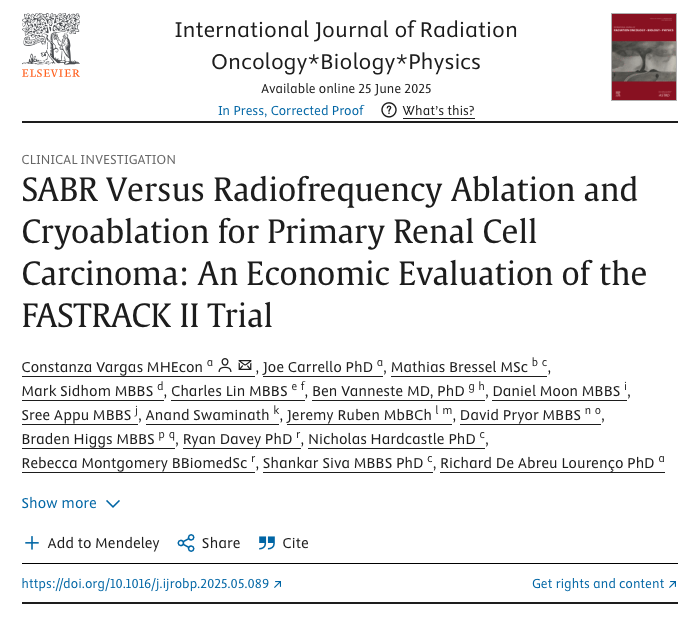
SABR 🆚 Radiofrequency Ablation and Cryoablation for Primary Renal Cell Carcinoma: An Economic Evaluation of the FASTRACK II Trial
https://t.co/hTlDSiBewk
The FASTRACK II trial’s cost-effectiveness analysis found that stereotactic ablative body radiotherapy☢️ (SABR) is both more effective and less costly than radiofrequency ablation (RFA) or cryoablation (CA) for patients with inoperable renal cell carcinoma. While patients experienced an initial decline in quality of life after SABR—mainly due to fatigue and shortness of breath—scores later approached baseline. Over a 10-year modeled horizon, SABR consistently provided greater quality-adjusted life years at lower cost, remaining dominant in nearly all sensitivity analyses.
These results suggest SABR should be considered the preferred treatment option in this setting from both a clinical and economic perspective. #KidneyCancer
@DrDanielMoon@DavePryorRO@HardcastleNick@_ShankarSiva
Statin Use in Patients With Advanced Prostate Cancer in the TITAN and SPARTAN Trials
https://t.co/UHdtcRuM68
This cohort study analyzed individual patient data from the SPARTAN and TITAN phase 3 trials to examine the impact of statin exposure on outcomes in men with advanced #ProstateCancer treated with apalutamide. Among 2,187 patients, statin use was associated with significantly improved overall survival in apalutamide-treated patients but not in those receiving placebo, with 3-year survival differences of 14% in TITAN and 8% in SPARTAN favoring statin users. However, patients on statins also had a higher risk of grade 3 or greater cardiac adverse events, likely reflecting underlying cardiovascular comorbidities.
These findings suggest that statin exposure may confer a survival benefit in the setting of intensified androgen blockade with apalutamide, though cardiovascular risks require careful consideration.
@Soum_Roy_RadOnc@ziremozay@avirupguha@yilun_sun@WallisCJD@PBarataMD@AmarUKishan@angela_jia_@NicholasZaorsky@umangtalking@scserendipity1@DrSpratticus@neerajaiims@OncoAlert 🚨
@silkegillessen@AOmlin@nataliagandur@bavilima@yekeduz_emre
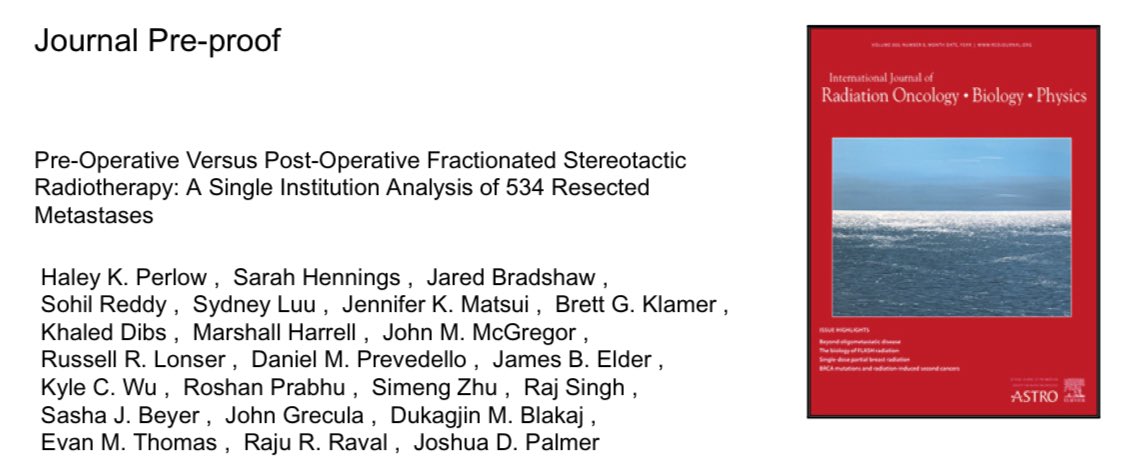
🧠 Pre-Op FSRT vs Post-Op FSRT – New Data on Brain Met Resections! @OncoAlert
🎯 Objective
Test if pre-op FSRT improves outcomes vs post-op FSRT in resected brain mets.
🏥 Methods
•458 pts / 534 mets
•27 Gy/3 fx or 30 Gy/5 fx
•LINAC/GK, 2–3 mm margins
📊 Results
•Composite endpoint (LF, nMD, ≥G2 RN):
• Pre-op: 12%
• Post-op: 20% (p=0.018)
•nMD: 1.7% vs 4.7%
•No OS difference
��� Pre-op FSRT = less meningeal disease & toxicity.













![APCCC_Lugano's tweet photo. PSMAddition Presented at #ESMO25
Phase III trial of [177Lu]Lu-PSMA-617 combined with ADT + ARPI in patients with PSMA-positive metastatic hormone-sensitive prostate cancer
https://t.co/T7tYCf4R04
Adding [¹⁷⁷Lu]Lu-PSMA-617 to ADT + ARPI in patients with PSMA+ metastatic hormone-sensitive #ProstateCancer (mHSPC) led to a significant improvement in radiographic PFS, meeting the study’s primary endpoint. With over 1,100 patients enrolled, the benefit was consistent across subgroups, and early data show a positive OS trend.
These results mark the first phase 3 evidence supporting radioligand therapy in mHSPC, signaling a potential shift in the standard of care.
@DrScottTagawa
@sartor_oliver
@fizazikarim
@Ckh6vxbc8yHakim
@MatthiasEiber
@shilpaonc
@cdanicas
@rhaukemd
@adapthyun
@OncoAlert 🚨
@Silke_Gillessen
@AOmlin
@nataliagandur](https://pbs.twimg.com/media/G41IapKWMAITzxB.png)
![DrRishabhOnco's tweet photo. 💥 “Screen or not to screen?”
After 23 years, ERSPC finally answers.
📊 ERSPC (n = 162,236 men, 55–69 yrs)
🔹 Screening: repeated PSA testing
🔹 Control: no screening
⏱️ Median follow-up: 23 yrs
🎯 Results
🧬 ↓ Prostate cancer mortality: 1.4% vs 1.6% (RR 0.87 [0.80–0.95])
➡️ 13% relative & 0.22% absolute risk reduction
📈 NNI = 456 | NND = 12 → better harm–benefit ratio
⚠️ Overdiagnosis: +27 extra cases / 1000 men (mostly low-risk)
🧩 Who should be screened?
✅ Men 50–69 y with ≥15 y life expectancy
✅ Earlier (40–45 y) if BRCA2+, family history, or African ancestry
🚫 Stop if >70 y, frail, or PSA < 1 ng/mL at 60 y
💡 Takeaway:
PSA screening saves lives - just not everyone’s.
Target the right men, at the right age, using risk-based + MRI-guided screening.
📖 Roobol MJ et al. NEJM 2025
🔗https://t.co/msFgNpODRI
#OncoTwitter #MedTwitter #ProstateCancer #Screening #ESMO25
@OncoAlert @myesmo @esmo_open @ASCO @NEJM @Uroweb @AmerUrological @UrologyTimes @EUplatinum](https://pbs.twimg.com/media/G4gejGFaQAEVasz.jpg)