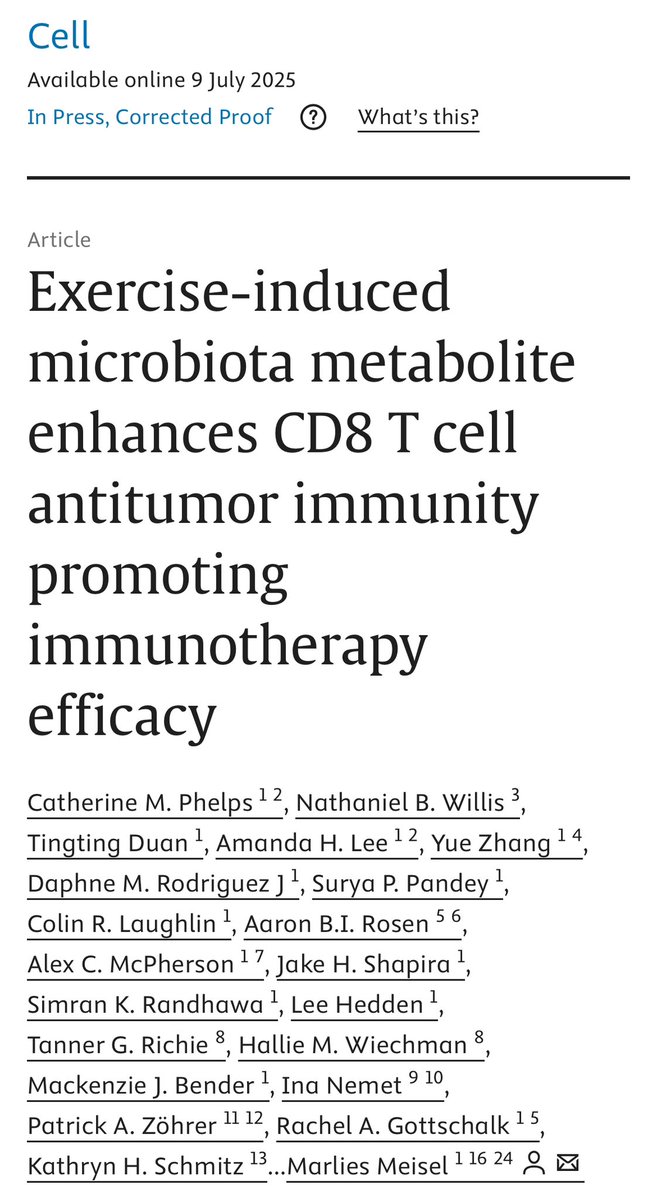
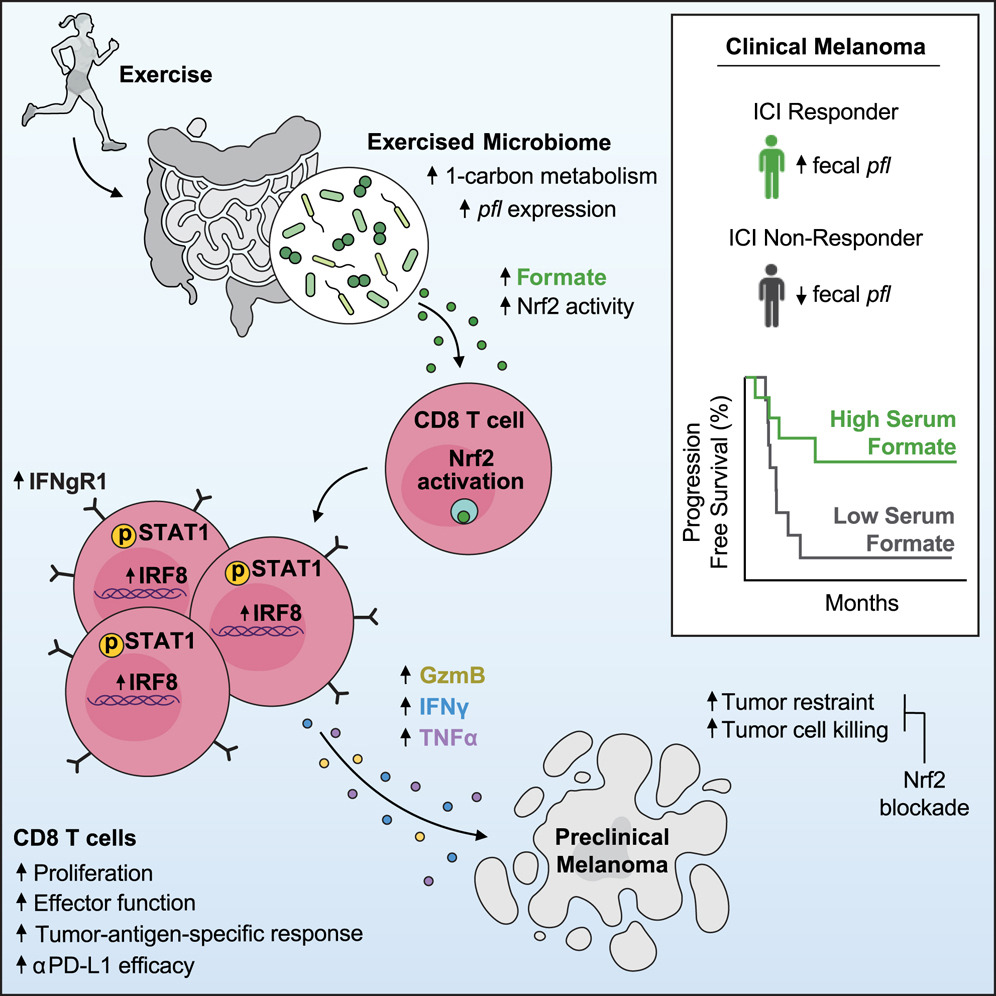
I am BEYOND excited to share my PhD thesis research is officially published in @CellCellPress today.
Read on for an exciting story about how #exercise promotes antitumor #immunity by modulating behavior of the #microbiome 🏃♀️🦠
https://t.co/Opgn2OEFXL
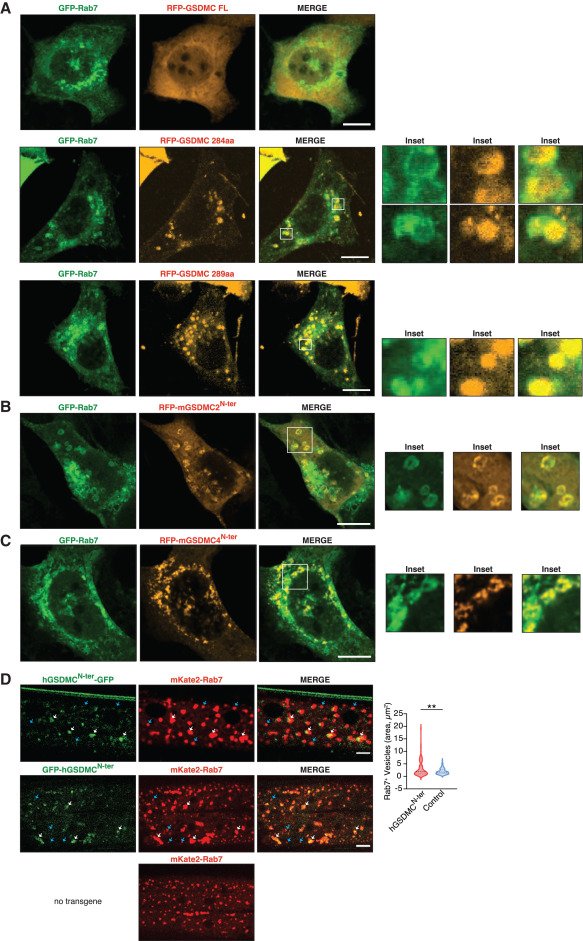
Online now: Gasdermin C cleavage by Cathepsin S modulates Rab7 vesicles in intestinal epithelial cells to amplify anti-helminth immunity https://t.co/YjaFCnUizG
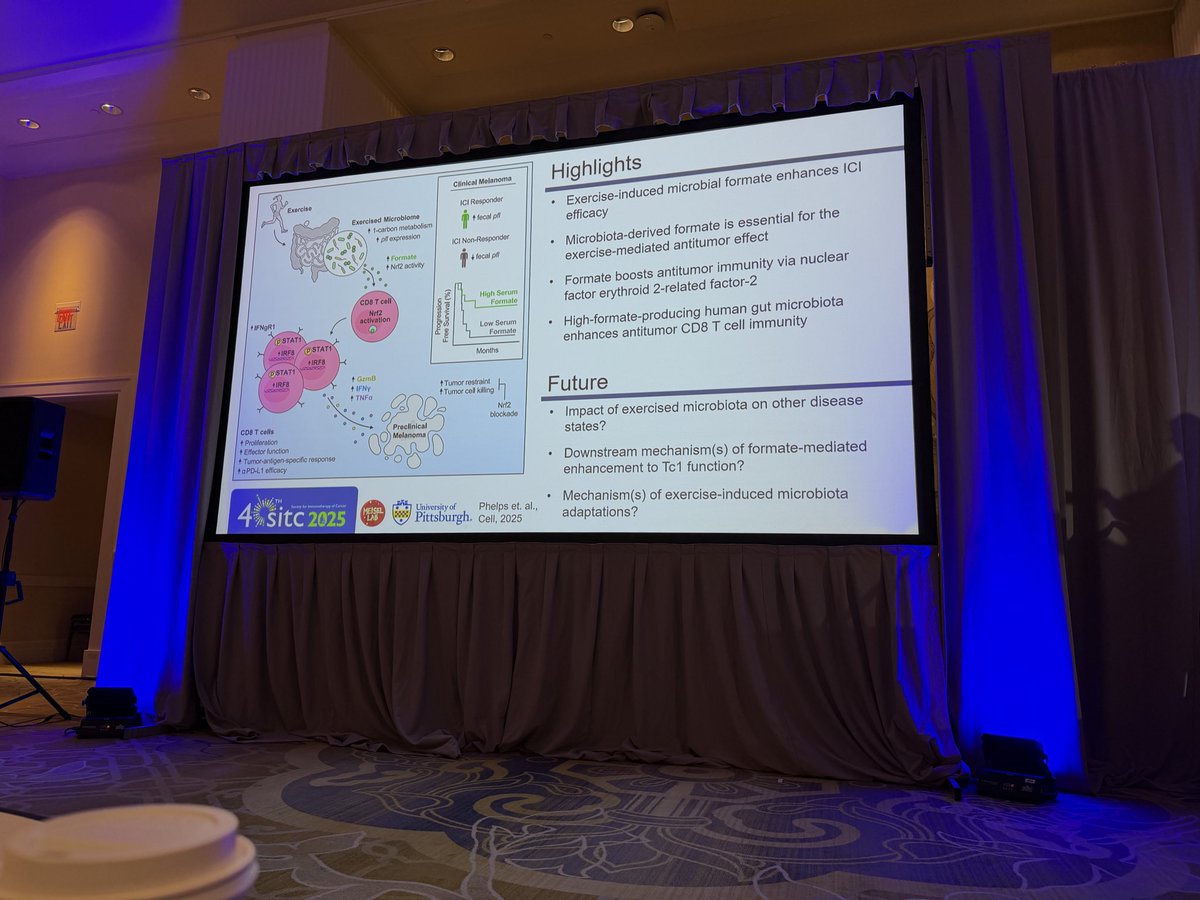
#MicrobiotaPower & #Exercise! Phelps, Meisel &co show @CellCellPress that exercise drives formate from microbiota that in turns activates NRF2 in CD8 T cells driving STAT1/IRF8 programs that potentiate immune checkpoint inhibitor efficacy against melanoma https://t.co/ZyfnjuYjae
AAI Members in the News! For her graduate thesis with Dr. Marlies Meisel at @Pitt_Medicine, @CatMPhelps found that #exercise improved #cancer outcomes and enhanced responses to #immunotherapy in mice by reshaping the gut #microbiome. Congrats!
🔗 https://t.co/qxmCkOHWHw
🏃♂️💥 Exercise boosts immunotherapy!
New study shows exercise increases gut microbiota-derived formate, enhancing CD8+ T cell–mediated antitumor immunity via Nrf2.
⭐️Formate may be a new biomarker for better ICI response in melanoma.
@CellPressNews@OncoAlert#microbiome#cancer #Oncology
https://t.co/LRUbRjP67n
#ScienceSaturday
🏃♂️🧬 Can exercise really help fight #cancer?
📢 A new study in @CellCellPress shows exercise rewires the gut #microbiome to enhance immune responses against tumors.
➡️ @CatMPhelps et al. found exercise increases levels of a microbiota-derived metabolite called formate, which boosts CD8 T cell function through the Nrf2 pathway. This strengthens the immune system’s ability to attack tumors, even those resistant to immune checkpoint inhibitors.
➡️ In #melanoma models, both exercise and formate supplementation reduced tumor growth, increased survival and amplified the effects of immunotherapy. High-formate-producing human microbiota showed similar antitumor effects in preclinical studies.
💡 These findings suggest a powerful link between movement, metabolism, and immune activation.
🔗 Read the full article in Cell: https://t.co/olgbAwgyiK
@PittTweet@Pitt_PMI
New University of Pittsburgh research shows gut bacteria are responsible for how exercise boosts cancer treatment in mice, pointing to possible future therapies for humans.
https://t.co/Rytd1gvL5w
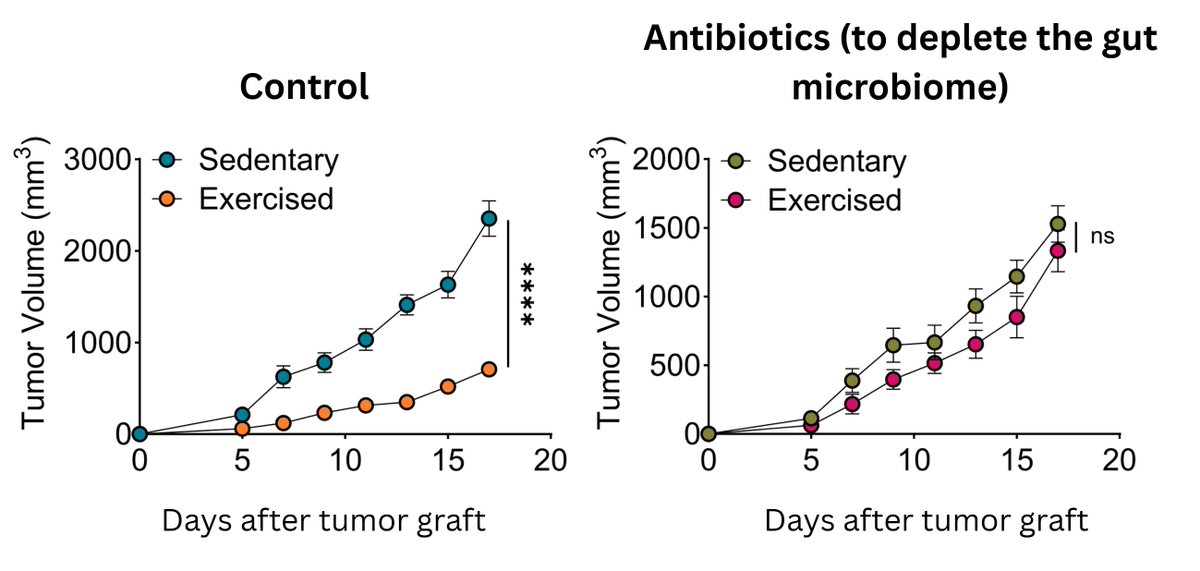
Why is exercise anti-cancer?
Mice that exercise suppress tumors better than those that don't
If those mice are treated with antibiotics, the gut microbiome is depleted and the effect is pretty much gone: it's (at least partly) mediated by gut bacteria
🧵
New University of Pittsburgh research shows gut bacteria are responsible for how exercise boosts cancer treatment in mice, pointing to possible future therapies for humans.
https://t.co/Eo42WZdqg2