The #PROTEUS trial contributes important knowledge to the evolving evidence on high-risk #prostatecancer treatment options. ASTRO’s new summary document from @NehaVapiwala and @AmarUKishan is a member resource for discussions with your #multidisciplinary colleagues and patients.
https://t.co/HywTq0w7oa
Impressive daraxonrasib data.
From RT standpt, if RAS inhibition meaningfully prolongs dz control, local progression = more relevant
Future trials should test consolidative ablative RT in pts responding to darax (potentially leveraging RAS-mediated radiosens) #ASCO26@OncoAlert
The real question is the Enzarad data, which is not a subgroup analysis like STAMPEDE.
STAMPEDE is hands down my favorite trial ever, but important to note that the M0 analysis was a subgroup analysis and not all patients even had local therapy. Some patients had PSAs in the 1000s.
Enzarad a bit more relevant where MFS and OS were not significantly improved in N0M0 patients. Just like PROTEUS MFS and OS were not improved by conventional imaging.
Given we now often get PSMA PET/CT upfront for staging, ARPIs in N0M0 patients have no proven role.
Salvage Radiotherapy Confers an Overall Survival Advantage in Biochemical Recurrence of Prostate Cancer: Evidence from the International PROMISE Registry
https://t.co/NBqs5NWXDx
Analysis of the international PROMISE registry evaluated salvage radiotherapy (SRT)☢️ in 1,410 patients with biochemical recurrence after prostatectomy, using advanced PSMA PET imaging for restaging. Over a median 5.2-year follow-up, SRT was associated with significantly improved overall survival, particularly in patients with PET-negative (miT0N0M0) disease and PSA ≤0.5 ng/mL.
Five- and seven-year survival rates were higher with SRT, supporting its role as an effective treatment strategy in selected patients with recurrent #ProstateCancer
@ProfKHerrmann@ProfHadaschik@Dr_K_Rahbar@MatthiasEiber@andrea_farolfi@lauraevangelis9@bjartell@OncoAlert 🚨
@Silke_Gillessen@AOmlin@weoncologists
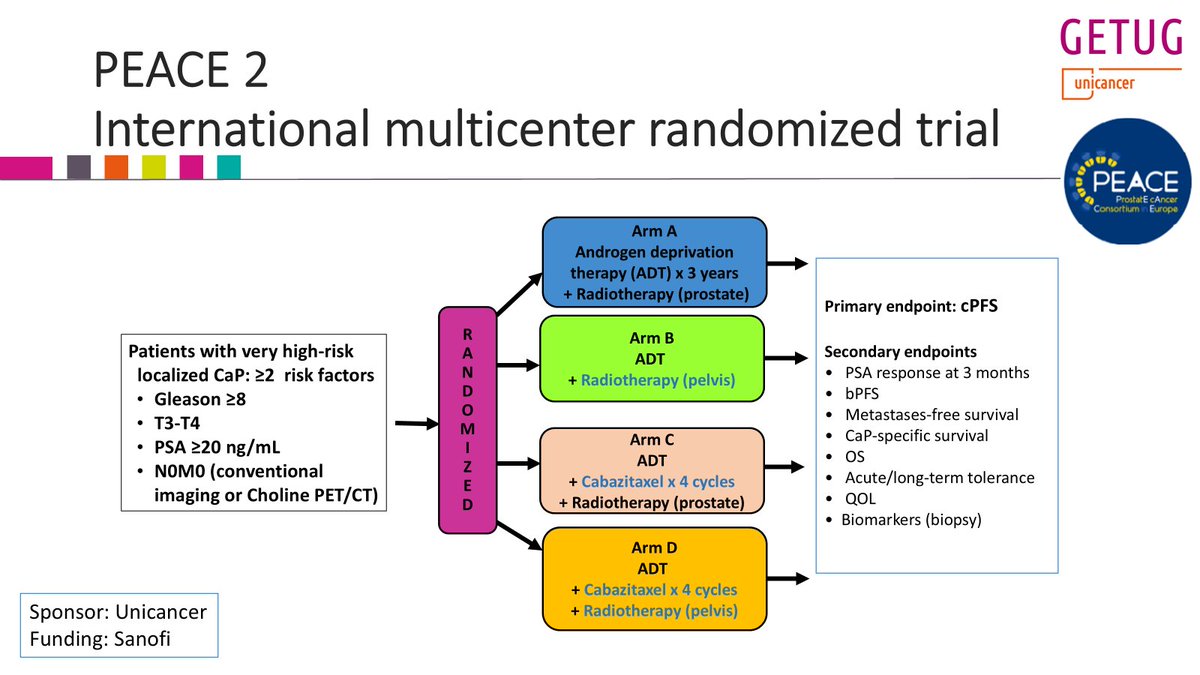
Yesterday, I presented the @GETUG_Unicancer PEACE 2 trial at #ESTRO26 on the role of pelvic RT in very high risk #prostatecancer pts (staged with conventional imaging).
Twittorial below
Key conclusion: pelvic RT did not improve clinical outcomes (cPFS, MFS, PCSS, OS)...
1/n
La @SEOR_ESP y @URONCOR publican un posicionamiento relevante sobre la prescripción por Oncólogos Radioterápicos de iPARP en cáncer de próstata avanzado. 📌 Respaldo legal 📌 Manejo multidisciplinar
El futuro de la oncología es muldisciplinar.
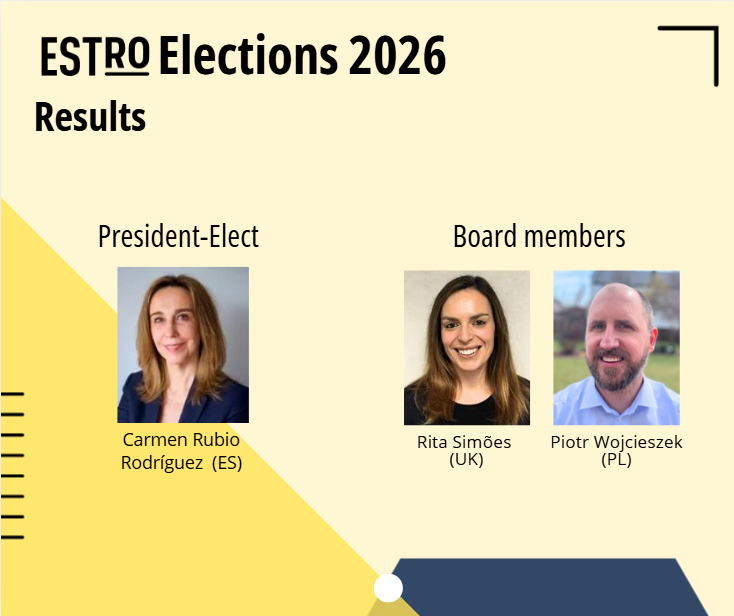
We are proud to announce the results of the #ESTROElections 2026. Please join us in congratulating our newly elected leadership:
✅ President-Elect: Carmen Rubio Rodríguez
✅ Board Members: Rita Simões & Piotr Wojcieszek
🙏 Thank you to all candidates & to our members who voted.
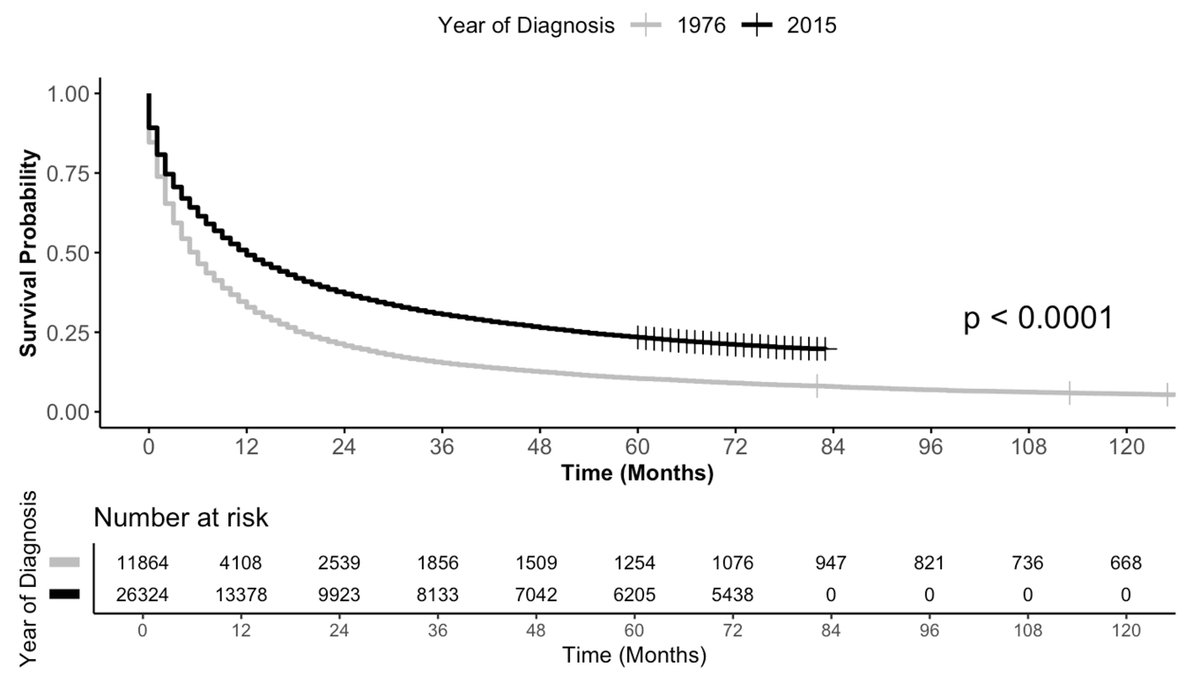
Long-term survival for patients with newly-diagnosed metastatic cancer has more than doubled ⏫in the past 40 years.
However, not all patients live longer.
https://t.co/zNg546hKcc
https://t.co/X6wTFytYPL
Work via @JCOOP_ASCO from team at @UHhospitals@CWRUSOM@MayoClinic
📄 This JAMA Oncology Patient Page describes different types of common mouth problems during #cancer treatment and how to care for them. https://t.co/gxKo4tcQKr
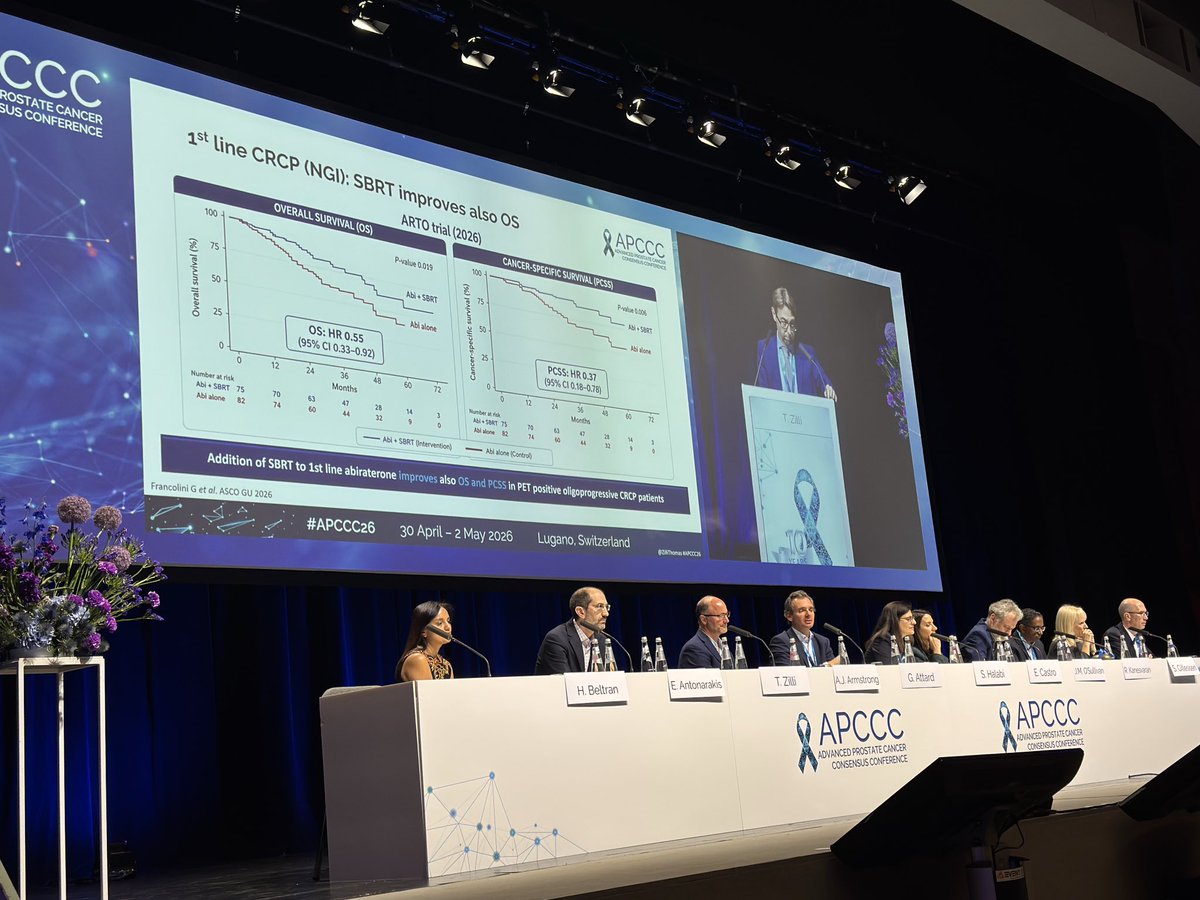
@ZilliThomas highlights the progress made with SBRT in mCRPC. The OS benefit in ARTO by @GiulioFrancoli1 is very encouraging. All trials in this setting point in the same direction: benefit on all endpoints! #APCCC26
Local salvage therapies alone for #ProstateCancer recurrence after radiotherapy maintained >75% androgen deprivation therapy–free survival at 2 years with manageable rates of severe adverse events, supporting their use in selected patients. https://t.co/s71OKRi7TO
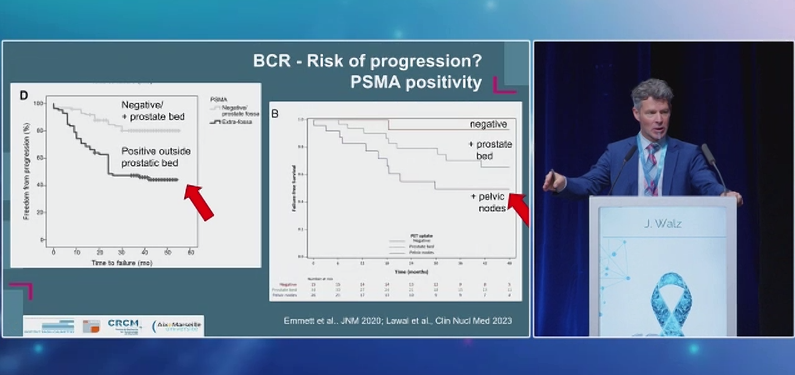
#APCCC26 Jochin Walz crushes his talk and makes the strong case why waiting until imaging is positive after RP is inappropriate and non-evidence based. Early is better!
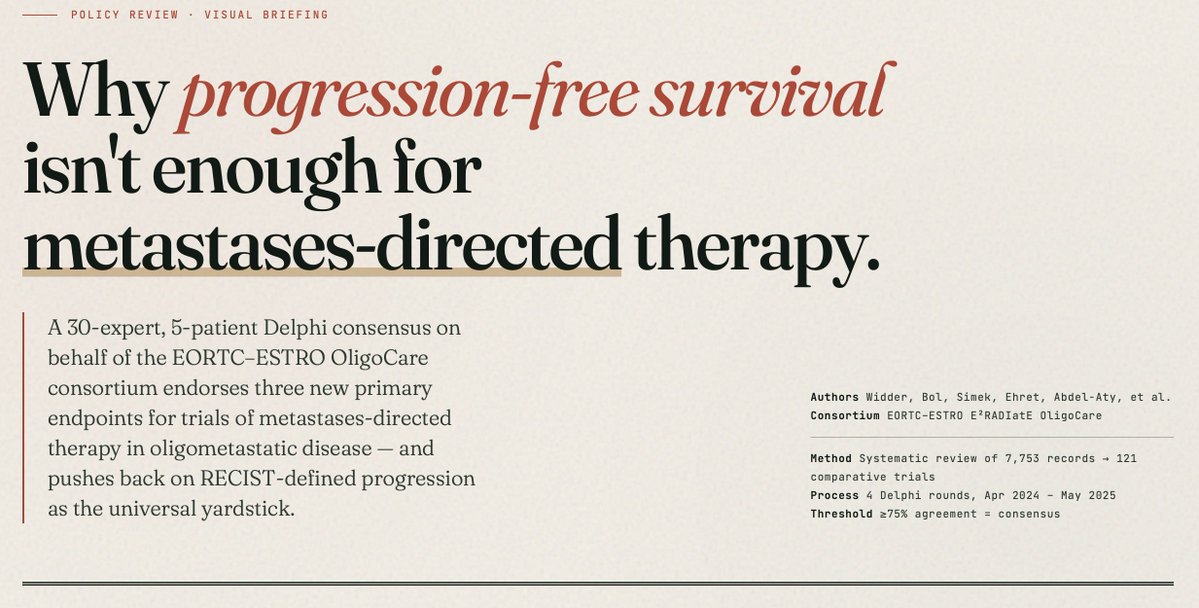
1/7 🧵 New in @LancetOncology: we built a Delphi consensus on primary endpoints for MDT trials in oligometastatic cancer — because the endpoints we've been using were designed for drugs, not for ablation.
On behalf of the EORTC–ESTRO OligoCare consortium.