#UKGovernment is the first Govt in the world to prioritise the *biology of ageing* following #COVID19
It marks a new era of medical research targeting the biology of aging to treat the diseases of an aging population
https://t.co/TwgK2qLmgP
#science#scicomm#medtwitter
I want to start by commending @BradStanfieldMD for the tenacity required to fund and execute this trial. That’s not easy to do, and it’s a meaningful contribution to the field.
The topline result, as Brad has shared, is that 13 weeks of once-weekly rapamycin did not improve muscle function in older adults and may have somewhat attenuated what many would consider “newbie gains” for untrained people beginning a dedicated training program.
That said, just as we should avoid overinterpreting positive findings from a single clinical trial, we also need to be careful not to overinterpret negative ones. This is where Brad and I diverge a bit.
In my view, these results represent a moderately cautionary signal—worthy of further study—but given several important limitations, they are better viewed as hypothesis-generating rather than confirmatory.
A couple of alternative interpretations are worth considering:
1. Time horizon matters.
My hypothesis is that the apparent attenuation in functional gains is likely a short-term effect. If the study had extended to 12 months instead of 13 weeks, I would predict the rapamycin group to show improvement.
I served as an advisor for this trial, and from the outset, I advocated for a follow-up washout period of equal length, during which participants would continue their training off rapamycin. Unfortunately, funding constraints made this impossible.
Importantly, the preclinical literature includes many examples where transient rapamycin exposure followed by withdrawal leads to durable improvements in age-related function—particularly in heart, ovary, oral cavity, and immune system. Mechanistically, this may reflect enhanced autophagy and reduced chronic inflammation.
Given that mTOR activation is required for muscle protein synthesis, it’s not surprising that early hypertrophic responses could be blunted. But over longer timeframes—especially with intermittent or cycled dosing—it is entirely plausible (and, in my view, likely) that rapamycin could ultimately enhance functional outcomes in older adults. This is consistent with work from Ben Miller and others studying aging muscle.
2. Off-label use is more nuanced than “never.”
I also disagree with the blanket position that rapamycin should never be prescribed off-label. While we absolutely need better clinical data, there is already a growing body of evidence—along with clinical experience—suggesting benefit in specific contexts.
Examples include:
- An ~75% responder rate reported in myalgic encephalomyelitis/chronic fatigue syndrome (ME/CFS patients)
- Numerous case reports of improvement in different autoimmune conditions
- Early signals for improvement in age-related declines in oral health and ovarian function
- Data suggesting improved cerebral blood flow and favorable brain volume changes in ApoE4 carriers
- Two reasonably large phase 2 clinical trials showing improved vaccine response from everolimus
For patients facing these conditions, under appropriate physician supervision and with full informed consent, I believe it is ethically appropriate to consider off-label use.
Bottom line: This study adds valuable data, but it’s one piece of a much larger puzzle. The right takeaway is to refine the questions we should be asking—and to invest in the longer, better-powered trials needed to answer them.
Huge shoutout to my friend Ken Coit for stepping up to support a major gap in longevity research.
Excited to be advising this world-class team at @UAZPharmacy on what could become a landmark clinical trial of rapamycin in humans.
We still have far more questions than answers about rapamycin and human aging—but this is exactly the kind of rigorous study we need to move the field forward.
If successful, it could meaningfully shape how we think about targeting aging biology in people.
https://t.co/9CVBaXLbRL
Thymic involution & health are actually quite interesting. People always complain about small effect sizes requiring large studies. Conceivably, we could see very large effect sizes here (tho MRI/CT if needed is expensive).
Are you funding? @NornGroup
https://t.co/pgjDniniTc
• According to the story, the dog's cancer has not been cured.
• Absent all regulatory and manufacturing constraints, we could not just synthesize magic mRNA cancer cures. The technology is very promising, but it's not yet any kind of panacea.
• The emergent system of regulators and manufacturers is indeed far too conservative, and small-scale experimentation is much harder than it should be. More people should read the first part of The Rise and Fall of Modern Medicine. Recommend @RuxandraTeslo, @PatrickHeizer for more.
Longevity research is being starved of funds just when the US needs to be more competitive. Have assembled a team working on it. Launch date: April 2026
https://t.co/DOgprwaSzv
Aging may feel gradual… but what if it’s not?
In our paper out today, we tracked fish continuously from puberty until death.
This gave us a unique view of how aging unfolds across the adult lifespan.
🧵
Today, ARPA-H is committing up to $144 million to tackle the functional decline that occurs during aging.
For years I’ve wanted to see aging treated as something we can measure and change, not just endure.
One of my biggest goals with PROSPR was to make rigorous human aging trials in non-diseased people.
The 7 PROSPR teams will:
- Find the earliest changes that predict long-term health
- Test new and repurposed therapies in 1-3 year healthspan trials
I’m thrilled to see this vision become real. Meet the teams bringing it to life: https://t.co/cafaHTmqBM
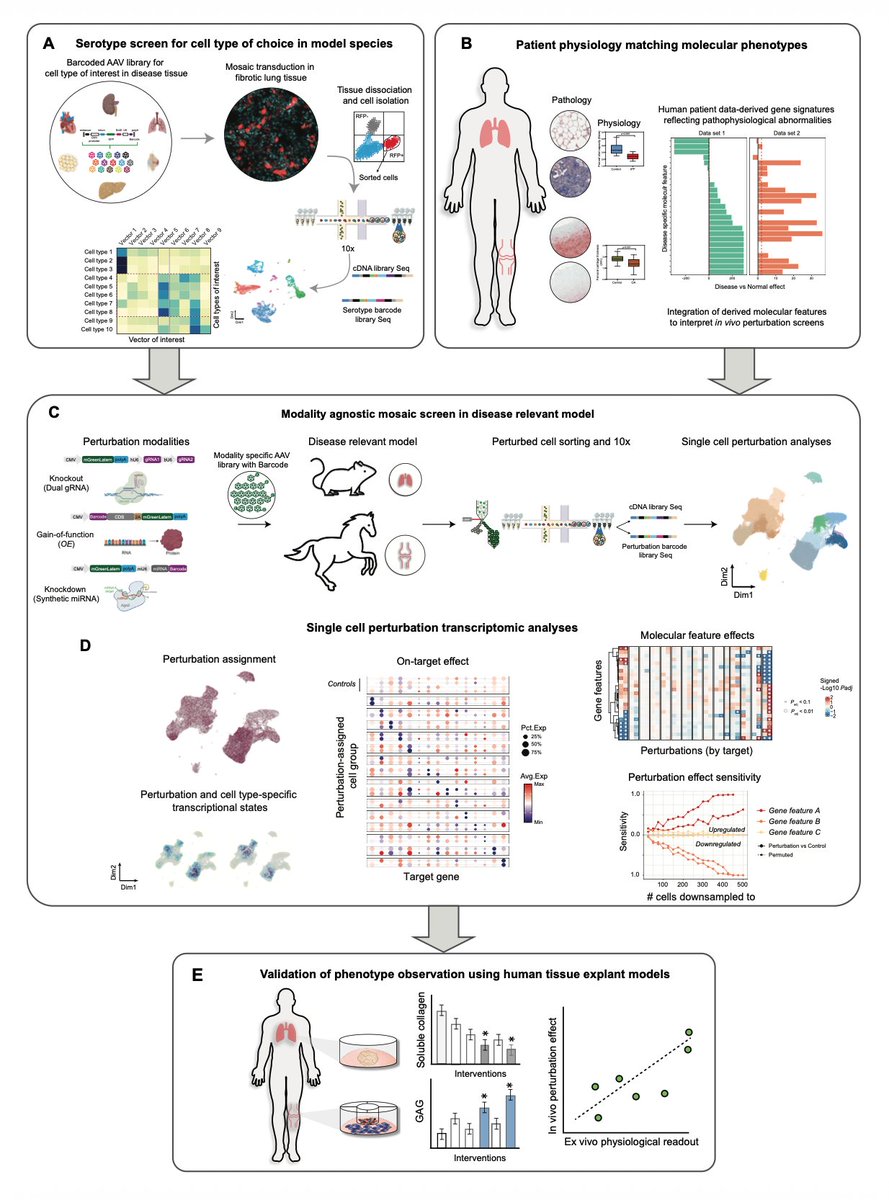
Finding new medicines is getting more and more expensive, and AI won't help much unless we can generate physiological data at scale.
In our new preprint, @GordianBio extends the progress of the functional genomics community to run pooled in vivo screens at scale, in a way that answers questions about physiology and therapeutic potential.
We show screens in mice and horses, fibrotic and degenerative disease, with a framework for physiological predictions validated in human ex vivo tissues.
Very proud of @v_sontake, @vkartha88, Neety and the rest of the team. Tweetorial follows:
Deeply honored that @TIME published my thoughts on why aging should be medicine’s biggest priority. We’re at a turning point: high-risk, high impact science through @ARPA_H is finaly treating aging like the solvable problem it is. Grateful to be part of this moment. https://t.co/uPd6Y3Tf5b
People are saying this is about money, but imo that's not true. There would be many ways to expand early stage trials *keeping money allocated to them constant*, if we rly valued choice.
Plus @sytses was delayed by IRBs in treating his cancer even if he self-funded.
Regulatory opacity and inconsistency are often worse for innovation than regulation itself. I wrote about how FDA changing its mind today regarding Moderna's trial design and its refusal to review the biotech's influenza vaccine entrenches these issues.
https://t.co/LwmQUBAwc2
Loyal has raised a $100M Series C from age1, Baillie Gifford, existing investors, & more
this brings Loyal's total funding to over a quarter of a billion dollars
we are building the longevity pharma, starting with dog longevity. thanks @FastCompany for the exclusive ->
the long-awaited paper showing structural preservation of a human cryopreservation patient’s brain from greg fahy et al is out
we can see clearly identifiable synapses, intact membranes, and no evidence of ice damage, even after years in liquid nitrogen storage
🧊🧠
It’s very sad that longevity will be tainted by awful associations with Epstein.
It’s not just creeps who don’t want themselves or their friends and family to get cancer and Alzheimer’s…but creeps and narcissists of course want to live longer, so longevity may well attract them
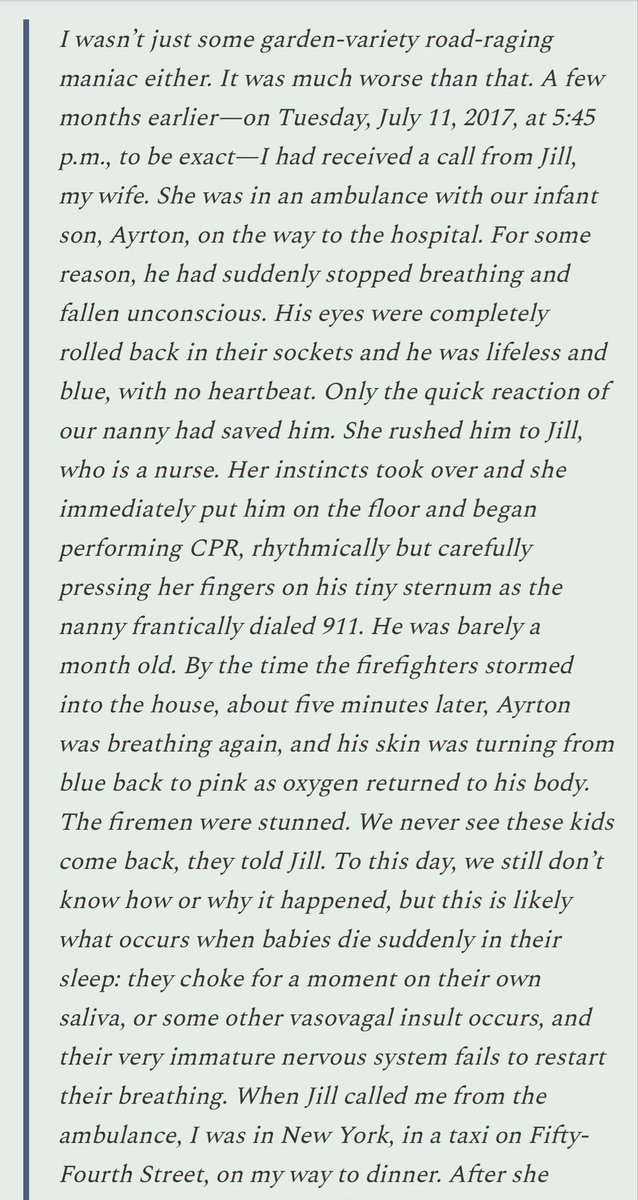
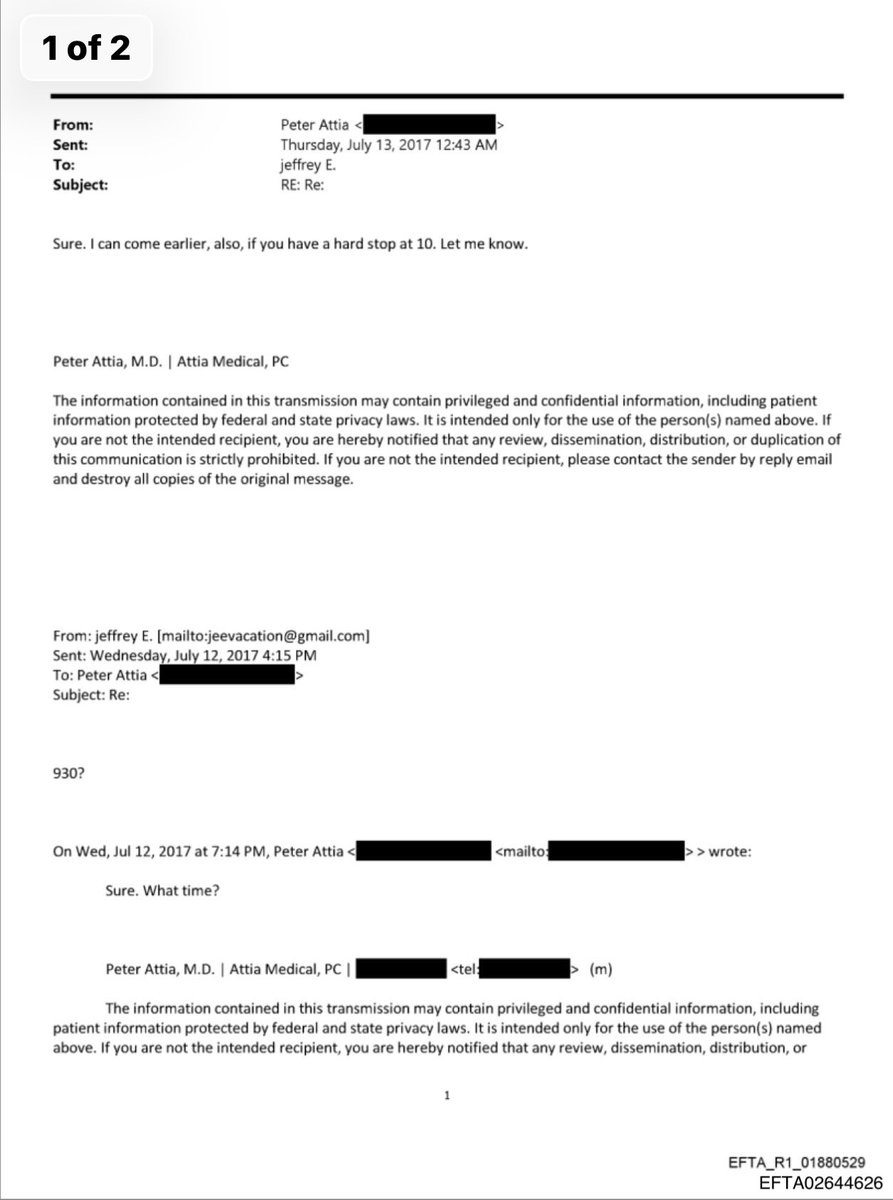
In his book Outlive, Peter Attia shares that his 1 mo old son almost died & his wife begged him for 4 days to come to the hospital where she was alone, but he didn’t due to his “important work” in New York.
Turns out that important work was meeting Jeffrey Epstein. Psychopath!
How could tiny breakthroughs in aging science change U.S. GDP and population growth?
What’s the economic value of making 41 the new 40, or 65 the new 60?
How many lives could we create or save if we could slow reproductive or brain aging by just 1 year? What would billions of healthier hours be worth to the economy, if we assume no change in the age of retirement?
I spent the last two years obsessing over the design, research, and execution of this project. The result is a book upcoming with Harvard University Press, a preprint, and—maybe your favorite part—an interactive simulation tool that lets you input your own timelines and assumptions for specific breakthroughs in aging bio, then see the ROI in terms of US population & GDP growth.
From @RickEcon and Jason DeBacker—the economists who co-developed the open-source, macro model that made this project possible—to extensive comments by @tylercowen, @sapinker, Richard Freeman, @NDHendrix, @ebudish, @elidourado, @geochurch, @jasoncrawford as well as interviews with 102 scientists (!) and countless iterations with award-winning designer Giorgia Lupi and the @pentagram team, we built something we hope will be a benchmark for how scientists, economists, designers, philosophers, entrepreneurs and storytellers can come together to paint, fund, and build different flourishing futures for our species.
I couldn’t be more excited to share this. It’s the start of an open and evolving project—the labor and product of love, obsession, and unrelenting care.
I hope you have fun playing with our simulation tool — and if you do, please share!
Good that you posted a response, Peter. Agree, there is no defense for the now public and egregious interactions you had with Epstein.
But the man you are today vs 10 years ago has not changed w/r to arrogance. Moreover, these days you are riddled with conflicts as a huckster for David Bars, AG-1 supplement, and so many other things that diminish your credibility. That's a shame.