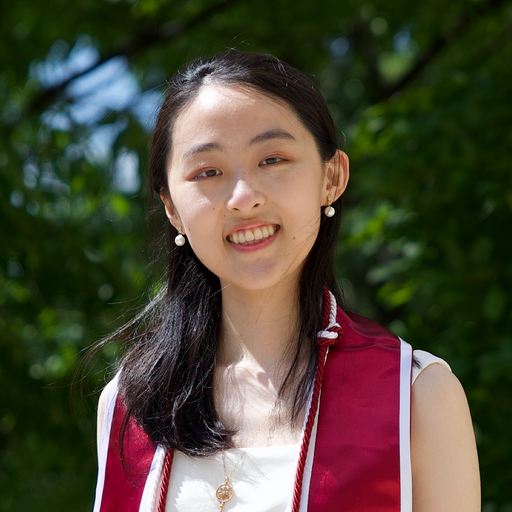
Our colleague Eva Yi Xie, a Princeton neuroscience PhD student, was detained by ICE at Reagan National Airport on her way home from SfN, where she’d just presented her poster. She’s being held in Chantilly, VA. Please help us bring her home. 📷
Excited to share two works online today from the Shendure Lab, with a contribution from the Big Green 🌲! We applied DNA Typewriter to trace mouse development from zygote to late organogenesis.
Cell–cell interactions are key to all biological processes, but there hasn't been a good way to perform inter-cellular screens for genetic regulators of these interactions in vivo.
We developed match-seq (multiplexed associative tagging of cell interaction histories) - using engineered virus-like particles to transfer barcoded mRNAs from 'sender' to neighboring 'receiver' cells, so you can reconstruct cellular interactions with sequencing alone, no imaging required.
We coupled match-seq with CRISPR + scRNA-seq in cancer, revealing cancer-immune interaction neighborhoods at scale, and new cancer genes that can be targeted for tumor rejection via immune cell interactions.
Led by the brilliant @peterdu_ with Bassik lab!
https://t.co/qI2XQxId94
Glad to share that my preprint "ID2 secures cDC1 specification by antagonizing E proteins at a pleiotropic Zeb2 enhancer" is out today in @NatImmunol
This represents another major piece of my PhD work.
https://t.co/Hel4BvK7HI
Preprint thread:
https://t.co/2AmaXdcBet
Very thrilled and grateful to see our work featured on the cover of @NeuroCellPress! Many thanks to our co-authors and collaborators who contributed to this study.
Presented at #ASCO26:
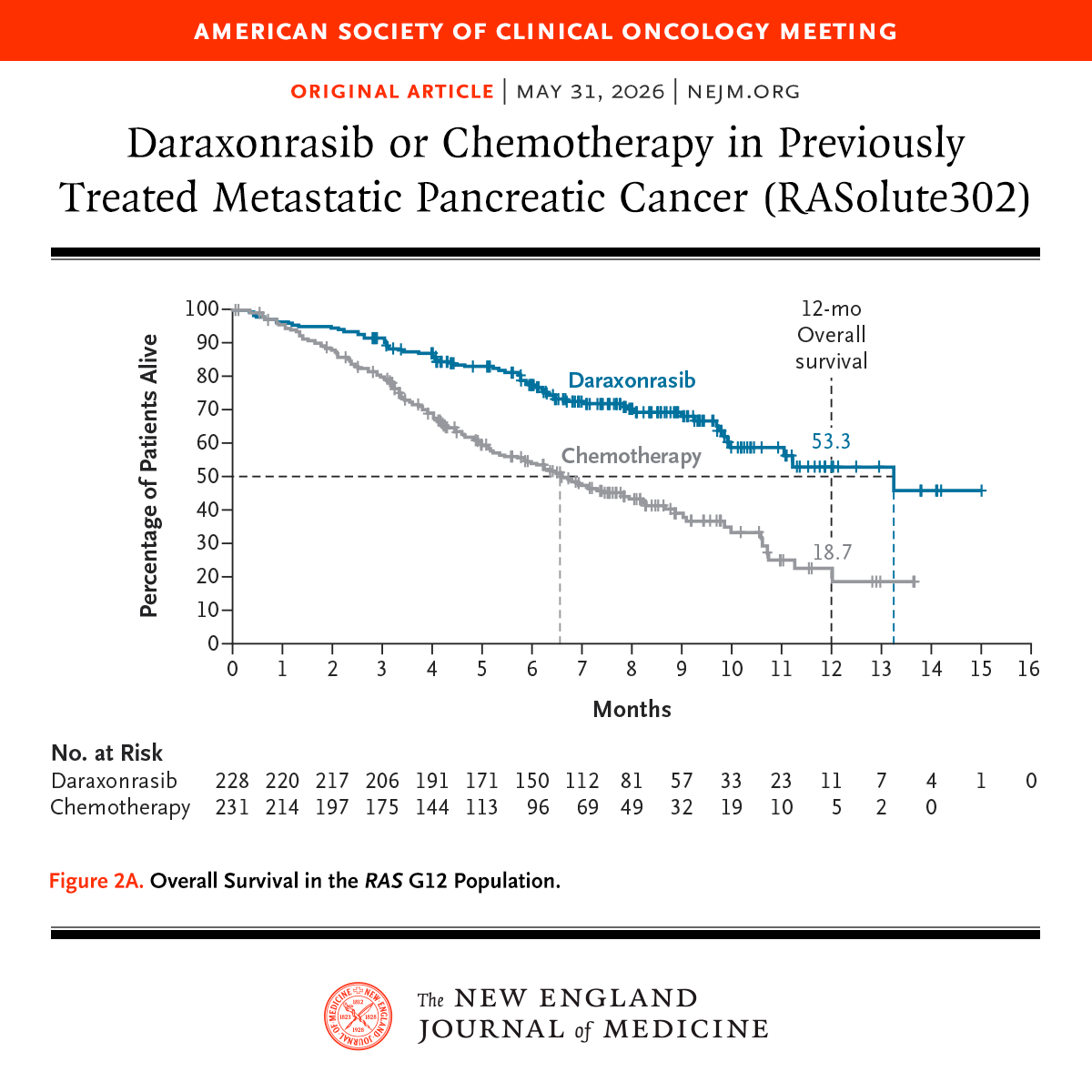
Among patients with previously treated metastatic pancreatic ductal adenocarcinoma, the RAS(ON) inhibitor daraxonrasib led to significantly longer overall survival and progression-free survival than chemotherapy. Full phase 3 RASolute 302 trial results: https://t.co/xwLWBZYRzq
@ASCO
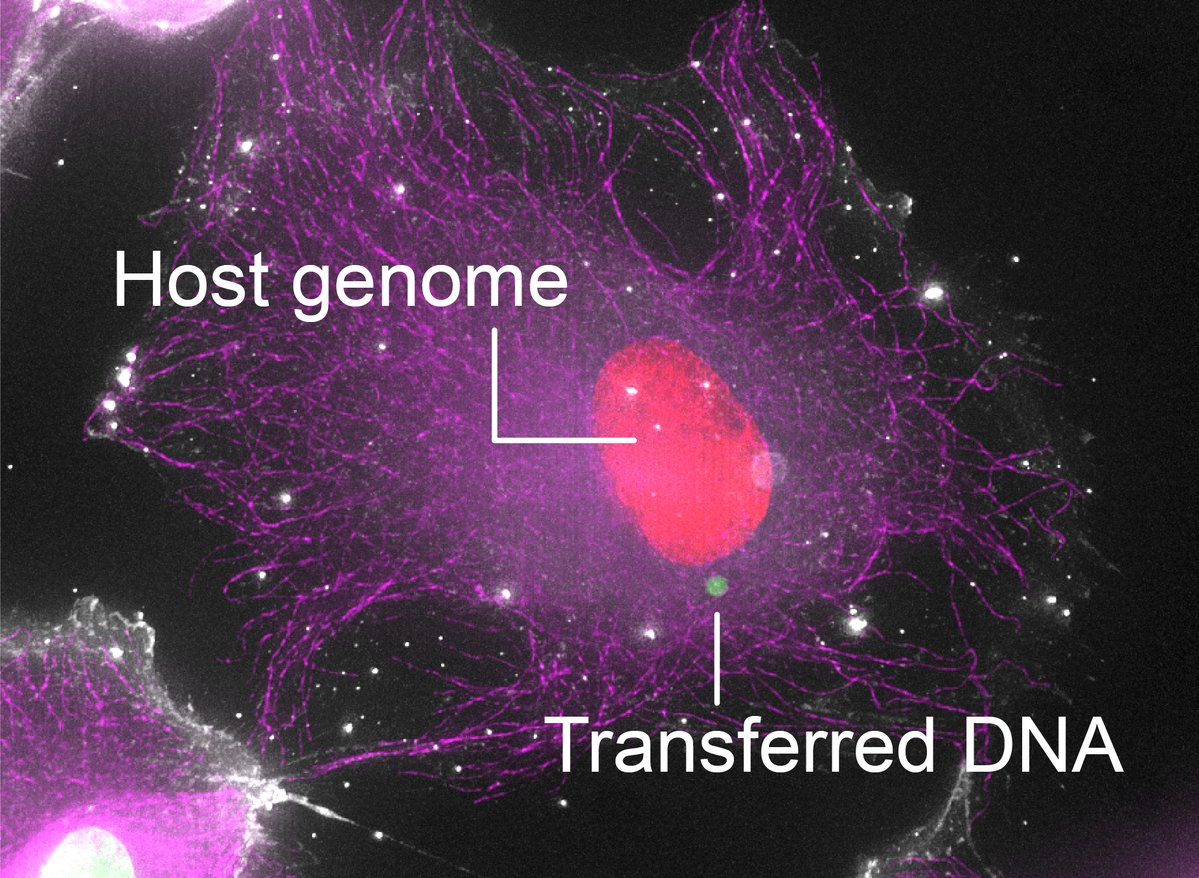
Excited to share our latest paper, out today @CellCellPress. We found that large pieces of the human genome can transfer between cells upon direct contact, endowing recipient cells with heritable phenotypic changes. (1/7)
https://t.co/SbshGhofN0
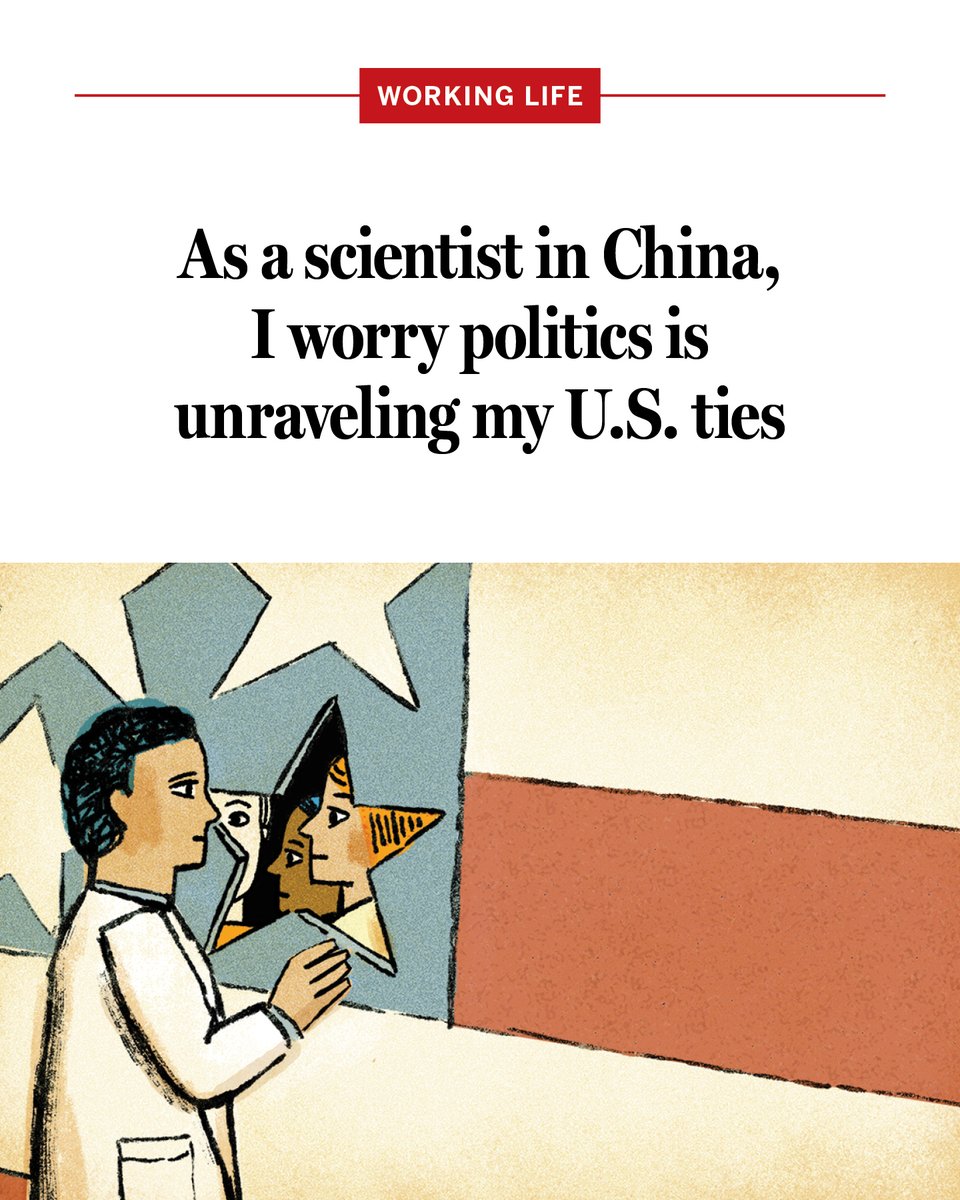
"I became the scientist I am because my supervisors and collaborators were willing to share ideas, resources, and mentorship. It is a strange feeling for me to see that culture threatened." #ScienceWorkingLife https://t.co/gF9CbHn0YF
Did you know there are lots of similarities between the innate immune systems of animals/plants and the phage defense systems in bacteria? Check out our new study by the amazing trio Alex (Linyi) Gao, @maxewilkinson, and @thestrecker. Congratulations! https://t.co/jLPdHShE1t.
Thrilled to share our work! Immensely grateful to my incredible mentors, Fabiola and Marco, to all co-authors, and to Science for publishing and supporting our work !
https://t.co/AQ2rItET37
PerturbFate is officially out in @Nature today! From chromatin to RNA, we dissect the causal regulatory logic linking genotype to phenotype. Huge thanks to my PhD advisor @junyue_cao@Wei_Zhou_1989, and @RockefellerUniv for providing such an incredible research home!
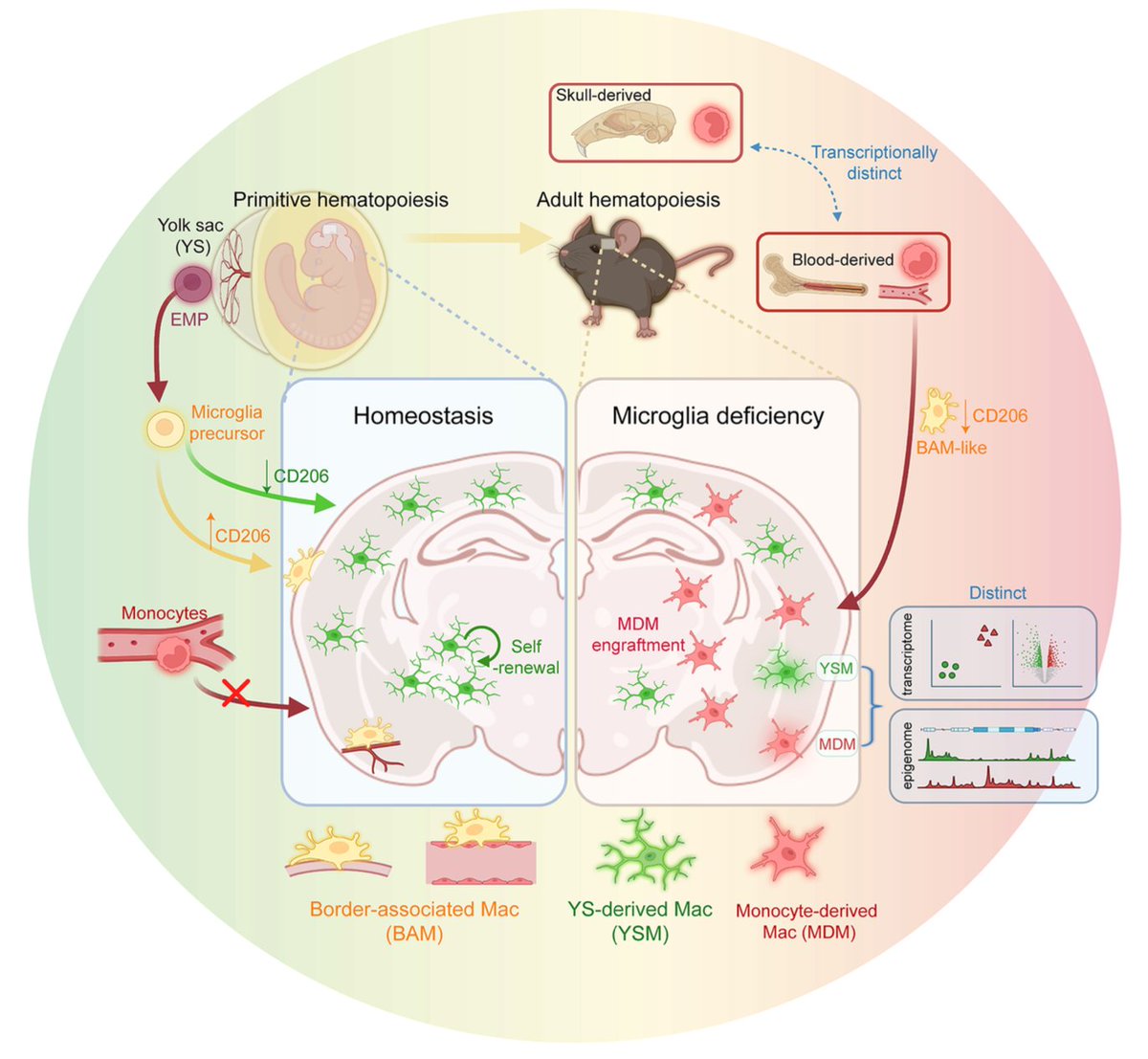
🧵Excited to share my thesis work out today in @NeuroCellPress from @kipnislab and @TheColonnaLab: "Brain-Engrafted Monocyte-derived Macrophages from Blood and Skull-Bone Marrow Exhibit Distinct Properties." 🧠🦴
https://t.co/fNSgDgn6i8
Chris Paul and his leadership style clashed with the Clippers, sources tell ESPN. Paul has been vocal in holding management, coaches and players accountable, which the team felt became disruptive. Specifically: Ty Lue was not on speaking terms with Paul for several weeks.
🧵1/8 Happy to share my new preprint “ID2 secures cDC1 specification by antagonizing E proteins at a pleiotropic Zeb2 enhancer.” I resolved why ID2 is essential for cDC1 lineage specification and uncovered a new paradigm of enhancers. Read here: https://t.co/LVdCntNvGe
🧵1/
Excited to share my first publication from the @ColonnaLab in @NatImmunol! We investigated how mutations in the human CSF1R gene disrupt microglia and impair white matter integrity in a rare but devastating neurodegeneration called ALSP.
https://t.co/39kxODSumy
In this Insights piece, I discuss the recent study by Sun et al. @gardnerlabUCSF, which advances our understanding of tolerogenic RORγt⁺ APCs. I also briefly overview current knowledge and future directions in this rapidly growing field. Grateful to JEM for the opportunity.