🚨New @LyssiotisLab paper led by Dr. Megan Radyk in @NatureMetabolism
"NADPH-producing enzymes restrict the formation of pancreatic precancerous lesions"
🧵Follow for a tweetorial... and bonus highlight of @LabVousden co-published study and News & Views link from @WellenLab!
Same calories, same macros — different metabolism. In a crossover trial (n=32 metabolic), an ultraprocessed meal drove higher insulin AUC than a matched minimally processed meal, with glucose AUC unchanged.
https://t.co/ARKPhpPcrE
Excited to share our new publication in Nature Metabolism @NatMetabolism led by the fantastic @XingxiuPan, where we uncover an unexpected connection between reductive and oxidative stress. This study contains many exciting findings, and I will be highlighting different aspects of this work in a series of posts.
One of the central conclusions is that the NADPH/NADP+ ratio is a critically underappreciated parameter in mitochondrial dysfunction.
In this study we present SaNADK, a new xenotopic tool based on the S. aureus NAD kinase, which expands the cellular NADP(H) pool nearly six-fold! Most remarkably, together with the Peter Adams lab @AdamsBioAging, we found that increasing NADP(H) levels with SaNADK alone was sufficient to reverse age-associated hepatic transcriptomic signatures linked to metabolic dysfunction and inflammation as well as liver fibrosis highlighting the profound influence of NADP(H) metabolism on cellular aging.
We also uncovered an important aspect of mitochondrial bioenergetics. We found that NADH-driven reductive stress can cause excessive reduction of the coenzyme Q pool, creating a bottleneck for multiple coenzyme Q-dependent reactions. As a consequence, electron flow through CoQ-linked systems is impaired, including DHODH activity and de novo pyrimidine biosynthesis. These findings may help explain numerous observations in the literature that have long appeared counterintuitive, namely that mild mitochondrial complex I inhibition can sometimes be beneficial.
Here is the link to the study:
https://t.co/81x6P2gwHY
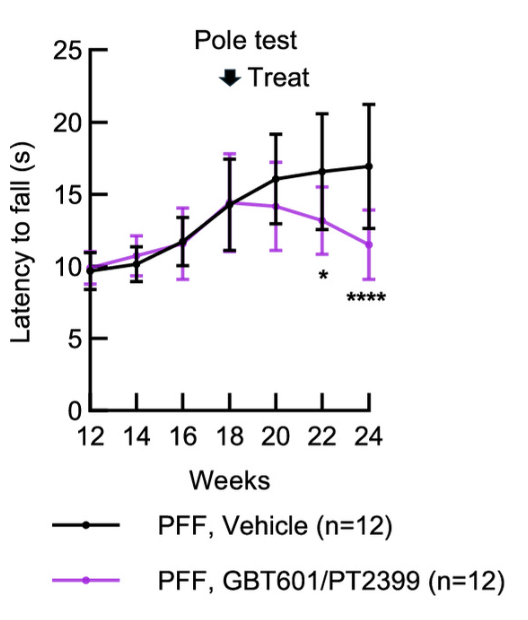
Introducing our next-gen “hypoxia in a pill” - we upgrade the combo by replacing GBT440 w/ 2nd-gen Hb affinity enhancer GBT601, and continue to pair with HIF-2α inhibitor PT2399. Highly effective in advanced Parkinson’s dz and Leigh syndrome mouse models
https://t.co/58KbrX4s1p
After many years of effort, deliberation, excitement, angst, joy, and Wednesday afternoon lab lunches, our group's first manuscript on cachexia, led by Venise Jan Castillon, Amy Xie, and really our whole lab https://t.co/PizrA8NyaU @NatureMedicine
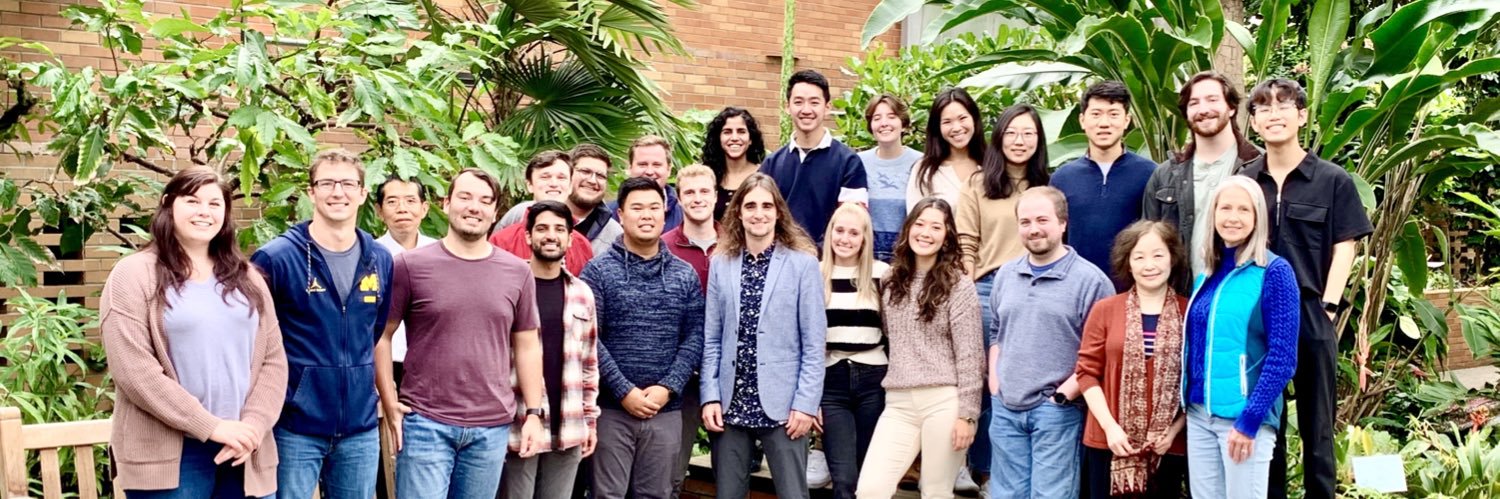
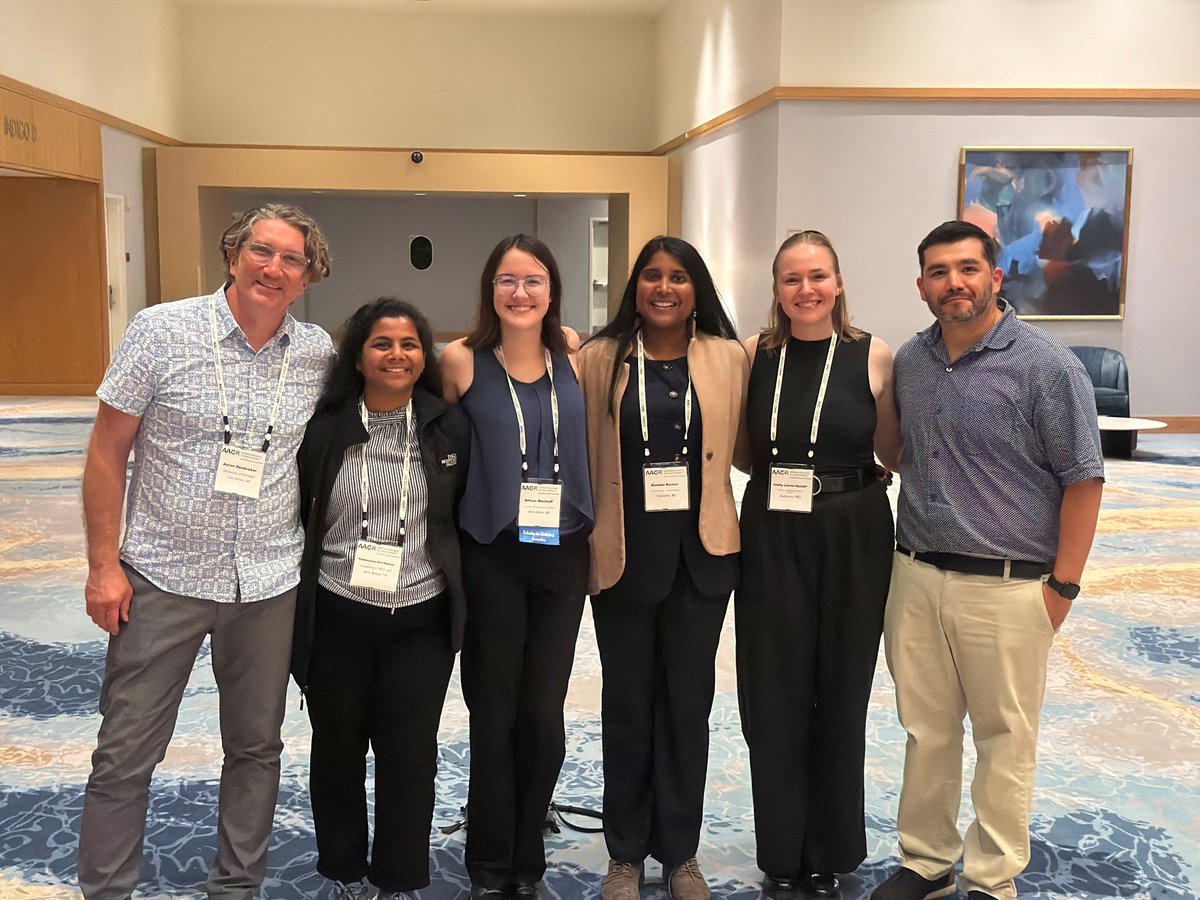
Shining the spotlight on our 🌟, Eileen Carpenter, MD, PhD. Dr. Carpenter recently gave the Rising Star Keynote address at the AACR Conference on Pancreatic Cancer @AACR@UMRogelCancer
Cool video about the discovery research on healthy aging and lifespan happening in @UMPhysiology in the @LeiserLab and by PhD student Sarah Easow. If you are interested in supporting discovery research like this go here: https://t.co/D6gYTnEeGH
i'm happy to share that our lab has joined @FoxChaseCancer! v proud of what our team achieved in Madison & now we look forward to this next chapter in the vibrant Philly scientific ecosystem - actively recruiting at all levels across the biological sciences and engineering!
Reminder that @NIH has an open request for feedback on proposed changes to peer review and how grant scores are reported to investigators and to council. Comments are due by Oct 13. https://t.co/fkR9FbXjrR
Completely insane.... leukemia cells can damage the nerves in the bone marrow, and that nerve damage then helps the cancer grow !
https://t.co/lHzqd5WirN
Preprint by @SantoshVardhana@MSKCancerCenter
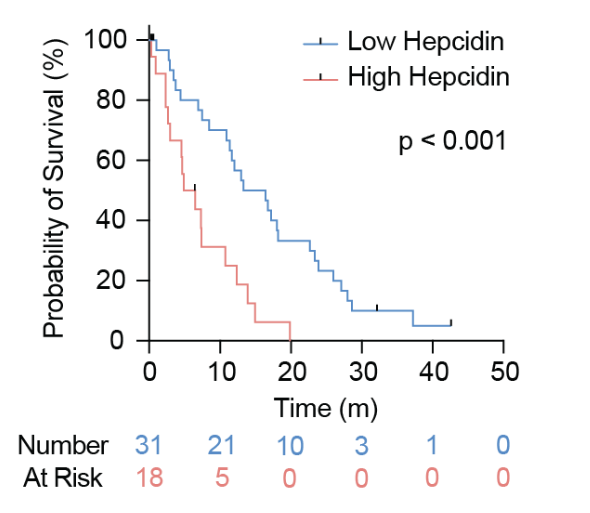
Systemic iron sequestration restricts the intratumoral CD8+ T cell landscape in #PancreaticCancer
https://t.co/Hmhz9NorXK
Iron uptake by tumor cells for survival also deleterious to T cells, especially in limiting conditions.
Congrats to @Nancy_T_S for pulling together and leading this great collaborative effort between our lab and @JustinPerryPhD! Here we build more on the concept of metabolic symbiosis… https://t.co/4EF07agQ0H
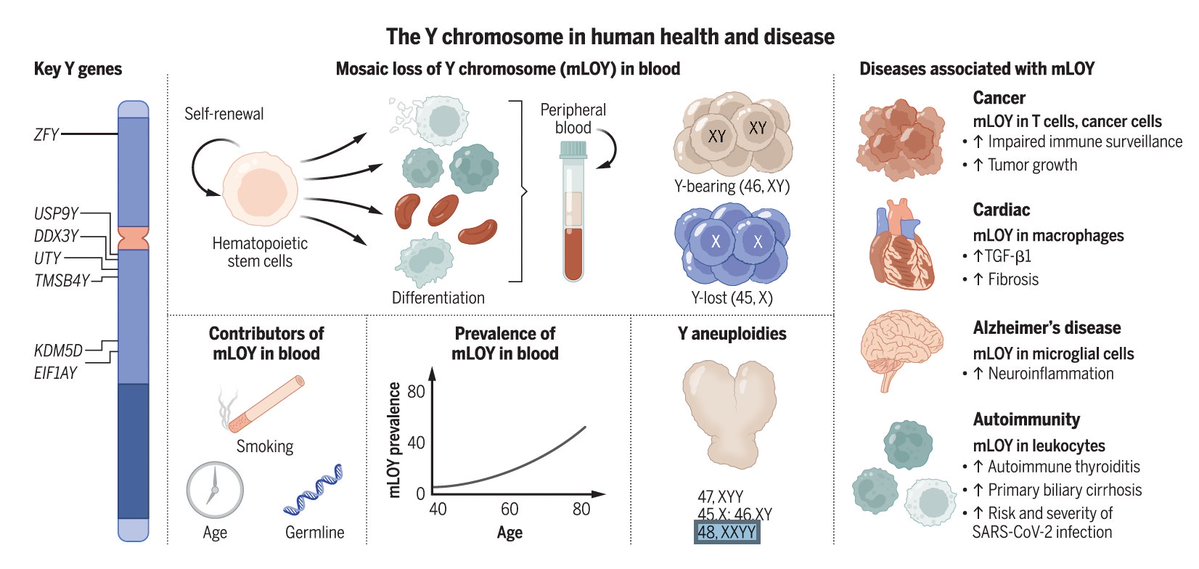
By age 70, 40% of men have mosaic loss of Y chromosome (mLOY); about 20% exhibit Y loss in at least 10% of their blood cells.
mLOY carries a significant risk for cancer, heart disease, Alzheimer's, and autoimmunity. But we don't measure it!
Reviewed in @ScienceMagazine today https://t.co/5lj10syyjk
The new issue of @CD_AACR is out, with a cover article on spatial transcriptomics of #PancreaticCancer precursor lesions, by @Pasca_Lab@UMICHpancreas
Asynchronous Evolution of Epithelium and Stroma Differentiates Precursor Lesions from Pancreatic Cancer
https://t.co/Ywns8NcdnL
Is phosphorylation broadly relevant to mitochondrial protein function? In work led by @AJsmith231, we silenced 10 mito phosphatases, mapped dynamic sites, and revealed functional implications for import, catalysis, and morphology.
https://t.co/eeu6BzKL7z
# Mitochondria
#HHMINews