Today I am sharing a new preprint and accompanying blog post. Hundreds of published papers include impossible western blots showing protein expression in cell lines that have deleted or mutated genes. These clumsy mistakes are widespread and repeated by LLMs.
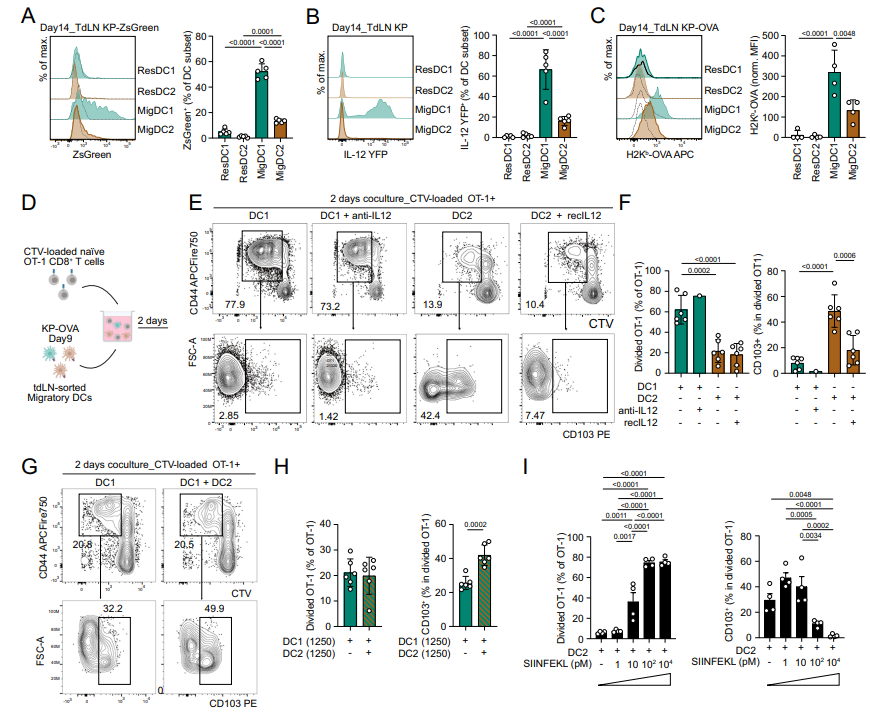
Distinct migratory dendritic cell subsets cooperate to prime tissue-resident memory-like CD8⁺ T cells in mouse tumors @NatureComms@GuermonprezLab@institutpasteur 🇫🇷a
https://t.co/1n6DP2Ji6K
I like it when the beef ends up being a paper in a decent journal.
Cell versus PNAS.
"Direct activation of SARM1 by dsDNA is not supported by biochemical and cellular evidence"
https://t.co/xcj22pz8g3
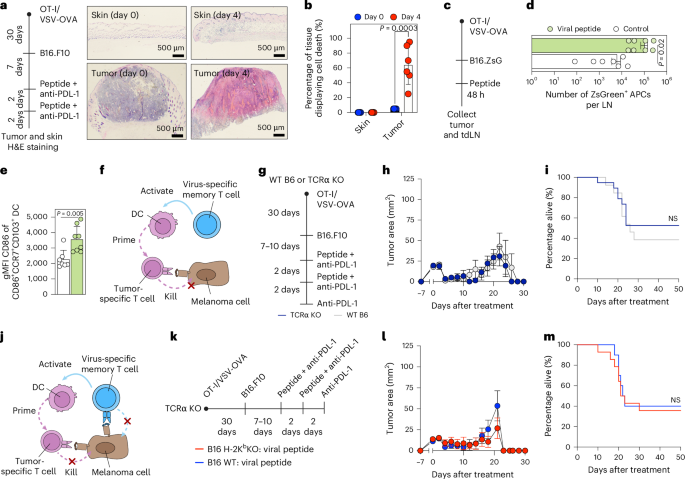
Some inflammatory monocytes differentiate into lung-resident Gal-1+ myeloid cells that colocalize with & support the long-term maintenance/recall responses of influenza virus-induced tissue-resident memory CD8 T cells @NatImmunol
https://t.co/6bRwyC9kHy
https://t.co/tcm48hzxUs
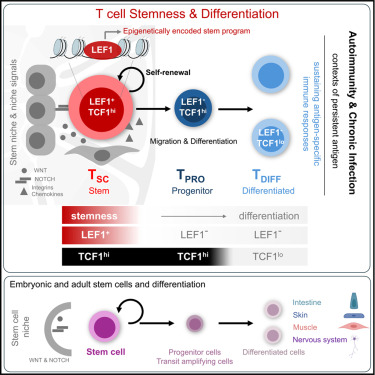
In my view, from the perspective of adaptive immunity, responses to self and to chronic infection are fundamentally indistinguishable. Autoimmunity is an obvious failure of tolerance, and chronic infection should be viewed similarly.
#immunology
1/5
https://t.co/X9eb3Ux8ua
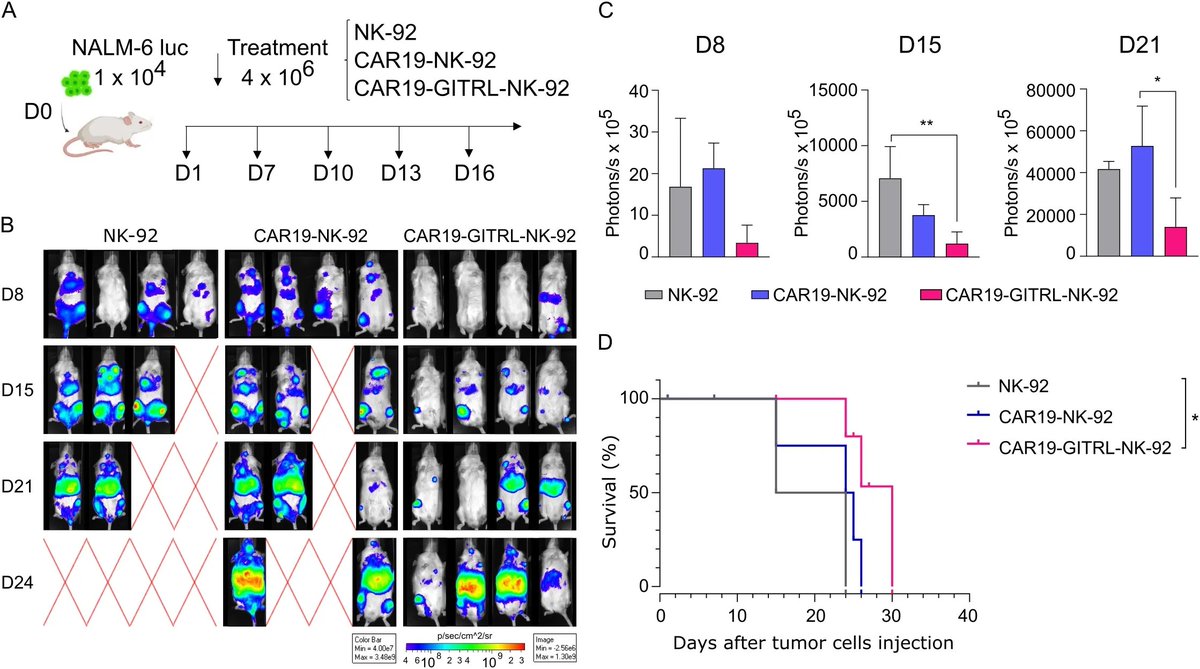
Intratumoral Treg cell ablation drives NK cell tumor control via CD4 T conv cell–derived IL-2, eliminating MHC I+ or MHC I− cancers without systemic toxicity
https://t.co/YfUsOYivpj @SciImmunology@UCBerkeley@david_raulet
This is an important read - and a key response to this challenge is to concentrate resources on early trials for the deep molecular profiling of responses to novel therapies- and advance programs only if biology aligns with pathological/clinical responses
Online now: Foxp3 and BATF cooperatively direct cis-regulatory programs and gene expression for effector Treg cell differentiation https://t.co/DUpSIbBY5Y
Excited to share- Building on our work defining TRMacs heterogeneity, we show that distinct chemokine+ IM subsets and recruited TAM niches shape pro- and anti-tumor immunity within to the TME, while Ag+ moDCs trafficking to LNs dampen DC-based neoAg vac
https://t.co/iYpHv6O1S4
Genetic studies by Li et al. showed that SLAMF6 (also known as Ly108) functioned to repress T cell activation in mice and humans by triggering homotypic cis interactions at the T cell surface, suppressing TCR signaling through SHP-1 and limiting antitumor immunity, independent of SLAMF6 expression on tumor cells or APCs. SLAMF6 was expressed preferentially on Tpex cells, but not terminally exhausted Tex cells, and potent agonist mAbs that blocked T cell SLAMF6 cis binding boosted T cell activation and increased antitumor T cell responses, decreased numbers of Tex cells, and inhibited tumor growth in vivo, comparable to results obtained with SLAMF6 deficiency. https://t.co/ld73rMvzxM @mcgillu