“NTDs Elimination Is Within Reach” – Dr. Brian Chirombo’s Keynote
Dr. Brian Chirombo (@BrianChirombo), @WHORwanda Country Representative, delivered a powerful keynote address at the Annual High‑Level National Stakeholder Advocacy Meeting on NTD Prevention and Control and WASH integration. Speaking to a room of +70 government officials, partners, academia, and community representatives, he framed the dialogue as a decisive moment for national ownership, integration, and accountability.
He acknowledged Rwanda’s significant progress in reducing the NTD burden through mass drug administration, community engagement, and strong leadership. However, he pointed to persistent challenges: “Schistosomiasis and soil‑transmitted helminthiasis continue to affect many communities, particularly where access to safe water, sanitation, and hygiene remains inadequate.”
Five Priorities to Accelerate NTD Elimination
Dr. Chirombo outlined five strategic priorities, aligning with the WHO NTD Roadmap 2021-2030, the Kigali Declaration, and Rwanda’s own NTD Strategic Plan 2026–2030.
1. Strengthen national ownership and political leadership
“When national leadership is strong, clear, coordinated, and accountable, significant public health gains are possible.”
He praised Rwanda’s track record and called for making elimination a national development priority, not merely a technical objective.
2. WASH integration: from principle to practice
“Integration should not mean occasional coordination meetings. It should mean shared planning, shared data, shared targeting, shared budgets where appropriate, and joint accountability for results.”
He urged that districts with persistent transmission be prioritised for WASH investments, school health, behaviour change, environmental management, and primary healthcare, using data to identify inequities and track progress together.
3. Sustainable financing as a central pillar
With donor funding declining globally, Dr. Chirombo emphasised the need to unlock domestic resources, not only government budgets but also private sector contributions. “Elimination cannot be achieved with external funding alone.”
He called for a whole‑of‑government approach, involving @RwandaHealth, @RwandaFinance, @RwandaLocalGov, @RwandaInfra, @Rwanda_Edu, @RwandaAgri, and @EnvironmentRw, and urged partners to align their investments with national priorities, especially in high‑burden communities.
4. Communities as leaders, not just beneficiaries
“Communities should help define the problems, shape the solutions, and monitor whether services are reaching those most in need.”
He highlighted that community health workers, teachers, local leaders, families, and people affected by NTDs understand barriers that national programmes may miss. He stressed the importance of elevating community perspectives in policy dialogue, a core objective of today’s meeting.
5. Accountability and evidence for impact
“Our collective success should not only be measured by the number of meetings, tablets distributed, or campaigns conducted; we must also ask: Are infections declining? Are WASH services improving? Are communities more aware and empowered? Are district plans integrating NTD and WASH priorities?”
He called for a shift from process indicators to impact indicators, ensuring that resources reach the most vulnerable and that domestic financing increases over time. #UniteActEliminate #EndTheNeglect #RoadToElimination #BeatNTDs #NTDs #WASH
@TheENDFund@GlobalFund@Imbuto@RwandaEast@RwandaSouth@CityofKigali@unicefrw@Rwanda_Child@ImroRwanda@InterfaithRda@HDIRwanda@Sfrwanda1@wasac_rwanda@WaterRwanda@cooperation_lu@UNDP_Rwanda@ughe_org@ReseauP29968@GermanyinRwanda@PSF_RWA@WateraidRwanda
Fueled by Purpose: Rwandan Youth Are Rewriting the Story on Malaria and NTDs
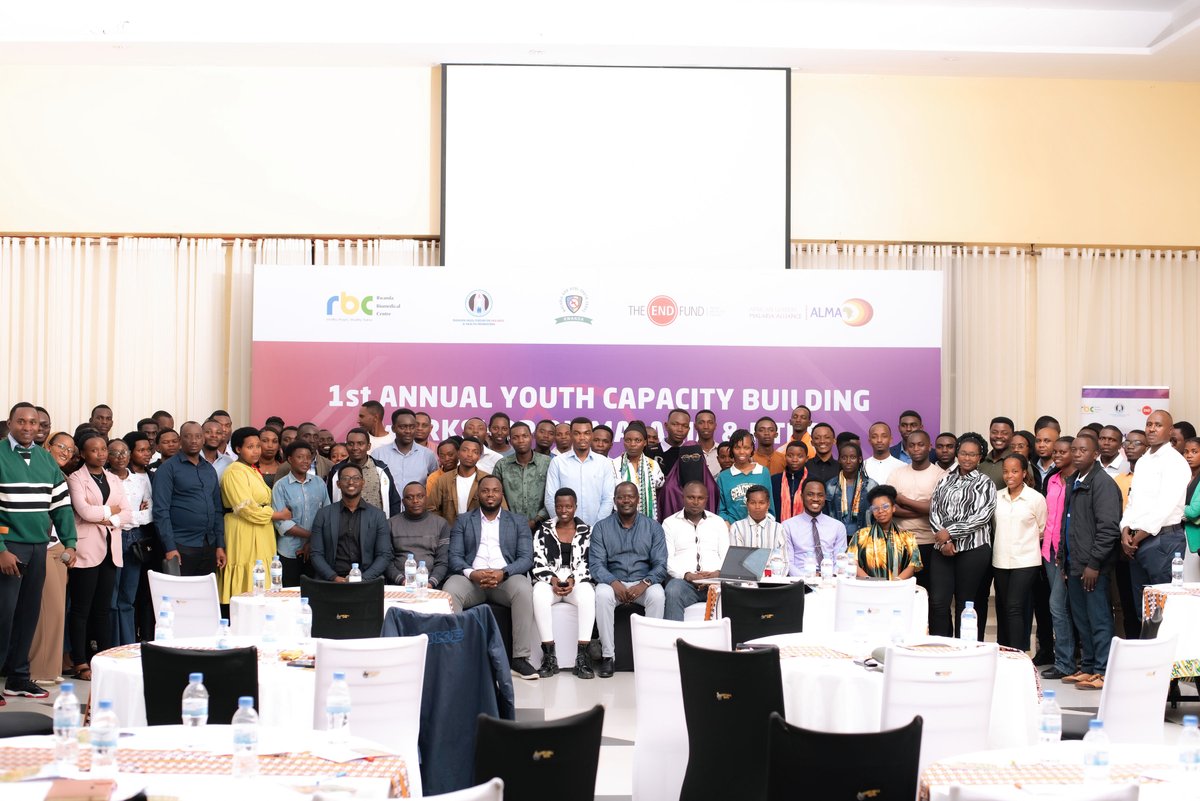
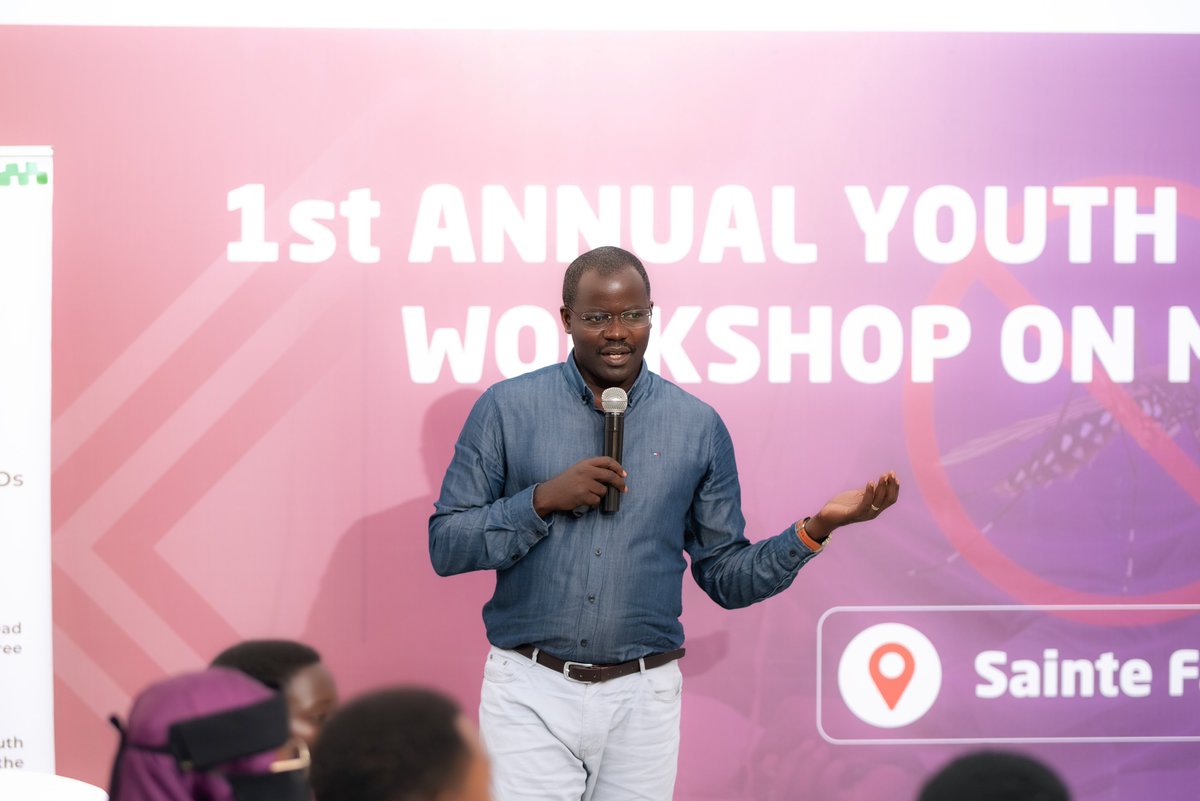
Today, @RwandaNGOForum , through its youth program (@MalariaNTDcorps ), in collaboration with @RBCRwanda , under the support of @TheENDFund , has conducted the 1st Annual Youth Champions Capacity Building Workshop on Malaria and Neglected Tropical Diseases (#NTDs), bringing together +100 youth leaders from @CityofKigali , @BugeseraDistr and @RuhangoDistrict to strengthen community engagement and youth-led action toward a malaria- and NTD-free generation. The Rwanda Malaria and NTDs Youth Corps, under the support of @ALMA_2030 , serves as a national platform for mobilizing youth communities, promoting disease-proven interventions, and driving locally-led innovation aligned with national Malaria and NTDs goals and Universal Health Coverage goals.
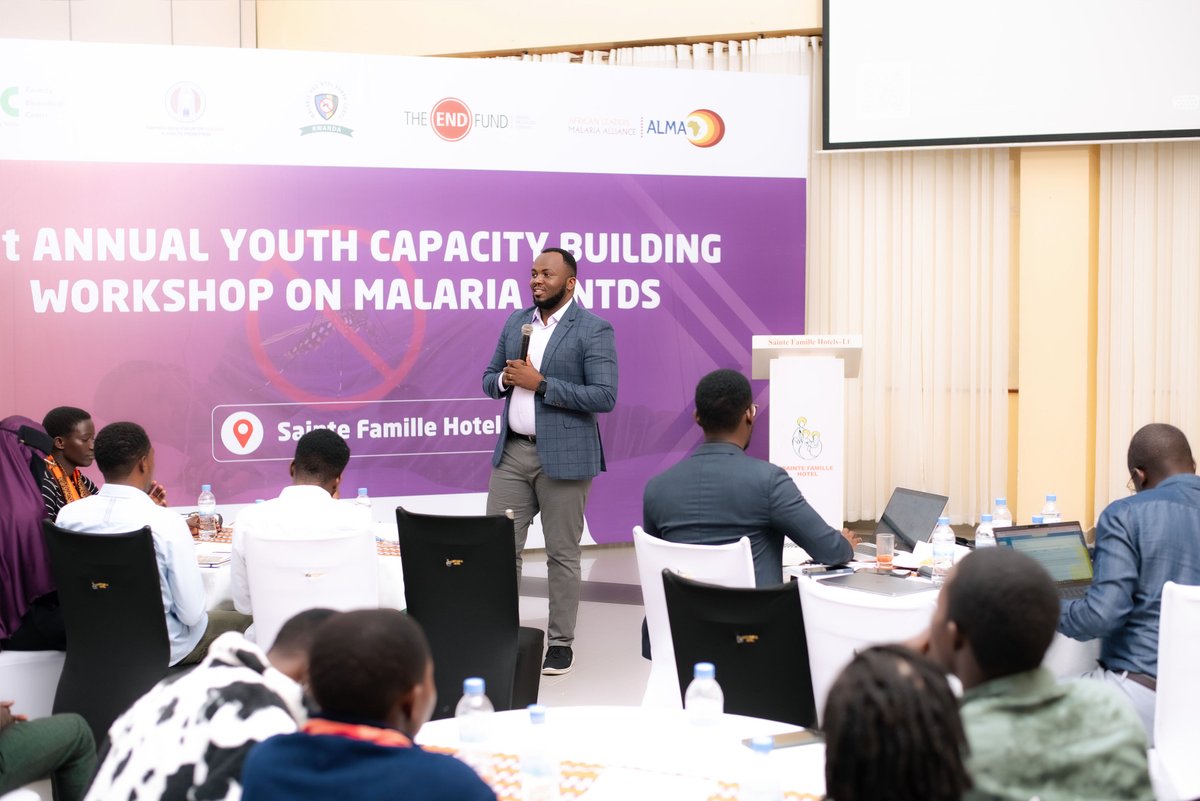
In their opening remarks, @LadislasN , Director of NTDs and Other Parasitic Diseases Unit at @RBCRwanda , and @Loui_Ngabonzima , Director of Programs at @RwandaNGOForum , emphasized that youth are not only beneficiaries but also key partners and leaders in accelerating malaria and #NTD elimination in Rwanda.
Participants engaged in technical sessions on the global and national malaria and NTD landscape, priority interventions such as LLIN use, IRS, MDA, and early care-seeking, community engagement, and the critical role of youth in strengthening community awareness, treatment adherence, and sustained behaviour change. Through experience sharing, group discussions, and co-creation labs, youth champions developed practical, youth-led intervention concepts aligned with national priorities in Malaria and NTDs.
The Youth Program Lead from @RwandaNGOsForum, @TungaChristian , highlighted the mandate of the @MalariaNTDcorps , showcasing early achievements that have reached more than 15,000 people in just three months of their formalization through community outreaches and awareness activities.
The workshop also strengthened coordination and accountability mechanisms between youth champions and national and district stakeholders, ensuring harmonized, evidence-based, and culturally appropriate messaging and a clear pathway for implementation of youth-driven actions.
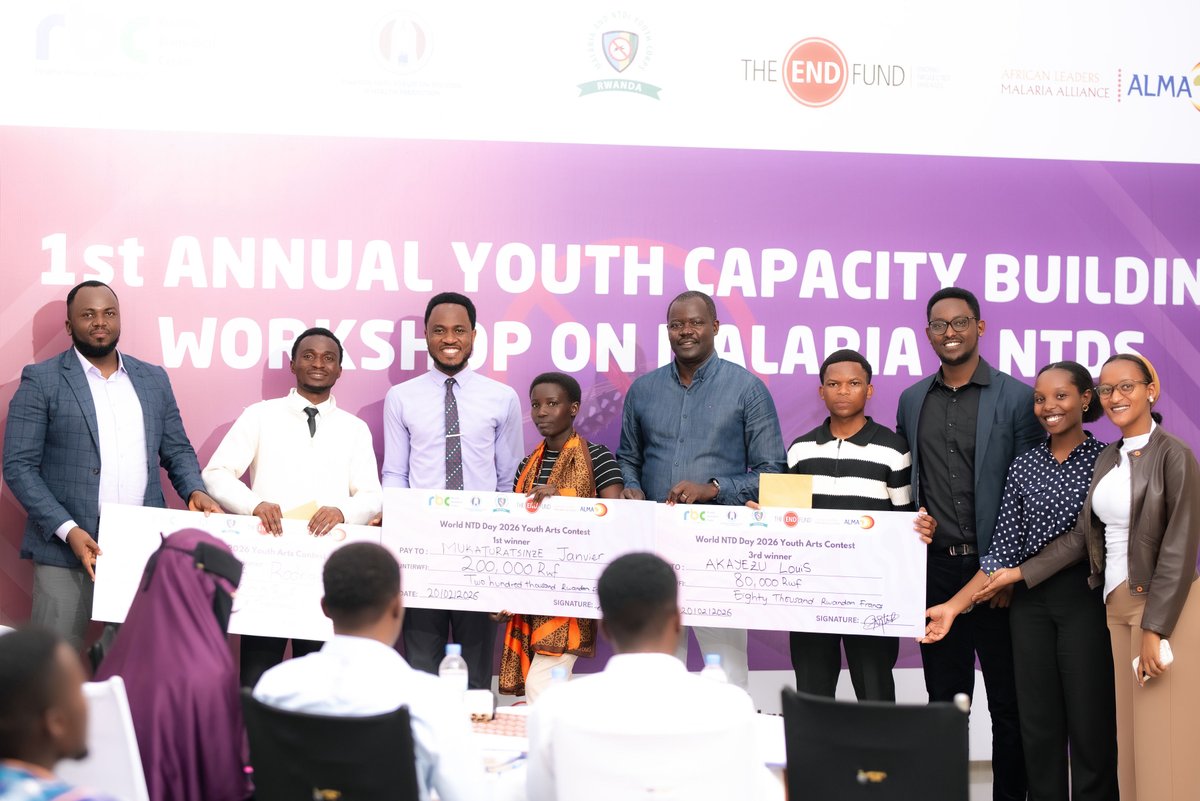
Creativity and impact were celebrated through the Youth Against NTDs Arts Contest Awards, held in the build-up to World NTDs Day 2026, where young innovators were recognized for powerful poems, songs, drawings, and audiovisual messages using art as a tool to educate, communicate, mobilize communities, and inspire action against NTDs.
Together, today’s workshop reaffirmed that youth leadership and meaningful engagement are at the forefront of Rwanda’s fight against malaria and NTDs; building skills, providing practical tools to lead community health initiatives, strengthening partnerships, and renewing commitment to healthier communities for all.
#BeatNTDs #ZeroMalariaStartsWithMe #YouthInActionRw #UniteActEliminateRw #IsukuHose
Huge congratulations to @RwandaNGOForum, @RBCRwanda, and partners for steering the collective effort and successful #NTD response, building on the significant drop in intestinal worm infections from 66% to 39% and more 👏🎉
Reaching the 2030 #NTD elimination goal is possible, but it requires more than just medicine. Our strategy for the "Last Mile" must rely on:
✅ Empowering #communities to lead and drive ownership, ensuring sustainability.
✅Promoting multi-stakeholder collaboration and coordination under the "One Health" approach to unify collective action.
✅Localizing global best practices for the #Rwandan context.
✅Domestic resource mobilization through innovative financing models to ensure health resilience is independent amid shifting global aid landscapes.
Prioritizing these meaningful engagements, we turn #NTD elimination into a journey of #equity, whereby every community's health is upheld with dignity and opportunity.
Dukomeze "Tujyanemo mu Isuku n’Isukura Duhashye Indwara Ziterwa n’Umwanda."
#UniteActEliminateRw #WorldNTDsDay #EndTheNeglect #HealthEquity #IsukuHose
@WHORwanda@RwandaHealth@BSIRwanda@WAGRwanda@MalariaNTDcorps@Knooliet
More Than a Ribbon — A Movement of Hope 💗
The pink ribbon is more than just a symbol of awareness but rather it is a global emblem of compassion, courage and unity. It represents 💗 HOPE for a cure, 💪 STRENGTH for those fighting, 🤝 SUPPORT for caregivers and 📢 A VOICE for the unheard. Since its creation in the early 1990s, this soft loop of pink has become a universal language of love and solidarity, reminding us that no one should face breast cancer alone.
Each ribbon worn tells a story of bravery, resilience and unwavering spirit. It honors the fighters still battling, the survivors who inspire us and the loved ones we’ve lost. More than an accessory, the pink ribbon is a call to action: to raise awareness, encourage early screening and support ongoing research that saves lives.
This #PinkOctoberRw, wear your ribbon proudly and let it speak for hope, compassion and community. Together, we can spread awareness, strengthen support and stand united for a future free of breast cancer. 💗
#BreastCancerAwarenessRw
#TogetherWeAreStronger
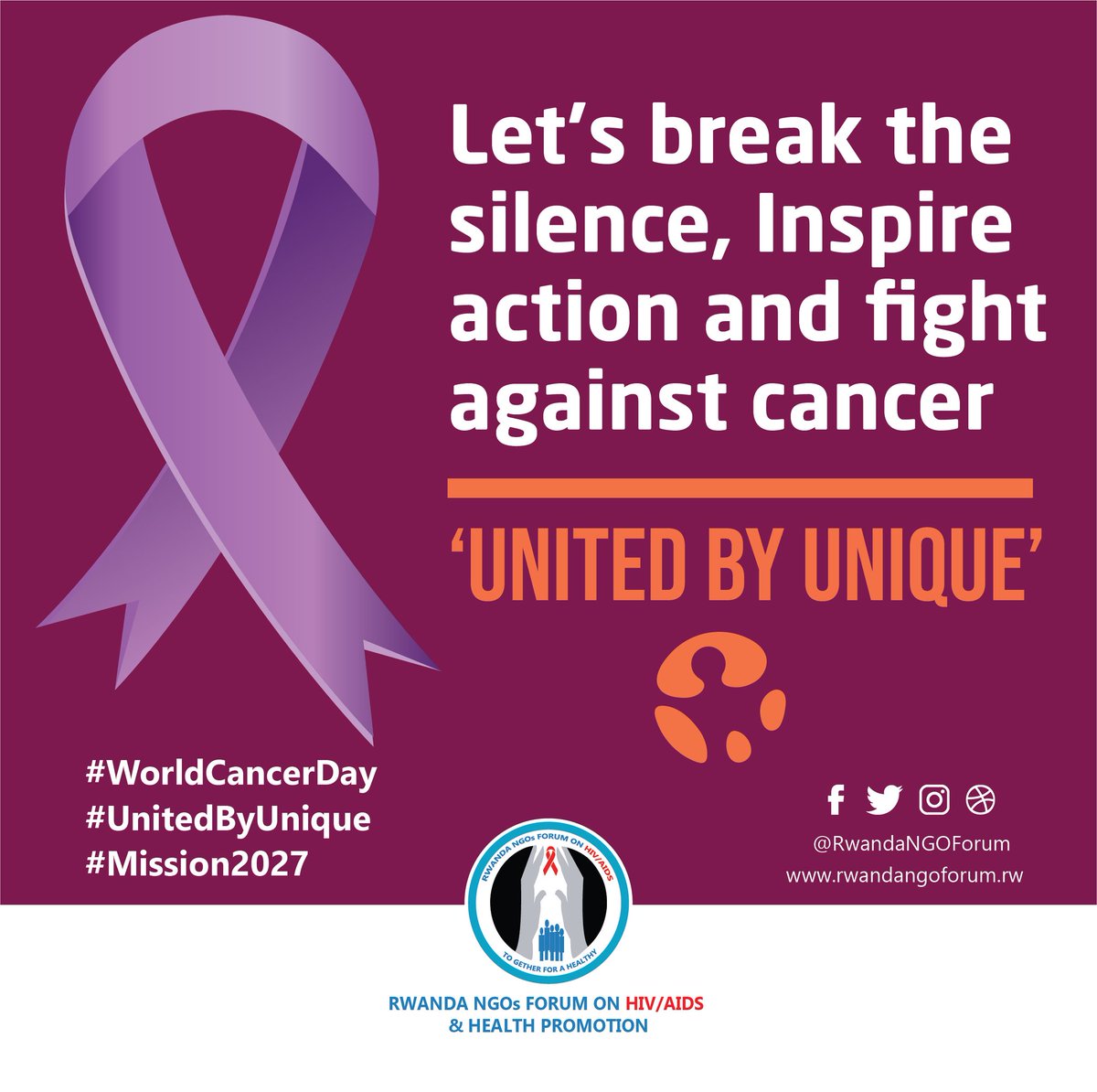
Cancer is not merely a health issue; it represents a significant global challenge that impacts families and communities worldwide. According to @WHO, nearly 10 million lives are lost to cancer each year. This alarming statistic underscores the urgent need for collective action and awareness in combating this disease.
In #Rwanda, we recognize that awareness is the first crucial step towards action. On this #WorldCancerDay, we invite everyone to engage in open conversations about cancer. Understanding the signs and symptoms, embracing self-testing for early detection, and providing support to those affected are vital components of our fight against cancer.
With effective prevention strategies, early detection methods, and equitable access to treatment, we can significantly reduce cancer mortality rates. Research indicates that between 30% and 50% of cancer deaths could be prevented by addressing modifiable risk factors. Furthermore, early diagnosis and screening can lead to better treatment outcomes and survival rates.
Let us join forces to raise awareness, inspire action, and combat cancer together. Knowledge is a powerful tool, it saves lives. By fostering understanding and encouraging proactive measures, we can make a meaningful difference in the lives of those affected by cancer.
#Mission2027 #HealthForAll #CancerAwareness #InnovationInHealth #HPVVaccination #CommunityEngagement
@Elekta_Fdn@UwinkindiFranco@nsanzimanasabin@CMuvunyi@noellabigirim@Knooliet@TuyishimeAlbert@HindHassan_@HDIRwanda@ImroRwanda@AndrewGasoziNtw@Loui_Ngabonzima@PSF_Rwanda@Sfrwanda1@Avega_Agahozo_@ReseauFemmesRw@CsdiCommunity@sfhRwanda
Today is #UHC2024!
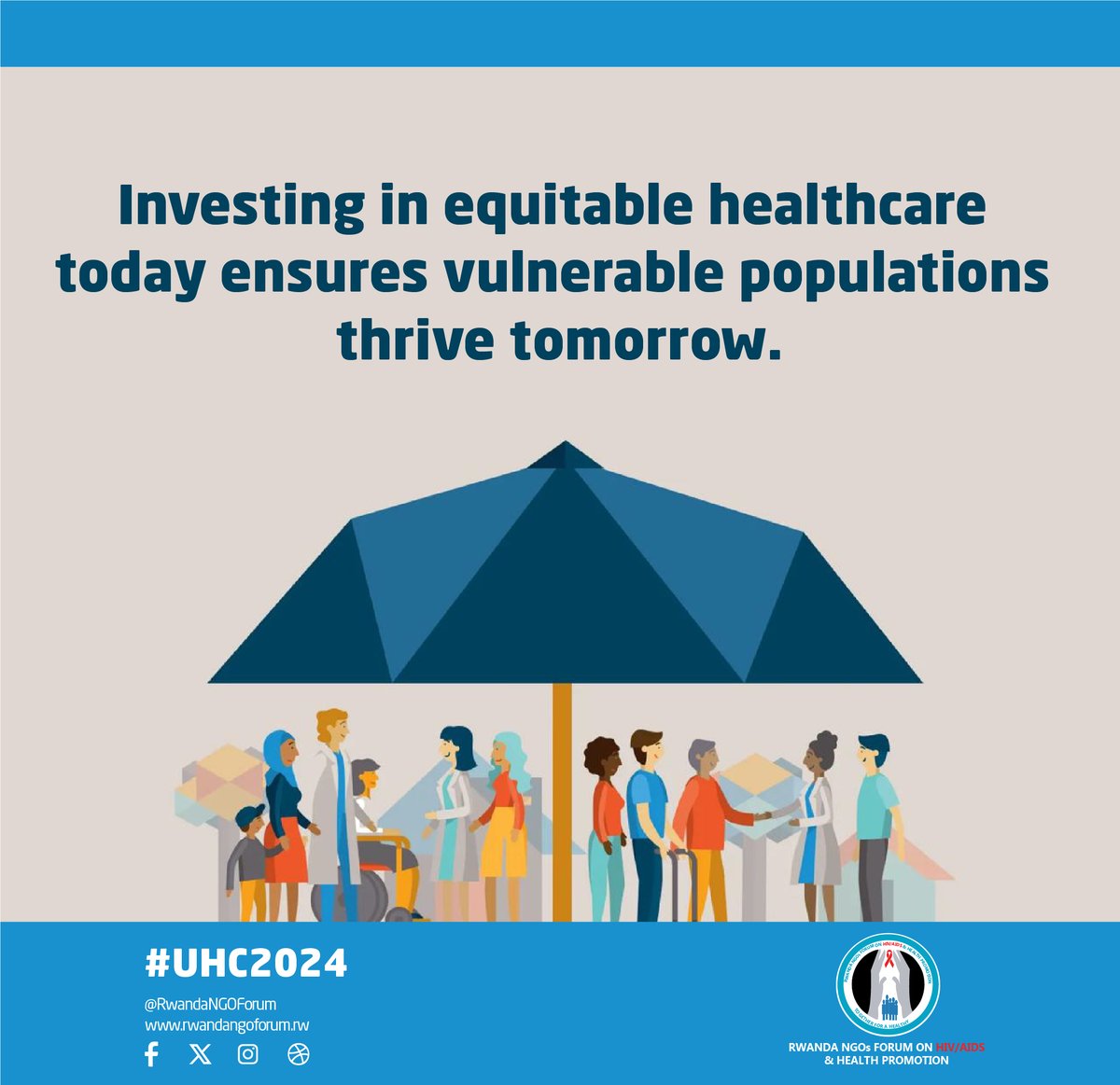
Investing in robust and equitable health systems that strengthen primary health care ensures that everyone, everywhere, can access quality care without financial hardship.
Achieving #HealthForAll, leaving no one behind, is complex but non-negotiable. @Knooliet
Today is Universal Health Coverage Day (#UHC2024).
It is a global moment to spotlight the urgent need for equitable and accessible healthcare systems. Universal Health Coverage (#UHC) means everyone should be able to access quality health services, including promotion, prevention, treatment, rehabilitation, and palliative care, without financial hardship.
On this #UHC2024, let us reflect on the principle that health is a human right. This simple yet profound idea forms the cornerstone of #UHC. Ensuring health for all means eliminating all barriers to care, addressing inequities, and guaranteeing access for everyone, regardless of socioeconomic status, geography, gender identification, or background.
Achieving #UHC requires resilient health systems that can withstand crises and meet diverse population needs. Strong health systems save lives and protect communities.
Primary health care (#PHC) is the heart of #UHC. Strengthening #PHC ensures efficient, people-centered, and accessible care, addresses the needs of the vulnerable, invests in community health workers, and fosters innovations that bring care closer to those in need.
This #UHC2024 urges decision-makers and all stakeholders to take bold action. Leaving no one's health behind means addressing disparities, removing financial barriers, and ensuring inclusive healthcare policies that serve all people equally and equitably.
#UHC2024
#HealthForAll
@RwandaNGOForum@RwandaHealth@RBCRwanda@WHORwanda@UNAIDSRwanda @USAIDRwanda @PIH_Rwanda@Imbuto@ahfrwanda@Sfrwanda1@HDIRwanda@ImroRwanda@EUinRW@NLinRwanda@SwedeninRW@WHOAFRO@BrianChirombo@HindHassan_@UHC2030@UNAIDS_ESA@nsanzimanasabin@YvanButera@ZacheeIyakaremy@GlobalFund@GavinAReid @USAIDRwanda @PEPFAR@GFAN_Africa@PEPFAR@semakulam@TuyishimeAlbert@CMuvunyi@Knooliet@Sfrwanda1@HDIRwanda@UNFPARwanda@unwomenrwanda@unicefrw@UNDP_Rwanda@EnabelinRwanda
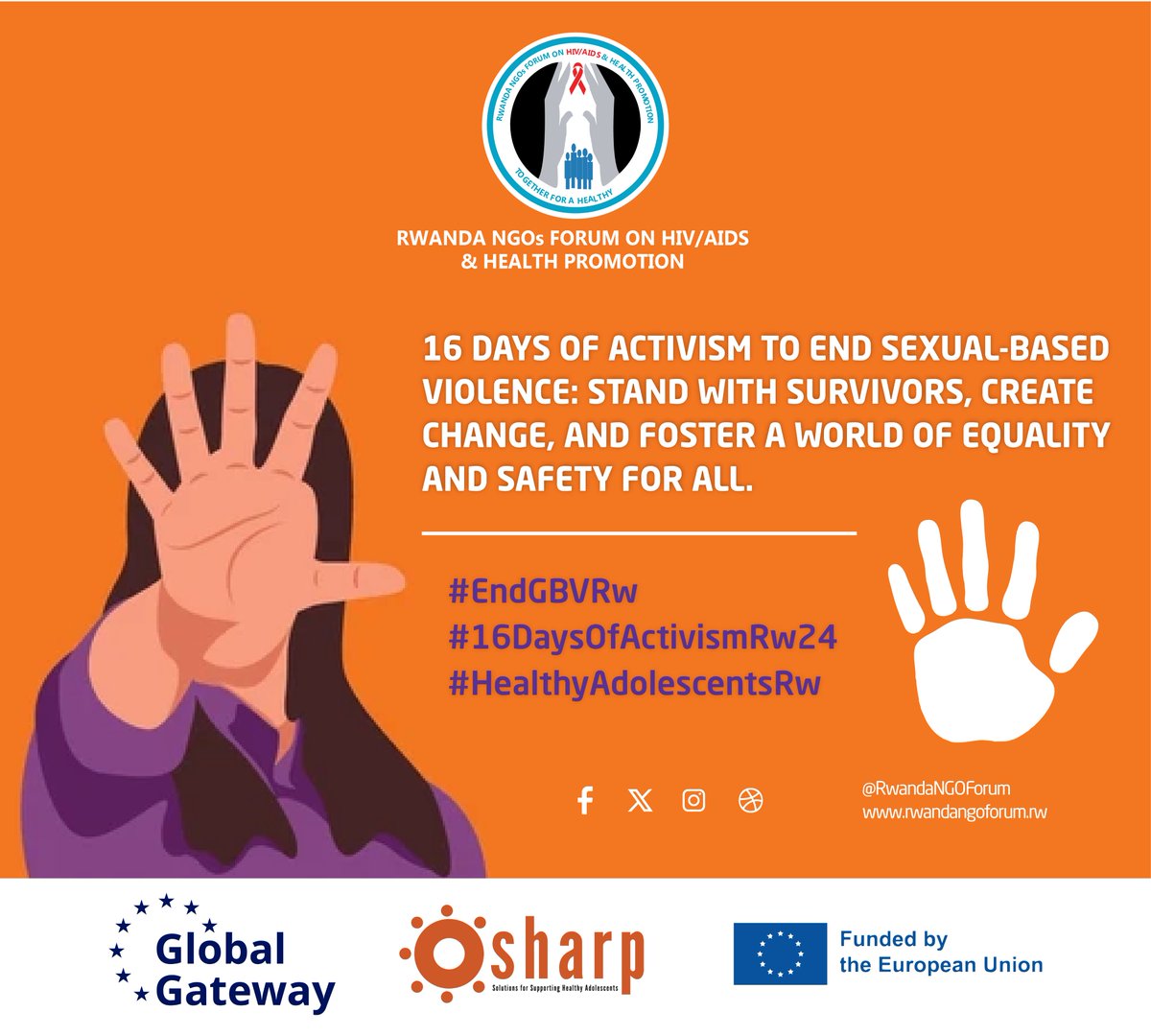
During these 16 Days of Activism Against Gender-Based Violence as a powerful global campaign aiming at ending violence against women and girls, we continue to amplify this year’s efforts, with a message on ending sexual violence, a devastating form of abuse that disproportionately affects women and girls.
Sexual violence robs survivors of their dignity, health, and sense of safety, often leaving lasting physical and emotional scars. Through this campaign, we reaffirm that no one should endure such violence, and we call for collective action to end it.
Sexual violence not only harms individuals but also impacts families and communities as a whole. Survivors face stigma, discrimination, and challenges in accessing justice and support services. For young girls, the trauma of sexual violence can disrupt their education, health, and future opportunities.
This cycle of harm perpetuates inequality and denies women and girls their fundamental rights. By addressing sexual violence, we are not only supporting survivors but also creating safer environments where every woman and girl can thrive.
As the campaign progresses, we urge everyone to take a stand. Advocate for policies that hold perpetrators accountable, strengthen survivor support systems, and challenge the harmful norms that enable sexual violence.
Together, we can create a society where respect, equality, and safety are upheld for all. Let’s continue to shine a light on this issue, amplify survivors' voices, and work towards a future free from sexual violence.
#EndGBVRw
#16DaysOfActivisimRw24
#HealthyAdolescentsRw
End #AIDS, My Responsibility: Kurandura #SIDA ni Inshingano Yanjye.
Ending #AIDS starts with a simple but powerful step: knowing your status. We celebrate remarkable strides made in combating #HIV; however, the journey is far from over. As #WorldAIDSDay is fast approaching, let’s recommit to safeguarding our health and the well-being of our communities.
Getting tested for #HIV is more than a personal decision; it’s a responsibility. Early testing saves lives, ensuring access to care and reducing transmission. Whether it’s scheduling your test or guiding a friend to access #HIV services, remember, every action, no matter how small, contributes to our collective goal of ending #AIDS.
Our collective efforts can inspire change.
✅ Take the lead.
✅ Protect your future.
✅ Encourage others to do the same.
Let’s make this #WorldAIDSDay a turning point. Act, inspire, and lead the way to #EndAIDS.
#StopAIDS #WAD2024 #DutsindeSIDA
@RwandaHealth@RBCRwanda@WHORwanda@UNAIDSRwanda@ahfrwanda@sfhRwanda@Sfrwanda1@ImroRwanda@HDIRwanda@Imbuto@FXBRwanda@Ansp_Rwanda@dreamvillage6@uphls@InterfaithRda@rrpplus@kigalihopeorg@EmpowerRwanda@TheHLOrg@RWN_WomenNet@HelpingHeartFam
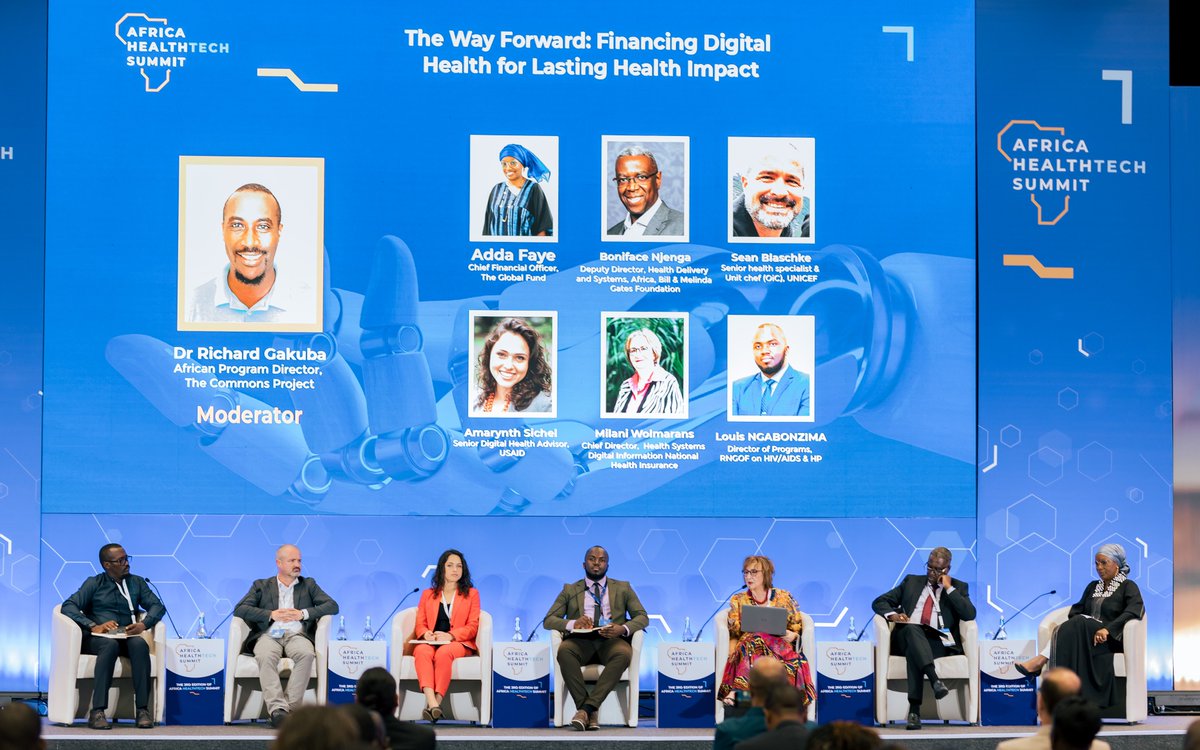
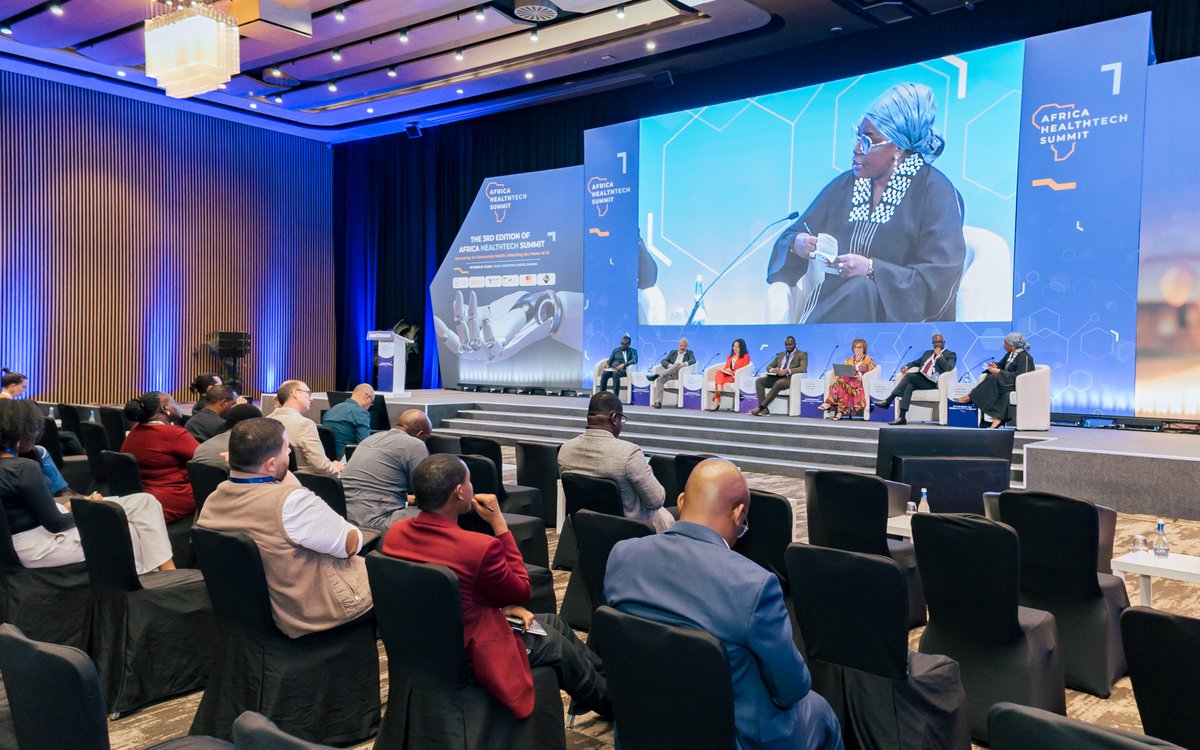
Yesterday, the 3rd Edition of the Africa HealthTech Summit (#AHTS2024), themed “Innovating for Community Health: Unlocking the Power of AI,” was successfully concluded in Kigali.
As one of the special guests and speakers, @RwandaNGOForum shone more light on community-centred healthtech solutions.
Through our involvement, we emphasized that healthtech solutions must be co-created with communities, not for them, ensuring solutions truly serve community needs: "Any healthtech for community without community is against the community."
On panel discussion themed “The Way Forward: Financing Digital Health for Lasting Health Impact” and a roundtable on "AI, Emerging Tech, and Digital Health: Consulting on the Path Forward," organized by @GlobalFund, we called for investments in healthtech solutions designed to serve vulnerable communities and address challenges in digital literacy, reliable internet connectivity, data protection, service accessibility, and cultural alignment.
We showcased #Rwanda's pioneering role through our Integrated Community-Led Monitoring (iCLM) Model for HIV, TB, and Malaria. This innovative model, with its accompanying software, will bridge gaps, strengthen healthcare, and empower communities for a sustainable impact.
For any community healthtech solution to be successful, it must:
1. Prioritize metrics that go beyond financial savings, such as social and community-level benefits.
2. Empower communities, build trust, and encourage participation.
3. Ensure solutions are contextually relevant and align with core service improvement metrics like the 4As—Availability, Accessibility, Affordability, and Acceptability of quality services.
By fostering intersectoral collaboration, we're revolutionizing #Rwandan healthcare with innovative healthtech solutions, driving equitable, community-centered digital health.
#DigitalHealth #HealthForAll
@RwandaGov@AfricaCDC@RealSmartAfrica@RwandaHealth@RwandaICT@ImroRwanda@Sfrwanda1@HDIRwanda@sfhRwanda@GFAN_Africa@WACIHealth@CMuvunyi@GBiraro@Muhire_Andrew@AndrewGasoziNtw@sfhRwanda@ZacheeIyakaremy@mwanaimable@AimableDr@HindHassan_@BrianChirombo@WHORwanda@Rwanda_CCM @USAIDRwanda @CMuvunyi@RBCRwanda@CDCRwanda@semakulam@GajuErick@ClaudiaAhumadaG@callmebanbo@MusoniPaula@RwandaICT@Loui_Ngabonzima@Louisalejandro@EnabelinRwanda
#BreastCancer survivors embark on a challenging yet hopeful journey after diagnosis and successful treatment. With over 2.3 million new cases annually worldwide, breast cancer remains the most common cancer among women. In Africa, it accounts for 16.8% of cancer deaths, often due to late diagnosis. In #Rwanda, 1 in 9 women is at risk, highlighting the urgent need for enhanced awareness and early detection.
Emotional and mental health support is essential for breast cancer survivors and their families. Strong social networks improve mental well-being. These resources help breast cancer survivors build resilience and develop coping mechanisms for post-treatment challenges.
Post-treatment care is equally critical, with regular follow-ups recommended to monitor for recurrence. A holistic, multidisciplinary approach, particularly, integrating oncologists, psychologists, and nutritionists, ensures comprehensive care thus fostering an environment where breast cancer survivors can recover and thrive.
The psychological toll of breast cancer is significant, with up to 30% of survivors globally, experiencing post traumatic stress disorder (PTSD)-like symptoms. By creating supportive communities and emphasizing ongoing mental health care, we can help breast cancer survivors navigate life after diagnosis and treatment, empowering them through breast cancer recurrence prevention and strong support networks.
No One Should Face Breast Cancer Alone
#BreastCancer #EarlyDetectionSavesLives #BreastCancerAwarenessMonth #NoOneFightsAlone
October is Breast Cancer Awareness Month
This #BreastCancerAwarenessMonth , @RwandaNGOForum joins the global fight against breast cancer.
#BreastCancer is a type of cancer where malignant cells form in the tissues of the breast, leading to the development of tumors. While it predominantly affects women, men can also develop breast cancer. The disease accounts for 16.1% of all new cancer cases annually in Rwanda, with an incidence rate of 41.0 per 100,000 women and a mortality rate of 19.4 per 100,000. Signs of breast cancer often include a noticeable lump, changes in breast size, and alterations in skin texture.
Several factors contribute to the risk of developing breast cancer, which can be divided into modifiable and non-modifiable risk factors. Modifiable risk factors are lifestyle-related and can be influenced by personal choices. These include physical inactivity, being overweight or obese, hormone replacement therapy, alcohol consumption, and reproductive history, such as having a first pregnancy after age 30 or not breastfeeding. Studies also suggest that exposure to certain chemicals and smoking may increase the risk.
On the other hand, Non-modifiable risk factors are those that cannot be changed. These include age, with most cases occurring after the age of 50, and genetic mutations like BRCA1 and BRCA2, which significantly increase the risk of both breast and ovarian cancer. A family history of breast cancer, personal history of the disease or other breast-related conditions, and prior exposure to radiation therapy are also significant risk factors.
Although having one or more of these risk factors increases the likelihood of developing breast cancer, it does not guarantee it. Many women with risk factors never develop the disease, while others without any apparent risk factors may still be diagnosed. Early detection through regular screening and lifestyle changes can help reduce risks and improve outcomes for those diagnosed with breast cancer.
No One Should Face Breast Cancer Alone
#BreastCancerAwarenessMonth #BreastCancerAwareness #FightBreastCancer
🌍 This Global Week for Action on NCDs, @RwandaNGOForum joins the global NCD Community to shine a spotlight on the silent killers (#NCDs) that claim 74% of lives globally and advocating for urgent action to spark the change needed to tackle noncommunicable diseases (#NCDs).
Alarmingly, over 85% of these premature deaths occur in low- and middle-income countries, where millions lack access to essential noncommunicable disease (#NCD) care. This is a stark example of health inequity and is unacceptable!
Without immediate and decisive action, particularly translating commitments into concrete interventions, Noncommunicable disease (#NCD) deaths could reach a staggering 52 million annually by 2030.
This week, we join the global NCD Community to call on leaders (in respective capacities) to:
✅ Implement strong #NCD policies,
✅ Mobilize investments,
✅ Break down silos,
✅ Ensure meaningful involvement of people living with NCDs in decisions affecting their lives
To ensure #NCD prevention and management get the attention and action they deserve, everywhere, for everyone.
The Time to act is NOW! Let’s ensure #NCDs are prioritized in Universal Health Coverage (UHC) to save lives and boost global productivity.
Together, we can #ActOnNCDs and #LeadOnNCDs and create a lasting change💪
📍 This #WorldMentalHealthDay2024 , @RwandaNGOForum stands with the rest of the World to emphasize the importance of "Mental Health at Work." With 60% of the global population in work, creating safe and supportive environments is essential to protect mental well-being. Stigma, discrimination, and poor working conditions can harm mental health, reducing quality of life and productivity. It is crucial for leaders, employers, and stakeholders to collaborate and prioritize mental health as part of workplace culture.
🗣️ As @RwandaNGOForum and our partners, we are committed to raising awareness of mental health in professional settings and advocating for inclusive, supportive workplaces. By promoting mental health, we aim to empower employees and member organizations alike, fostering healthier and more productive environments.
🤐 Depression, 😓anxiety, and other mental health challenges cost the global economy $1 trillion annually, but with proactive strategies, we can mitigate these impacts and create more resilient workplaces.
✊🏽 As we mark #WorldMentalHealthDay2024, let’s commit to improving mental health at work. Together, we can build conducive workplaces and safe environments that prioritize the mental well-being of every employee, ensuring they can thrive both personally and professionally.
🙏🏽 That said, we are grateful to @RwandaHealth for the continued integration of mental health care into Rwanda’s health system to support the mental well-being of all Rwandans.
It is Time to Prioritize Mental Health in the Workplace.
#WorldMentalHealthDay #MentalHealthAtWork #TogetherForAHealthySociety
As we come closer to the celebration of #WorldContraceptionDay2024, let’s remember this:
1. Increasing awareness and education about contraception is vital for ensuring that individuals, especially young people, can make informed choices about their reproductive health.
2. Access to accurate information allows adolescents to understand their options, prevent unintended pregnancies, and protect against sexually transmitted infections (#STIs).
3. Comprehensive education empowers individuals to take control of their bodies and their futures. It reduces and debunks myths while encouraging responsible decision-making.
4. By promoting open conversations about contraception, we foster a society where reproductive health is seen as a fundamental right for everyone.
Education is the first step towards healthier communities and improved well-being for all.
#ContraceptionAccessRw #HealthyAdolescentRw
@RwandaHealth@RwandaGender@Rwanda_Edu@RBCRwanda@EUinRW@HAImedicines@unwomenrwanda@UNFPARwanda@eannaso@FaithtoActionet@NANHRI40@MedRAPzm@abs_burundi@SHARP@ImroRwanda@HDIRwanda@Glihd_Rwanda@MDFC_Rwanda@Sfrwanda1
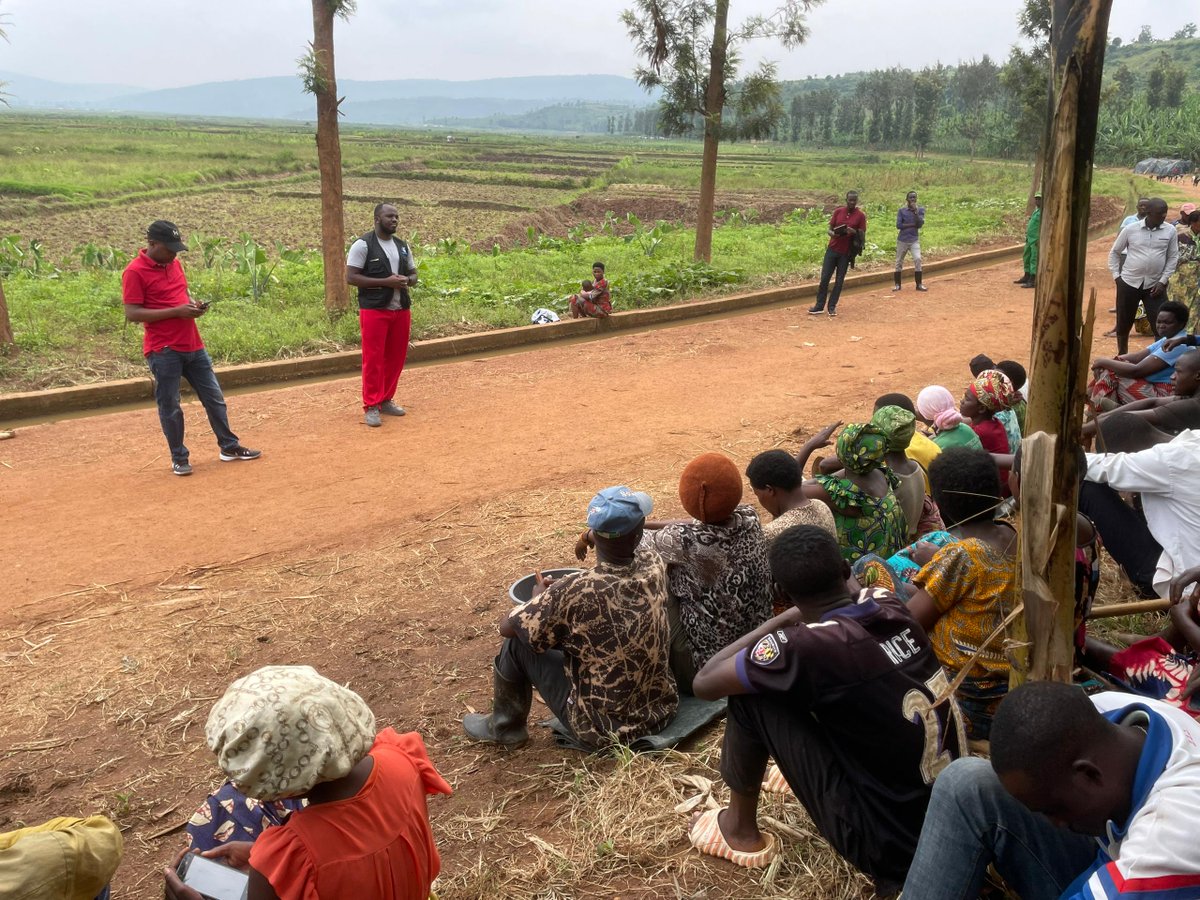
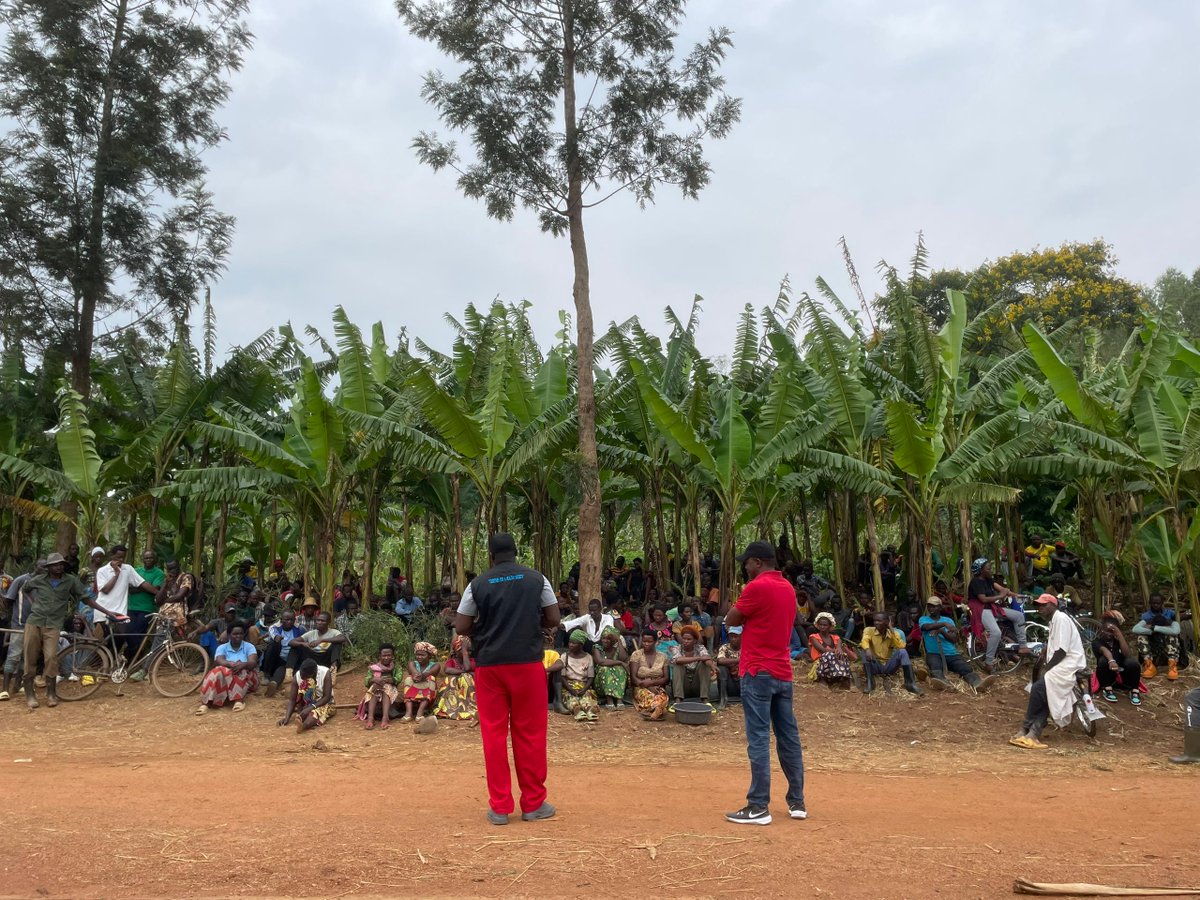
Empowering our communities starts with ensuring ,they have the tools and knowledge to fight malaria. By supporting prevention efforts, we not only protect individuals from illness but also uplift entire communities. #MalariaFreeRwanda#LetCommunityLead#ZeroMalariaStartsWithMe