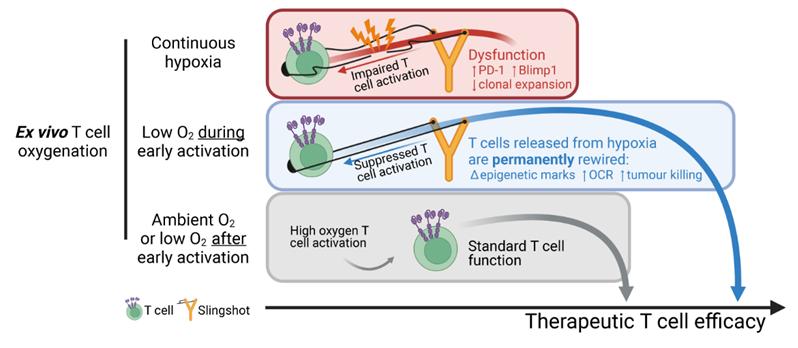
It’s finally out 🎉! Our study on how low oxygen levels sensed by CD8+ T cells during activation modulate T cell function and can be harnessed to improve immunotherapeutic efficacy @eLife https://t.co/K1GFED3pig. Here's the tweetorial ⬇️⬇️⬇️(1/n)
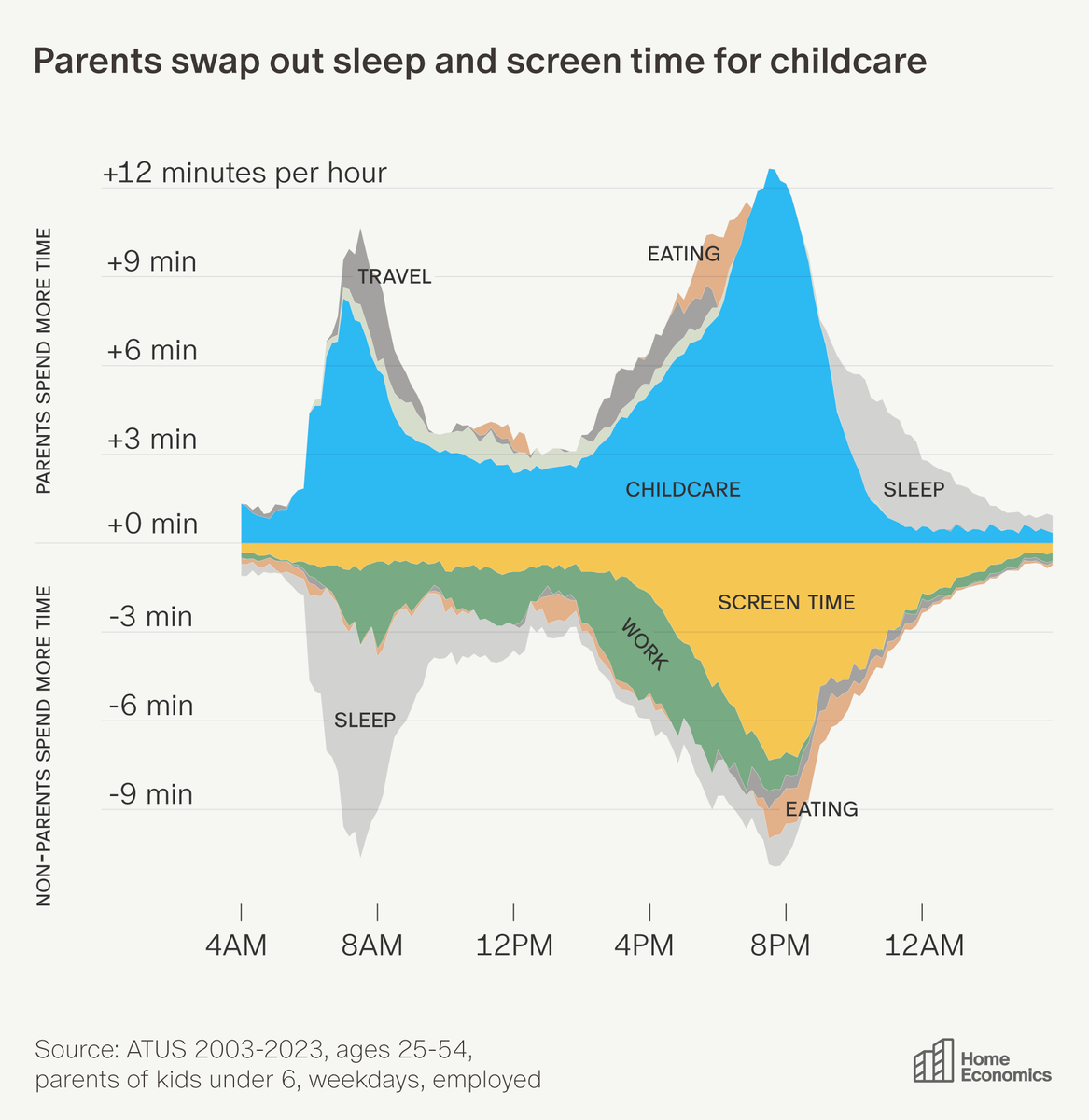
As a new parent, I spend a lot of time changing diapers and feeding the baby. 15 months ago I wasn't doing any of this. I felt busy then too, so where did all this childcare time come from? I analyzed the Census Bureau's American Time Use Survey to find out how most parents do it. The answer: less sleep and less screen time. The funny thing is, parents report being pretty happy about this tradeoff.
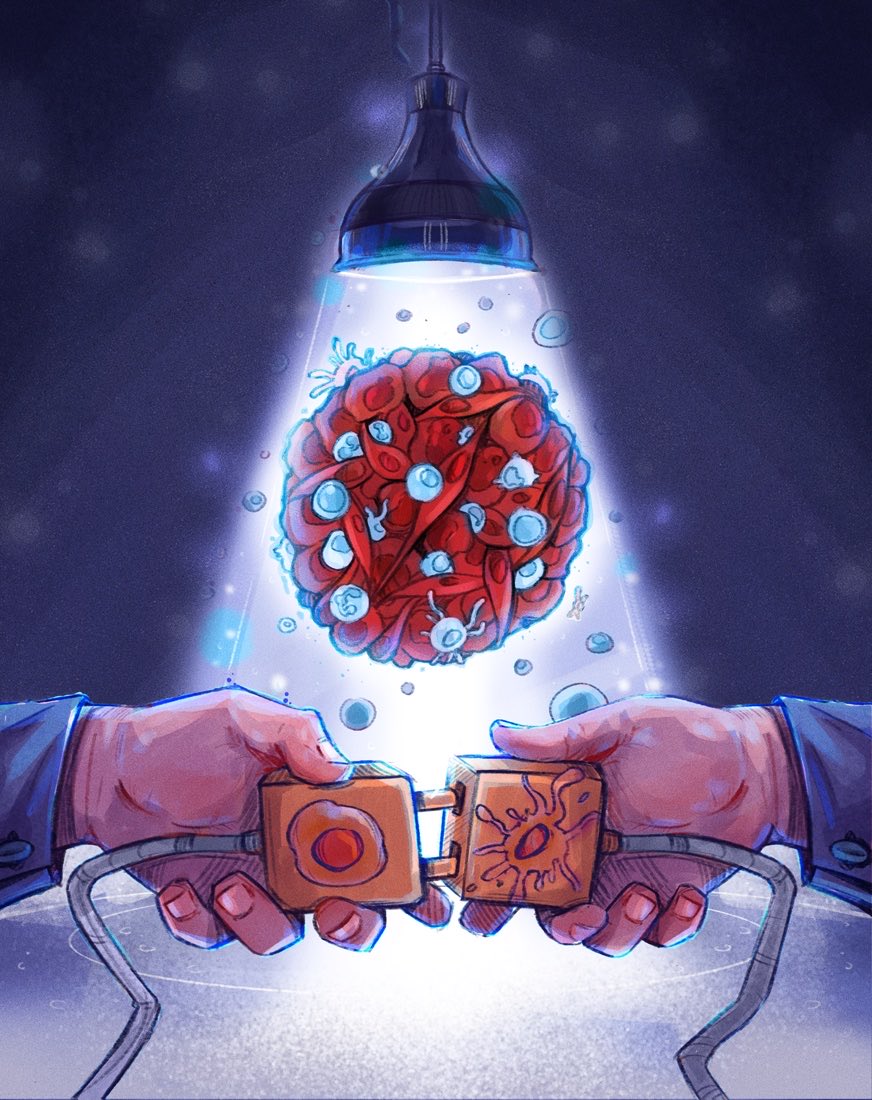
📢 New in @ImmunityCP: We have mapped the transcription factor “routes” that program two dendritic cell subsets opening paths for personalized #cancer#immunotherapy.
Read it here: https://t.co/u4j9xoVhEL
Here is a summary of what we discovered 🧵:
Illustration by @azuravesta
1/23 We are excited to announce that our most recent study “In vivo dendritic cell reprogramming for cancer immunotherapy” was published in @ScienceMagazine.
https://t.co/yPDqKmpGnn
Here is a summary of what we discovered!
Interested in tumour immunity, dendritic cells and immunotherapy? Excited to share our study on CCR7+ dendritic cells (DCs) in cancer out today, a joint effort between @LabWithers and @ClatworthyLab. (🧵 1/8)
https://t.co/DspJiAl5vf
Together with @IdoAmitLab we’re very excited to introduce BiCE (Bispecific DC-T Cell Engager)- a new platform to engineer immune cell communication for #cancer#immunotherapy. Led by the amazing @yuval_shap@orenbarboy, now out @CellCellPress: https://t.co/COVWAN7Tbf
(1/11)
It's been since my last pitfall in genomics thread but he's a new one: YOU MUST ACCOUNT FOR READ DEPTH in single-cell experiments.
Why?
Because read depth will likely be confounded by CELL IDENTITY in ways that can induce leakage in downstream ML methods.
Online @ImmunityCP! @mstrazar07 & colleagues identify HLA-II binding peptides w/monoallelic #immunopeptiomics & develop a #machinelearning tool (CAPTAn) that predicts peptide antigens based on HLA-II affinity and source protein sequence.
https://t.co/cV0dzS82dj
Summary of a really cool paper in @Nature by Rojas et al. mRNA vaccine targeting #PancreaticCancer neoantigens in combination w/ immune checkpoint inhibitor appears to generate CD8 T cells capable of eliminating tumor cells. Promising results!!
https://t.co/B8nyGX0DGJ
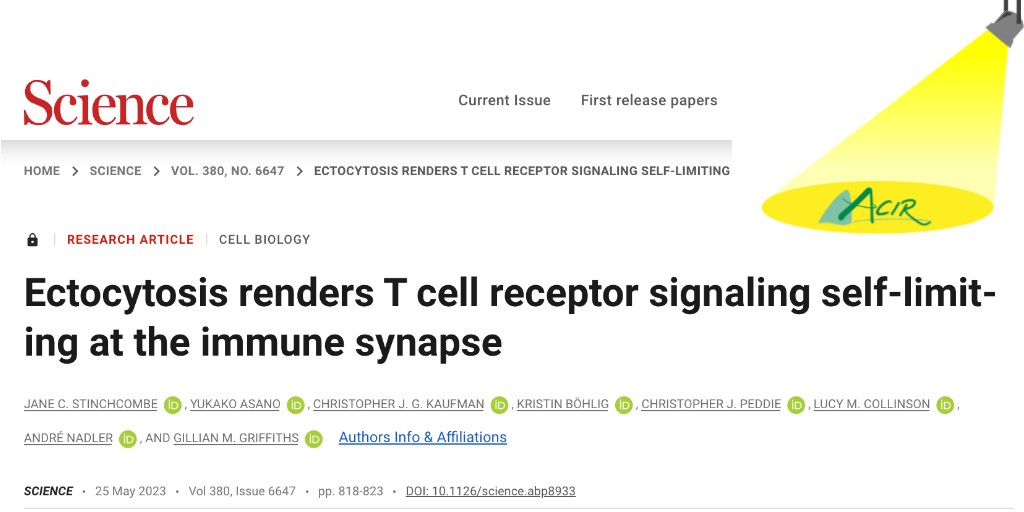
To understand how T cells disengage from targets to allow serial killing, @stinchcombejane @griffiths_lab used peroxidase labeling of CD3ε and advanced imaging to follow TCR fates during interactions with target cells. https://t.co/7zvQVrhgMk
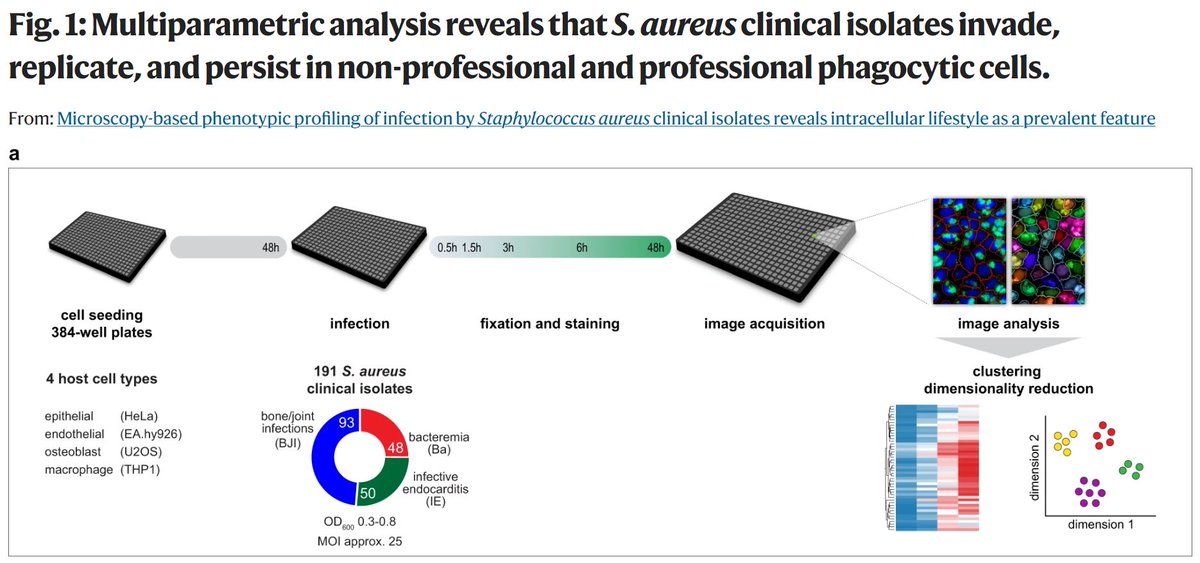
Microscopy-based phenotypic profiling of infection by Staphylococcus aureus reveals intracellular lifestyle as a prevalent feature of clinical isolates
@UnivdeCoimbra @cnc_uc @CIRI_Lyon@lopesrra#Microbiology#Staph
https://t.co/aUZSW3Easc
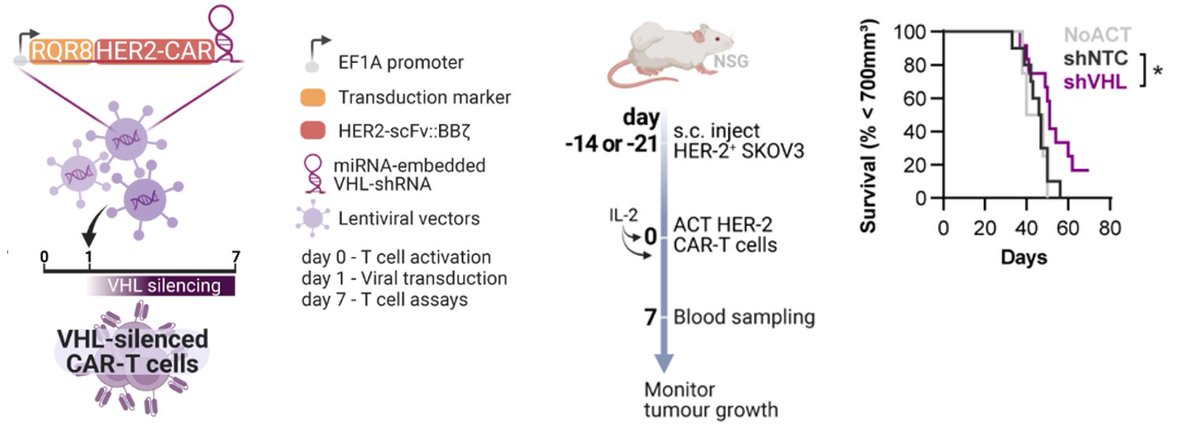
BONUS TRACKS: (2/2) To depict the role of HIF in our study, we designed a CAR vector with a domain to silence the negative HIF regulator VHL which showed promising in vivo results. shVHL-CAR T cells can clonally expand in vivo and fuel the functional benefits of hypoxic T cells.
It’s finally out 🎉! Our study on how low oxygen levels sensed by CD8+ T cells during activation modulate T cell function and can be harnessed to improve immunotherapeutic efficacy @eLife https://t.co/K1GFED3pig. Here's the tweetorial ⬇️⬇️⬇️(1/n)
BONUS TRACKS: (1/2) We show that the low O2-driven T cell alterations include HIF-dependent and independent mechanisms (e.g. PGC-1a expression), as assessed with the use of the PHD chemical inhibitor FG-4592 and silencing of VHL.